Year 7A & Year 7B.
Monday 1 June 2020
Follow the order in which I give you instructions:
1.
Complete the “Quiz/Test” on Feudalism, in Schoology – it is “timed” and will take you no more than 7 minutes…! Please note that you have to do this NOW during lesson time! This MUST be completed FIRST- so, immediately go to the quiz and do it before continuing with the rest of today’s instructions. (If you have not submitted the answers within the next 30 minutes, you will receive zero for this task, because the task will expire.)
2.
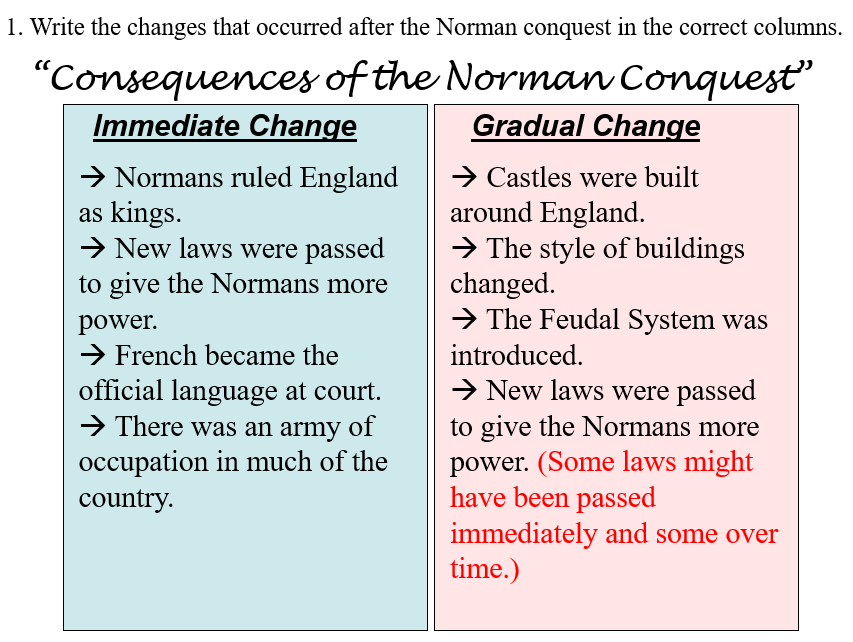
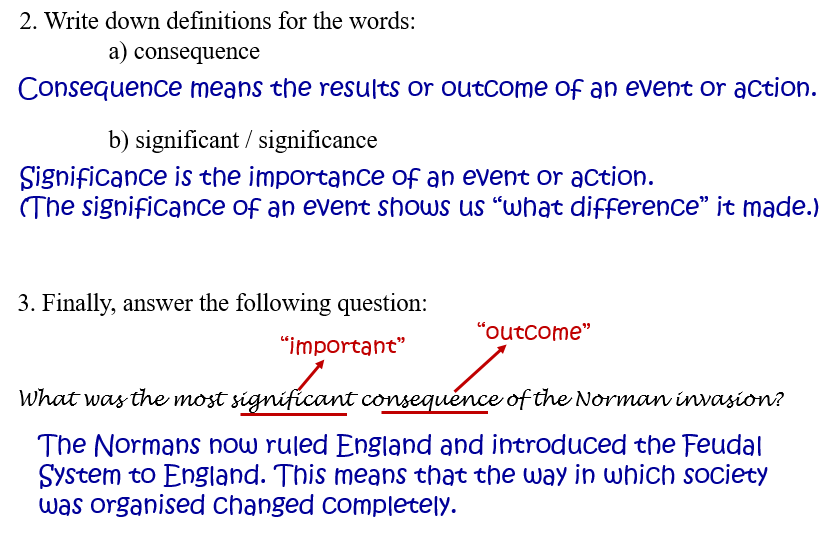
Mark the following task with a pencil:

HOMEWORK 7
3.
Over the next few lessons you will watch a film that is set in Medieval times, when Feudalism was the norm in Europe and in England. We will start with the film in the next lesson, but there are a few things that you need to know before we start watching the film.

The film is an adventure-comedy film about a peasant (called William Thatcher) who discovers that his master (Sir Ector) is dead. So, William then puts on his master’s armour to impersonate him at a jousting tournament. (If you do not know what jousting is, watch the short video below. It shows you that some people still do jousting today!)
Knights of Valour: Full Contact Jousting. (2:39 minutes long)
In the film, William wins the tournament and then decides to participate in more tournaments. However, only knights and nobles were allowed to take part in the tournaments, and not peasants. Therefore, William creates a new identity for himself, as a knight called Sir Ulrich von Liechtenstein.
There is a lot of jousting in the film, but there is also a bit of a love story: William meets a noble lady… which creates a slight problem, because she is a noble and he is a peasant, pretending to be a knight!
4.
I believe that you will all enjoy the film – even if you do not particularly like jousting! However, before you start with the first “episode” of the film, there are a few bits of reading to do, in preparation.

You will understand the film better if you also know a bit about the Black Prince, Geoffrey Chaucer and the Canterbury Tales. So, read the following information with great attention:
So, what is The Canterbury Tales?
The Canterbury Tales is a collection of 24 stories written in Middle English by Geoffrey Chaucer between 1387 and 1400.
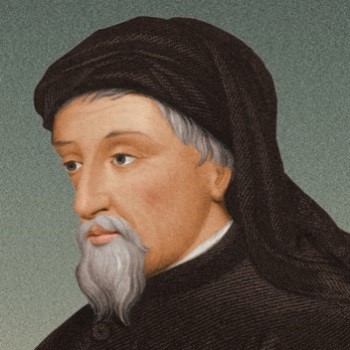
Who was Geoffrey Chaucer?
Geoffrey Chaucer (c. 1343 – 1400), known as the Father of English literature, is widely considered the greatest English poet of the Middle Ages. While he achieved fame during his lifetime as an author and philosopher, Chaucer also had an active career as a courtier. He is best known today for The Canterbury Tales.
Who was the Black Prince?
The Black Prince (1330-1376) was the eldest son of King Edward III of England, and the father of King Richard II of England. He had many other titles: He was also known as the first Duke of Cornwall, the Prince of Wales and the Prince of Aquitaine! And he was known as Edward of Woodstock! (He was called “Edward of Woodstock” in his early life, after his birthplace, but since the 16th century has been popularly known as “the Black Prince”.)
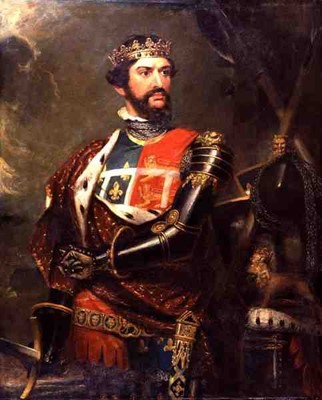
The origins of the name “Black Prince” are uncertain, though many believe it may come from Edward’s black shield, and/or his black armour. Or, maybe it comes from Edward’s brutal reputation, particularly towards the French in Aquitaine. (Edward was an exceptional military leader, and his victories over the French made him very popular in England during his lifetime.) Sadly, Edward died one year before his father, and so became the first English Prince of Wales that did not become King of England. The throne passed instead to his son Richard II, who was only a young boy when Edward III died.
In the next lesson we will start watching the film!
5.
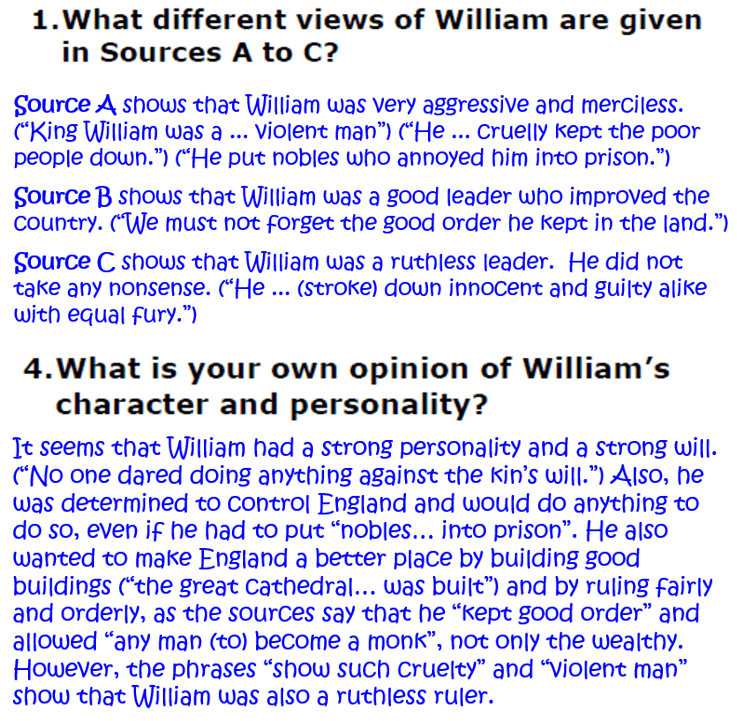
And now, as a final task for today’s lesson, look at the feedback that I sent to your schoology mail. You will find a table that lists the tasks and it also gives your marks. Look at the comments made and then, very carefully, go over the answers below, so that you know where you can improve:
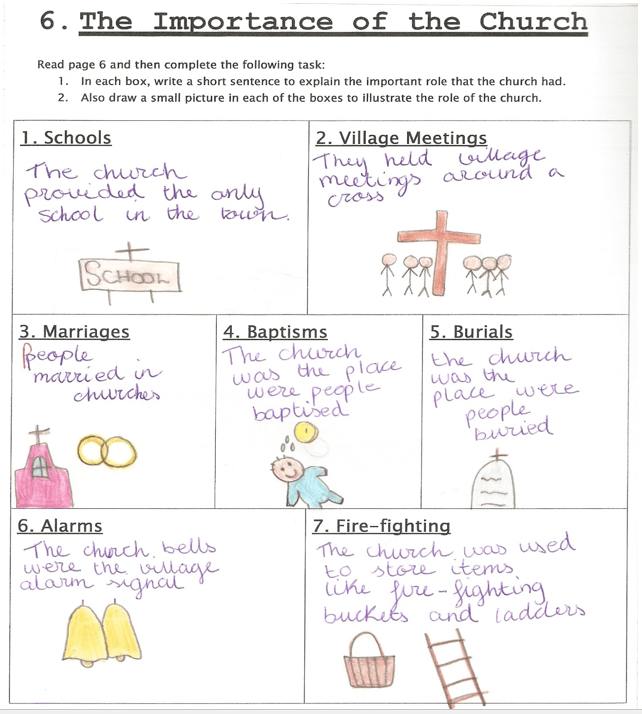
THE IMPORTANCE OF THE CHURCH
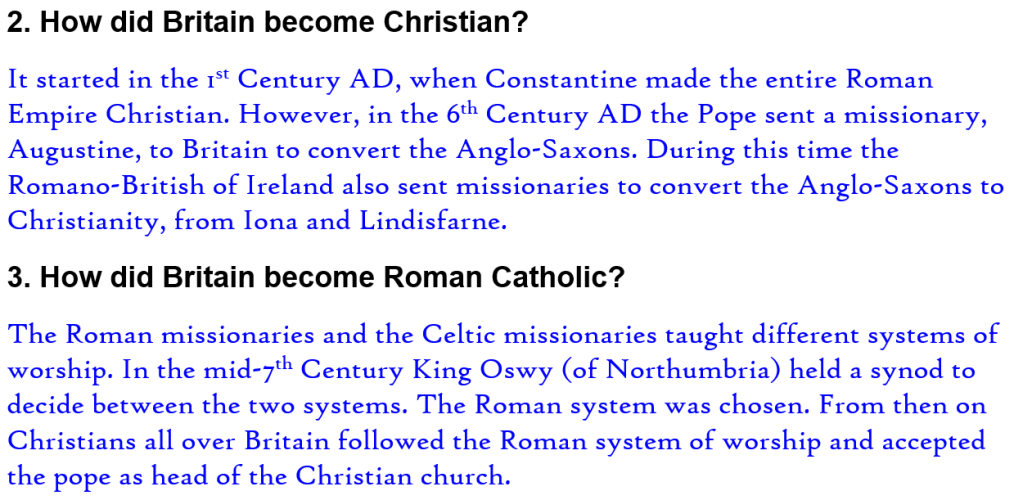
Roman and Celtic Missionaries. (p.58)
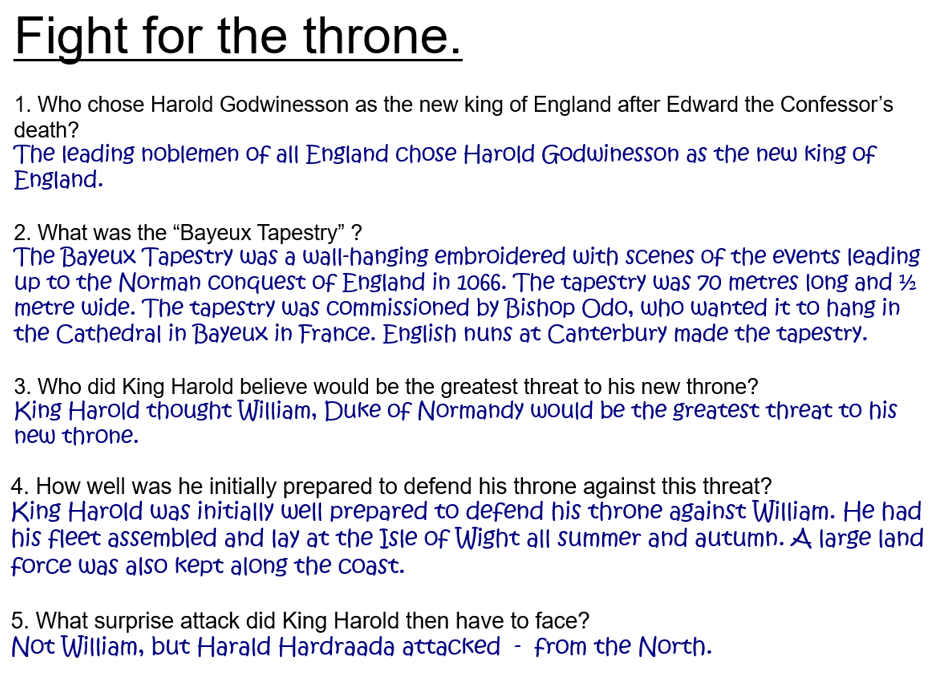
FIGHT FOR THE THRONE. (p.69)
HOMEWORK TASK-5. (p.62-64)
6.
Send me a private message on Schoology (use the same mail-thread!) to confirm that you have completed all the tasks as instructed today!

(WordPress advertisements may appear below.)
 Best study methods