
Year 9A & Year 9B
Today we are going to:
1. Remind ourselves about the best way to work in the History class
2. Look at the benefits of studying History.
Follow the instructions step by step:
1.
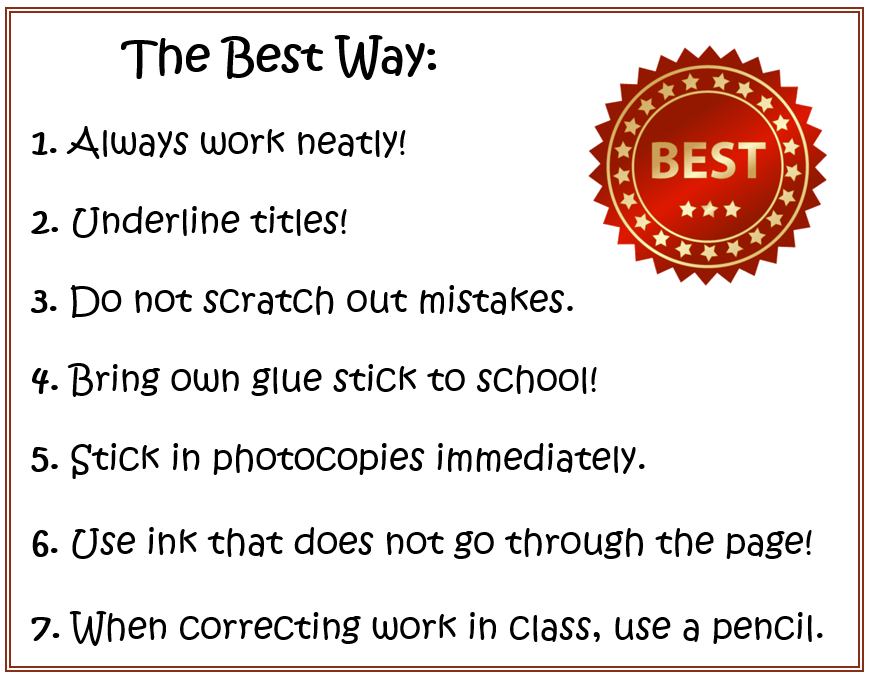
This is “the best way” to work in the History class:
2.
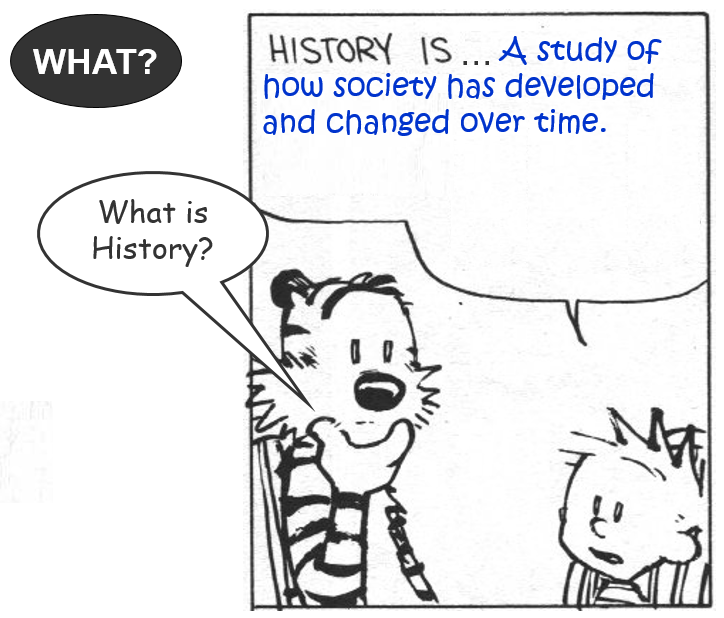
So, what exactly is History again…?
A bit of revision:

3.
What do we study History again…?

Why is it important to study history? (2:45 minutes long)
Why Study History? (2:10 minutes long)
Why study history? (2:20 minutes long)
4.
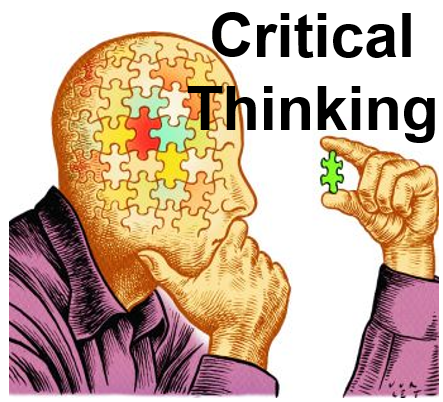
The above video gives… “Four Reasons why studying History benefits one’s future”.

- History tells us about the future.
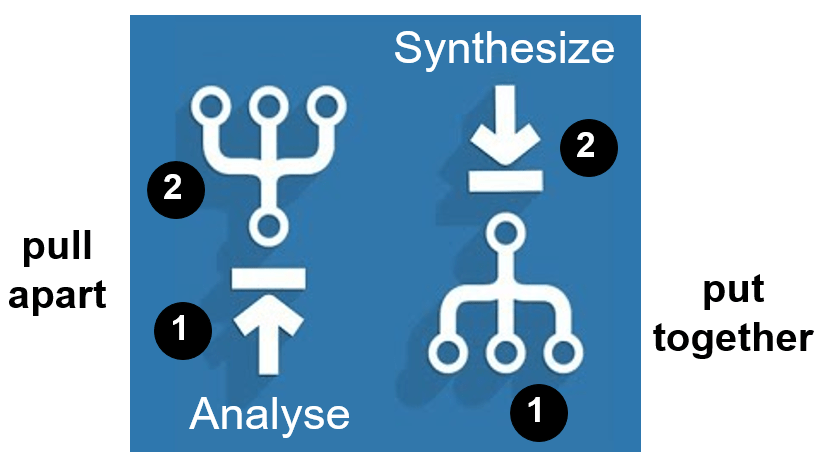
- History helps us to see the bigger picture.
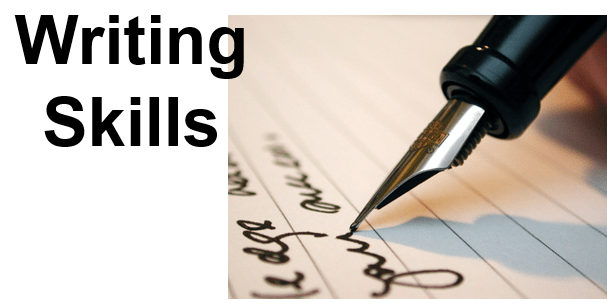
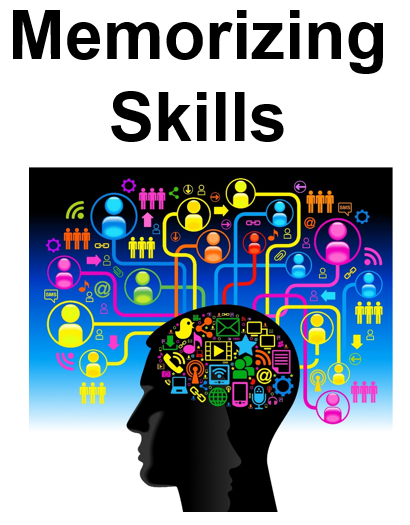
- Study History gives you loads of skills.
- History leads to loads of careers.
Can you explain each of these statements?
5.
“We can learn how people in the past worked for the benefit of people in the future.”
History is a story. We are part of the story. We need to know out story…
We study History because…
- History has interesting stories.
- There are also other benefits…
Let’s look at the benefits of studying History:
For example:
Bite the bullet

“Bite the bullet” means “to accept something difficult or unpleasant”. This expression has an interesting history: “In the olden days, when doctors were short on anesthesia or time during a battle, they would ask the patient to bite down on a bullet to distract from the pain.”
Here is another example:
Turn a blind eye
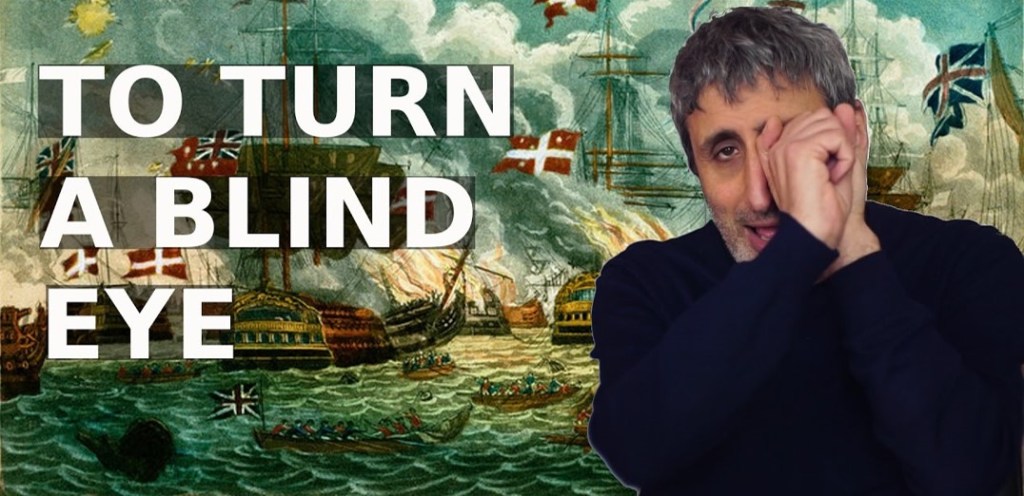
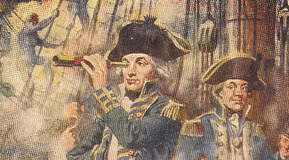
“Turn a blind eye” means ” to ignore situations, facts, or reality”. It, apparently has its origin in the following incident: “The British Naval hero, Admiral Horatio Nelson, had one blind eye. Once when the British forces signaled for him to stop attacking a fleet of Danish ships, he held up a telescope to his blind eye and said, “I do not see the signal.” He attacked, nevertheless, and was victorious.”
And here is another example:
Go the whole nine yards
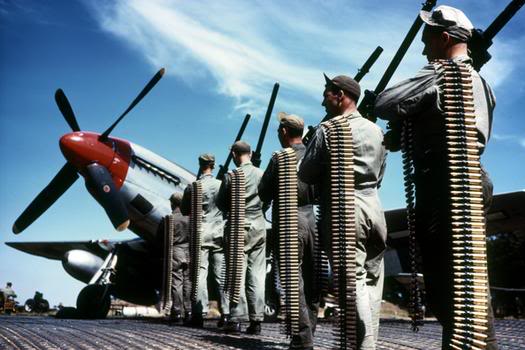
“Go the whole nine yards” means “to try your best at something”. This expression also has an unexpected history: “During World War II, the fighter pilots were equipped with nine yards of ammunition. When they ran out, it meant that they had tried their best at fighting off the target with the entirety of their ammunition.”
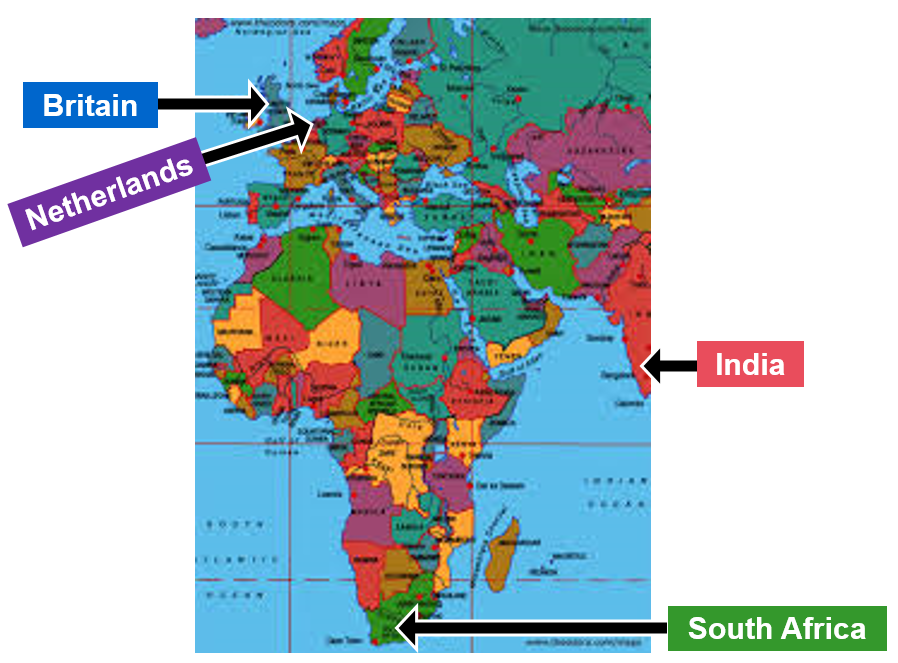
For example, there are Europeans living in Southern Africa because of colonization. In the 1600’s the Dutch traded with India by sailing around Africa to the east. The set up a halfway post at the tip of Africa to get fresh supplies for their sailors. These Dutch settlers are my ancestors! (That is also why I speak a language that is very similar to Dutch, called Afrikaans.) Today, some people in South Africa speak Afrikaans and some speak English. That is because the Dutch and the English were fighting in a war in the 1800’s and the English then took over the Dutch colony in Southern Africa.
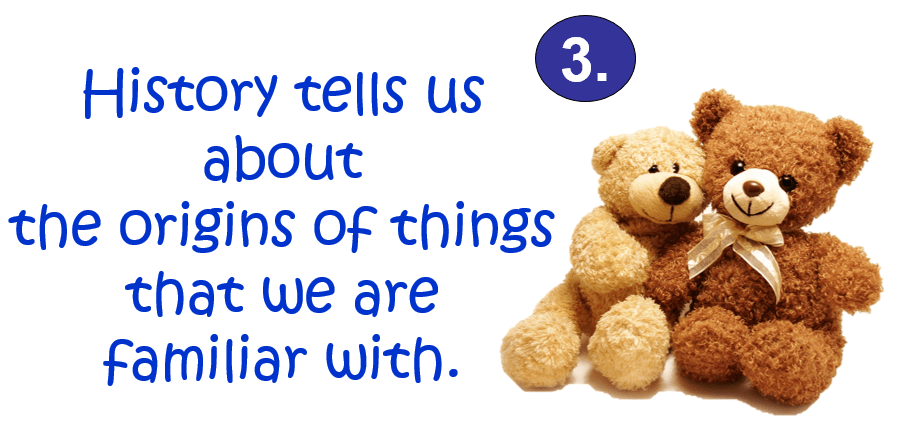
Here are two examples:

Nutella’s surprising origin story. (1:40 minutes long)
The History of Peanut Butter. (2:17 minutes long)
So, are you still unsure why we study History?

Why Study History? (3:32 minutes long)


6.
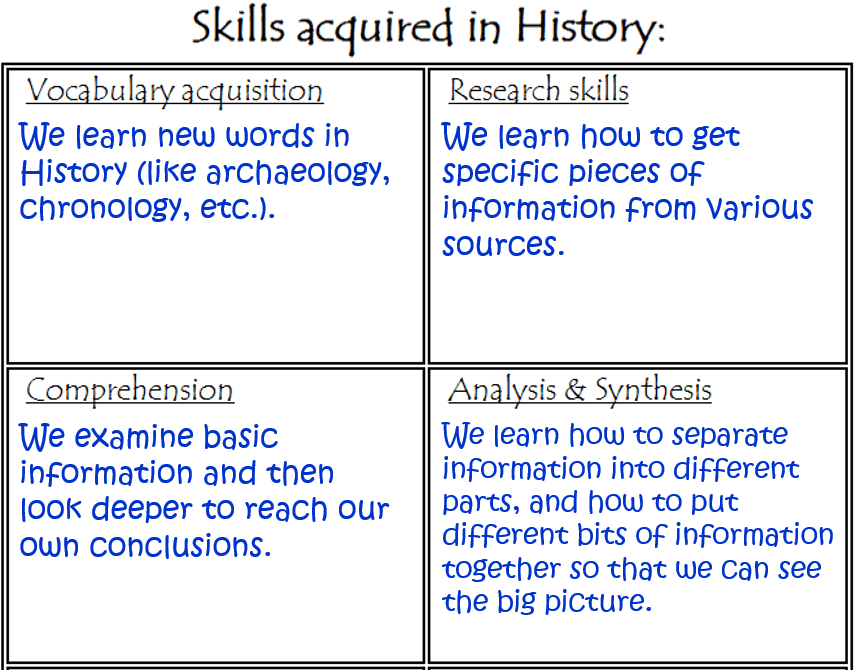
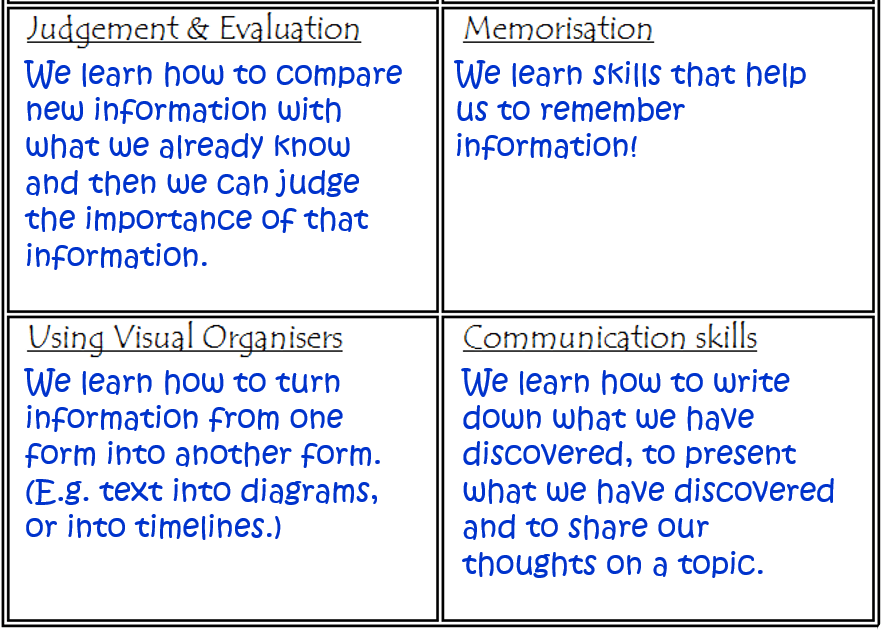
Carefully read the information in the table below to remind yourself of the skills that you acquire by doing History as one of your school subjects.
7.
And just in case you STILL do not know why we study History…
WHY DO WE LEARN HISTORY? | The Song. (2:59 minutes long)
8.
In the next lesson we will start with your first topic in the Year 9 History course: “World War One”… In preparation for this, you need to know what the following mean:
Alliance = “the act of allying or state of being allied; a formal agreement or treaty between two or more nations to cooperate for specific purposes; a merging of efforts or interests by persons, families, states, or organizations….”
9.
To clarify even further…
Alliance Definition. (1:36 minutes long)
What is “Alliance”? (3:03 minutes long)
10.

Finally, a few lies told in History – just for interest’s sake…
10 Biggest Lies Ever Told In History. (11:46 minutes long)

(WordPress advertisements may appear below.)
 Best study methods