
Year 8A & Year 8B
Today you are going to:
Look at some classroom rules.
Remind yourself of the importance of studying History.
Follow the instructions step by step:
1.
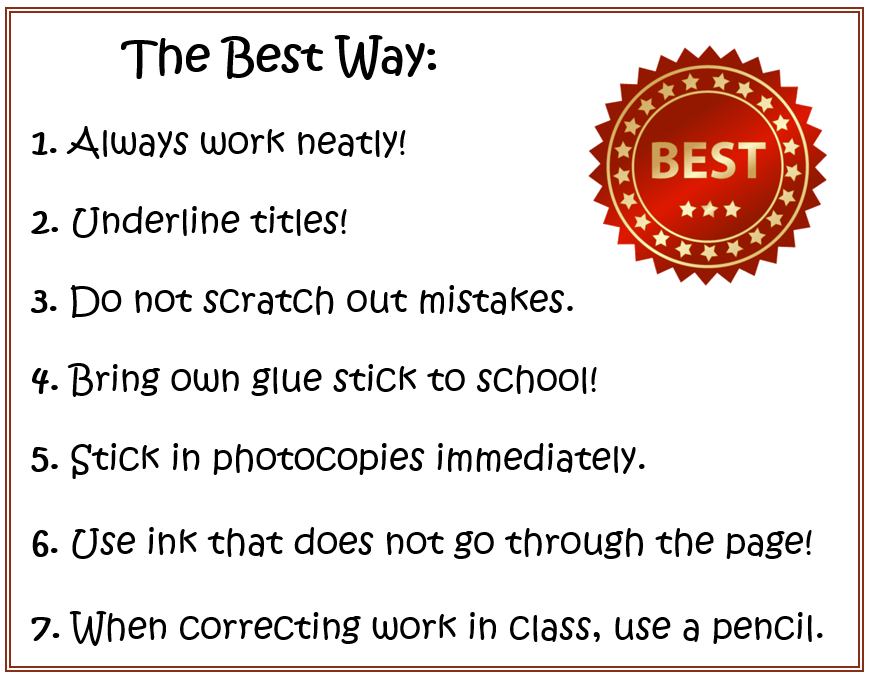
This is “the best way” to work in the History class:
2.
This video will remind you of some general rules to be followed in the classroom…

Classroom Rules. (4:26 minutes long)
3.
So, what exactly is History?
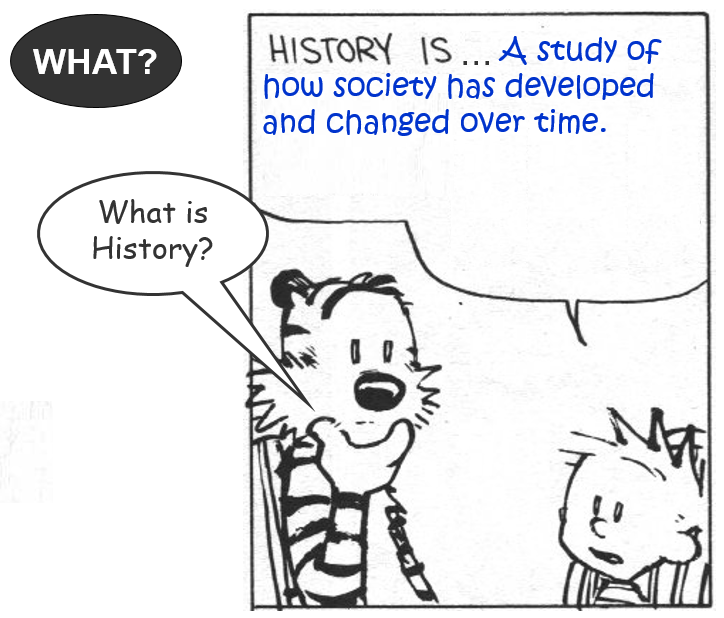

Society = a group of people living at a certain time, interacting with each other and sharing the same environment – in simple terms: “the people living on this earth”…
4.
Why do we study History?

Why History? (2:28 minutes long)
Why Do We Study History? (4:05 minutes long)
“We can learn how people in the past worked for the benefit of people in the future.”
History is a story. We are part of the story. We need to know out story…
WHY do we study History?
- History has interesting stories.
- There are also other benefits…
5.
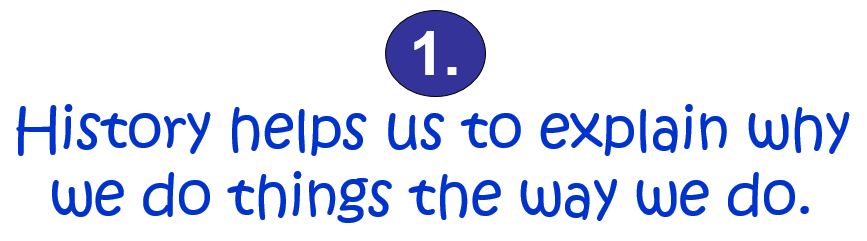
Let’s look at the benefits of studying History:

“Sleep tight” means “sleep well”. This expression has an interesting history: During Shakespeare’s time, mattresses rested on bed frames with a mat-surface made with ropes. In order to make the bed firmer, one had to pull the ropes to tighten the mattress. If the ropes were not tight, the mattress would sag in the middle and one would not sleep very comfortably…
Here is another example:
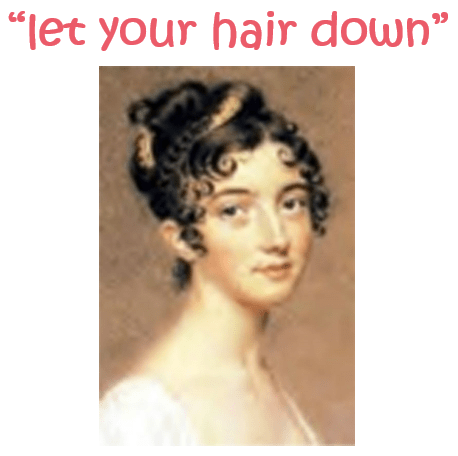

“Let your hair down” means “to relax or be at ease”. This expressions also has a historical origin: Parisian nobles appeared in public with an elaborate hairdo. Some of the more intricate styles required hours of work. So, of course it was a relaxing ritual for the aristocrats to come home at the end of a long day and let their hair down.

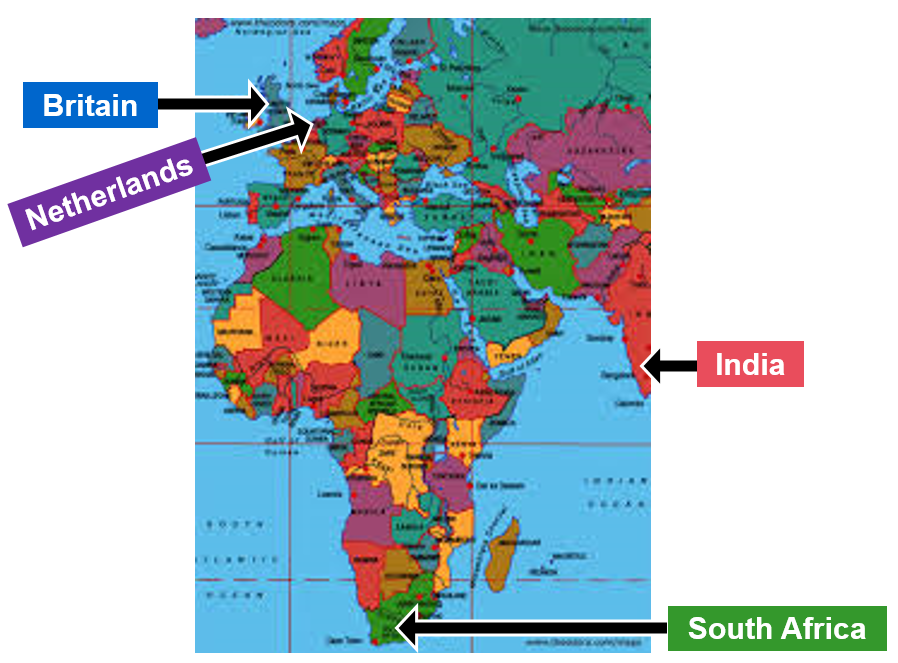
For example, there are Europeans living in Southern Africa because of colonization. In the 1600’s the Dutch traded with India by sailing around Africa to the east. The set up a halfway post at the tip of Africa to get fresh supplies for their sailors. These Dutch settlers are my ancestors! (That is also why I speak a language that is very similar to Dutch, called Afrikaans.) Today, some people in South Africa speak Afrikaans and some speak English. That is because the Dutch and the English were fighting in a war in the 1800’s and the English then took over the Dutch colony in Southern Africa.

Here are a few examples:
Animated History of Coca-cola. (5:31 minutes long)
The History of Football. (2:00 minutes long)



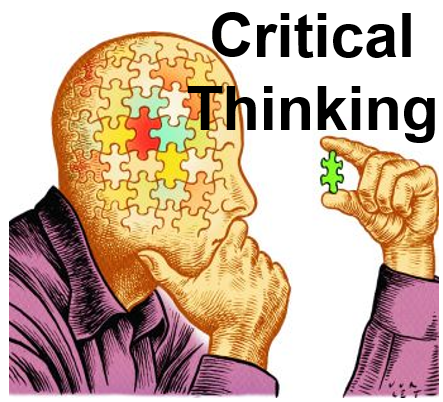
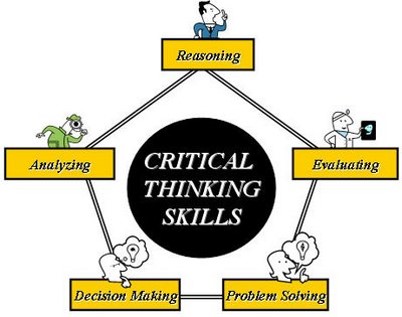
And also analyse skills and synthesize skills…
6.
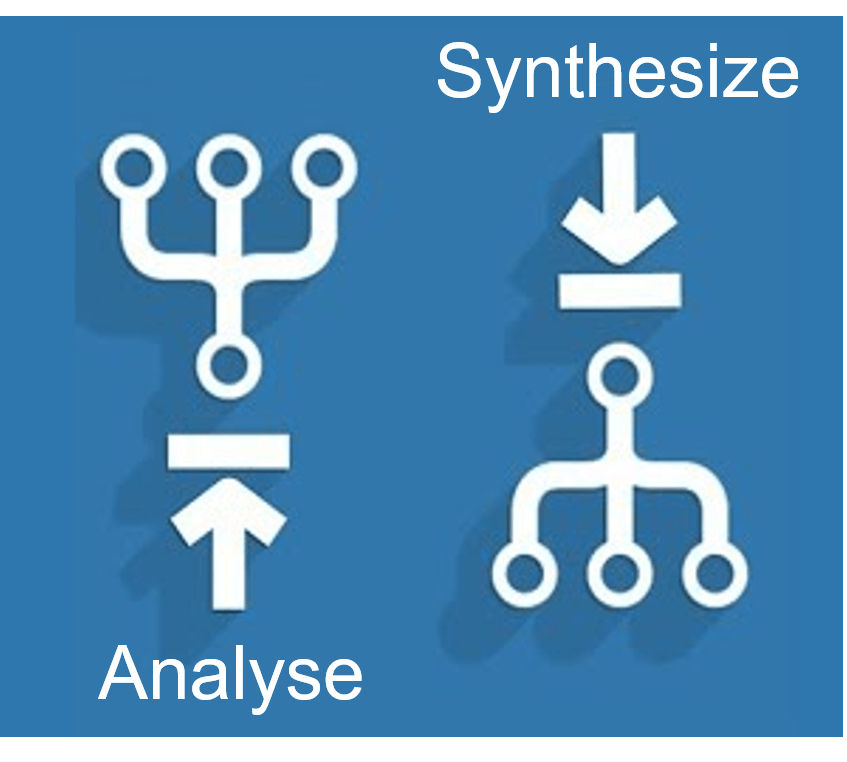
Let’s look at the skills of analyse and synthesize in a bit more detail:
The Legend of the Teddy Bear. (1:57 minutes long)
7.
To analyse the information given in the above video, you need to separate it in the different parts of information given. For example:

Synthesize is the opposite… To synthesize the information given in the slides above, you need to put all the different bits of information together to form a single text (or in our example, a single video with all the information).
8.
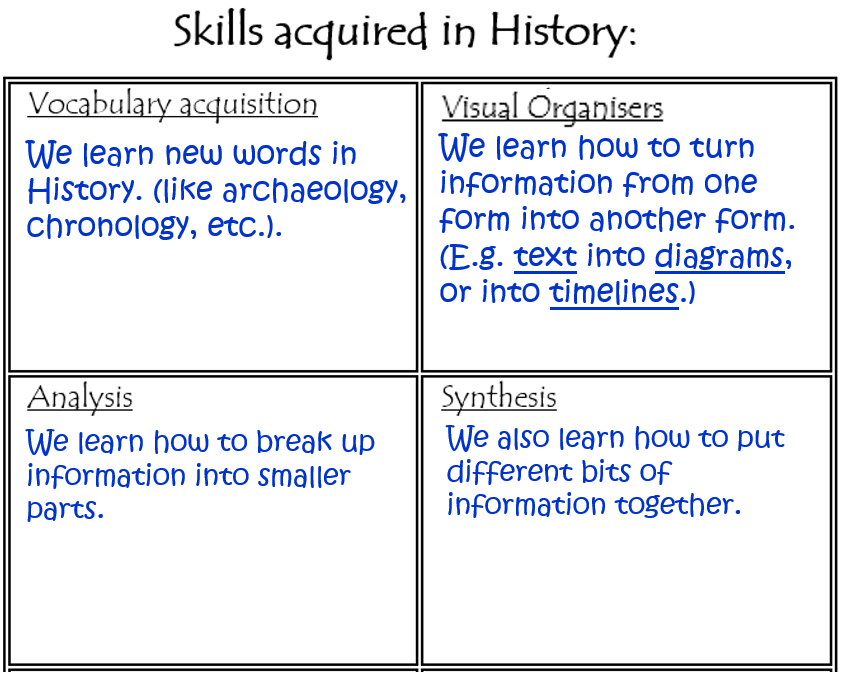
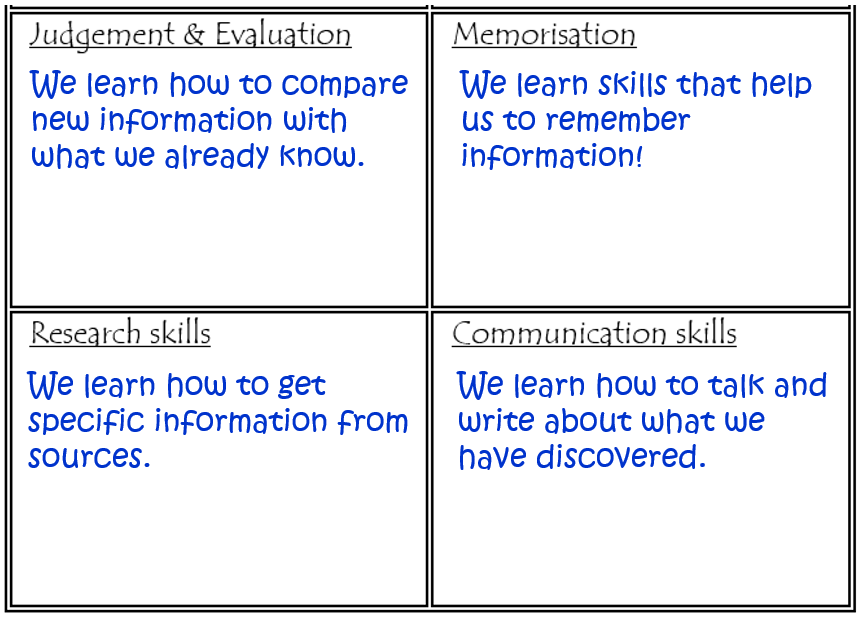
Carefully read the information in the table below to see which skills you will acquire by doing History as one of your school subjects.
9.
How do you study History? (4:44 minutes long)

(WordPress advertisements may appear below.)
 Best study methods