
Year 8A & Year 8B
Today you will continue to investigate Renaissance Art compared to Medieval Art…
Follow the instructions step by step:
1.

Task 4, p.6-7.
2.
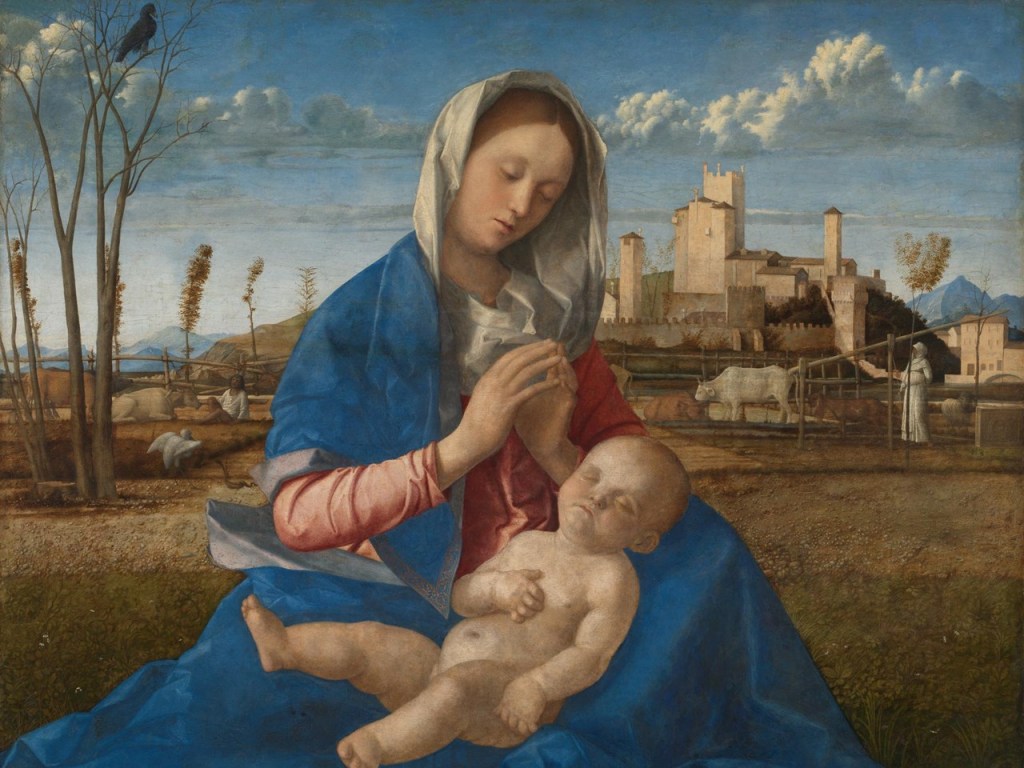
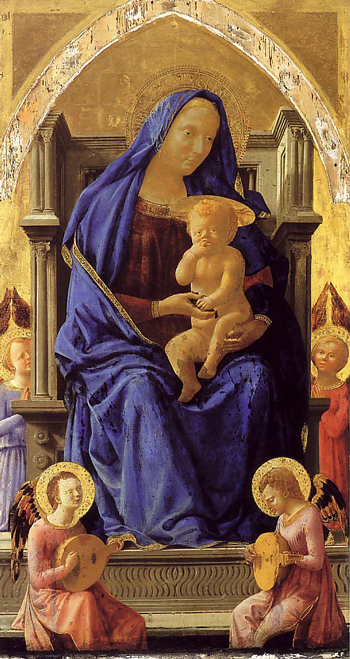
Now we are going to compare Medieval Art with Renaissance Art in a bit more detail. Look at the features of the Medieval Art and the Renaissance Art below:
Medieval Art
1.
This is a drawing of a foetus made in the Middle Ages.

2.
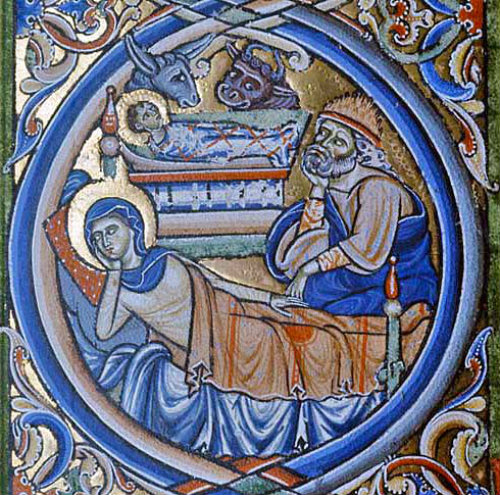
The Nativity of Christ from the Winchester Bible. This bible was made between 1150 and 1175 for the Winchester Cathedral. It is the largest surviving 12th-century English Bible.
3.
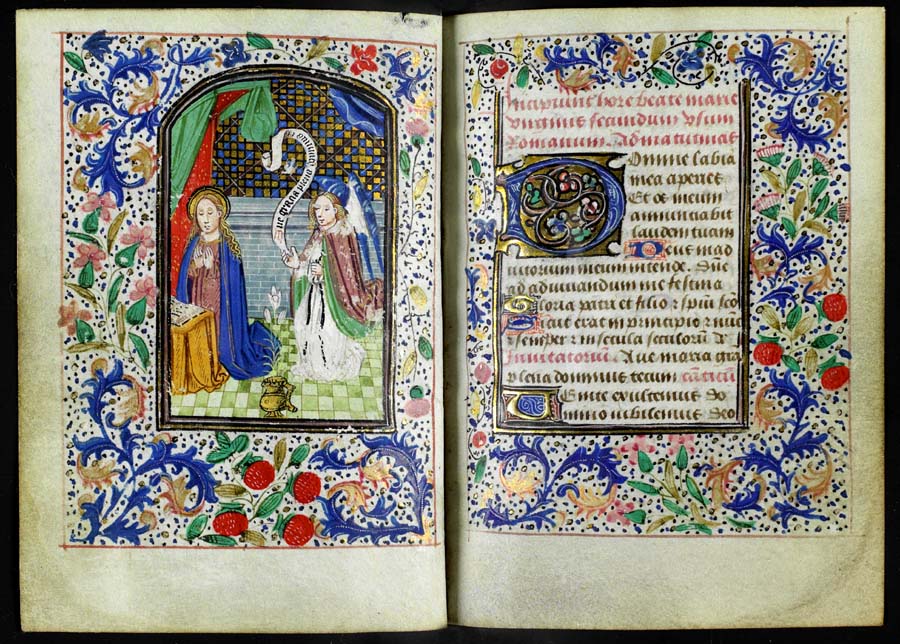
A handwritten Medieval Book of Hours. The book of hours is a Christian devotional book popular in the Middle Ages.
4.
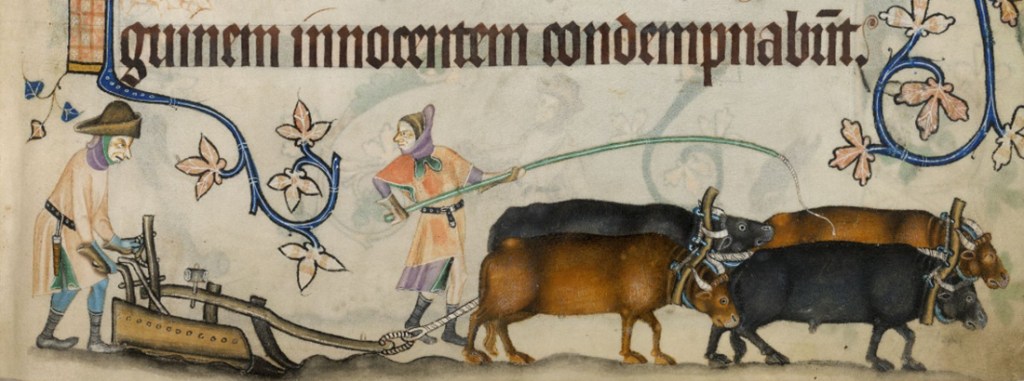
Even paintings that showed Secular (non-religious) subjects often had a religious purpose. This everyday farming scene was painted to decorate a Medieval prayer book.
5.
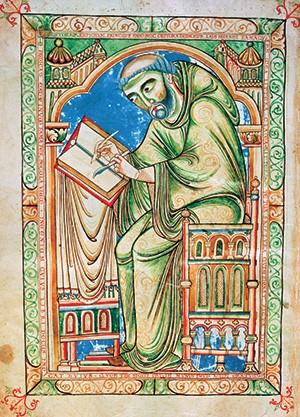
A monk producing a handwritten book. All books were copied by hand in the Middle Ages.
6.
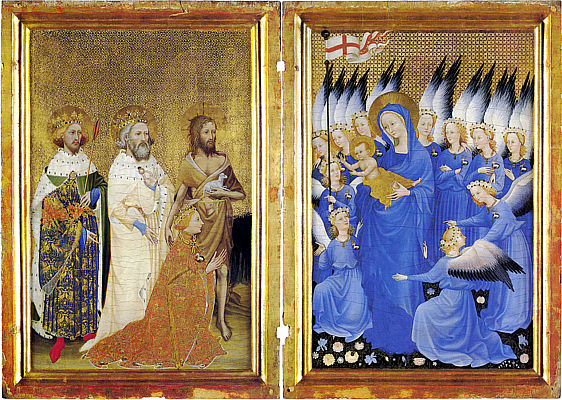
The Wilton Diptych. This is one of the most highly valued Medieval paintings today. It is a small portable diptych (a painting, especially an altarpiece, on two hinged wooden panels which may be closed like a book). The diptych was painted for King Richard II of England, who is depicted kneeling before the Virgin and Child.
Renaissance Art
1.
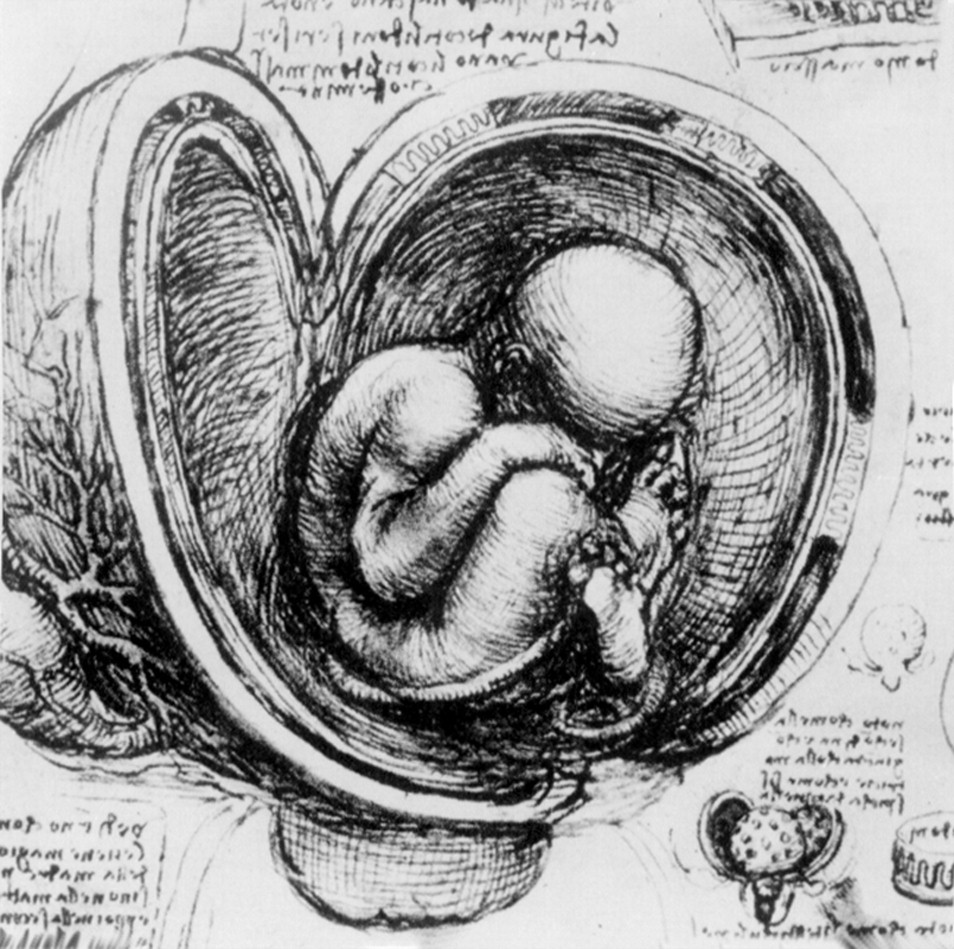
A drawing of a foetus, made by Leonardo da Vinci in 1510. It is remarkable and was not improved for more than two centuries.
2.
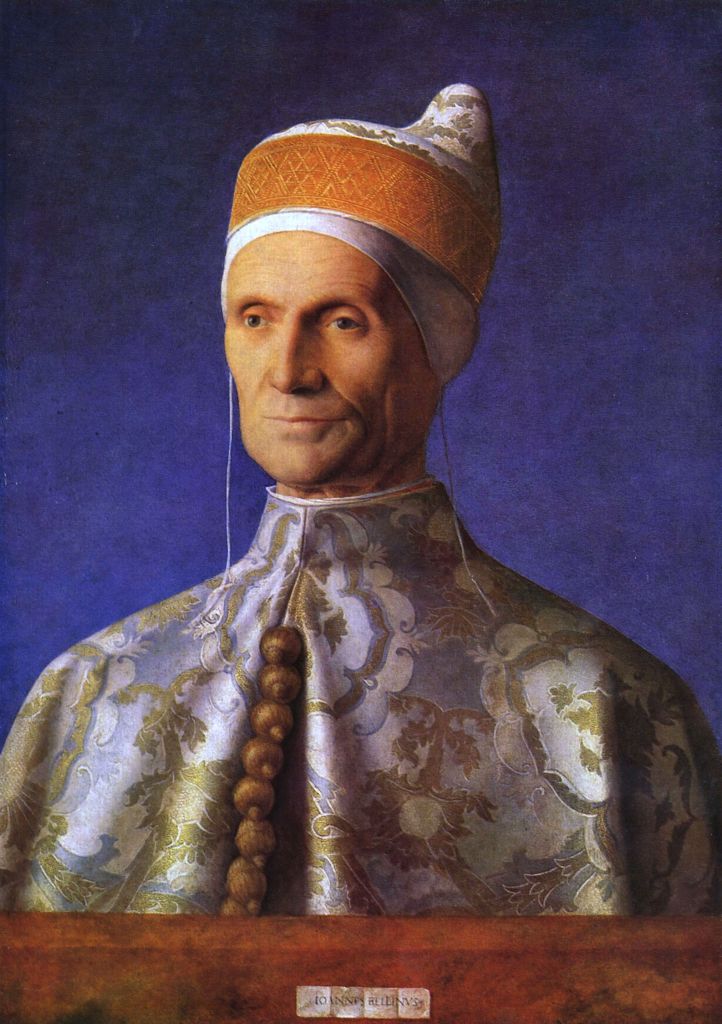
The Doge Leonardo Loredan by Giovanni Bellini. (A doge was an elected lord or chief of state in several Italian city-states.)
3.
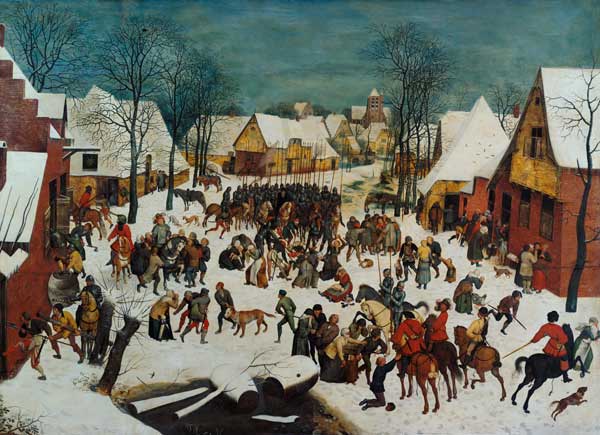
The Massacre of the Innocents by Pieter Breugel the Elder. It shows an event described in the Bible. When Jesus Christ was born, King Herod the Great, king of Judea felt so threatened by the birth of a new king that he ordered the execution of all male children two years old and under in the vicinity of Bethlehem.
4.
The Madonna of the Meadow, painted in Italy by Giovanni Bellini.
5.
The Virgin and Child, painted in Italy by Masaccio.
6.
Georg Gisze by Hans Holbien the Younger. Gisze was a prominent merchant in London.)

3.
Make a comparison by using the table to show how Medieval Art differs from Renaissance Art.

p.14
(Use the table to compare Medieval Art with Renaissance Art. You have to fill in the missing information on the table, using the various sources, above, of Medieval and Renaissance paintings and drawings.)
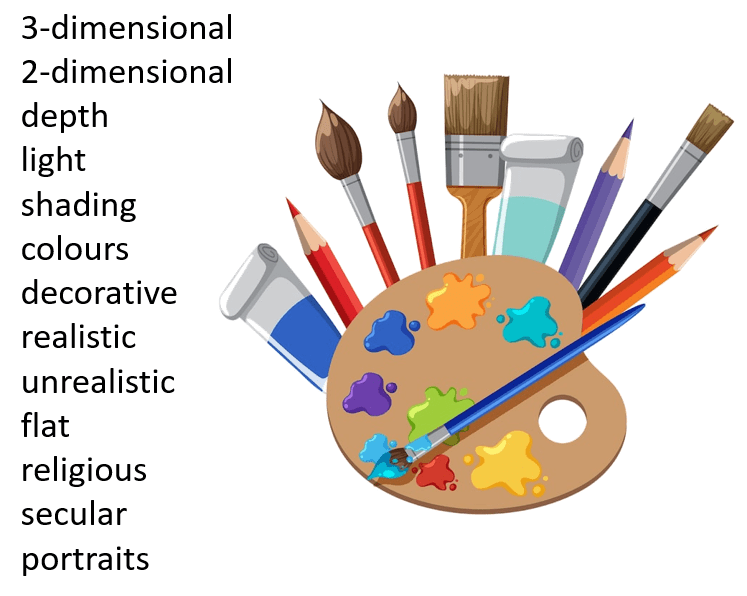
Here is useful vocabulary to use in your analysis:
4.
If you are still not sure, watch this informing video on how to recognize Renaissance Art.

How to recognize Italian Renaissance art. (10:09 minutes long)
5.

If you have time left in the lesson (and if you are really into art!), you can also watch this video-lecture…
Artists of the Renaissance. (18:11 minutes long)

(WordPress advertisements may appear below.)
 Best study methods