
Year 8A & Year 8B
Today you are going to watch the final “episode” of the film about the real Cinderella…
Follow the instructions step by step:
1.
Here is a reminder of the events in the previous episode:
Danielle and the prince were attacked by the gypsies and then joined their camp for a party. The next day, Danielle attacked Marguerite because she stole Danielle’s late mother’s dress and shoes for the ball. Marguerite forced Danielle to surrender her mother’s glass slippers, and also burnt Danielle’s precious book! Moreover, Rodmilla had Danielle whipped. Fortunately, Jacqueline tended to Danielle’s wounds.
Later, everyone excepts Danielle got ready for the ball. This is because Danielle was locked in the pantry as she refused to tell Rodmilla and Marguerite where she had hidden the gown and shoes. Fortunately, Leonardo freed Danielle and made her a pair of wings to wear, with her mother’s dress and slippers, to the ball. There, Danielle tried again to tell Henry the truth, but Rodmilla exposed her fraud and Henry rejected her. Humiliated, Danielle ran away, leaving a slipper behind…
2.
Here are a few interesting bits of information about the film:
Trivia (from Part 3)
-1-
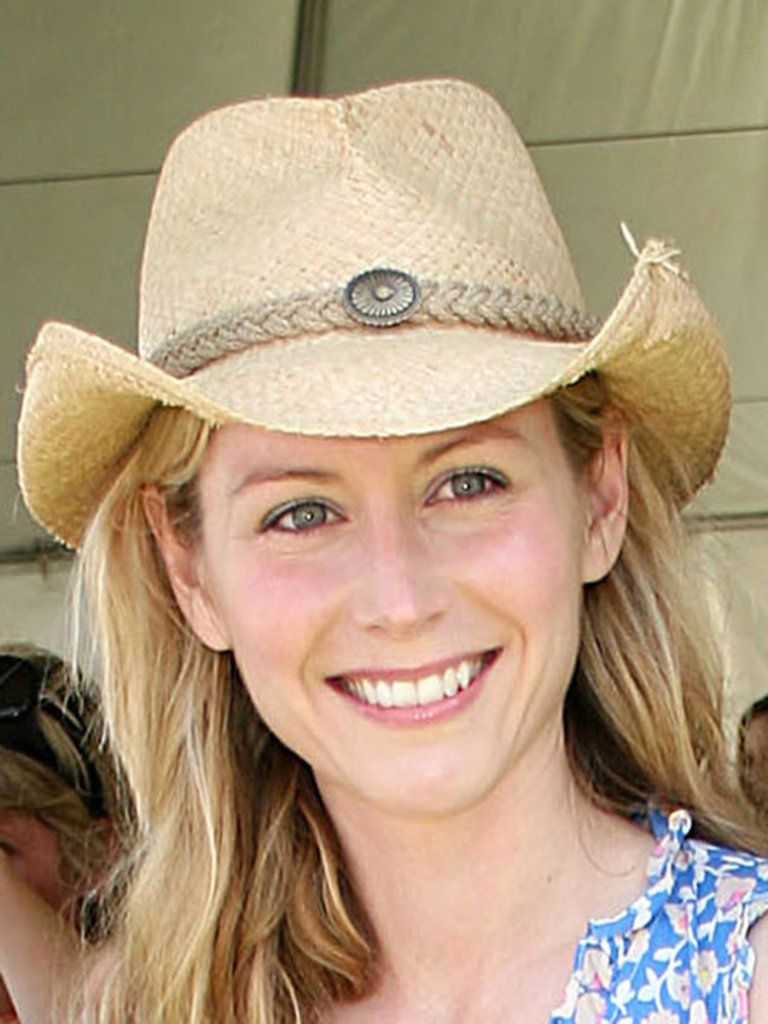
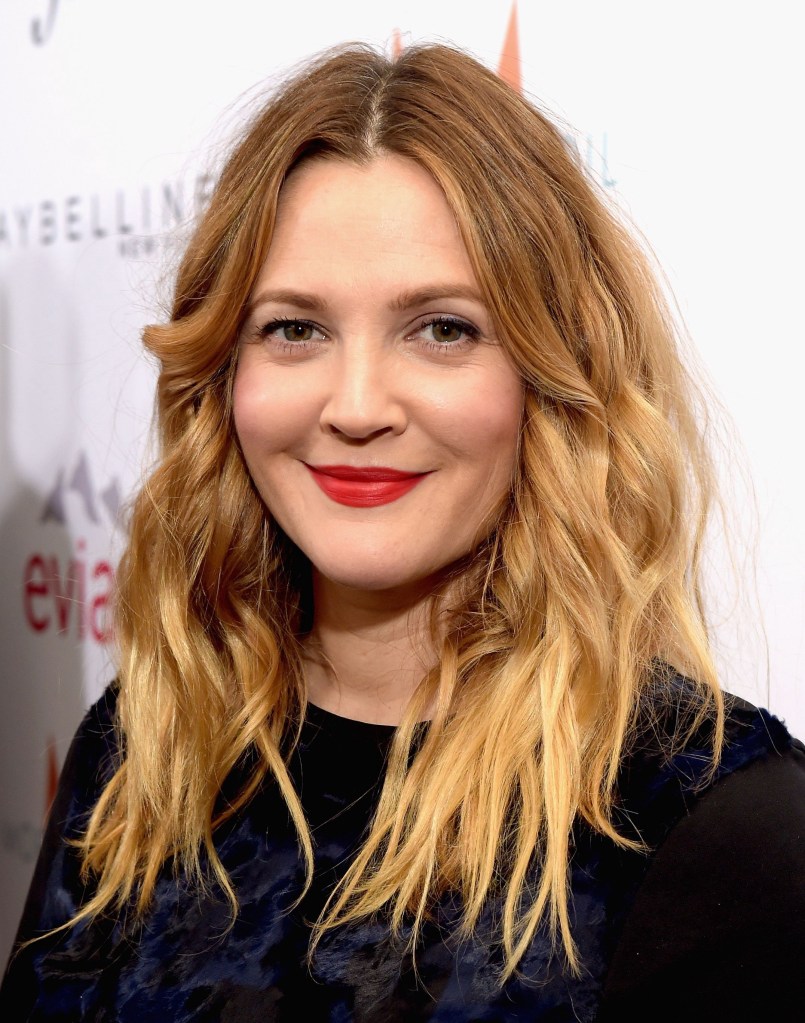
Despite being stepsisters of the same ages as adults in this movie, this is untrue for Danielle and Marguerite in real life. In fact, in real life Megan Dodds who plays Marguerite is 5 years and 7 days older then her co-star, Drew Barrymore, who plays Danielle.
3.
Here are a few interesting factual errors…
Goofs
-1-
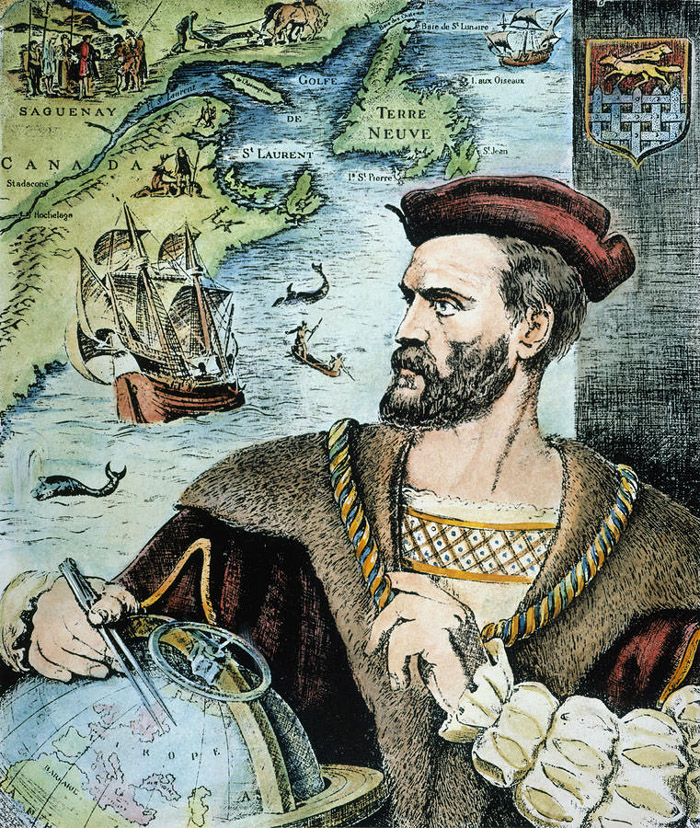
The ages of King Francis I and Prince Henry and references to Jacques Cartier’s voyages to America, set the movie in about 1540, when Prince Henry was 21. However, the movie also depicts Leonardo da Vinci coming to France at the invitation of King Francis. Da Vinci came to France in 1516 and died there in 1519, the same year Prince Henry was born, and 15 years before Cartier first sailed to North America.
-2-

The University of Paris, the first university in France, was fully established by 1200, not the late 1500s. (This building was designed in the 1700’s.)
-3-
King Francis is depicted as being elderly. However, he was only around 25 when Leonardo da Vinci passed away.
4.
Anachronisms
And a few interesting anachronisms…
-1-
All the shoes have a left foot and a right foot. That practice was invented by King George IV of England, who ruled from 1820 until 1830, much later than the movie is set.
-2-
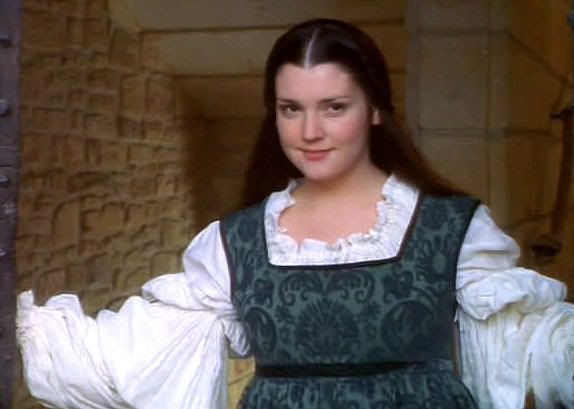
Throughout the film, Rodmilla mentions Jacqueline’s weight as if it is bad. However, in that time period, curvy women were considered more beautiful, as it showed they didn’t need to work.
-3-
Throughout the film, Leonardo da Vinci is referred to as “Signor da Vinci,” and “da Vinci.” While referring to the artist as “da Vinci” has become acceptable in modern vernacular, the term means “From Vinci,” and is not a surname. Da Vinci would not have been used alone to refer to Leonardo during his lifetime; he would have been called simply “Leonardo” or “Leonardo da Vinci.”
5.
In the next part of the film (Episode IV) Henry resigns himself to marrying Gabriella, but realizes she also loves someone else… So, he searches for Danielle, but she is no longer at her father’s manor… Eventually he finds her and they all live happily ever after. Or do they?

Now, watch “Episode 4” by accessing it in Schoology Materials. (This final “episode” is 25:49 minutes long.)
- IMPORTANT: First make sure that you are logged into your School Gmail account.
- Then open Schoology to access the link to the film.
Remember to look out for anything that relates to what you have learnt about the Renaissance!
If, for some reason, it does not work, click on the square (at the top right) in the schoology page for “Episode 4” – then the video should work. It looks like this:

6.
Here are more interesting bits of information about the film:
Trivia (from Part 4)
-1-
Henry almost marries a Spanish Princess. The real life Prince Henry was related to the Spanish Royals as his step mother Eleanore (his mother Marie in the movie) was the granddaughter of Fernand and Isabella of Spain through her mother Joanna.
-2-
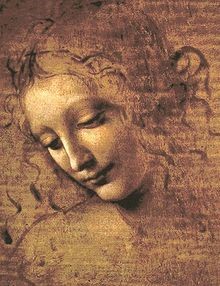
Danielle’s portrait, which Leonardo da Vinci paints in the film, is actually modeled after another da Vinci work, “La Scapigliata” (also known as “Testa di fanciulla detta la scapigliata”). In English the portrait is known as Head of a Woman.
It is an unfinished work by Leonardo da Vinci, dating from around 1508. Its Italian name, La Scapigliata, literally means “The lady of the dishevelled hair”. It is therefore fitting that this painting is the “portrait” of the fierce, adventurous Danielle.
-3-

In the original Grimm version, the stepmother/daughter had their eyes pecked out by birds. In this version stepmother/daughter are forced to work in a laundry type of place. Usually these places use lye as soap and after prolonged use, would cause blindness in the laundresses.
7.
And a few interesting factual errors…
Goofs (from Part 4)
-1-
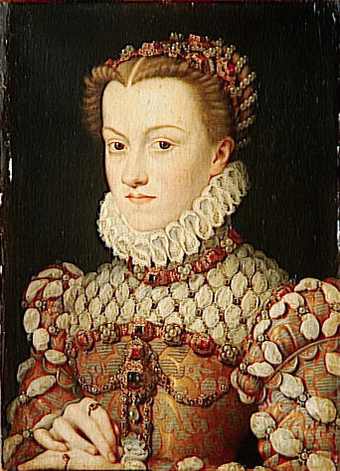
In the film, Prince Henry marries Danielle. In real life, he married Catherine de Medici of Italy, a noblewoman from Florence, in 1533. They were both 14, and had 10 children. Henry II also had 3 illegitimate children.

-2-
In real life, Henry II of France was the 2nd son of King Francis I. He became heir to the throne in 1536, when his older brother, Francis, died.
-3-
At the end the Grande Dame refers to her “great-great-grandmother’s portrait”. Given the approximately 250-year gap between Danielle and the Grande Dame, that comes out to about 62 years between generations. It’s barely possible, and highly unlikely, that there would be that few generations between them.
8.
Some great quotes from this film:
I kneel before you not as a prince, but as a man in love… But I would feel like a king if you… would be my wife.
henry
And we, princess, are supposed to live happily ever after.
henry
My great-great-grandmother’s portrait hung in the university up until the Revolution. By then, the truth of their romance had been reduced to a simple fairy tale. And, while Cinderella and her prince did live happily ever after, the point, gentlemen, is that they lived.
grand dame
9.
Now, complete the film review on Cinderella.

Also show how many stars you give this film, by coloring in the number of stars that you think the film deserves.
Here are some ideas for your film review:

- Say what you liked (and why).
- Say what you did not like (and why).
- Say if you learnt anything (and what).
- Would you recommend it to future students learning about the Renaissance?
10.
Renaissance references:
In the scene where Danielle is getting ready to dress up as a courtier for the first time, she is with Gustave and appears to be in his studio. On his easel you can see a painting of an older lady wearing the dress Danielle is about to put on as part of her guise. This would suggest that Danielle is “borrowing” this dress from Gustave’s rich patron.
What other Renaissance references can you point out…?
IDEAS:

- inventions (like kites and flying machines);
- improvements in paintings: realism;
- portrait paintings made for the rich;
- encouraged learning for all (the prince wanted to build a library for all to access);
- women learning: Danielle could read;
- spread of ideas by means of the printing press producing mass numbers of books
11.

“Ever After – a Cinderella story” – Historical context.
While the story is fictional, it involves several historical figures, places and events. The film is set in the 16th and 19th centuries and features the presences of Francis I, King Henry (later Henry II of France), Leonardo da Vinci, The Brothers Grimm, as well as allusions to the explorer Jacques Cartier, fairy tale collector Charles Perrault, the French colonies in the New World, and the French Revolution.
Though the main portion of the film takes place in early 1500s France, the royals shown are most likely not meant to be the historical figures for which they are named. King Francis I summoned Leonardo da Vinci to his court around 1516, 3 years before King Henry II was born; neither of King Francis I’s wives were named Marie (the first was named Claude and the second Eleanor).
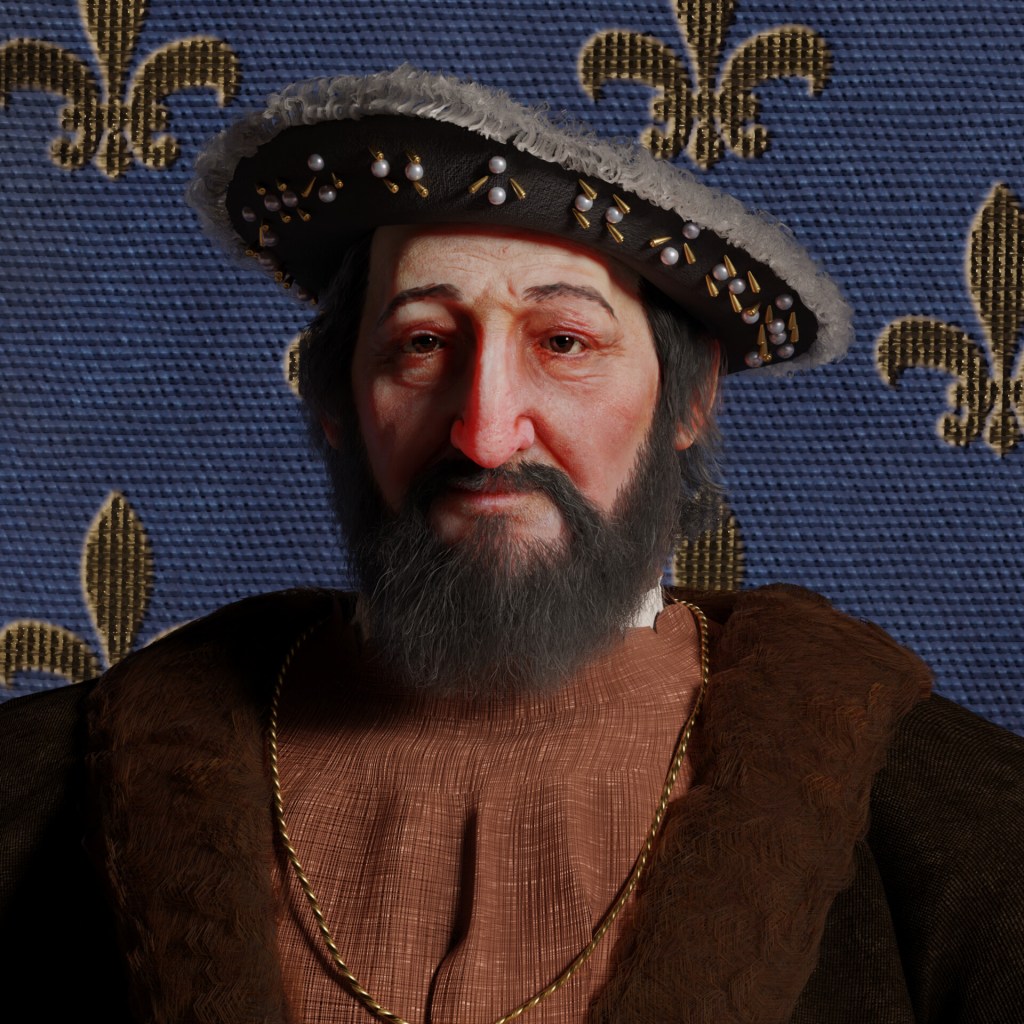
(Taken from 3d character artist Curtis Durane’s website: https://curtisdurane.artstation.com/projects/Ka9nlB)
King Henry II was married to Catherine de’ Medici at the age of 14, and had no known children with Diane de Poitiers, a French noblewoman of great influence and the historical figure most likely represented by Danielle. The characters are not meant to be historically accurate figures themselves, but perhaps instead to inspire curiosity about their historical counterparts.

(WordPress advertisements may appear below.)
 Best study methods