
Year 7A & Year 7B
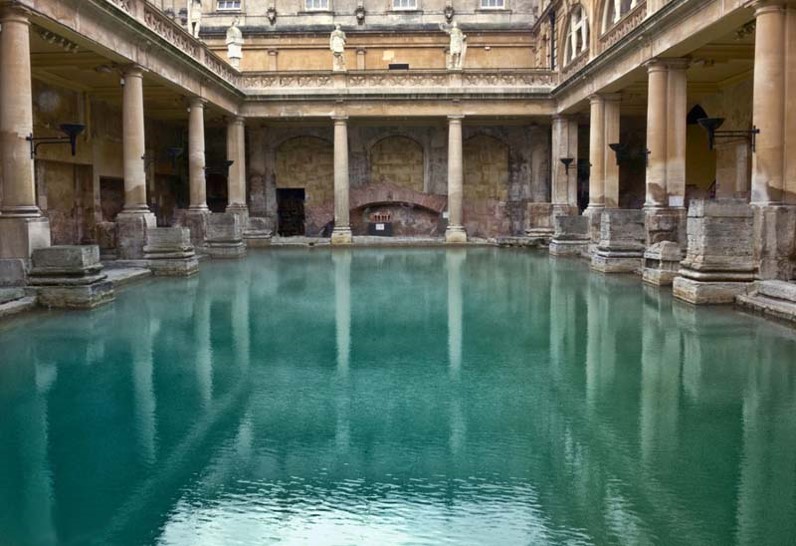
Today you are going to mark some work and also look at the Roman Baths in more detail…
Follow the instructions step by step:
1.

Task 3 on p.26-27.
2.

Mark the following task with a pencil, even though I have marked some of the answers for grading: “Roman Living, p.31”.
3.
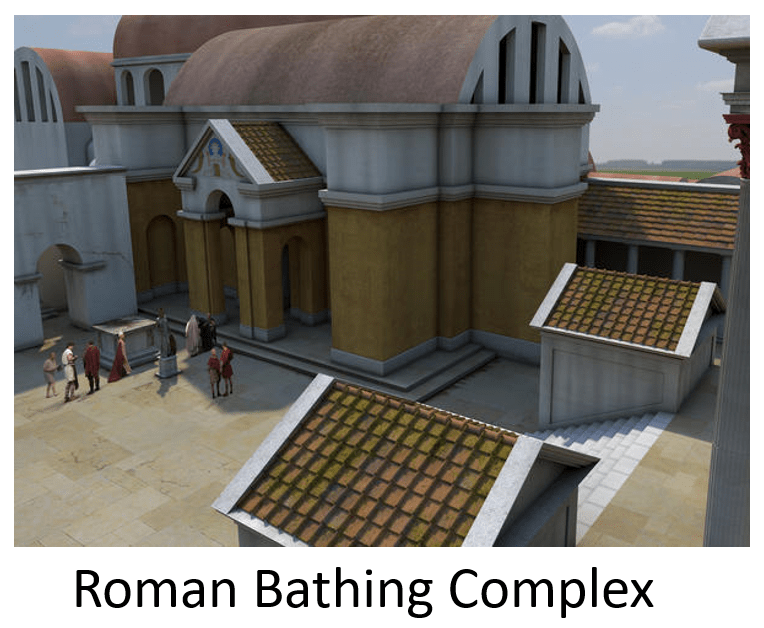
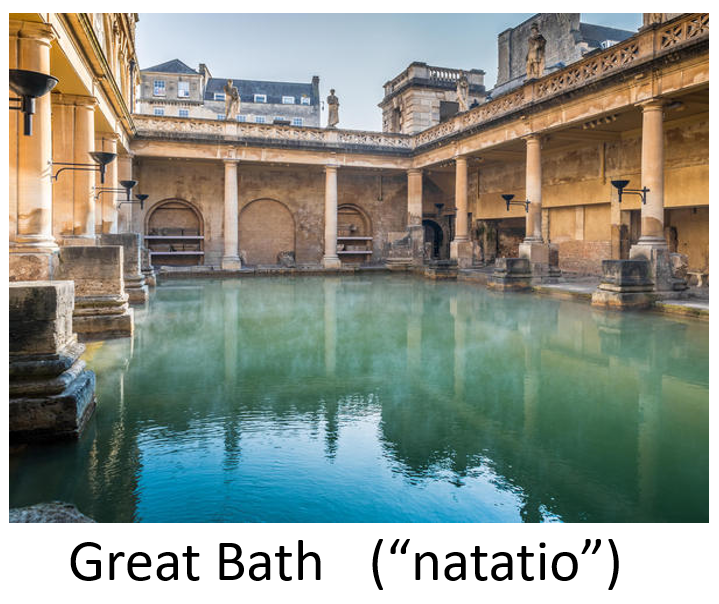
Most towns had a bath complex that looked more or less like the ones below:

5.
Watch the video below. It shows you how Romans used a bathing complex.
Roman Baths. (1:21 minutes long)
4.

p.24-25
It tells you about Roman Towns, Amphitheaters, Roman Writing, and Roman Baths.
5.

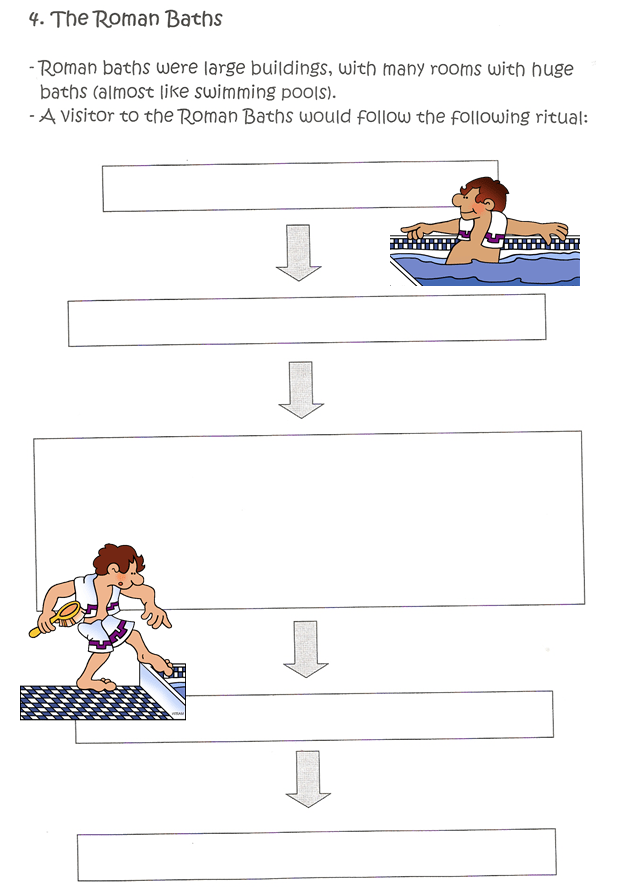
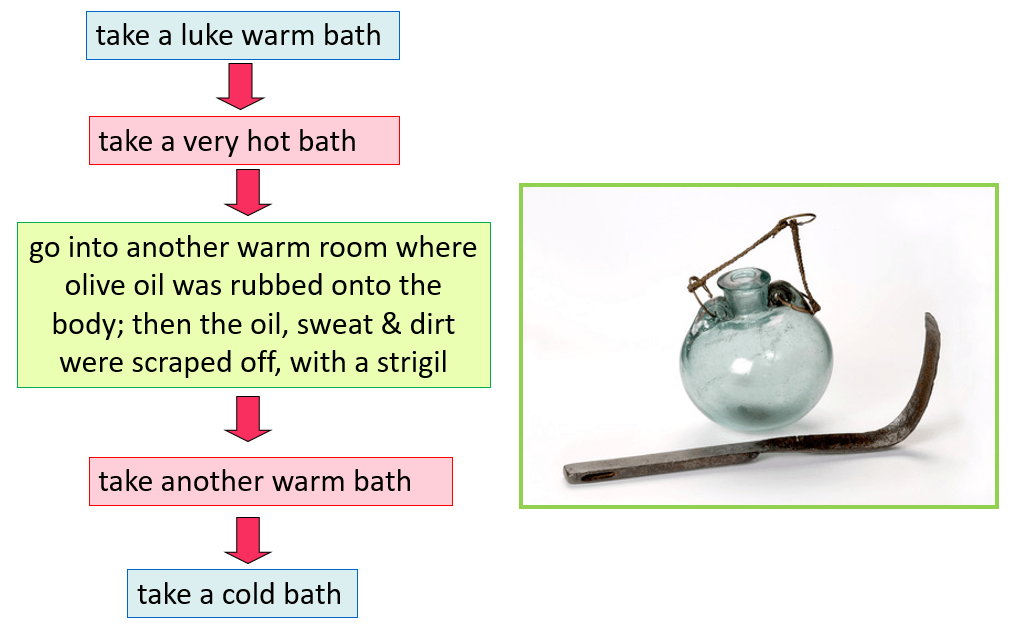
(You need to complete the missing information on the flow-chart, on p.25, to show how Romans used the Roman Baths.)
SOLUTION:

6.
Let’s see what else we can learn from the following videos about the Roman Baths…

Roman Baths – Hypocaust System. (3:49 minutes long)
Roman Baths. (3:16 minutes long)
7.

a) Read the article below about the “Roman Bathing Complex”. (Scroll down to find the article…)
OR:
b) Pretend you are a Roman visiting the baths. When you returned home you wrote about your day in your diary… Make the diary inscription that Historians (learning about Roman Baths) will discover hundreds of years later! (200 words long)

Roman Bathing Complex
In ancient Rome, the apodyterium was the primary entry in the public baths, comprising of a large changing room with cubicles or shelves where citizens could store clothing and other belongings while bathing.
The tepidarium was the warm (tepidus) bathroom of the Roman baths heated by a hypocaust or underfloor heating system. The specialty of a tepidarium is the pleasant feeling of constant radiant heat which directly affects the human body from the walls and floor.
A caldarium was a room with a hot plunge bath, used in a Roman bath complex. This was a very hot and steamy room, heated by a hypocaust, an underfloor heating system. This was the hottest room in the regular sequence of bathing rooms; after the caldarium, bathers would progress back through the tepidarium to the frigidarium. In the caldarium, there would be a bath (alveus) of hot water sunk into the floor and there was sometimes even a laconicum (calveus) — a hot, dry area for inducing sweating. The Romans would use olive oil to cleanse themselves, by applying it to their bodies and using a strigil to remove the excess. This was sometimes left on the floor for the slaves to pick up or put back in the pot for the women to use for their hair.
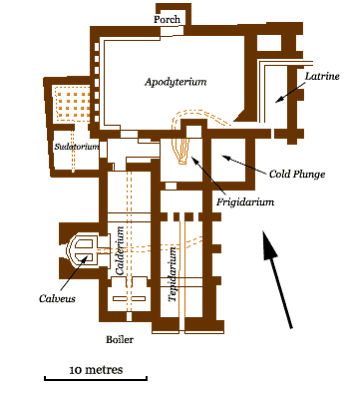
The sudatorium was a vaulted sweating-room (sudor, sweat) of the large Roman bathing complexes, or thermae. In order to obtain the great heat required, the whole wall was lined with vertical terra-cotta flue pipes of rectangular section, placed side by side, through which hot air and smoke from the suspensura passed to an exit in the roof.
A frigidarium was a large cold pool at the Roman baths. It would be entered after the caldarium and the tepidarium, which were used to open the pores of the skin. The cold water would close the pores. There would be a small pool of cold water or sometimes a large swimming pool (though this, differently from the piscina natatoria, was usually covered). The water could also be kept cold by using snow.

(WordPress advertisements may appear below.)
 Best study methods