
Today you are going to work on answering even more Paper 1 Exam Questions…!

We will use the following pages from your exam preparation Booklet:
- page 43
- page 44
1.
Page 43 – Question 5
20th CENTURY EUROPEAN HISTORY
The League of Nations’ ability to keep peace was seriously tested when Japan invaded Manchuria in the early 1930’s.
(a) Describe the successes of the League of Nations in peacekeeping in the 1920’s. [4]
(b) Explain how the Japanese invasion of Manchuria showed the weaknesses of the League. [6]
(c) Which was the more important cause of the failure of the League of Nations – the World Depression of the 1930’s or the invasion of Abyssinia? Explain your answer. [10]
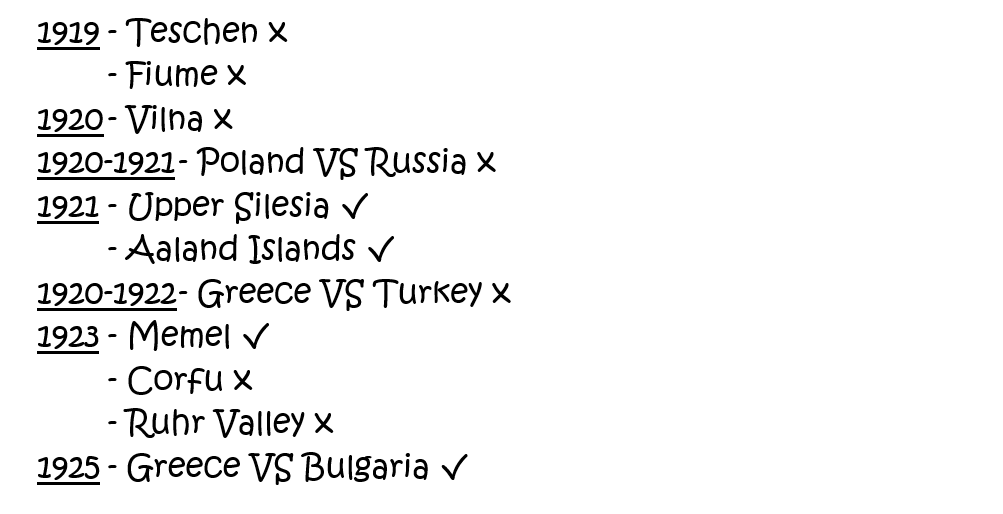
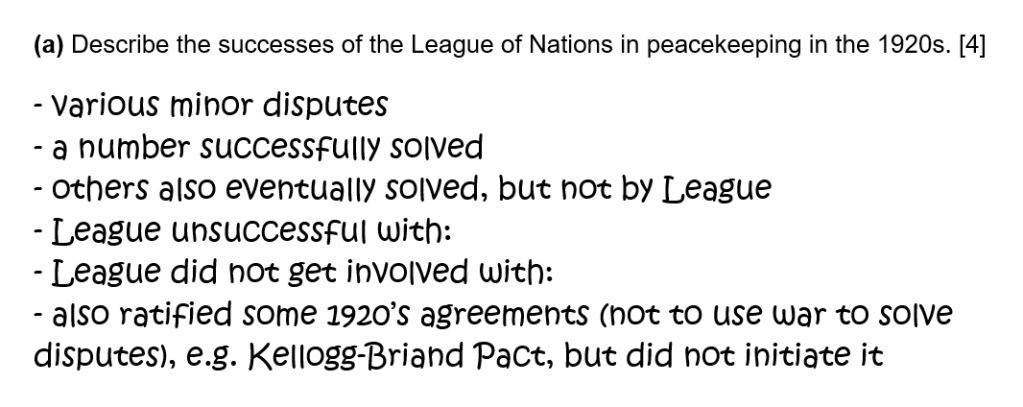
Question 5 (a)
(a) Describe the successes of the League of Nations in peacekeeping in the 1920s. [4]
Question 5 (b)
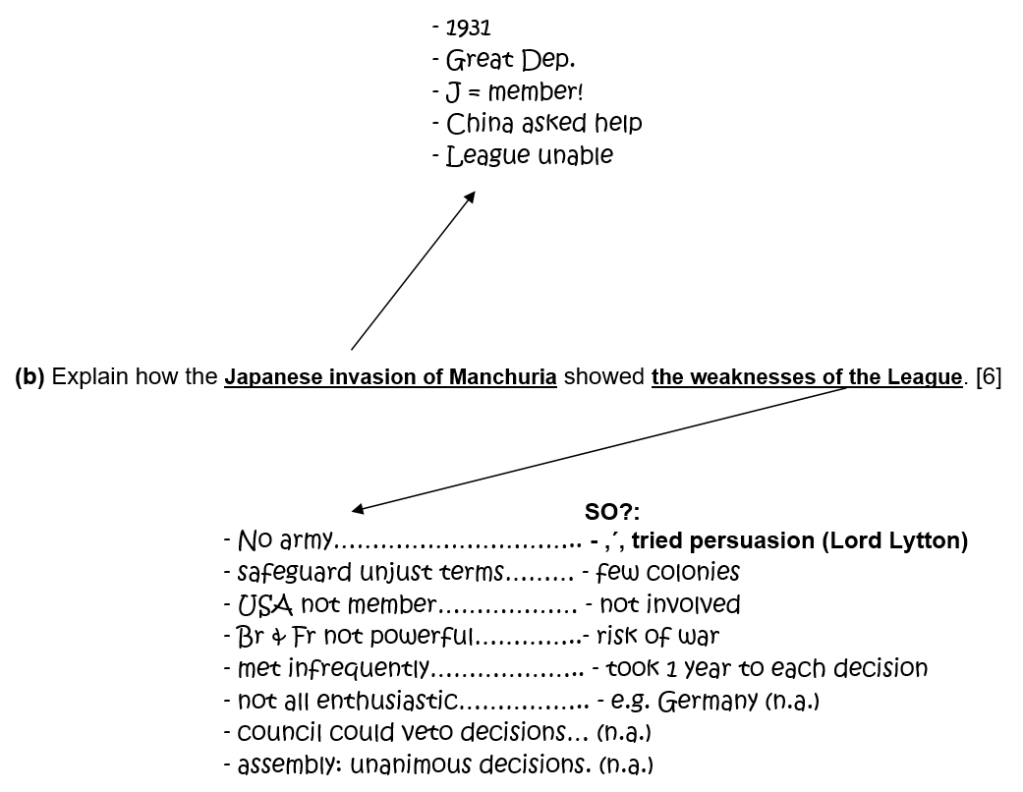
(b) Explain how the Japanese invasion of Manchuria showed the weaknesses of the League. [6]
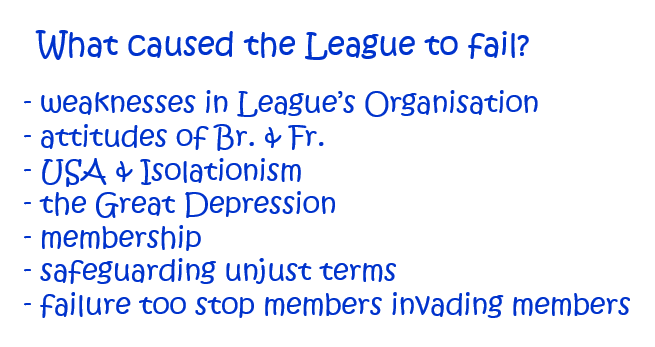
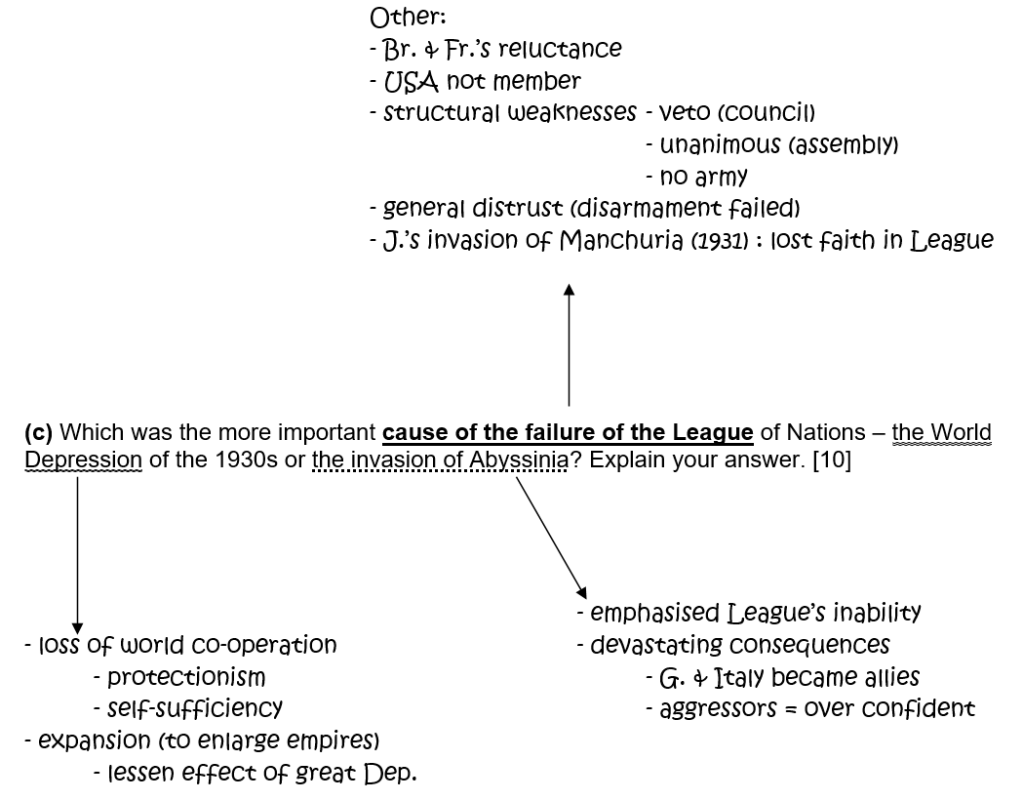
Question 5 (c)
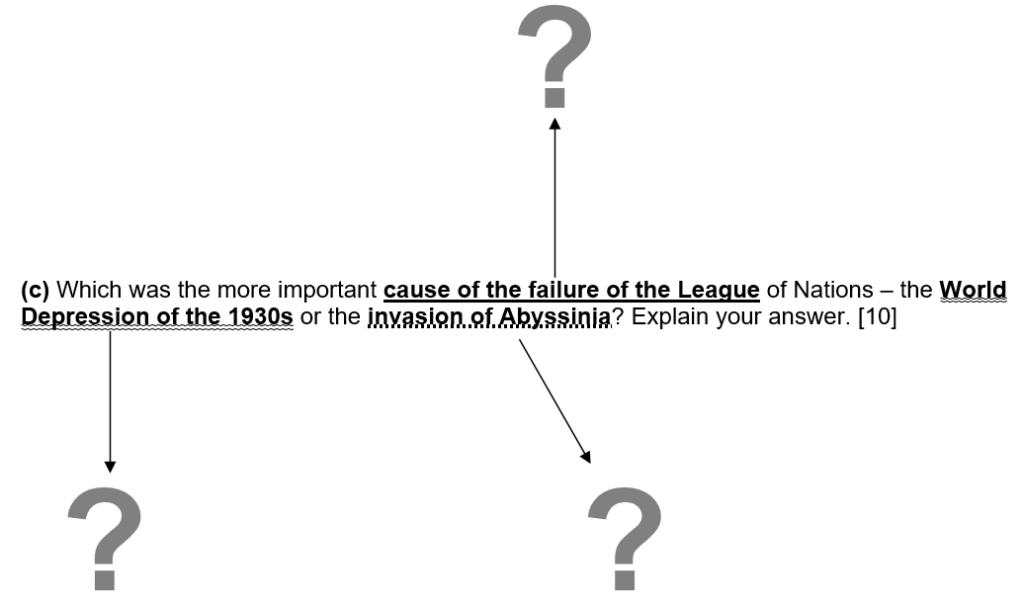
(c) Which was the more important cause of the failure of the League of Nations – the World Depression of the 1930s or the invasion of Abyssinia? Explain your answer. [10]
2.
Page 43 – Question 6
20th CENTURY EUROPEAN HISTORY
The relationship between the Soviet Union and Nazi Germany took an unexpected turn shortly before the outbreak of the Second World War.
(a) What was agreed at the Munich Conference of September 1938? [4]
(b) Why was the Nazi-Soviet Pact of August 1939 important? [6]
(c) How far was the Treaty of Versailles to blame for the outbreak of war in 1939? Explain your answer. [10]
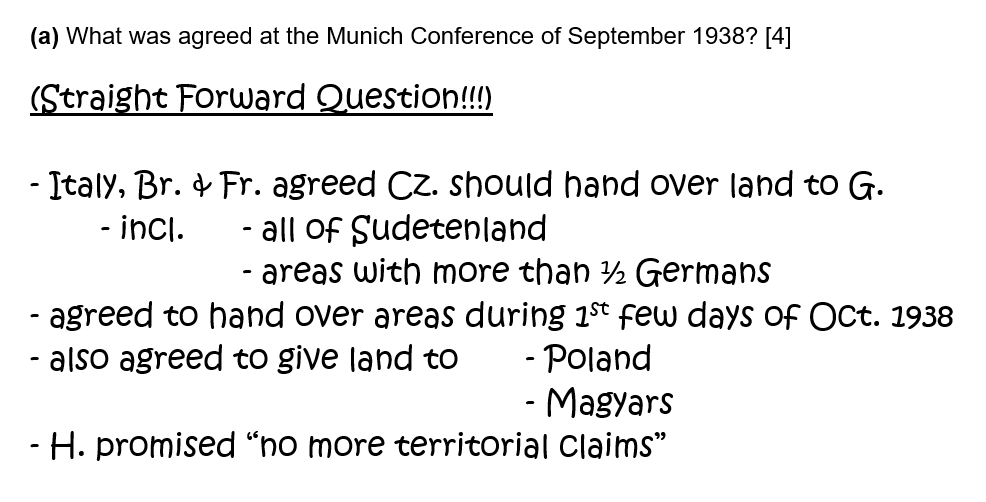
Question 6 (a)
(a) What was agreed at the Munich Conference of September 1938? [4]
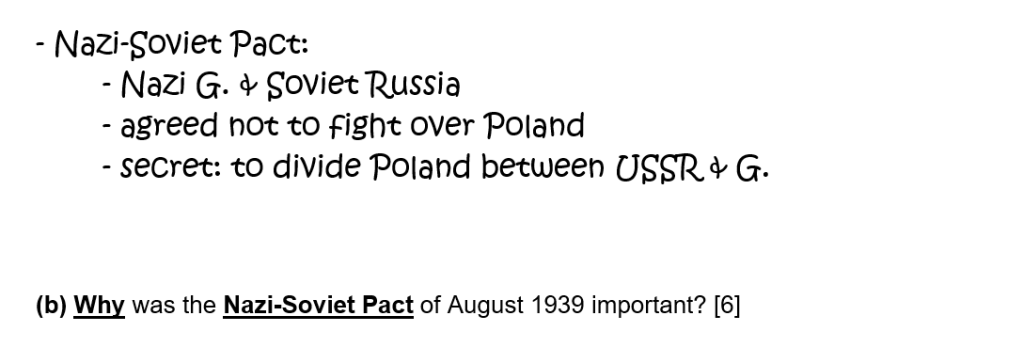
Question 6 (b)
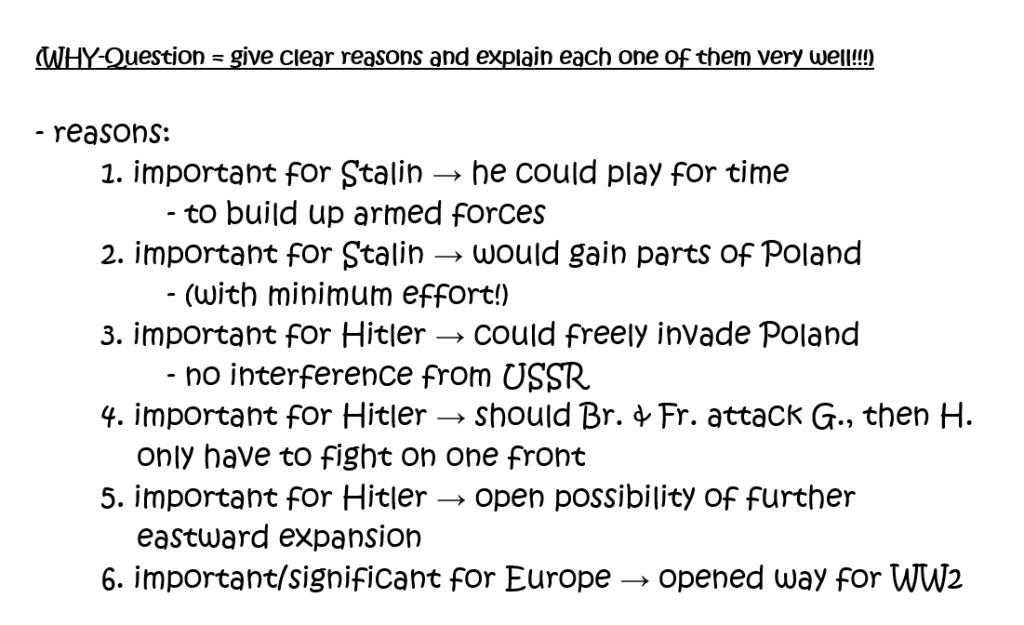
(b) Why was the Nazi-Soviet Pact of August 1939 important? [6]
Question 6 (c)
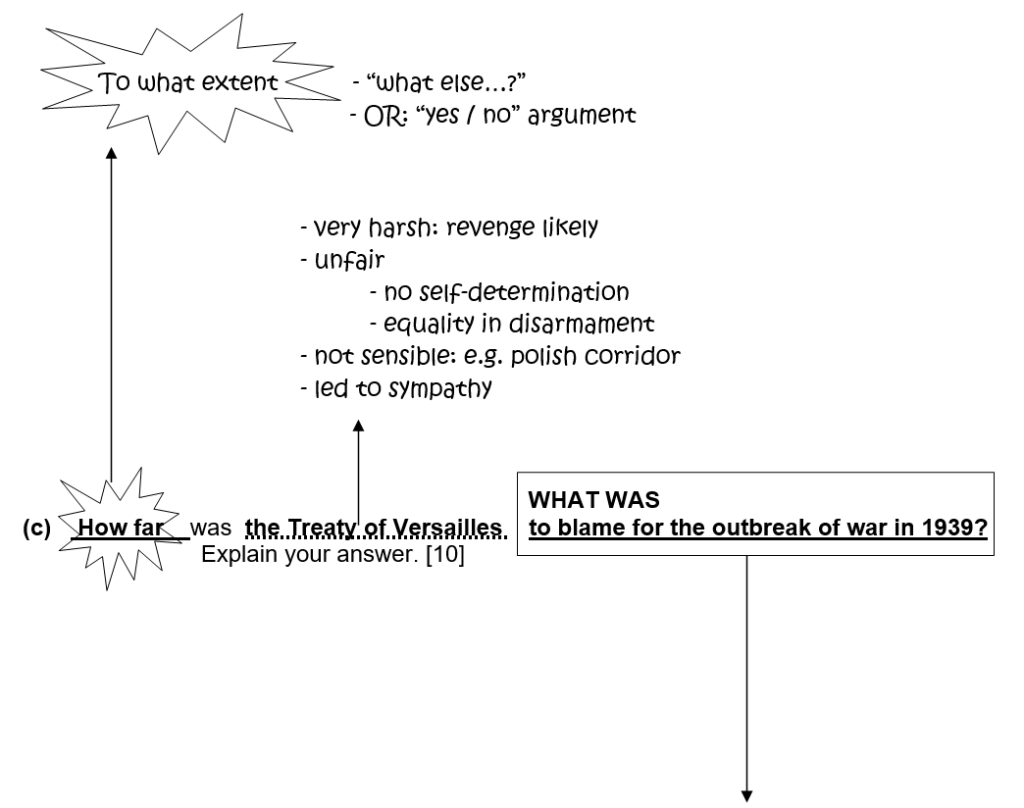
(c) How far was the Treaty of Versailles to blame for the outbreak of war in 1939? Explain your answer. [10]

3.
Page 44 – Question 11
DEPTH STUDY: RUSSIA, 1905-41
The Petrograd Soviet’s influence increased after Nicholas II abdicated in March 1917.
(a) What problems faced the Provisional Government in taking control of Russia after the Tsar’s abdication? [4]
(b) Why were the Bolsheviks able to seize power? [6]
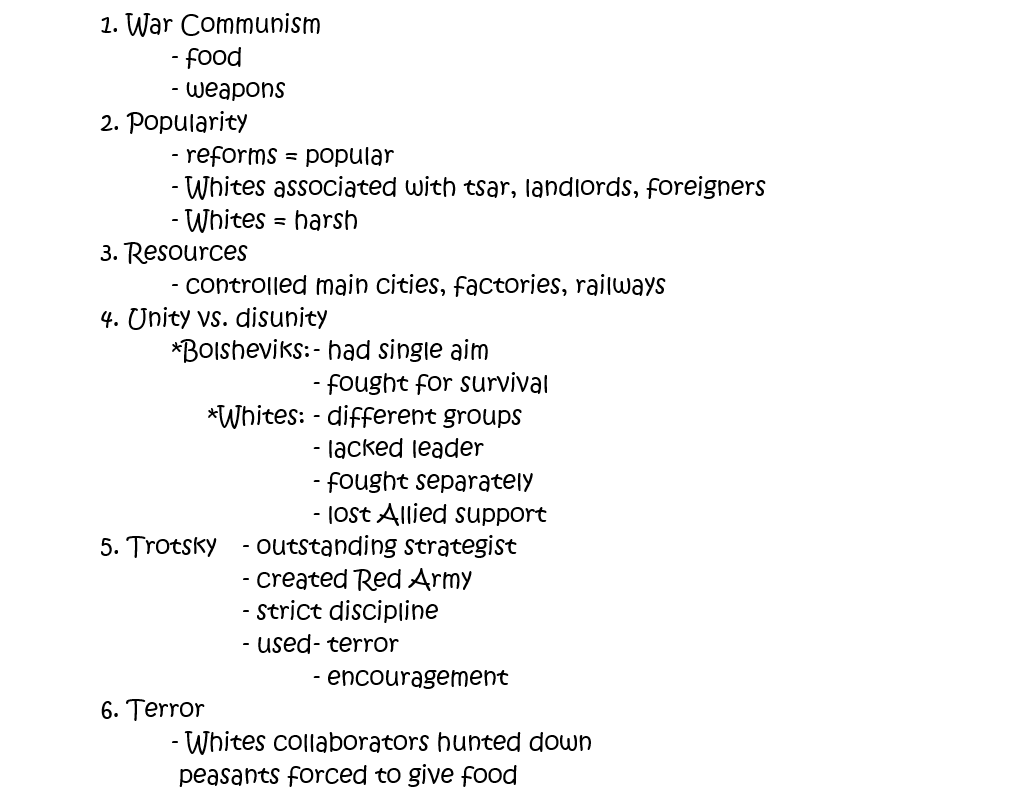
(c) ‘The Bolsheviks won the Civil War because of the War Communism policy.’ How far do you agree with this statement? Explain your answer. [10]
Question 11 (a)
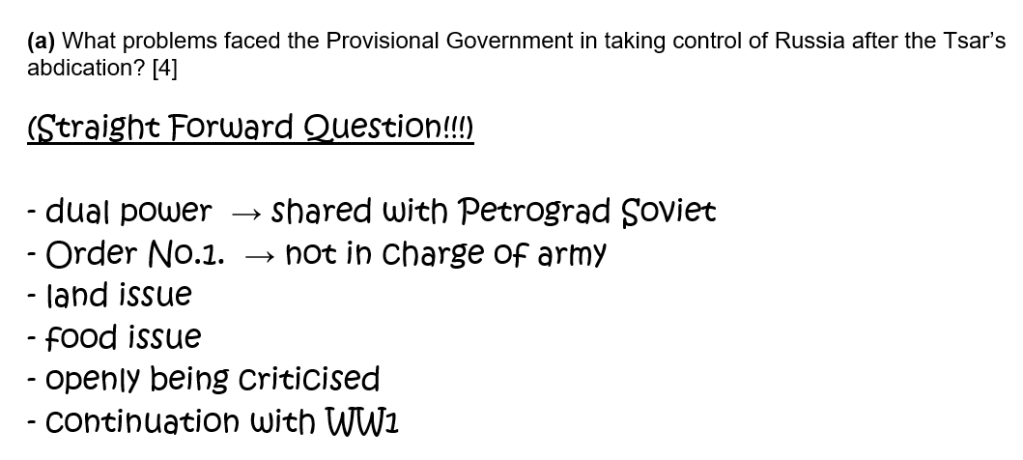
(a) What problems faced the Provisional Government in taking control of Russia after the Tsar’s abdication? [4]
Question 11 (b)
(b) Why were the Bolsheviks able to seize power? [6]

Question 11 (c)
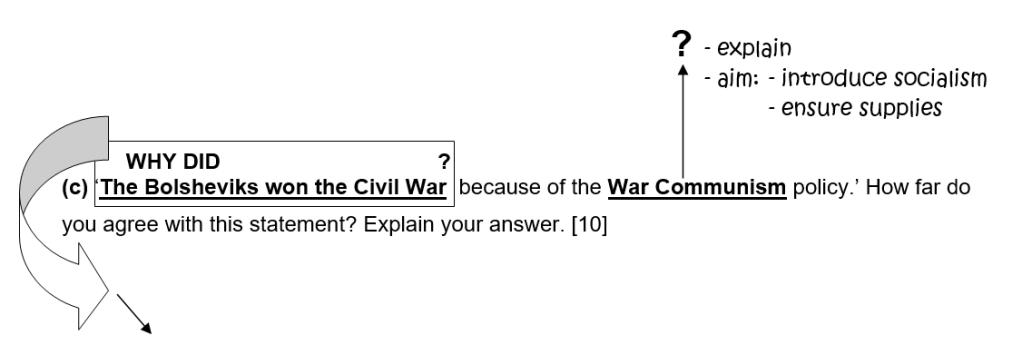
(c) ‘The Bolsheviks won the Civil War because of the War Communism policy.’ How far do you agree with this statement? Explain your answer. [10]
4.
Page 44 – Question 12
DEPTH STUDY: RUSSIA, 1905-41
Stalin set out to rapidly modernise the USSR by means of Collectivisation and Industrialisation.
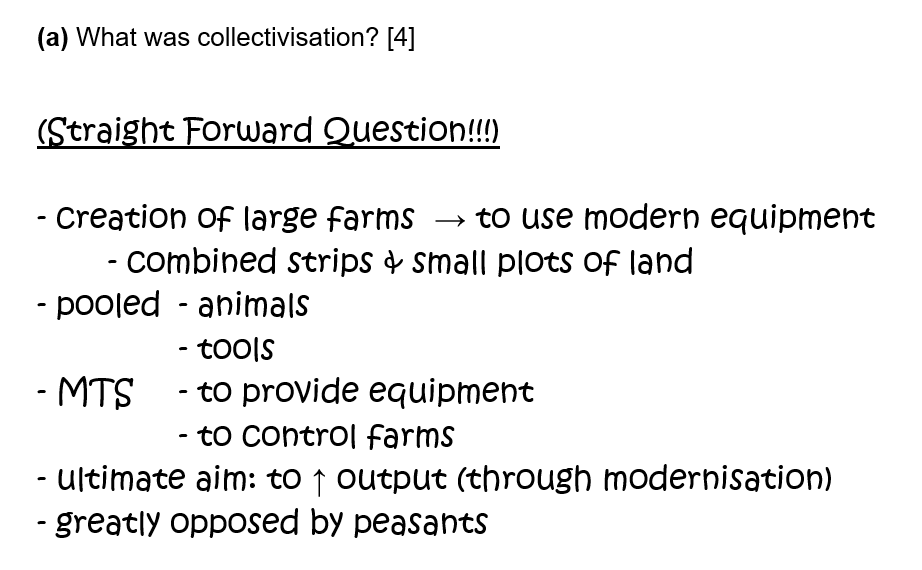
(a) What was collectivisation? [4]
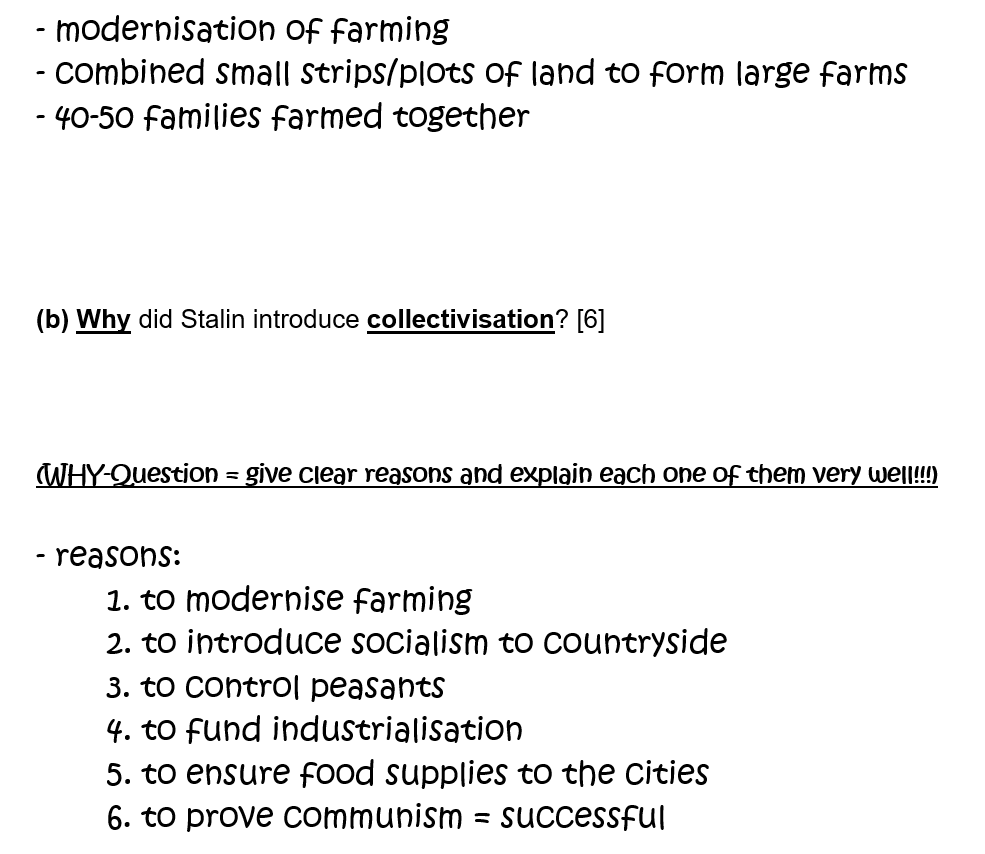
(b) Why did Stalin introduce collectivisation? [6]
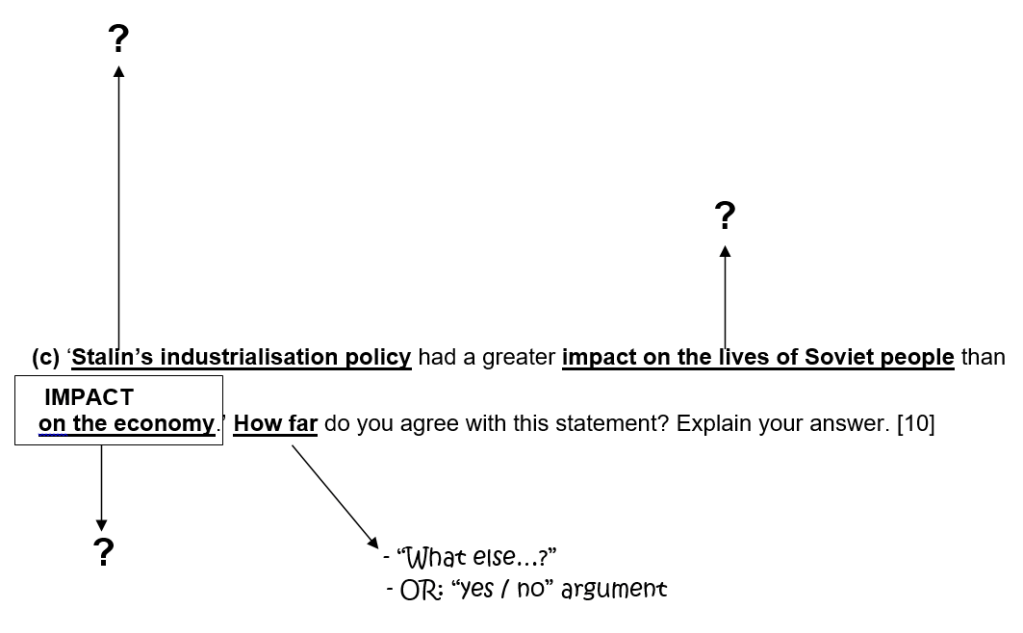
(c) ‘Stalin’s industrialisation policy had a greater impact on the lives of Soviet people than on the economy.’ How far do you agree with this statement? Explain your answer. [10]
Question 12 (a)
(a) What was collectivisation? [4]
Question 12 (b)
(b) Why did Stalin introduce collectivisation? [6]

(It was made by students and may shed further light on how to answer this exam question.)
Exam Q on Collectivization. (3:28 minutes long)
Question 12 (c)
(c) ‘Stalin’s industrialisation policy had a greater impact on the lives of Soviet people than on the economy.’ How far do you agree with this statement? Explain your answer. [10]
(WordPress advertisements may appear below.)
 Best study methods