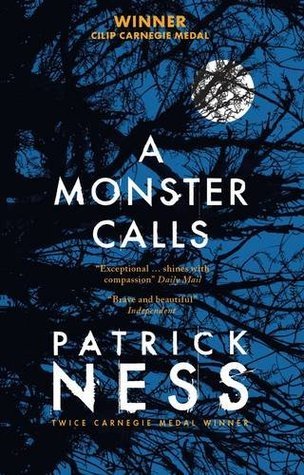
Today we are going to recap Chapter 9 of “A Monster Calls”.
- to explore Chapter 9 further
- to look at symbolism
- to look at allegory
1.
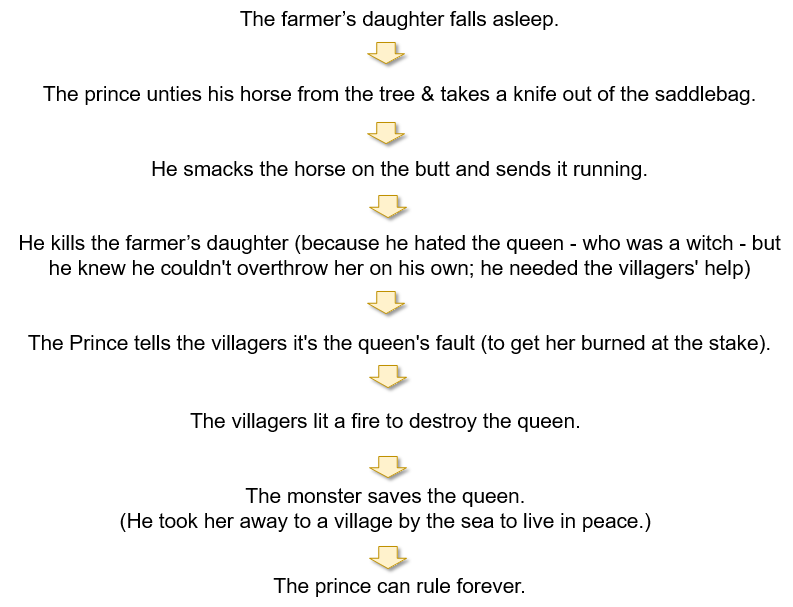
In Chapter 9 the Monster tells the rest of the First tale.


Now make your own “plot flow chart” to show what happened in Chapter 9.
SOLUTION

Here is a “plot flow chart” of what happened in Chapter 9:
2.
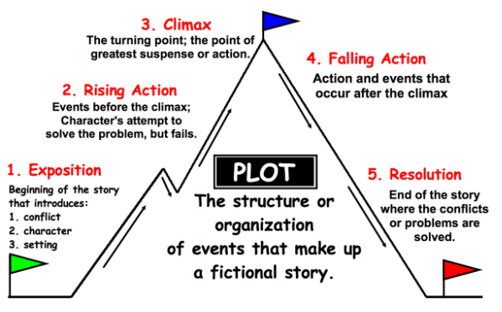
Remember, this is how one can display what is happening in a story:
In the First Tale, the dramatic arc will look like this:
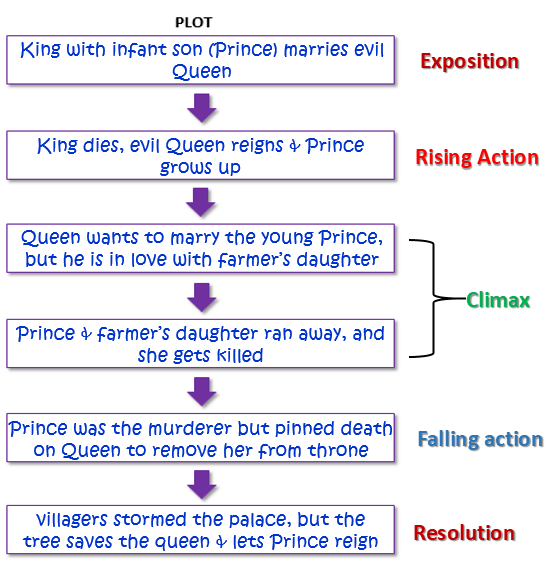
Make your own version of the flow chart above:
3.
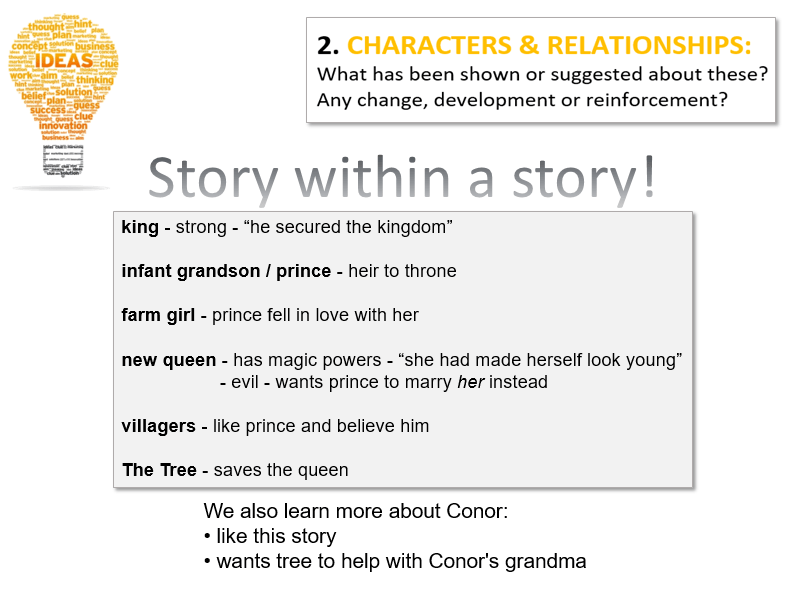
Chapter 9: We learn more about the Conor through the following:
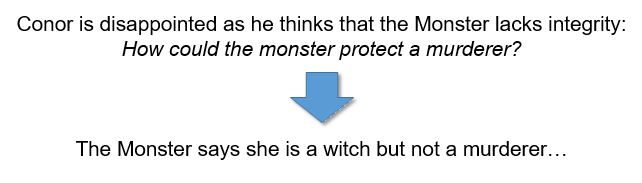
AND…

4.

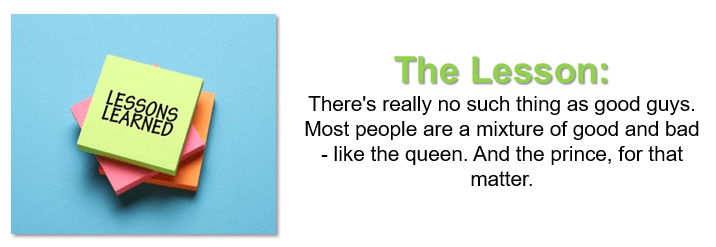
Is the Monster trying to teach Conor a lesson?
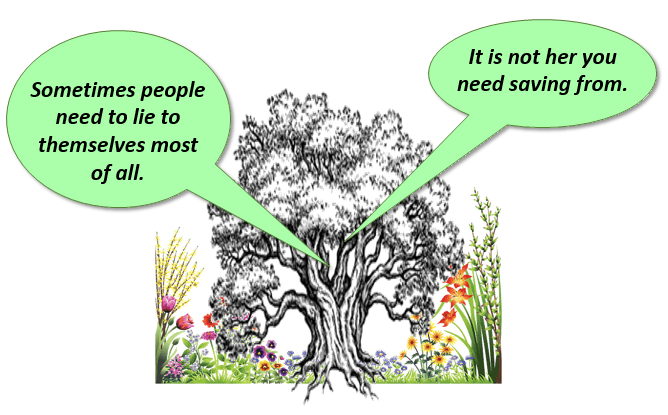
Consider the following Inference Questions:
1) ‘Sometimes people need to lie to themselves most of all.’ Do you think the monster is just referring to the First Tale when he makes this statement?
2) ‘It is not her you need saving from.’ Speculate about what the monster believes Conor actually needs saving from.
5.
You learnt the following about symbolism …
Writers use symbolism to explain an idea or concept to their readers in a poetic manner without saying it outright. The use of symbolism allows writers to make their stories more complex. People often also use symbolism in everyday life.
What is symbolism in writing, and how does it work?
Symbolism is the use of words or images to symbolize specific concepts, people, objects, or events. Symbolism is a figure of speech that is used when an author wants to create a certain mood or emotion in a work of literature.
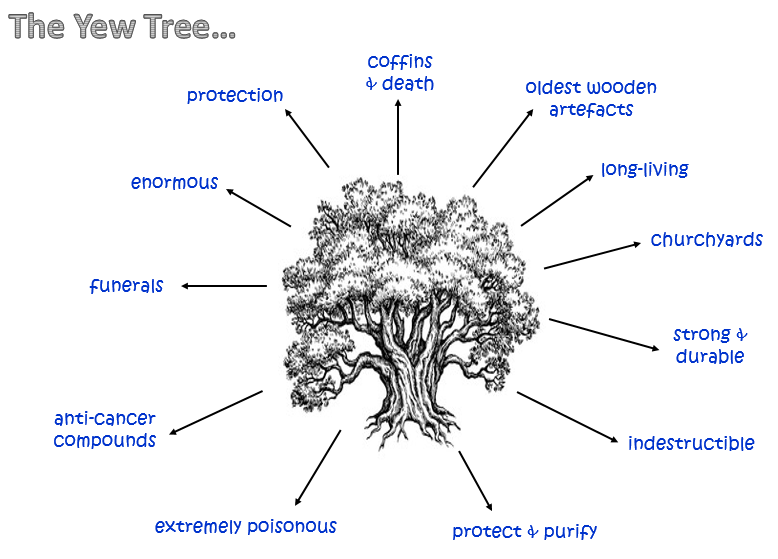
You already know that the yew tree is a symbol of …
6.
Writers also make use of Allegories to make their work more interesting…
An allegory is a story, poem, or picture which can be interpreted to reveal a hidden meaning, typically a moral one.
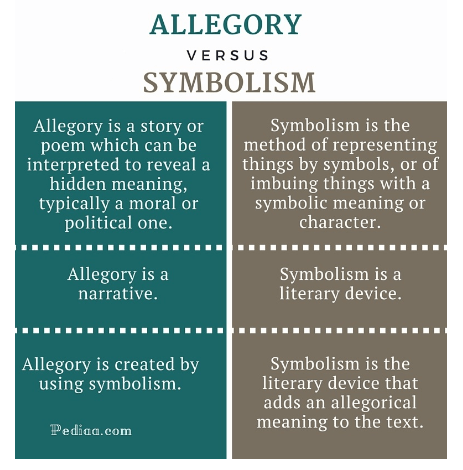
Allegory is a narrative, a poem or story, that can be interpreted to reveal a hidden meaning. A moral lesson is often presented in the form of an allegorical story.
Symbolism is a literary device that presents one particular item, like a dove, to represent something else (peace).
In other words, an allegory is a whole story, poem, or book. Symbolism can be just a part of the story, poem, or book.
7.
Here is an example of an allegory:

The Lion and the Mouse. (2:51 minutes long)
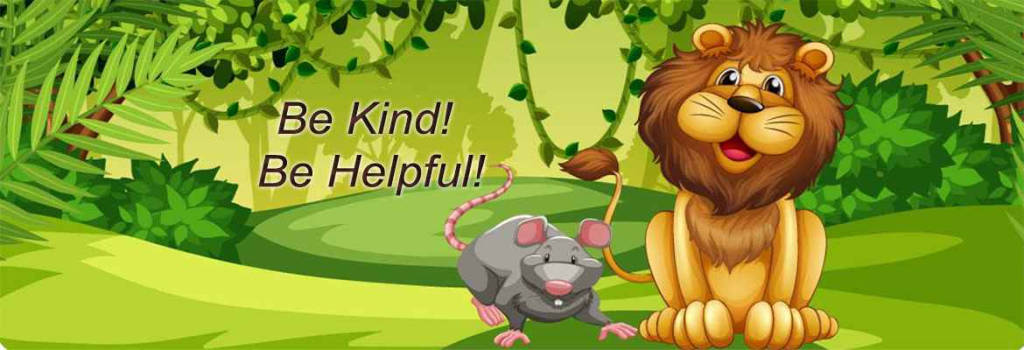
A kindness that is given is a future kindness returned.
How was ‘the first tale’ allegorical? (Consider this quote: “There was nowhere for the prince to run. His horse had been chased away while he slept. The yew tree was his only shelter.”)
What similarities can you make between the tale and Conor’s life?
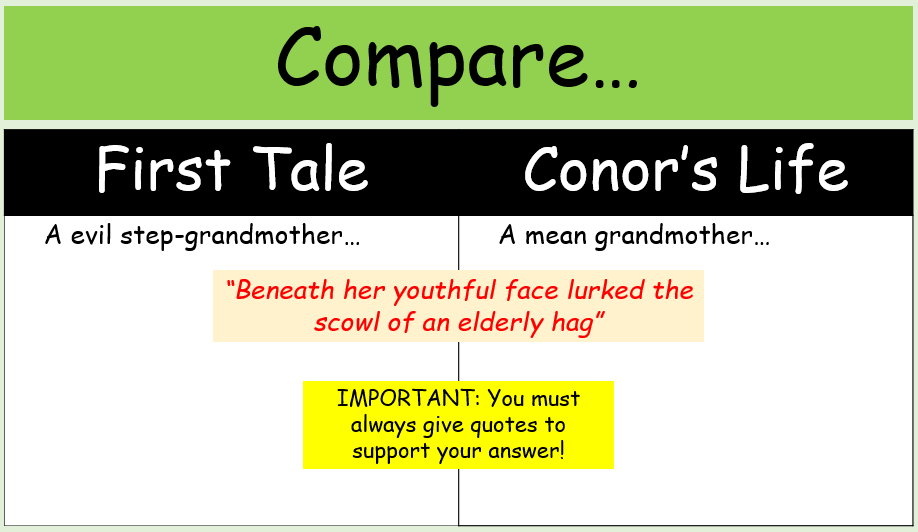
So, what hidden meaning did the first tale have for Conor’s life?

Answer the following question in detail:
How is ‘The First Tale’ an allegory for Conor’s life?
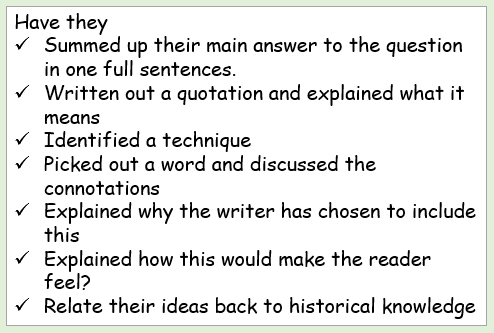
Here is how one should tackle a question like this one!

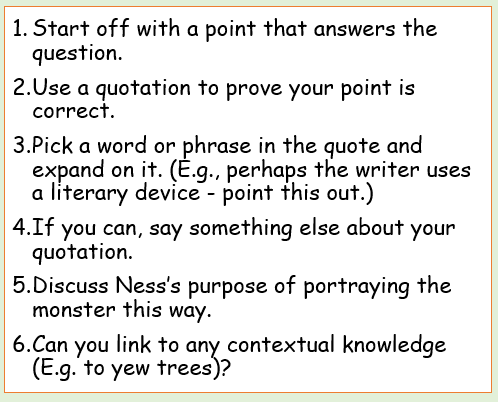
This is how you teacher would mark this type of question:
8.
Let’s look a little deeper into symbolism in literature:
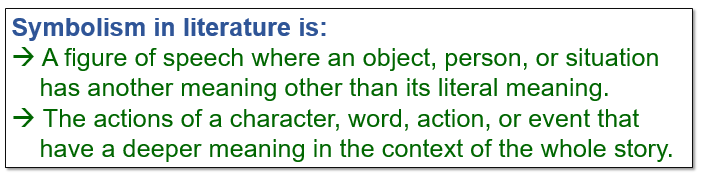

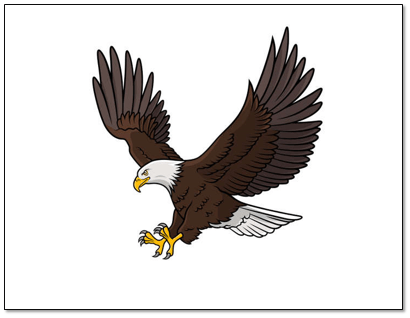

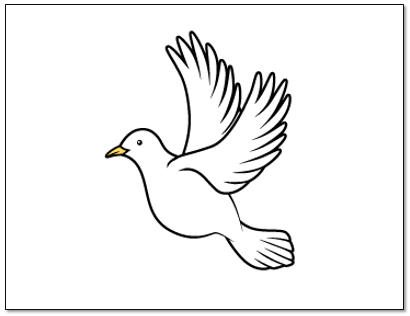
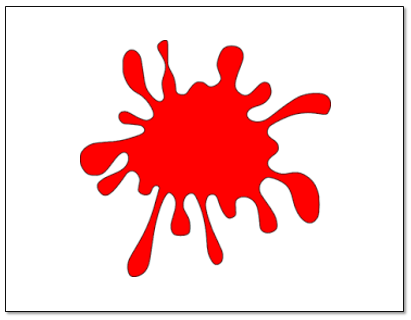
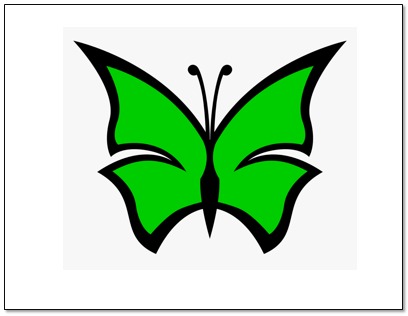
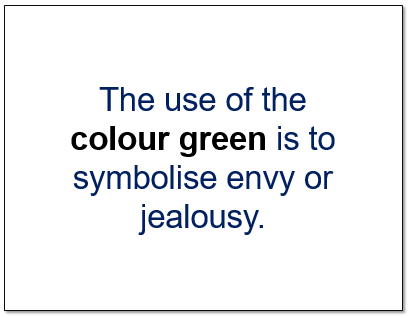
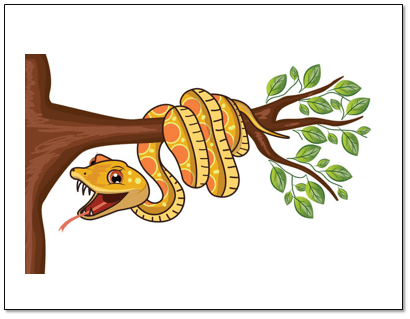
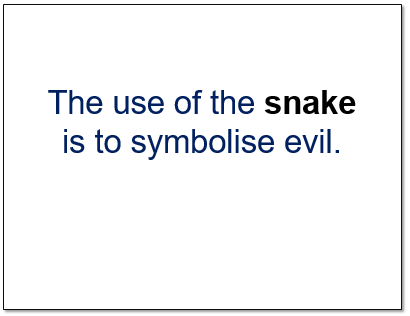
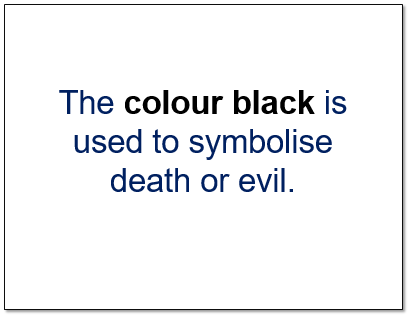
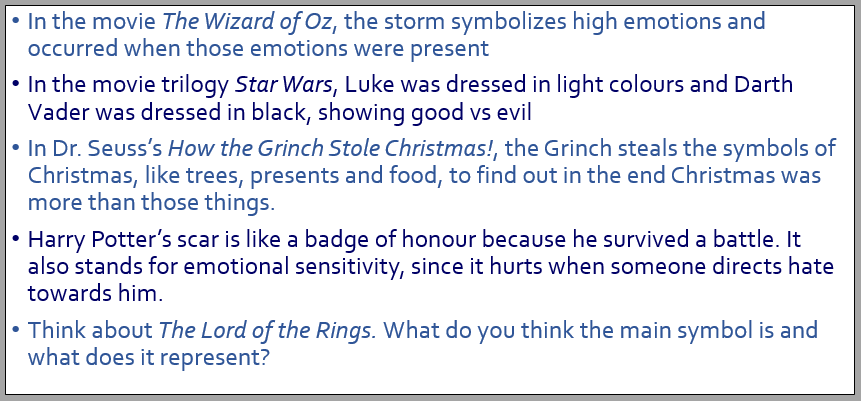
Here are more examples of symbolism, from well-known texts:
9.

Copy the information below into your book for study purposes:
Allegory is a narrative, a poem or story, that can be interpreted to reveal a hidden meaning. A moral lesson is often presented in the form of an allegorical story.
Symbolism is a literary device that presents one particular item, like a dove, to represent something else (peace).
In other words, an allegory is a whole story, poem, or book. Symbolism can be just a part of the story, poem, or book.
10.
Answer the following question:
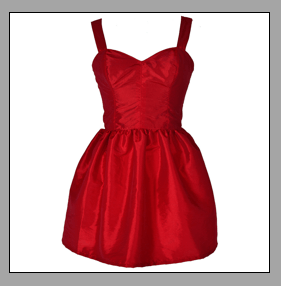
If a character was wearing a red dress, what could that symbolise?
11.
And now for a few more questions…
Answer the following questions:
“Search and Locate” Questions:
a) What rumours surrounded the King’s illness? (P.72)
b) What was the Queen’s plan for retaining power? (P.74)
c) Who saved the Queen from the flames? (P.79)
d) Where did the monster take the Queen? (P.79)
e) Who murdered the farmer’s daughter? (P.81)
Summary Task:
Retell the First Tale in 3 chapters.
The first must contain exactly 75 words, the second exactly 50 words and the final chapter must contain exactly 25 words. (Be as specific as you can, and stay within the word count.)
Additional Questions on Symbolism:
b) Which character in the book could The King be a symbol for? Explain your answer.
a) Which character in the book could the Queen Regent be a symbol for? Explain your answer.
12.
And now for even more questions!
Answer the following questions:
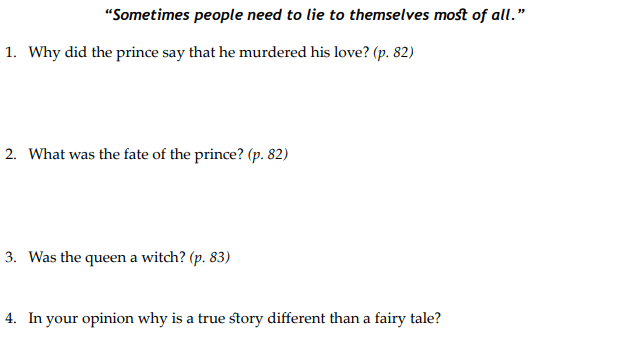
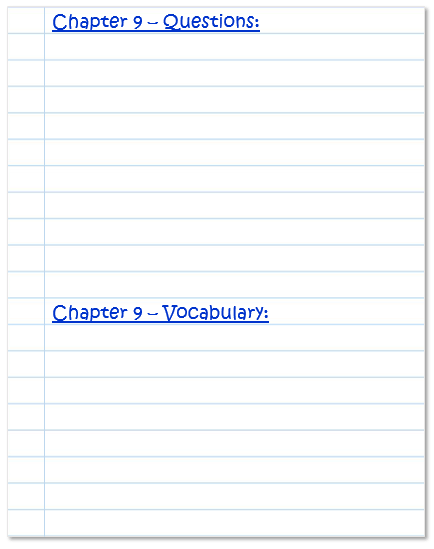
You need to use a new page in your book.
Write the headings as shown below.
(After this task you will also look at vocabulary.)
13.

Mark your work…
Are your answers more or less similar to these?
ANSWERS TO FOLLOW SOON
14.
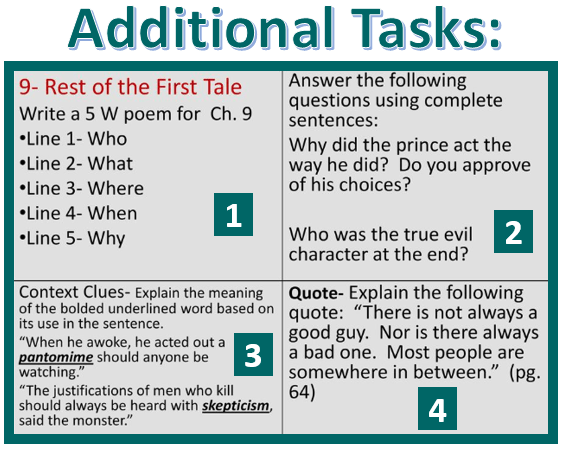
The tasks in this section come from: A Monster Calls by Patrick Ness – ppt download (slideplayer.com)
15.
That tree…! Think about this:
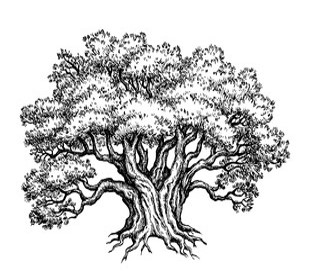
What is symbolic about a tree or a plant? Does it symbolise life, maybe? Or growth? Perhaps, but there is something more to a Yew tree in particular… We know that the leaves off a Yew Tree are used to create a medicine called Taxol, a medicine that is used in the treatment of Cancer!
Answer these questions in your book:
1. Is the Yew Tree Monster here to help or harm Conor?
2. Why has Patrick Ness chosen a Yew Tree specifically?
3. How can we link this to symbolism?
16.

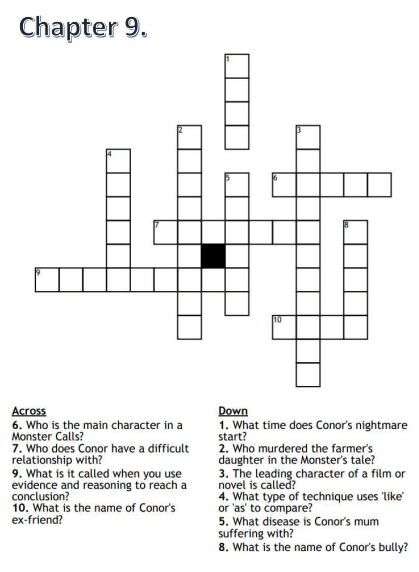
SOLUTION

Mark your work…
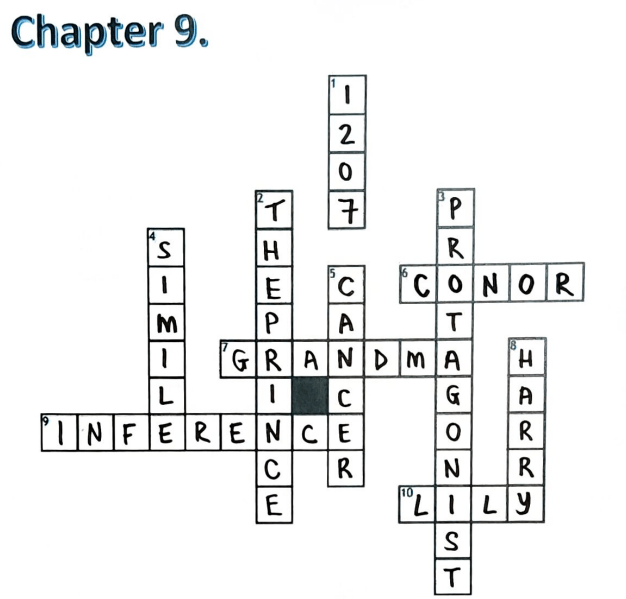
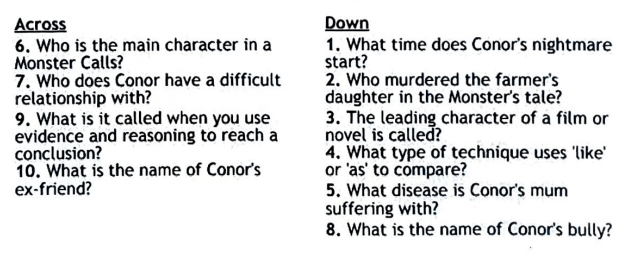
17.
What do the words below mean? (Use a dictionary if you get stuck…)
Click on the image below to access the thesaurus / dictionary:


18.

Work on your vocabulary list.
OR:
Complete the Questions on the chapters that we read today.
Comprehension Questions (arkpriory.org)
— Useful Material —



(WordPress advertisements may appear below.)
 Best study methods