

English Lessons

- to get advice and tips on public speaking
- to begin to practise your speech delivery
1.
You need to prepare yourself to deliver your informative speech on “Literary Devices”… Therefore a number of useful videos on public speaking has been included in this lesson.

-1-
The Importance of Public Speaking Skills. (3:39 minutes long)

- view anxiety as energy and excitement
- memorize at least the beginning & the end of the speech
- pause during the speech – it focuses attention & shows authority
-2-
How to deliver a perfect speech. (3:11 minutes long)
- make eye contact!
- don’t fidget
- don’t fade out at end of sentences…
- don’t uhm and aaah
-3-
Four essential body language tips… (2:27 minutes long)
- keep your body open to the audience
- show your palms (“open palms” helps the audience to connect with you)
- know your stage – get comfortable with it
- don’t cling to (or lean on) the podium
-4-
Be a more confident Public Speaker. (4:39 minutes long)
- prepare! prepare! prepare!
- posture & physicality
- keep it natural
-5-
Public Speaking Tips. (2:00 minutes long)
- know your audience
- know your material
- know the room
- keep eye contact
- speak up
- concentrate on the message – not the medium
- don’t appologize
- remember that the audience want you to succeed
2.
Let’s also consider these important tips on Public Speaking!

This is an extract taken from https://www.forbes.com/sites/iese/2016/04/18/12-tips-for-public-speaking/?sh=37c2428b3a18

“Know what you want your audience to do immediately after hearing your speech. If nobody does anything different than they would have done before you spoke – the value of your speech is zero.”

“A personal story, a quote from an expert or a shocking statistic – something that takes a hold of your audience and gets them hooked and opens their mind to your message. Give the audience a chance to see your personal connection to the topic.”

“Structure your material in three sections – grabber, middle, close. Know your material. Get really interested in the topic. Find good stories.”
“Rehearse out loud with all equipment you plan on using. Work to control filler words; Practice, pause and breathe. Use a clock to check your timings and allow time for the unexpected.”
“Try to speak to one or two people in the audience as they arrive – they will be your allies in the audience – it is easier to speak to friends than to strangers.”

“Arrive in good time to check out the speaking area and get practice using the microphone and any visual aids.”

“Begin with a well prepared grabber. A relevant personal story is a great start. It establishes your credibility. It connects you to the audience and creates the right emotional atmosphere (and calms your nerves).”

“See yourself at the end of the speech surrounded by people asking questions, visualize the applause.”

“Include 3-8 second pauses at key moments – just before key statements or just after a story – this really brings the audience into the speech.”

“Don’t apologize – the audience probably never noticed it (when you made a mistake.”

“Look like the content matters to you – if the audience don’t feel that it is important to you, it will be really hard for them to feel that it should be important for them.”

“Take every opportunity you can get to speak (and listen to other speakers). Prepare well ahead of time. Experience builds confidence, which is the key to effective speaking.”
3.

Six more helpful tips!
And, here are a few more tips, taken from an article that you can access here.
1. Write down important points and convey spontaneously
“You can write down small notes that only contain important material points. In making these notes, do not let you write a long narrative. It can be explained naturally and spontaneously, because by dealing with the conversation, it is attempted not to look stiff. It is enough to write a few important points. This will help you remember what you are going to say so you don’t get blank in the middle of the conversation. Keep in mind the order of the points that you will convey.”
2. Deepen Interaction with Your Audience
“You should try to keep your communication alive even when you are speaking in front of many people. Because this also affects your confidence and spirit. You can include a few brief questions for the audience, to encourage them to interact with you. You can also include jokes that are still ethical so that they do not become too stiff. The audience will be interested in the topic of conversation, if you can attentively interact with them.”
3. Speak clearly and with a different intonation
“Before you speak in public, it would be better if you practice first. You can ask friends for help to assess speech style, appearance, intonation, and so on. The intonation when speaking is varied so as not to bore the audience. Each word, you must pronounce it loud and clear so that the material can be conveyed well.”
4. Utilize body language and eye contact
“You can use your body language, especially your hands, to emphasize the material presented. But don’t let your hands move too much, because it can distract the audience. What needs to be noted is, you must pay close attention to the eye contact of the audience. This is so you can control the focus of the audience. If you lose control, then your conversation will go to waste, not being noticed by the audience.”
5. Avoid the words “emmmm” or “ehhhh”
“If you can adjust the pause, for example slow or fast. Then you can set the control of the conversation to be delivered. Because most of them are confused about what to say, so they say “emmm/ehh” that shouldn’t be said. If these words come out, then your level of professionalism will decrease. For example, you need time to think, try not to say the words above.”
6. Get rid of pressure and self-confidence
“It is okay to feel nervous and anxious. Surely almost everyone has felt this way, when speaking in public, but don’t let your nerves and worry get the better of you. In public, you have to show good self-confidence. You don’t have to be concerned about making mistakes, because humans are nature to make mistakes. Therefore, calm yourself and convey as comfortably as possible.”
(The above extract comes from https://pbi.uii.ac.id/2022/03/30/6-tips-for-improving-your-public-speaking-skills/)
4.

Now it is time to practise your speech. Work with a partner and go over your speech in preparation for the delivery!
5.
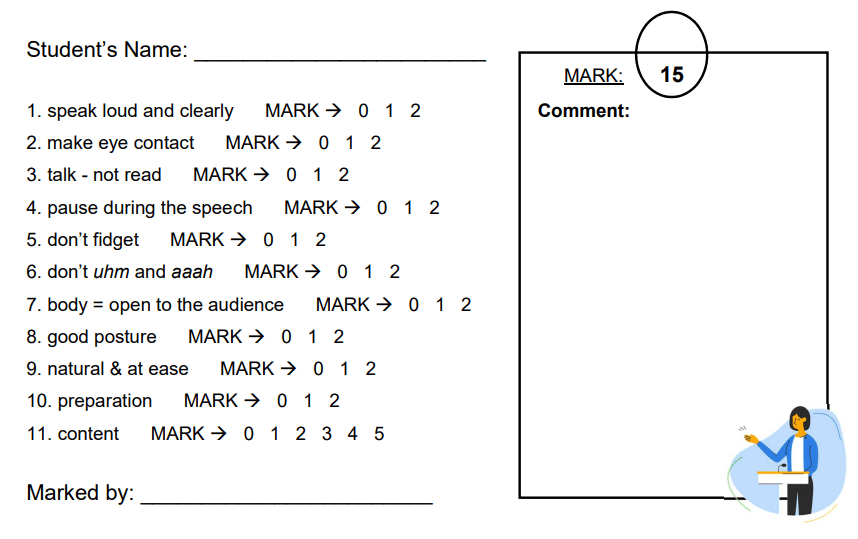
You need to deliver your speech on a date specified by your teacher. Your speech will then be assessed (by your teacher as well as by some class mates) using the criteria below:
6.

Below is a link to a very detailed article on Public Speaking. If you really want to become a pro you may want to read it carefully. (The article also has useful videos to watch.)

https://www.scienceofpeople.com/public-speaking-tips/
—TEXTBOOK—
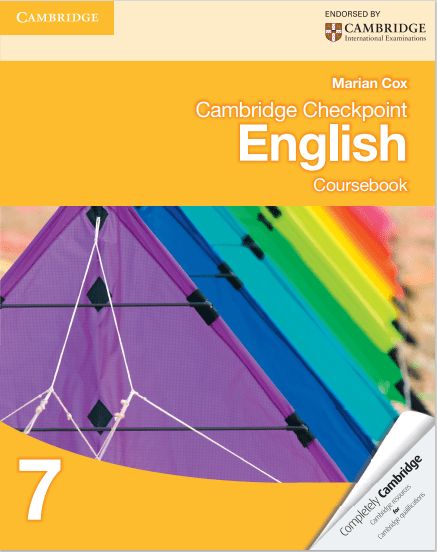
You can access useful information in the Year 7 textbook!
—TEXTBOOK—
end

(WordPress advertisements may appear below.)
 Best study methods