This is Lesson 6 on Computing Systems & Networks – the Internet, taken from teachcomputing.org.

Today, you are going to….
- evaluate the reliability of content
- consider the consequences of unreliable content
- realise that not everything on the internet is true
- explain why some information we find online may not be honest, accurate, or legal
- explain why I need to think carefully before I share or re-share content online
1.
Revision…

A website is a set of web pages located under a single name, typically produced by a single person or organization. Basically, it is a place you visit on the internet, like a page in a book, with pictures, words, and videos, on specific topics.
2.
What do you think of these pictures?



- Are these pictures real?
- Do you think they have anything in common?
- How do you think they were created?
- Why were they created?
3.
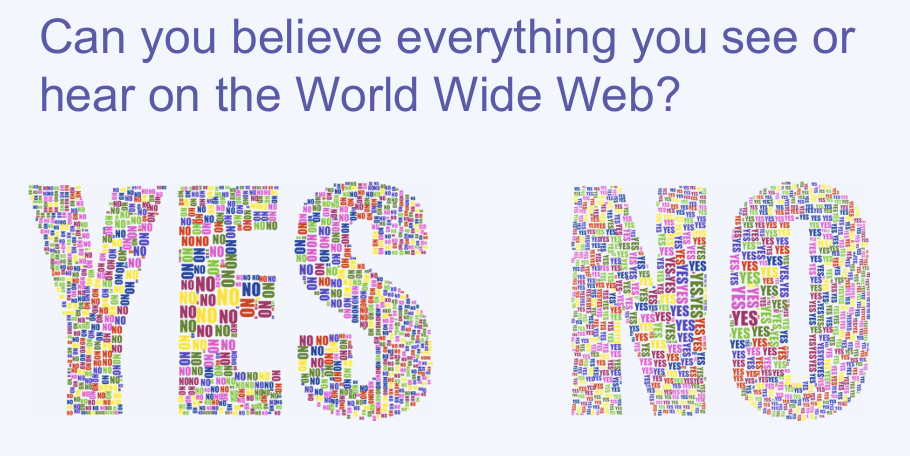
4.
Click on the image to do some research on Google!

“best mobile phone ever”

5.
Are these the best mobile phones?
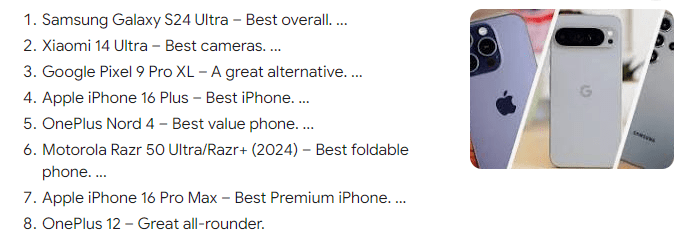
Did you get the same results?
6.

Not all information on the internet is true…
7.
Why would people create or share false information on the web?

News that is not true is also sometimes called ‘fake news’.
Reasons people might share false information:

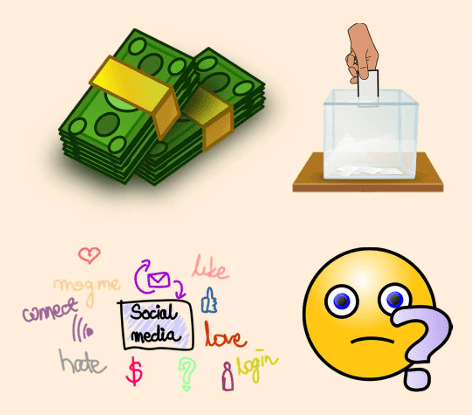
- To make money — People might make false claims about products or post false reviews to encourage other people to spend money.
- To be popular — Many people seek popularity through social media, so may post false information to gain more shares or likes.
- To gain power — People may post false claims in order to gain votes in elections.
- By mistake — Sometimes people may not be aware that what they are sharing is not true.
8.
Sharing information
What should I think about before I share information online?


If you are not sure…

9.

- not everything on the internet is true
- some online information may not be honest, accurate, or legal
- we need to think carefully before we share content online
10.
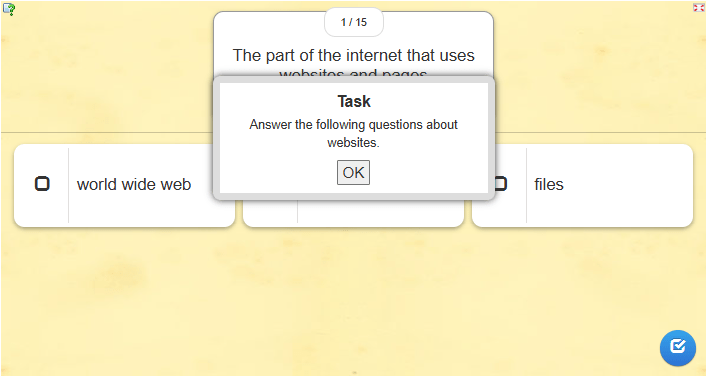
Complete the following task online to test your knowledge on what you have learnt so far about websites on the world wide web. (You have to click on “OK” to start.)

This is the original lesson source:
(WordPress advertisements may appear below.)
 Best study methods