
Protected: Anglo-Saxons: HW-7-Feedback
Protected: Anglo-Saxons: HW-6-Answers
Protected: Anglo-Saxons: HW-5-Feedback
Protected: Anglo-Saxons: HW-4-Answers
Protected: Anglo-Saxons: HW-3-Answers
Protected: Anglo-Saxons: HW-2-Answers
Protected: Anglo-Saxons: HW-1-Answers
Protected: Tne Normans: HW-3-Answers
Protected: Tne Normans: HW-2-Answers
Protected: Tne Normans: HW-1-Answers
Y8: Film Study – The Prince & the Pauper III
Year 8A & Year 8B
Today you are going to finish the film “The Prince & the Pauper”, our film study that is set in Reformation England….
Follow the order in which I give you instructions:
1.

RECAP:
In the palace, Tom does not know how to play the part of a prince and reveals who he is to the scheming Lord Hertford. Edward’s father, Henry VIII, falls seriously ill, and after giving orders that no one is to go on doubting that Tom is his son, he dies. Tom is accepted by the court as king. Word of these developments reaches John Canty and Edward, on the run, before Canty is killed in a fight. Edward again meets Miles, recovered and very much alive, who takes him to Hendon Hall, his family seat, where they find Miles’s younger brother Hugh has seized his property. Hugh imprisons Miles and Edward, but they escape, and Edward persuades Miles that he is not Tom but the new king. (??)
2.
Watch the following episode of the movie!

The Prince & the Pauper III. (34:44 minutes long)
3.
If the video above does not work, here is another solution: Watch “Episode 3” by accessing it in Schoology Materials. (This “episode” is 34:44 minutes long.)
If, for some reason, this does not work either, click on the square (at the top right) in the schoology page for “Episode 3” – then the video should work. (Make sure that you are logged into your school gmail account!) It looks like this:

4.
So, on the day of the coronation, Edward and Miles travel to Westminster. Edward is able to halt the ceremony, and he and Tom are again able to exchange their clothes and identities. Archbishop Cranmer and others are suspicious, but Edward produces the Great Seal of the Realm to prove who he is. Afterwards, Edward gives Tom an official position, and Miles is restored to his lost honours!
5.
INTERESTING ADAPTATIONS:
A 1977 film version of the story, starring Oliver Reed as Miles Hendon, starring Rex Harrison (as the Duke of Norfolk), Mark Lester and Raquel Welch and directed by Richard Fleischer, was released in the UK as The Prince and the Pauper and in the US as Crossed Swords.
Walt Disney Feature Animation made a 1990 animated 25-minute short film, inspired by the novel and starring Mickey Mouse. In this version, Mickey trades places with himself and is supported by other Disney characters.
It Takes Two, starring twins Mary-Kate and Ashley Olsen, is a loose adaptation of this story, in which two look-alike girls, one the wealthy daughter of a wireless service tycoon and the other an orphan, switch places in order to experience each other’s lives.
The 1996 Bollywood film Tere Mere Sapne is loosely based upon this story, in which two boys born on exactly the same date switch places to experience the other’s life, whilst learning valuable lessons along the way.
A 2000 film directed by Giles Foster starred Aidan Quinn (as Miles Hendon), Alan Bates, Jonathan Hyde, and identical twins Jonathan and Robert Timmins.
In 2004, The Prince and the Pauper was adapted into an 85-minute CGI-animated musical, Barbie as the Princess and the Pauper, with Barbie playing the blond Princess Anneliese and the brunette pauper Erika. In 2012, a second CGI musical adaptation was released, entitled Barbie: The Princess and the Popstar. In it, Barbie plays a princess blonde named Victoria (Tori) and a brunette popstar named Keira. Both crave the life of another, one day they meet and magically change places.
In 2006, Garfield‘s second live-action film, entitled Garfield: A Tail of Two Kitties, was another adaptation of the classic story.
A 2007 film, A Modern Twain Story: The Prince and the Pauper starred identical twins Dylan and Cole Sprouse.
Monte Carlo was another loose adaptation released in 2011 by 20th Century Fox and starred Selena Gomez.
6.
Now, complete the film review on “The Prince & the Pauper”.
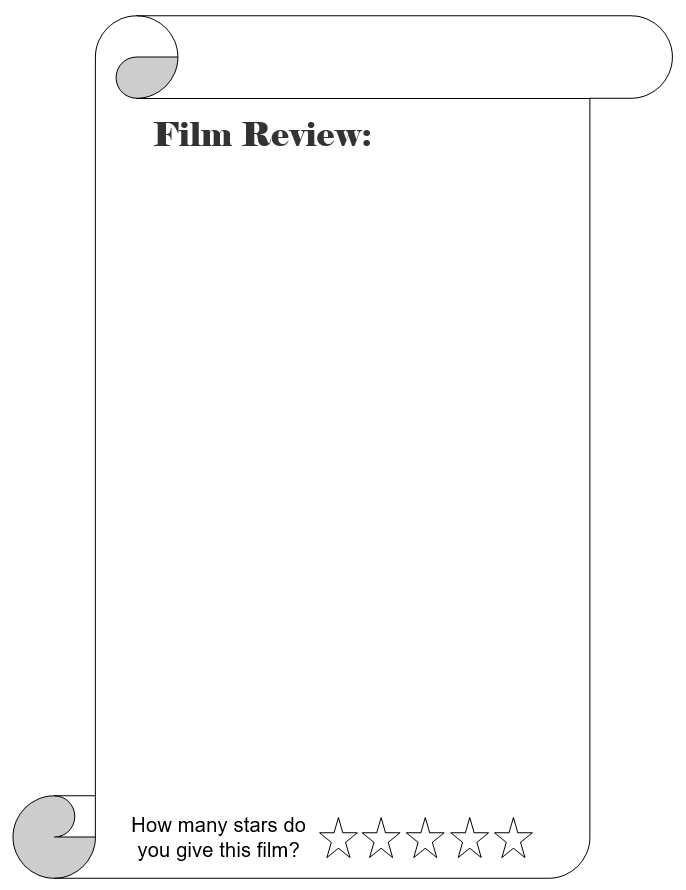
Also show how many stars you give this film, by coloring in the number of stars that you think the film deserves.
Here are some ideas for your film review:

- Say what you liked (and why).
- Say what you did not like (and why).
- Say if you learnt anything (and what).
- Would you recommend it to future students learning about the Reformation?
7.

Finally, if available, complete the survey, in Materials in Schoology, called “End of Year Review”… Do this to the best of your ability – I value your input!

(WordPress advertisements may appear below.)
Protected: Y8: Film Study – The Prince & the Pauper II
Y7: Film Review – Knight’s Tale V
Year 7A & Year 7B
Follow the order in which I give you instructions:
1.
So, this is your last History lesson of this academic year!
To conclude the tasks based on the film about William Thatcher (or Sir Ulrich von Liechtenstein), read the information below:
Eight Things you did not know about this film:
1. The entire film was shot in Prague, Czech Republic.
2. The film includes a great deal of jousting footage. The initial scene of the two knights jousting is actually footage of William’s stunt double in an accident. During filming of a later scene in the film, the lance of the stunt double’s opponent moved off target and hit him in the head. The double fell to the ground unconscious. In another incident, William knocked out one of the director’s front teeth with a broomstick when the two were demonstrating a jousting move. It took several months for the director’s mouth to heal enough to repair the damage.
3. Plenty of effort was expended creating lances that would convincingly explode upon impact without injuring the stunt riders. The body of each lance was scored so it would break easily, and the tips were made of balsa wood. Each was also hollowed out, with the holes filled with balsa splinters and uncooked linguine. Jousting armour was made by using a unique sprayed polyurethane system that was first invented for the film Gladiator. Onscreen, it is almost impossible to distinguish between the polyurethane stunt armour and steel armour. William’s armour was originally made in steel along with three polyurethane stunt replicas.
4. According to the director the film was intended to have occurred sometime in the 1370s during a six-month period in which Chaucer had apparently gone missing. The film shows what he might have done during this time, which then later on “inspired Chaucer to write his Canterbury Tales”. (The first Canterbury tale is called “The Knight’s Tale”.)
5. The scene in which the lady Jocelyn asks William to lose a joust to prove his love and then reverses her proposal for him to suddenly win, is also a direct reference to the classic tale of Lancelot, the Knight of the Cart, in which Queen Guinevere asks Lancelot to do the same during a tournament.
6. The film, which notionally took place during the Middle Ages, is notable for its deliberate use of classic rock songs in its soundtrack!
7. Despite the mixed critical reception, the film won four cinematic awards!
8. Heath Ledger played the part of William. Sadly, Heath Ledger died 7 years after the film was made.
2.
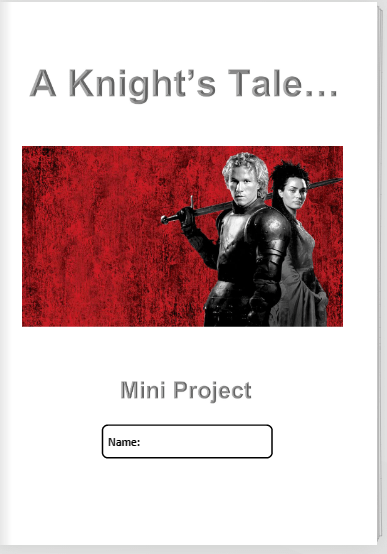
Have you completed your mini project? If not, finish it now.
(Click on the booklet to access the online flipbook.)

3.
Read these Memorable quotes from the film and decide which one you like the most: (You do not have to answer this – it is just something to think about…)
“Love should end with hope”
(Kate)
“If he believes enough, a man can do anything!”
(William’s father)
“Your men love you. If I knew nothing else about you, that would be enough”
(Prince Edward)
“Better a silly girl with a flower than a silly boy with a horse and a stick”
(Jocelyn)
“I was naked for a day; you will be naked for eternity”
(Chaucer)
4.
If available, complete the survey / quiz called “End of Year Review” on Schoology… Do this to the best of your ability – I value your input! (Please take note: the first question, a “vocabulary” test, is “timed”…!)

5.
Finally, I have chosen a short film by one of the best silent movie makers ever. His name is Buster Keaton and he was an American actor, comedian, film director, producer, screenwriter, and stunt performer. Keaton is best known for his silent films (of the 1920’s), in which his trademark was physical comedy. So, let’s end off the Year 7 History course by seeing what films were like exactly 100 years ago!

MOVIE TIME!
This is what movies were like in the 1920’s!
Buster Keaton – Neighbors, 1920. (17:44 minutes long)
6.
Finally, in case you have not realized, you can access your marks if you click on “Grades” (on the menu on the left in the Schoology History course).

(WordPress advertisements may appear below.)
Y7: Film Study – Knight’s Tale IV
Year 7A & Year 7B
Today we will finish watching the film about William Thatcher, alias Sir Ulrich von Liechtenstein. However, before we start with the fourth and last “episode” of the film, there are a few tasks that you need to do in preparation.
Follow the order in which I give you instructions:
1.
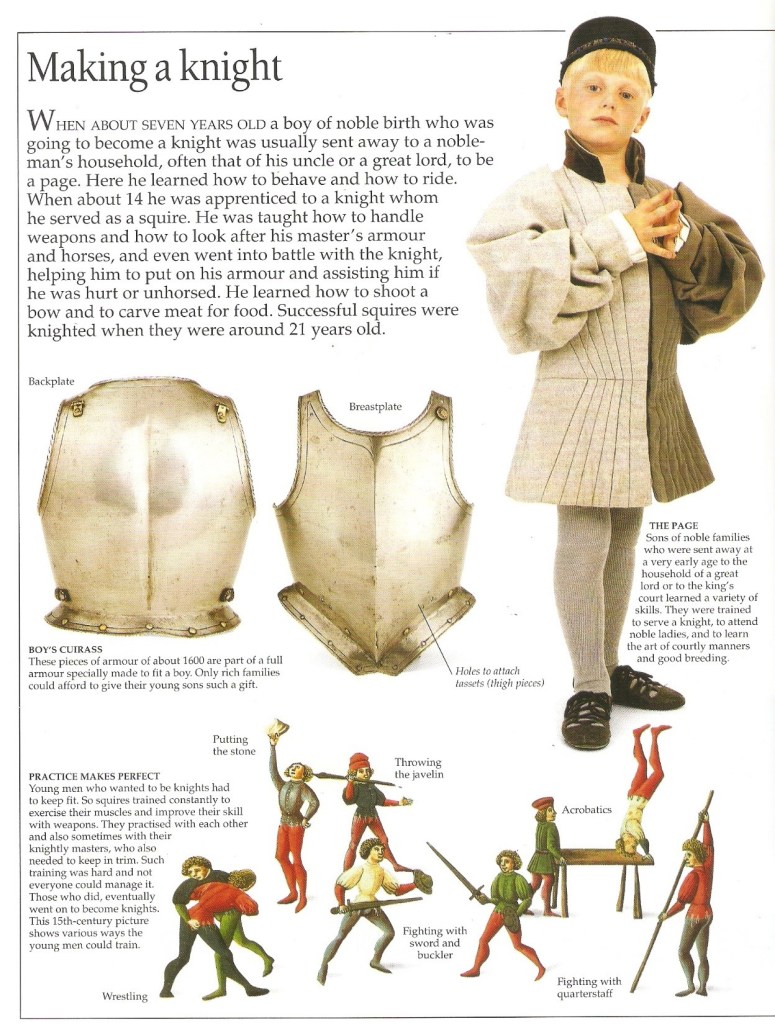
Read the following article which gives you a bit of background information about knights. It is important that you read this carefully as you may be tested on some of the information in this article…
2.
Now read the text below which gives you a bit of an overview of the events in the fourth and final “episode” of the film:
In the previous “episode” William took part in a number of tournaments and achieved several victories. Eventually he returned to Cheapside, London to visit his father, but his true identity is then discovered by Adhemar…
Now, in this last “episode” William is placed in the pillory, but is defended from the hostile crowd by his friends. Then, the Black Prince emerges from the crowd… In acknowledgement of William’s honour, Edward (or the Black Prince) announces that, William is in fact, “beyond contestation” descended from a noble lineage, and knights him “Sir William”. Then William returns to the tournament to face Adhemar in the final match, but Adhemar cheats with an illegal sharpened lance… Let’s see what happens….
3.

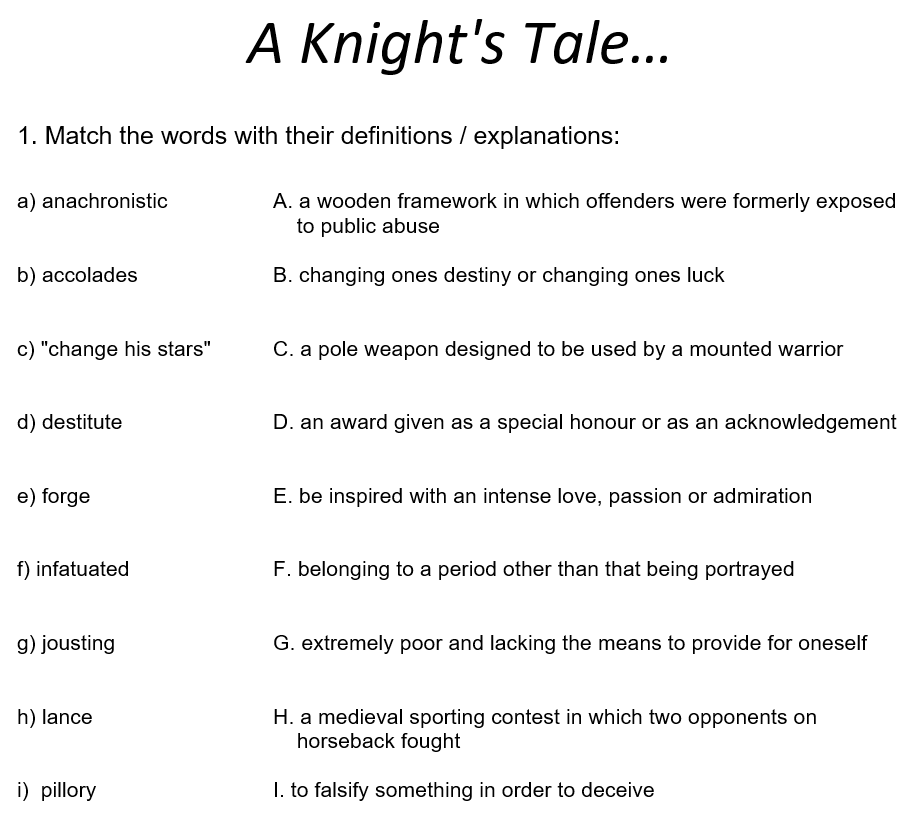
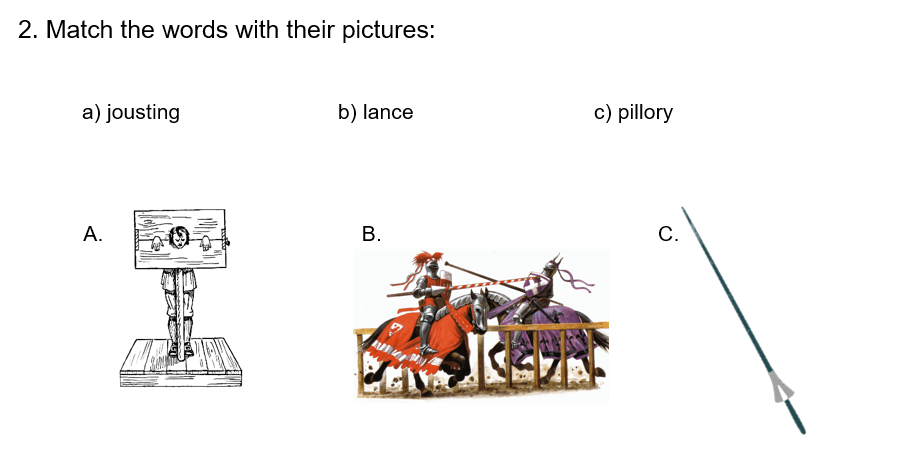
Again, there are words that you may need to know the meanings of: pillory, contestation, lineage, lance and “to knight“.
- pillory – a wooden framework in which offenders were formerly exposed to public abuse
- contestation – the action or process of disputing or arguing, or to “contest” something
- lineage – direct descent from an ancestor; ancestry or pedigree
- lance – a pole weapon designed to be used by a mounted warrior
- knights – means “to knight”: a king reward a man with the title of “knight” in recognition of service (this person then became ‘Sir’)
4.
Now, watch “Episode 4” by accessing it in Schoology Materials. (This final “episode” is 26:48 minutes long.)
If, for some reason, it does not work, click on the square (at the top right) in the schoology page for “Episode 4” – then the video should work. (Make sure that you are logged into your school gmail account!) It looks like this:

5.
Finally, complete the task as well as the film review (on the handout provided).
SOLUTION…

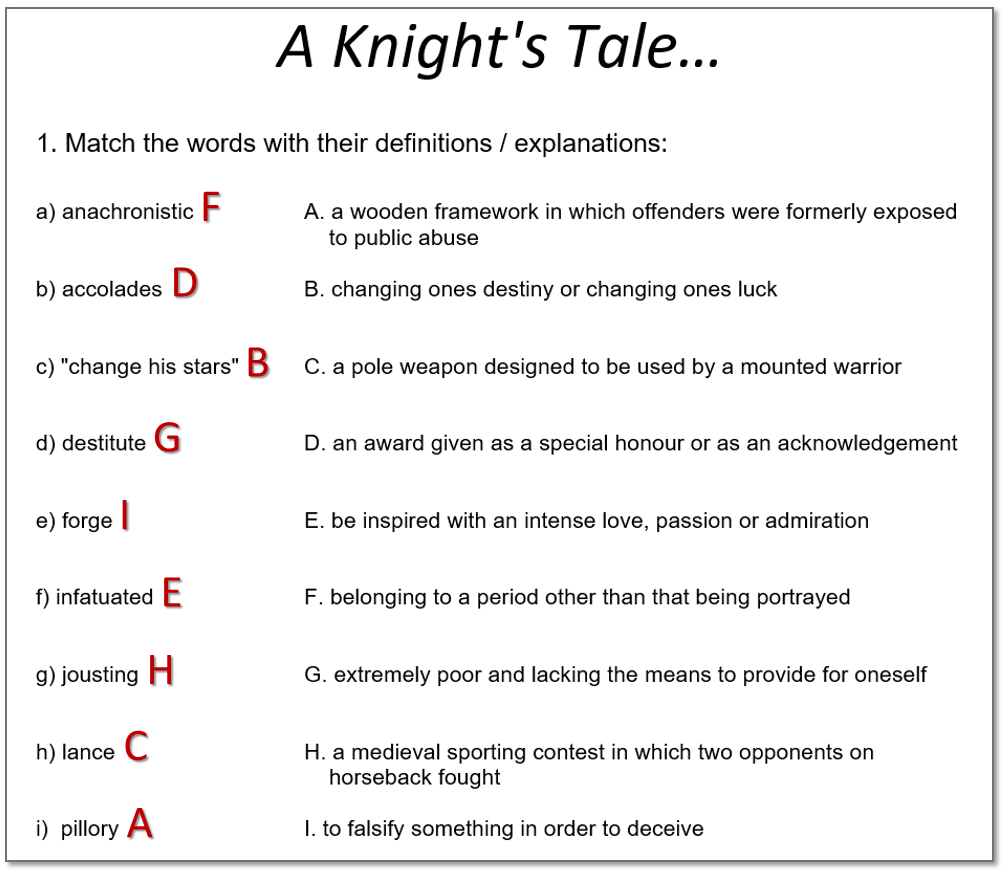

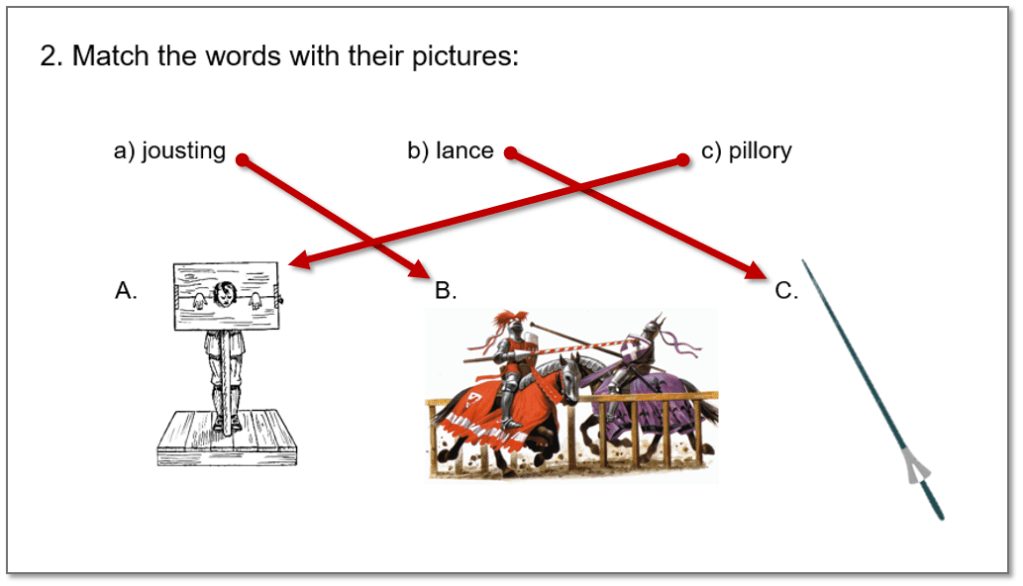
6.
Continue working through your mini project booklet…
(Click on the booklet to access the online flipbook.)
7.

If there is still time, go on to the next lesson, or do the extension task…
8.

If available on Schoology, complete the Quiz about “Knights keeping fit” – it is “timed” and will take you no more than 10 minutes…! (You only get one attempt at this. Also, please note that quiz will expire… So, make sure that you do it in time!)

(WordPress advertisements may appear below.)
Y7: Film Study – Knight’s Tale III
Year 7A & Year 7B
Today we will continue with the film that tells the story of peasant, William Thatcher who pretends to be a knight called Sir Ulrich von Liechtenstein. However, before you start with the third “episode” of the film, we will first go over your exam…
Follow the order in which I give you instructions:
1.
Look at your exam result and see where you have perhaps lost marks:
2.
Now, read the following text which gives you an overview of the events in the third “episode” of the film:
In the previous “episode” William learnt that Sir Thomas Colville was actually Edward, the Black Prince. In this “episode”. Adhemar is called away to war (to the Battle of Poitiers). William takes part in more tournaments and achieved several victories in Adhemar’s absence. William proves his love for Jocelyn by complying when she first asks him to deliberately lose (in contrast to the countless knights who promise to win in her name), and then, just before he would be eliminated, to win the tournament in her name after all!
After this, the group travels to London for the World Championship. William remembers how he left his father as a little boy to become a squire for Sir Ector, to learn to become a knight, in the hope that he would “change his stars”. (That means to change his fortune, or to make his life better.) Adhemar has also arrived in London and announces that he is in negotiations with Jocelyn’s father for her hand in marriage. William dominates at the tournament. William also visits his father, now blind and living alone in Cheapside, London. However, Adhemar then realises who William (or “Sir Ulrich von Liechtenstein”) really is…
3.
Now, watch “Episode 3” by accessing it in Schoology Materials. (This “episode” is 34:51 minutes long.)
If, for some reason, it does not work, click on the square (at the top right) in the schoology page for “Episode 3” – then the video should work. (Make sure that you are logged into your school gmail account!) It looks like this:

4.
Continue working through your mini project booklet…
(Click on the booklet to access the online flipbook.)
5.
If available on Schoology, complete the Quiz on “Squires and Knights” in Schoology – it is “timed” and will take you no more than 5 minutes…! (You only get one attempt at this. Also, please note that quiz will expire… So, make sure that you do it in time!)
(WordPress advertisements may appear below.)
Y7: Film Study – Knight’s Tale II
Year 7A & Year 7B
Today we will continue with the film that tells the story of the peasant, William Thatcher, who pretends to be a knight called Sir Ulrich von Liechtenstein.
Follow the order in which I give you instructions:
1.
In case you have not realized yet… you can access your exam marks if you click on “Grades” (on the menu on the left in the Schoology History course).
2.
Before you start with the second “episode” of the film, read the following text which gives you a bit of an overview of the events in the second “episode” of the film:
In the previous “episode” William and his two friends met Geoffrey Chaucer. Chaucer forged a document (the patent of nobility) that allowed William to enter jousting tournaments under the false name of “Sir Ulrich von Liechtenstein” from Gelderland.
In this episode the four of them are at the tournament in France. William is brought before two men Simon the Summoner and Peter the Pardoner, because Chaucer has a gambling problem and is in their debt. William demands Chaucer be released and promises to make the payment. Then, in the course of competition, William’s armour is damaged. He asks Kate, a female blacksmith, to repair it without payment and goes on to win the sword event at the tournament. In this joust, he faces a Sir Thomas Colville, who withdraws from the tournament after being injured by William, though they exchange a ceremonial pass so that Colville can retain the honour of never having failed to complete a match. The proceedings are observed by Jocelyn, a noblewoman with whom William has become infatuated, and Count Adhemar. Count Adhemar is a rival both in the joust and for Jocelyn’s heart… This is bound to cause problems… Eventually, Count Adhemar and William fought in the final joust of that tournament…
Also in this episode, a female blacksmith called Kate joins William’s group and makes new lightweight armour that allows William greater mobility. Then, in the next tournament, Adhemar and William are both assigned to compete against Sir Thomas Colville, but they learn that he is actually Edward, the Black Prince! Adhemar withdraws, but William continues the match and then addresses the prince by name, further earning Edward’s respect. Adhemar is called away to war (to the Battle of Poitiers), and William achieves several victories in his absence.
3.
Again, there are words that you need to know the meanings of: gambling, debt, blacksmith and infatuated.
- gambling – play games of chance, in the hope that you will win / betting
- debt – a sum of money that is owed to someone
- blacksmith – a person who makes (and repairs) objects in iron
- infatuated – be inspired with an intense love, passion or admiration
4.
Now, watch “Episode 2” by accessing it in Schoology Materials. (This “episode” is 41:51 minutes long.)
If, for some reason, it does not work, click on the square (at the top right) in the schoology page for “Episode 2” – then the video should work. (Make sure that you are logged into your school gmail account!) It looks like this:

5.
Continue working through your mini project booklet…
(Click on the booklet to access the online flipbook.)
(WordPress advertisements may appear below.)
Y7: Film Study – Knight’s Tale I
Year 7A & Year 7B
Follow the order in which I give you instructions:
1.
Over the next few lessons you will watch a film that is set in Medieval times, when Feudalism was the norm in Europe and in England. There are a few things that you need to know before we start watching the film…

The film is an adventure-comedy about a peasant (called William Thatcher) who discovers that his master (Sir Ector) is dead. So, William then puts on his master’s armour to impersonate him at a jousting tournament. (If you do not know what jousting is, watch the short video below. It shows you that some people still do jousting today!)
2.

Knights of Valour: Full Contact Jousting. (2:39 minutes long)
3.

In the film, William wins the tournament and then decides to participate in more tournaments. However, only knights and nobles were allowed to take part in the tournaments, and not peasants. Therefore, William creates a new identity for himself, as a knight called Sir Ulrich von Liechtenstein.
There is a lot of jousting in the film, but there is also a bit of a love story: William meets a noble lady… which creates a slight problem, because she is a noble and he is a peasant, pretending to be a knight!
4.
You will all enjoy the film – even if you do not particularly like jousting! However, before you start with the first “episode” of the film, there are a bit more reading to do, in preparation…

You will understand the film better if you also know a bit about the Black Prince, Geoffrey Chaucer and the Canterbury Tales. So, read the following information with great attention:
So, what is The Canterbury Tales?
The Canterbury Tales is a collection of 24 stories written in Middle English by Geoffrey Chaucer between 1387 and 1400.
Who was Geoffrey Chaucer?
Geoffrey Chaucer (c. 1343 – 1400), known as the Father of English literature, is widely considered the greatest English poet of the Middle Ages. While he achieved fame during his lifetime as an author and philosopher, Chaucer also had an active career as a courtier. He is best known today for The Canterbury Tales.
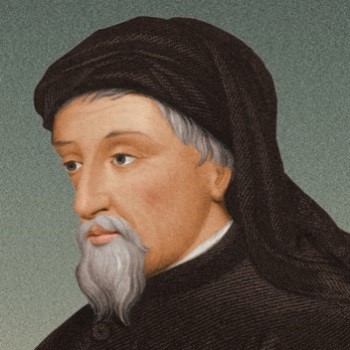
Who was the Black Prince?
The Black Prince (1330-1376) was the eldest son of King Edward III of England, and the father of King Richard II of England. He had many other titles: He was also known as the first Duke of Cornwall, the Prince of Wales and the Prince of Aquitaine! And he was known as Edward of Woodstock! (He was called “Edward of Woodstock” in his early life, after his birthplace, but since the 16th century has been popularly known as “the Black Prince”.)
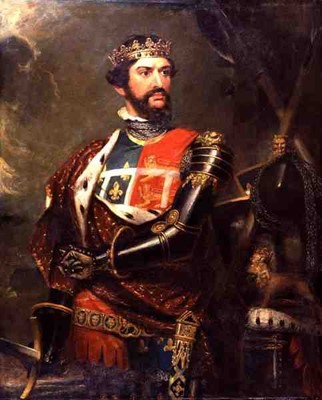
The origins of the name “Black Prince” are uncertain, though many believe it may come from Edward’s black shield, and/or his black armour. Or, maybe it comes from Edward’s brutal reputation, particularly towards the French in Aquitaine. (Edward was an exceptional military leader, and his victories over the French made him very popular in England during his lifetime.) Sadly, Edward died one year before his father, and so became the first English Prince of Wales that did not become King of England. The throne passed instead to his son Richard II, who was only a young boy when King Edward III died.
5.
Today we will watch the first “epidose” of the film. Make sure that you pay attention to all the information and that you concentrate when watching the film, as you may be tested on this at some point…
So, the film is set in Medieval times. Peasant, William Thatcher, creates a new identity for himself, as a knight called Sir Ulrich von Liechtenstein. (He did this, because he wanted to participate in more tournaments, but only knights and nobles were allowed to take part in the tournaments.)
6.
The following text gives more relevant background information:
The film that you are about to watch is a medieval adventure action film. It is told in an anachronistic style with many modern references. The film follows a peasant who pretends to be a knight, along with his companions, in the world of medieval jousting. William poses as a knight and competes in tournaments, winning accolades and acquiring friendships with such historical figures as Edward, the Black Prince of Wales and Geoffrey Chaucer. (The film takes its title from Chaucer’s “The Knight’s Tale” in his Canterbury Tales, though the plot is not similar.)
7.
It is very important to understand what you read. So, quickly look at the meanings of the following words: anachronistic, jousting and accolades.
- anachronistic – belonging to a period other than that being portrayed
- jousting – a medieval sporting contest in which two opponents on horseback fought
- accolades – an award given as a special honour or as an acknowledgement
8.

Read the following text which gives you a bit of an overview of the events in the first “episode” of the film:
At a jousting tournament in 14th-century Europe, young squires William Thatcher, Roland, and Wat discover that their master, Sir Ector, has died. If he had completed one final pass he would have won the tournament. Destitute, William wears Ector’s armour to impersonate him, winning the tournament and taking the prize.
Although only nobles are allowed in tournaments, William is now inspired to compete and win more prizes. Roland and Wat would rather take their share of coins and leave, but William convinces them to stay and train him to joust. Along the way to his first tournament in Rouen (in France), the three bumped into Geoffrey Chaucer, who is also destitute and agrees to forge the patent of nobility, a document to prove that the contestant is indeed a noble. This document was needed to allow William to enter, using the false name “Sir Ulrich von Liechtenstein” from Gelderland!
9.
Again, there are more words that you need to know the meanings of: squire, destitute, joust and forge.
- squire – a young nobleman acting as an attendant to a knight before becoming a knight himself
- destitute – extremely poor and lacking the means to provide for oneself
- joust / jousting – a medieval sporting contest in which two opponents on horseback fought
- forge – to falsify something in order to deceive
10.
Now, watch “Episode 1” by accessing it in Schoology Materials. (This “episode” is 23:34 minutes long.)
If, for some reason, it does not work, click on the square (at the top right) in the schoology page for “Episode 1” – then the video should work. (Make sure that you are logged into your school gmail account!) It looks like this:

11.
Now start working through your mini project booklet…
(Click on the booklet to access the online flipbook.)
12.
If available on Schoology, complete the “Quiz/Test” on “Feudalism”. It is “timed” and will take you no more than 7 minutes…! (You only get one attempt at this. Also, please note that quiz will expire… So, make sure that you do it in time!)

(WordPress advertisements may appear below.)
Y10: HW-25 Answers (Treaty – Dissatisfaction)
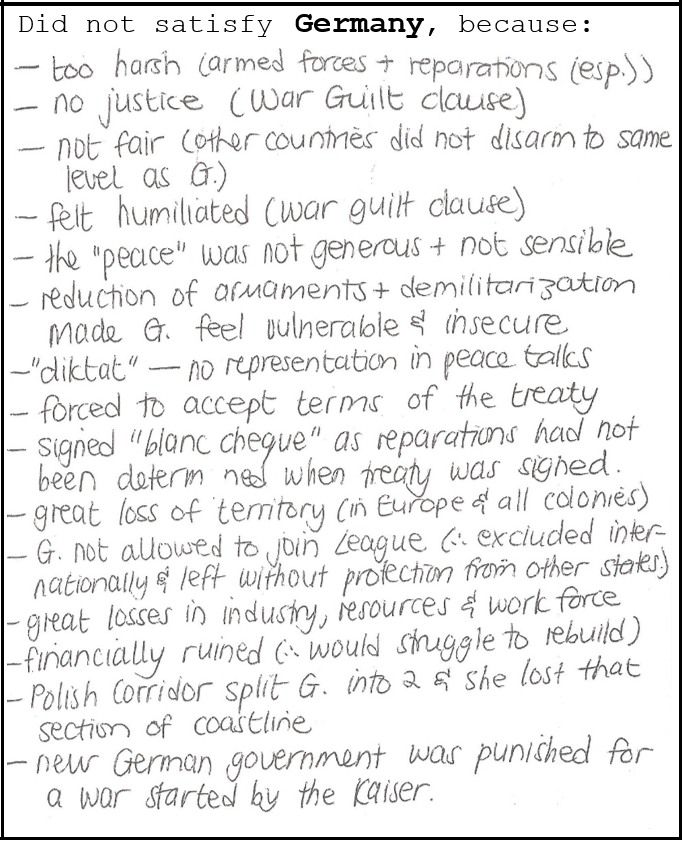
This is an “research” & “note making” homework!

Task 4 on p.82-83.
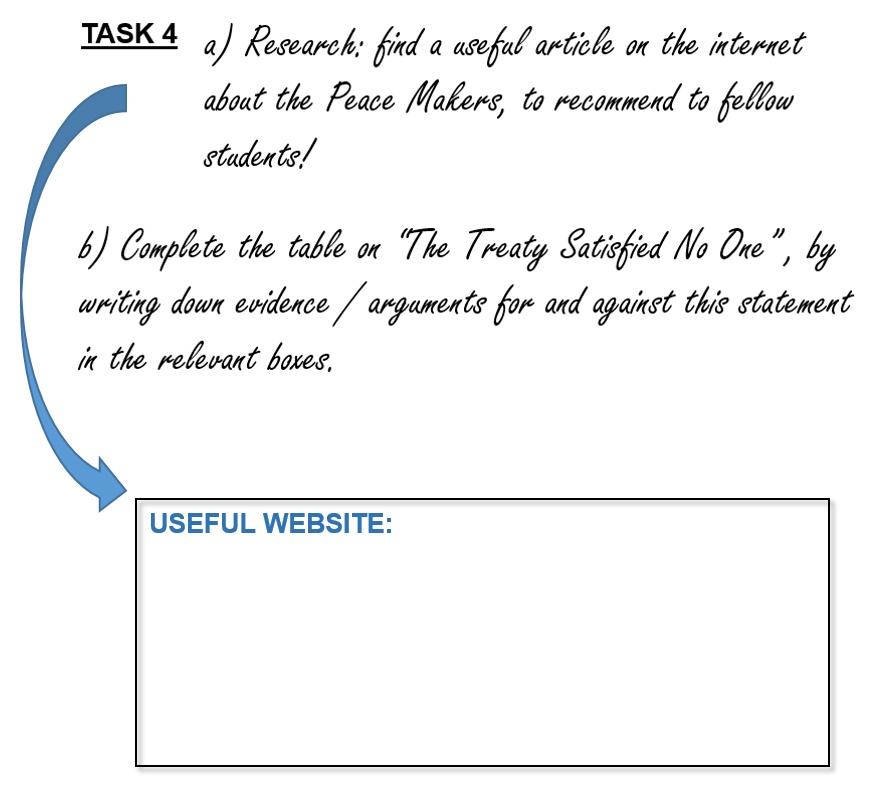

Share your website suggestions with the rest of the class!
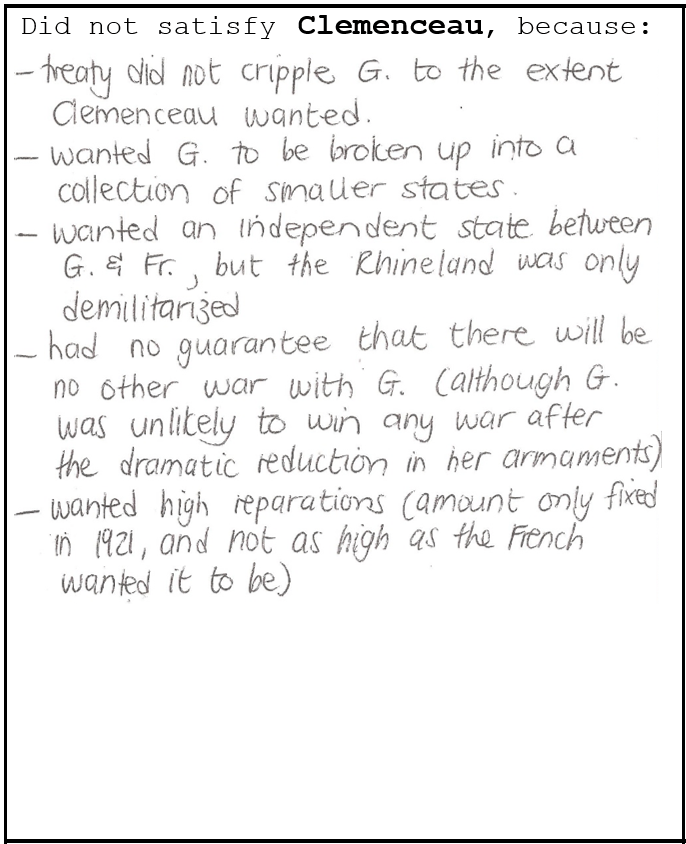
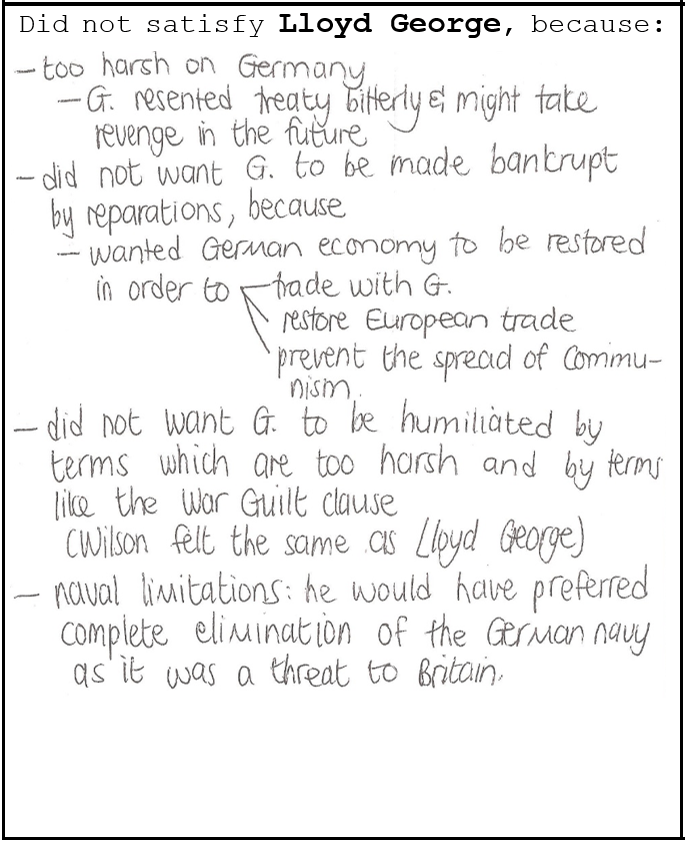
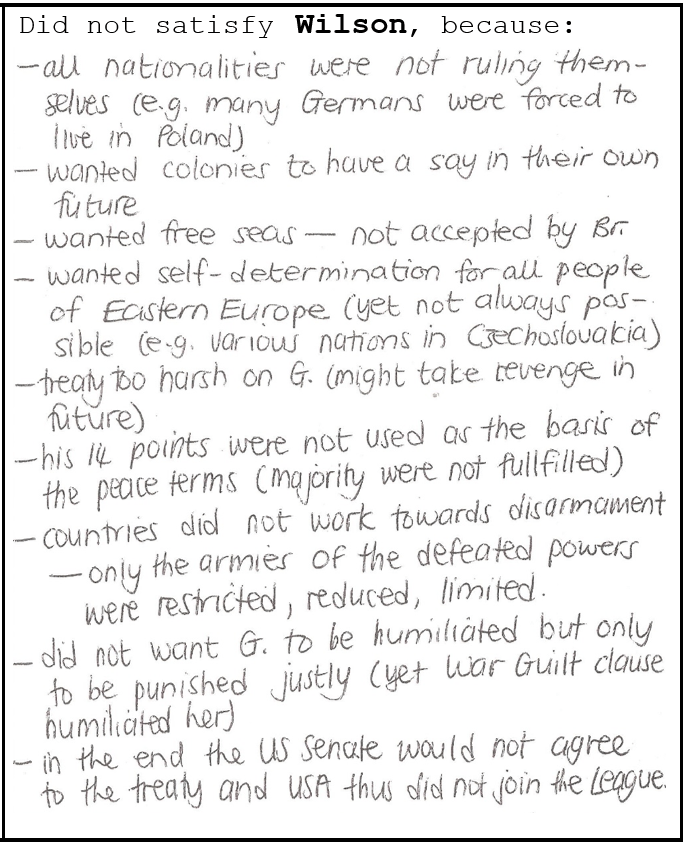
(WordPress advertisements may appear below.)
Protected: Y10: 7-3. Exams – Feedback III
Y11: 1-3. Social Work of the League – continued
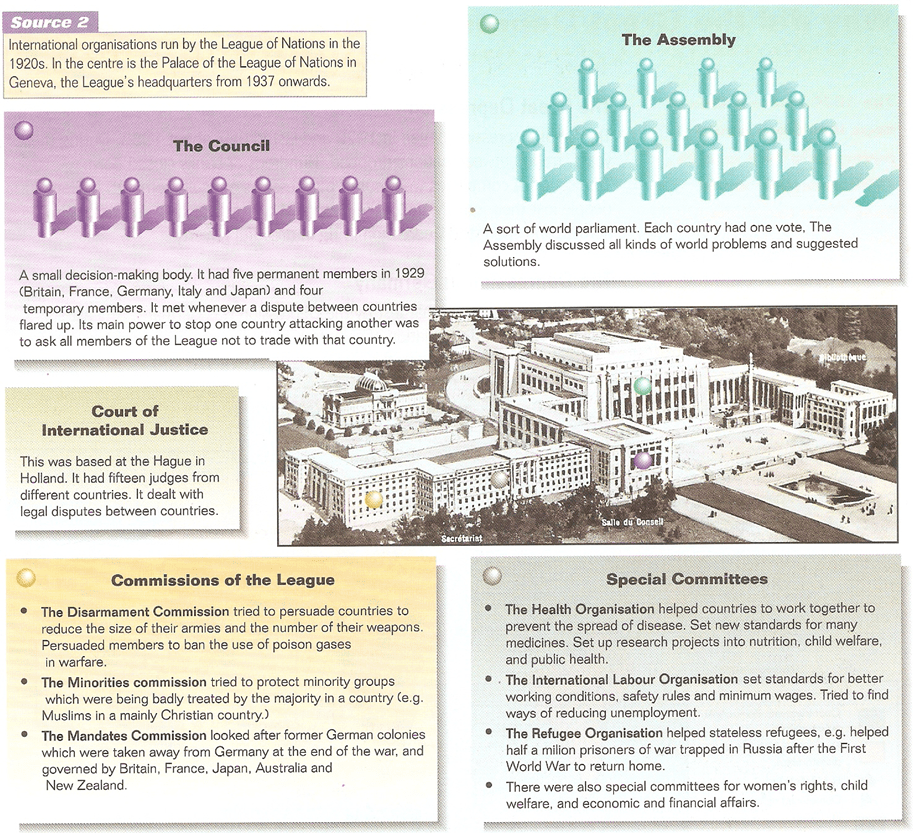
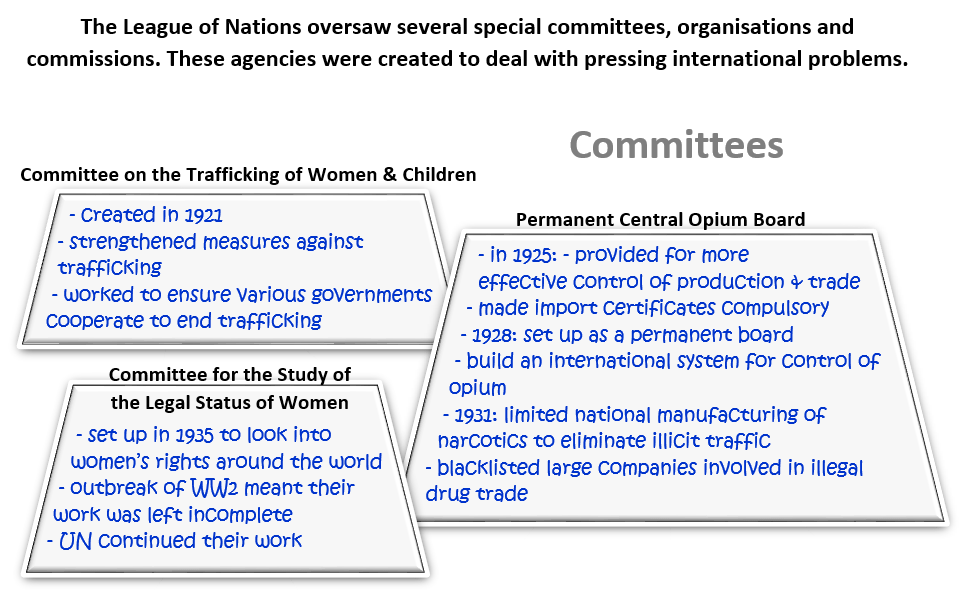
Today you are going to continue with your investigation of the social work of the League of Nations!

“an international organisation, set up after WW1, as part of the Paris peace settlement, to keep world peace and improve social conditions world-wide”
TASK
Continue with your Presentation task on the League of Nations’ efforts to make the world a better place…

Make a PowerPoint Slides Presentation about “The Social Work of the League of Nations”.
There are three requirements… Your presentation must:
- include relevant information
- include exactly 7 slides
- comprise of 50% text and 50% images

Your Presentation must be shared with me for assessment.
Relevant Information:
-Extract 1-

-Extract 2-
-Notes-


(WordPress advertisements may appear below.)
Y11: 1-2. Social Work of the League of Nations
Today you are going to continue with your investigation of the social work of the League of Nations!
“an international organisation, set up after WW1, as part of the Paris peace settlement, to keep world peace and improve social conditions world-wide”
TASK
Continue with your Presentation task on the League of Nations’ efforts to make the world a better place…
Make a PowerPoint / Slides Presentation about “The Social Work of the League of Nations”.
There are three requirements… Your presentation must:
- include relevant information
- include exactly 7 slides
- comprise of 50% text and 50% images
Your Presentation must be shared with me for assessment.
Relevant Information:
-Extract 1-
-Extract 2-
-Notes-
(WordPress advertisements may appear below.)
Y11: 1-1. League of Nations – Introduction
Today you are going to start with your topic on “The League of Nations” by investigate what sort of social work the League of Nations did!
1.
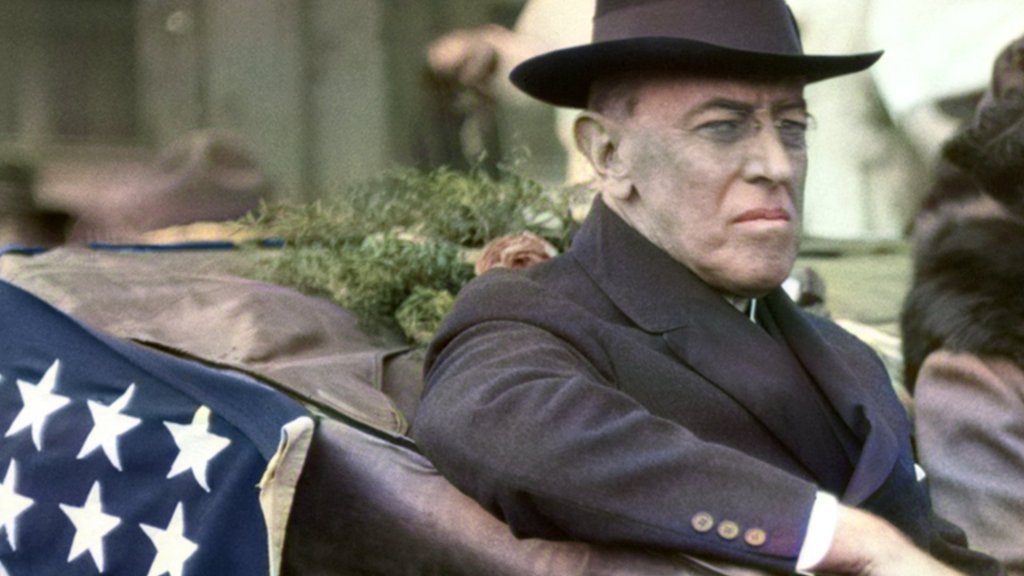
The League of Nations was the brainchild of President Woodrow Wilson. Unfortunately the USA did not join the League of Nations as the US Senate refused to ratify the agreement…
2.
What was the League of Nations?
“an international organisation, set up after WW1, as part of the Paris peace settlement, to keep world peace and improve social conditions world-wide”
3.
Aims of the League of Nations
The League of Nations had a number of aims. They include:
- to keep peace & prevent war
- to deal with disputes among nations
- to protect the independence of countries
- to safeguard borders
- to encourage countries to reduce armaments
- to improve social conditions worldwide
- to safeguard the terms of the post-war treaties
4.
Examine the two extracts below to determine what the structure of the League of Nations looked like:
-Extract 1-
-Extract 2-
5.
You should have noted that the League operated by means of a number of departments:
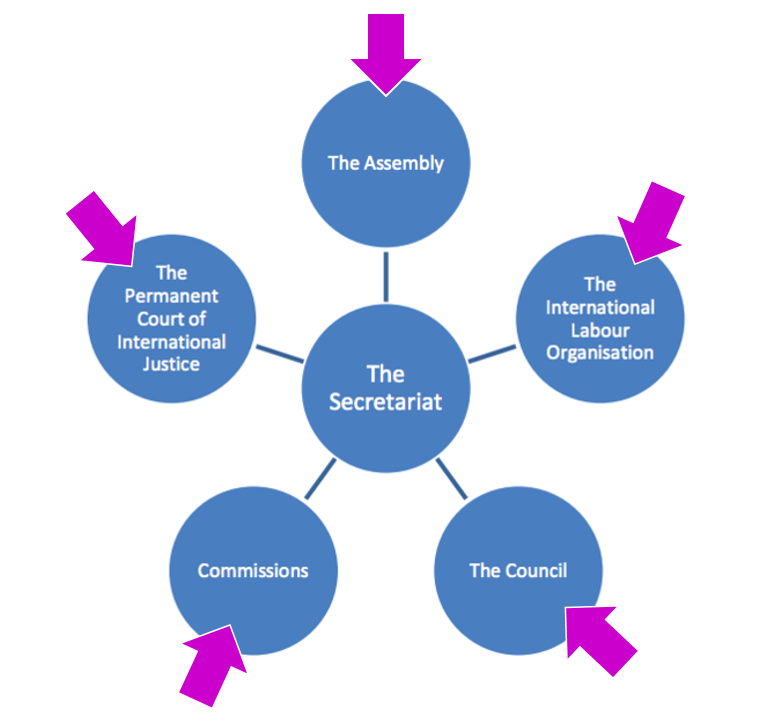
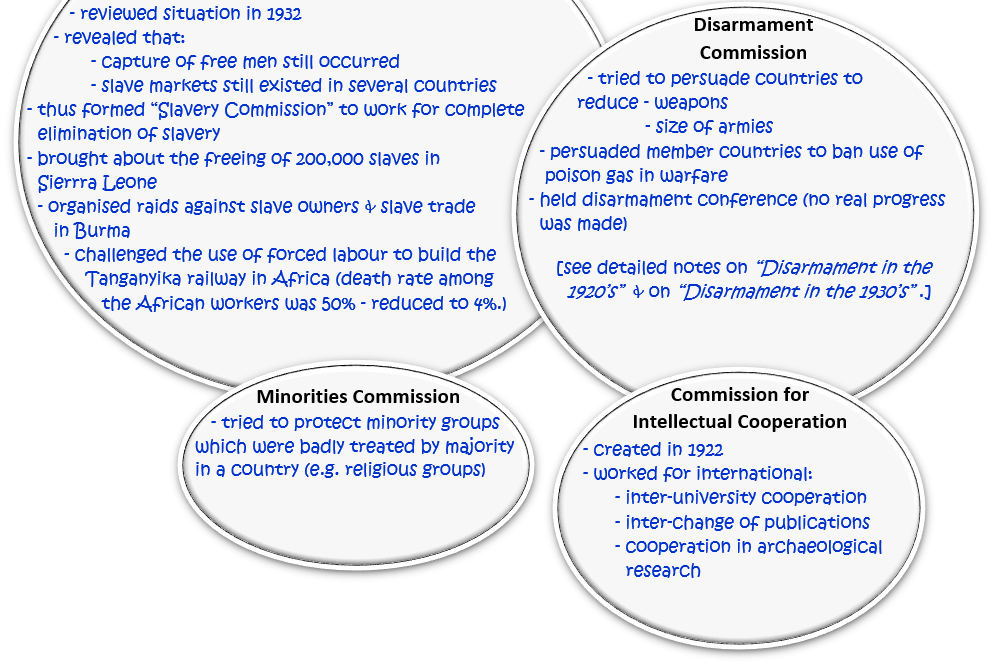
Today, we are going to look specifically at the “Commissions” and Special Committees that the League used to improve social conditions worldwide.
5.
So, let’s focus on the League’s efforts to improve social conditions worldwide… Read the following details about the League’s efforts to improve Social Conditions:
6.
Use the above information to make a PowerPoint / Slides Presentation about “The Social Work of the League of Nations”.
There are three requirements… Your presentation must:
- include relevant information
- include exactly 7 slides
- comprise of 50% text and 50% images
Your Presentation must be shared with me for assessment.
(WordPress advertisements may appear below.)
Y9: Film Study – Flyboys IV
Year 9A & Year 9B
Follow the order in which I give you instructions:
1.
Today you are going to finish watching “Flyboys”, our film study that is set in the First World War, about the young Americans who became France’s first fighter pilots, before the U.S. entered World War I.
2.
Previously…
Earlier on, during a battle, Rawlings’ machine gun jammed; Wolferd – the pilot he was chasing – flied beside him and saluted before banking away, sparing his opponent’s life. All but Higgins died during the process.
Rawlings killed Wolferd when the German dived after another American. Learning that German forces will invade Lucienne’s village, Rawlings single-handedly rescued Lucienne, her nephews, and niece. Unfortunately, Lucienne got injured…
3.
In this episode…
Rawlings is awarded the Croix de Guerre medal for bravery… Later he gets promoted to Squadron Leader. Lucienne is no longer there… And, after escorting another bomber run on the ammunition depot, Rawlings takes off to take revenge on the Black Falcon…!
4.
Now, watch “Episode 4” by accessing it in Schoology Materials. (This final “episode” is 34:21 minutes long.)
If, for some reason, it does not work, click on the square (at the top right) in the schoology page for “Episode 4” – then the video should work. (Make sure that you are logged into your school gmail account!) It looks like this:
5.
Recap…
So, while attacking a German Zeppelin, Reed Cassidy was mortally wounded by the Black Falcon, but crashed into the Zeppelin, destroying it. Newcomer, Porter was also sacrificed during the battle. Rawlings reunited with Lucienne before she left for Paris. Rawlings’ plane was presented with an eagle, Cassidy’s insignia, and he got promoted to Squadron Leader.
After escorting another bomber run on the ammunition depot, Rawlings took off to take revenge on the Black Falcon. During the battle Lowry is lost as he decided to commit suicide by shooting himself (after his plane caught fire). He was followed by Jensen, who saved Rawlings. Wounded and with his guns jammed, Rawlings evaded his enemy and fatally shot the Black Falcon with his pistol. Rawling, Jensen, Skinner, and Beagle survived the encounter and returned to base.
Jensen flied for the rest of the war; returning to Nebraska, he received a hero’s welcome. Skinner enlisted in the US Army but was kept from flying due to his race; he later joined the Airmail Service. Beagle married an Italian woman and started a flying circus. Rawlings went to Paris but did not find Lucienne. He built one of the largest ranches in Texas, but never flew again.
6.
GOOFS
-factual errors-
Fokker DR-1 triplanes were never used in the great quantities seen in the film. The filmmakers used them because they were easily distinguished from the allied biplanes, and didn’t want to leave viewers unsure as to who was on what side during these sequences.

The hammers the pilots are given to correct machine-gun jams look like finishing hammers for small nails.

When WW I pilots did take hammers aloft, they were mallets with large, heavy heads to exert the necessary force on a stuck charging handle.
WWI biplanes were not capable of the aerodynamic maneuvers shown in the movie. They would have stalled or crashed had they attempted those maneuvers in real life. The aerobatics shown would be tough even for modern fighter planes to accomplish.
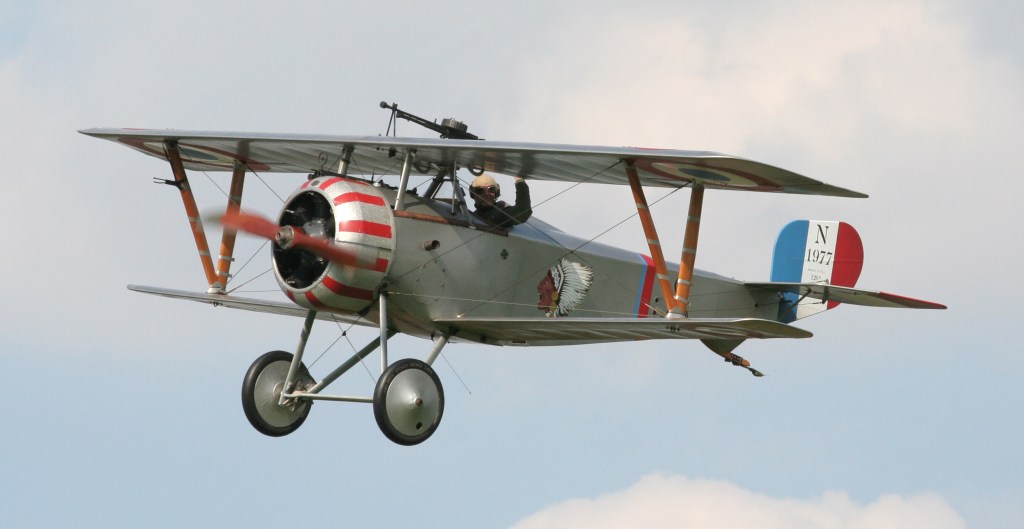
6.
REVEALING MISTAKES
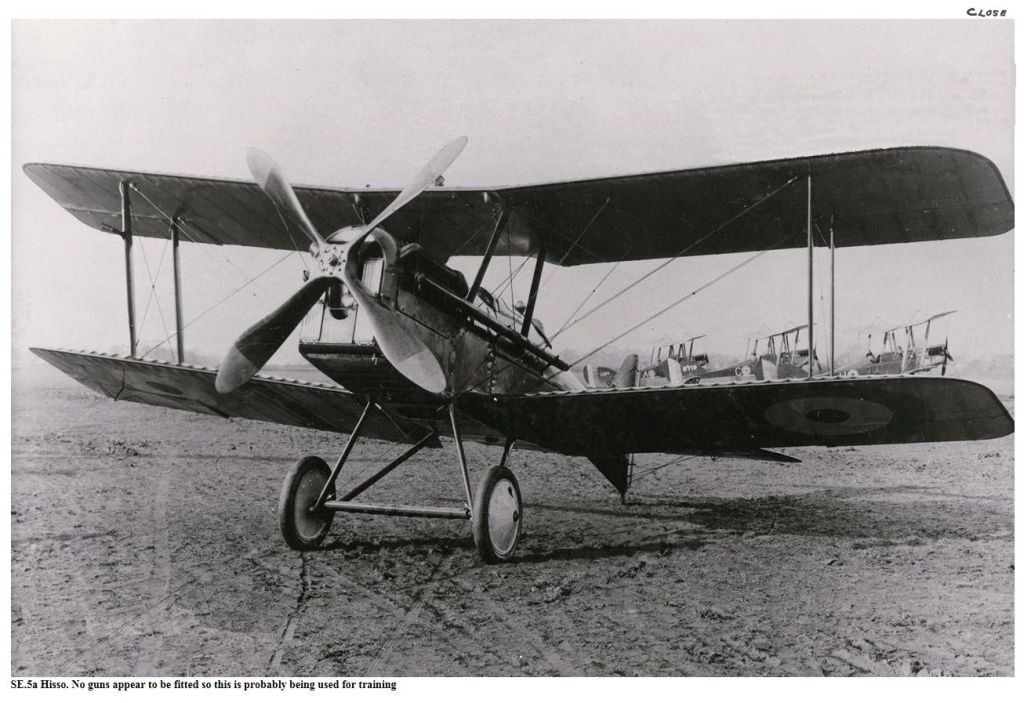
Visible in some shots are wheel brake assemblies on some of the aircraft. In actuality no WW1 fighter aircraft featured brakes on the wheels.
Based on Cassidy’s body position and the angle of attack from the Black Falcon, the first bullet that hits Cassidy in the left chest area should have gone through his glass windscreen, but it remains undamaged.
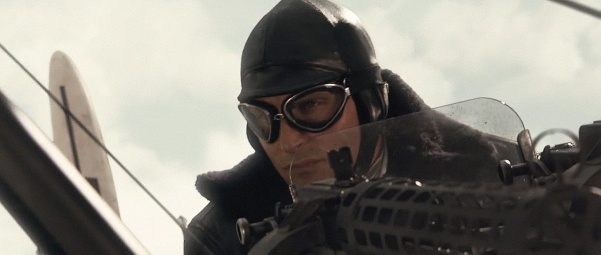
7.
QUOTES
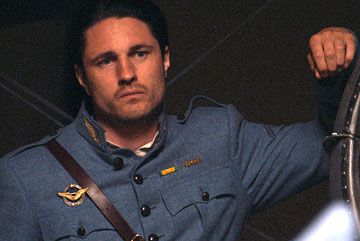
Some day it’ll just end. Everyone will go home, get on with their lives. Tall grass will cover the battlefields. And all the pilots we’ve lost won’t mean a damn thing.
REED CASSIDY
You still wanna rub my head for luck, Rawlings?
EUGENE SKINNER


None of us knows how much time we have left, and we can’t waste any of it grieving over things we can’t change.
REED CASSIDY
(after shooting down a German plane with his hook hand)
Beware the hook!
EDDIE BEAGLE
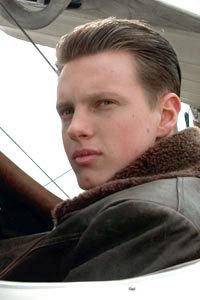
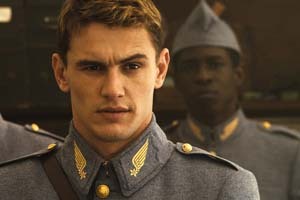
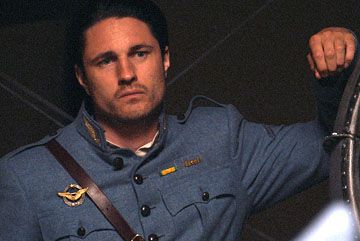
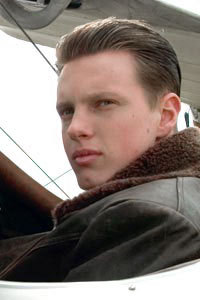
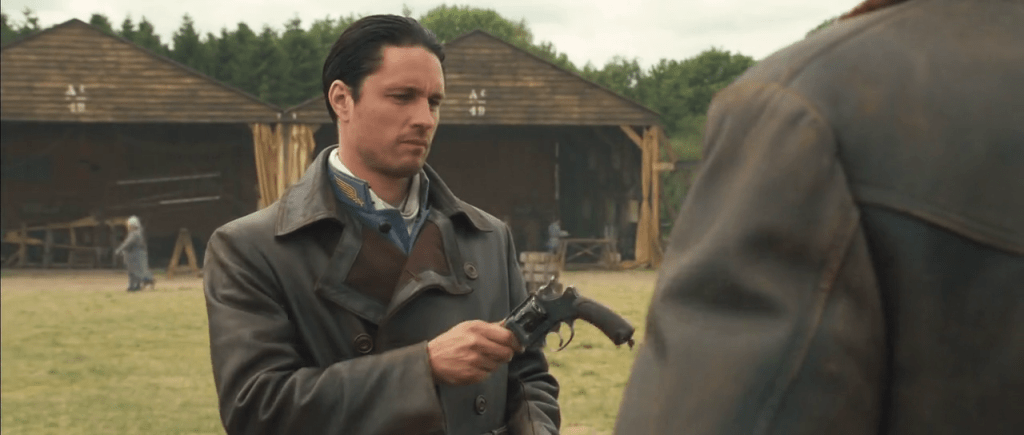
Blaine Rawlings: (wondering why Cassidy is offering a pistol) What’s this for?
Reed Cassidy: Plane catches fire you got three choices: You can burn with it all the way to the ground; You can jump several thousand feet; or you can take the quick and painless way out.
(HANDING GUN TO BEAGLE)
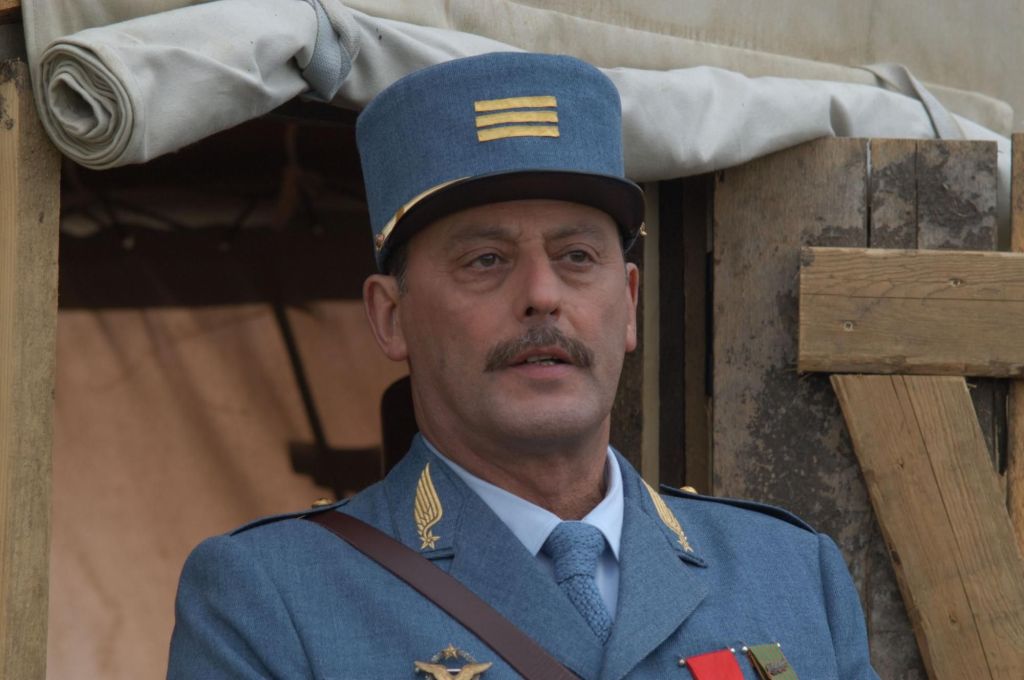
(presents Rawlings with a medal for heroism)
Congratulations, Rawlings…and don’t ever do that again!
CAPTAIN THENAULT
8.
More airplane GOOFS
-if you are interested-
-1-
The movie takes place in late 1916 and early 1917. The Fokker Dr.I triplane didn’t appear until September 1917. Likewise, the Bristol Fighter and SE5a weren’t available until after the time period depicted in the movie. Also, the paint schemes shown on the Dr.I triplanes are wrong. The crosses weren’t painted on the upper surfaces of the lower wing and the all-red paint scheme was only used on Manfred von Richtofen’s (the Red Baron’s) plane; however many of the planes in his unit were partly red. Correct German fighter planes for the time frame of the movie would have been the Albatros DI, DII, and DIII, and the Halberstadt DII.
-2-
In one scene Cassidy is being chased by a German fighter plane. He pulls up on the stick and gains altitude and slows way down so the German plane flies past him under him. WWI fighter planes were incapable of doing such a maneuver, they simply could not go fast enough and would stall.
-3-
The German airship “L 32” was built on 4th of August 1916 and carried out one reconnaissance mission for a naval attack against Sunderland and three bombing missions against England. Only one and a half month later – on 24th of September, British fighters shot it down. So there was never a mission performed against Paris or even France!
-4-
The top speed of the Fokker triplane is about twice the speed of the fastest Zepplins the Germans had in WW1, yet they are both going about the same speed in the movie.
9.
If available, complete the survey, in Materials in Schoology, called “End of Year Review”… Do this to the best of your ability – I value your input!
10.
And now, to end off today’s lesson, I want to share my favorite “History song” with you! This song was written by a South African songwriter, Christopher Torr and is sung by his wife, Laurika Rauch, who is a well known South African singer.
The song is unique – as you will discover – as the lyrics are almost entirely made up of the names of places…!! All the places mentioned in the song are places where famous battles and struggles occurred. (I am confident that you will recognize the significance of some of these places!) She also sings of a city where there will be peace and where the streets will be paved with gold and where no battles will occur… (The name of the song is “Hot Gates”, which is a place, in Greece, also known as Thermopylae, where a famous battle took place.) I hope you find this unique song as interesting as I do…
11.

Finally, in case you have not realized, you can access your marks if you click on “Grades” (on the menu on the left in the Schoology History course).
12.
I enjoyed teaching you, Year 9’s, and I wish you all of the best! Have a lovely summer holiday!

(WordPress advertisements may appear below.)
Y9: Film Study – Flyboys III
Year 9A & Year 9B
Today you are going to continue watching “Flyboys”, our film study that is set in the First World War that shows the adventures of the Lafayette Escadrille, young Americans who volunteered for the French military and became the country’s first fighter pilots, before the U.S. entered WW1.
Follow the order in which I give you instructions:
1.
Previously…
On their first mission, escorting bombers to attack a German ammunition depot, the rookie pilots were ambushed by Germans. Two were killed in the air (Toddman and Dewitt), and a third (Nunn) was forced to make an emergency landing, and was killed on the ground by ruthless German pilot “The Black Falcon”; the more chivalrous German pilot Franz Wolferd shook his head in disapproval…
2.
In this episode…
Rawlings is now intent on revenge and continues to pursue the ruthless “Black Falcon”… Also, against the orders of Captain Thenault, Rawlings comes to the assistance of Lucienne…
3.
Now, watch “Episode 3” by accessing it in Schoology Materials. (This “episode” is 43:21 minutes long.)
If, for some reason, it does not work, click on the square (at the top right) in the schoology page for “Episode 3” – then the video should work. (Make sure that you are logged into your school gmail account!) It looks like this:
4.
TRIVIA
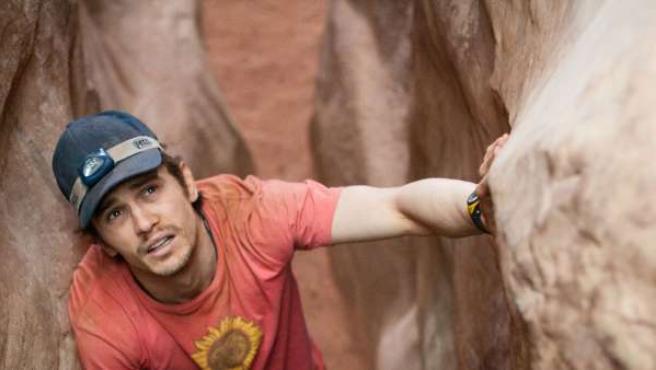
Blaine Rawlings is played by James Franco. Rawlings cuts the left arm off a fellow pilot when trapped by an immovable object (in this case his plane). Four years later, in the film “127 Hours” (2010), which is also based on a true story, James Franco features in the role of Aron Ralston, a mountaineer who cuts off his right arm when trapped by a boulder.
5.
GOOFS
-anachronism-
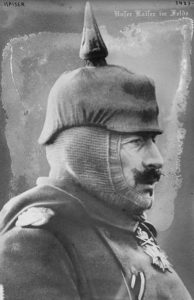
In the scenes where the pilot crashes into no-mans-land, the Germans soldiers are shown wearing spiked helmets. The Germans abandoned these helmets in favor of the familiar trench helmets in mid-1915. They would not have been in use during the time portrayed in this film.
-factual error-
When Lowry shares a bottle of cognac with Skinner he claims it’s ‘a hundred year old bottle of Louis XV’.
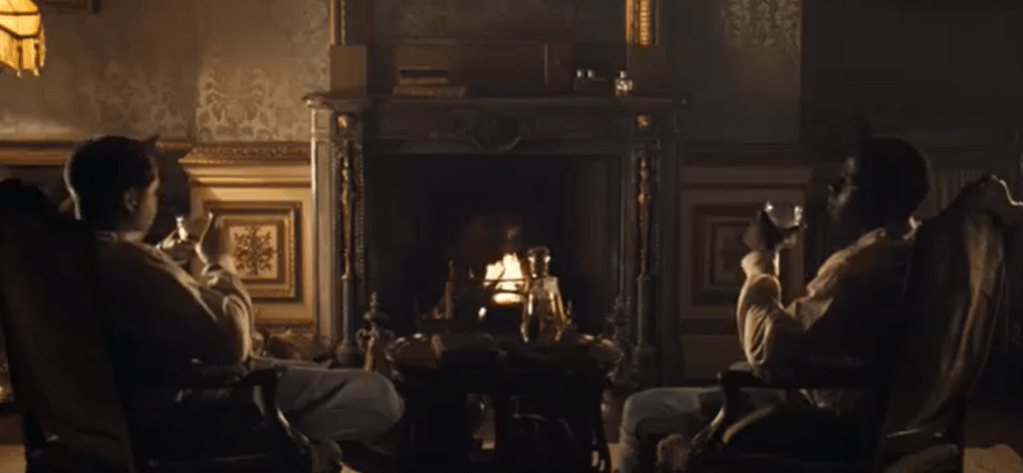
In fact, there is no such thing. The bottle he is holding up is a bottle of Louis XIII.
-factual error-
The German column marching through the fields near Lucienne’s farm includes several tanks. The German Army built only a handful of tanks during the course of the war,
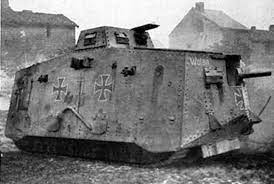
the first time they were used in action was on the 21st March 1918. The majority of tanks used by the Germans during World War One were captured French and British ones.
(WordPress advertisements may appear below.)
Protected: Y9: Film Study – Flyboys II
Y9: Film Study – Flyboys I
Year 9A & Year 9B
Today you are going to start watching “Flyboys”, a film set in the First World War…. The film shows the adventures of the Lafayette Escadrille, young Americans who volunteered for the French military and became the country’s first fighter pilots, before the U.S. entered World War I.
Follow the order in which I give you instructions:
1.
Let’s first do a quick History of the first flight, and then also look at a short History of the use of aeroplanes in WW1…

Wright Brothers’ First Flight (1903). (3:08 minutes long)
Planes – WW1. (7:00 minutes long)
2.
BACKGROUND
Flyboys is a 2006 war drama set during WW1. It was directed by Tony Bill, a pilot and aviation enthusiast. Themes of friendship, racial prejudice, revenge and love are also explored in the film.
The film follows the enlistment, training, and combat experiences of a group of young Americans who volunteer to become fighter pilots in the Lafayette Escadrille, the 124th air squadron formed by the French in 1916. The squadron consisted of five French officers and 38 American volunteers who wanted to fly and fight in World War I. This was before the United States’ entry into the war in 1917. The film ends with an epilogue that relates the fate of each American pilot to the real-life Lafayette Escadrille pilot upon whom his character was based.
3.
In this episode…
In 1916, a group of young Americans go to France to serve in the French Air Service, L’Aéronautique militaire during World War I. The recruits are under the command of French Captain Georges Thenault, with veteran flying ace Reed Cassidy as their mentor. We are introduced to the characters as their enlistment and training start in this episode.
4.
Now, watch “Episode 1” by accessing it in Schoology Materials. (This “episode” is 33:30 minutes long.)
If, for some reason, it does not work, click on the square (at the top right) in the schoology page for “Episode 1” – then the video should work. (Make sure that you are logged into your school gmail account!) It looks like this:
5.
TRIVIA
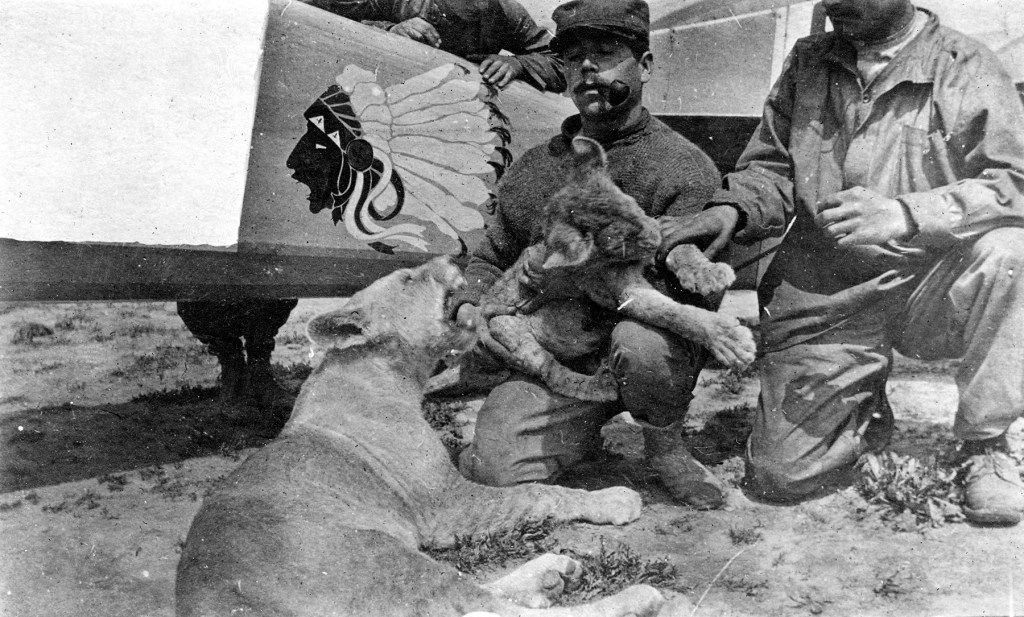
The real Lafayette Escadrille actually had a pair of lion cubs as mascots. One was indeed named “Whiskey,” as in the film. The other was named “Soda.”
The character of Skinner is based on the Escadrille-pilot Eugene Bullard, an American who had gone to France and worked as a boxer there. He was also a son of a slave, just like Skinner. Bullard was rejected from the Lafayette Escadrille by a prejudiced white man. He served in another escadrille in the Lafayette Flying Corps.
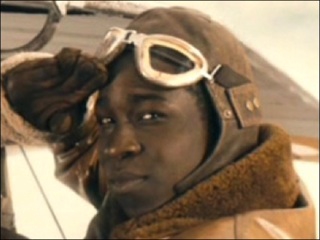
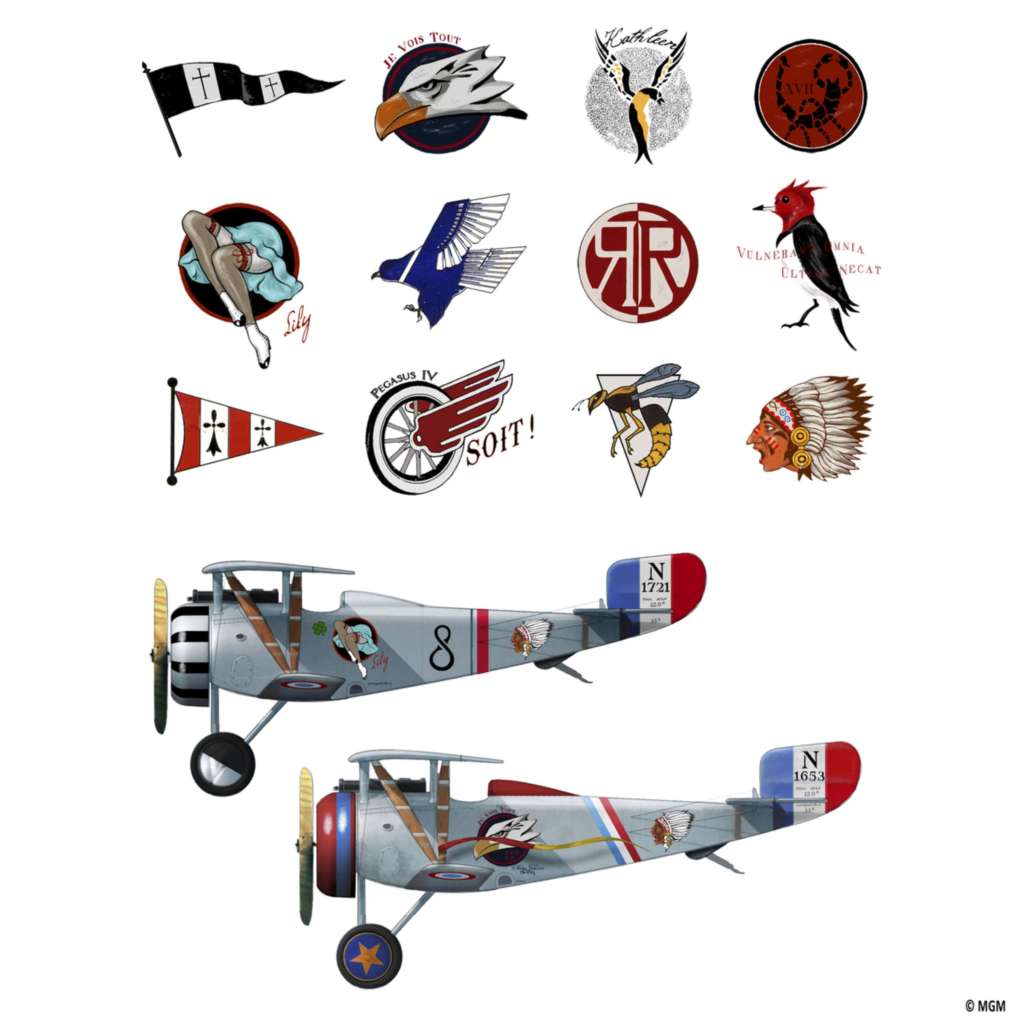
In the scene where the pilots paint personalizations (insignia) on the sides of their airplanes, Lyle Porter is painting a banner that reads “Timothy CH. IV V. 7”. This is reference to a chapter and verse in the Book of Timothy in the Bible. There are two books of Timothy in the Bible, both having a chapter IV and verse 7.
However, more than likely, this would be a reference to the second book of Timothy, chapter IV, verse 7, which might be something a very religious combat pilot might reference on the side of his combat airplane.
“I have fought the good and worthy and noble fight, I have finished the race, I have kept the faith.”
2 Tim.4:7
Aircraft engines of this era leaked oil and the real reason for the scarf was to wipe the oil off the flyer’s goggles, not to protect the neck when turning the head as said in the movie.
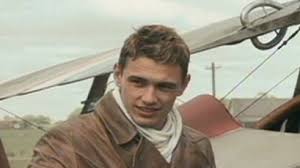
When the pilots returned to base after a mission their faces in the areas not covered by the goggles should have been covered by oil and dirt.
6.
-first lines-
“By the start of 1916, World War I had wreaked havoc across Europe. Over nine million people would eventually die. Although the airplane had only recently been invented, it was quickly adapted into a war machine. The young men who flew them became the first fighter pilots and a new kind of hero was born.”
THE film’s opening prologue
7.
GOOFS
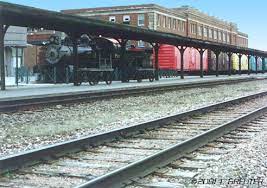
In the beginning of the film scenes from a train station in Lincoln, Nebraska clearly show the name “Union Pacific”. Union Pacific never served or went through Lincoln, Nebraska during WW1. In addition the locomotive, passenger car, and goods wagon are of British origin.
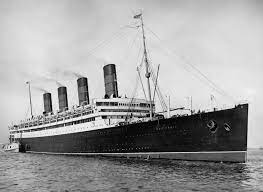
Aquitania, the ship Lowry takes to Europe, ceased North Atlantic passenger service upon the outbreak of war in August 1914. She was ordered into service with the Royal Navy and did not return to civilian passenger service until 1920.
8.
QUOTES
This country (France) has been good to me. Better than my own. I owe them something.
EUGENE SKINNER
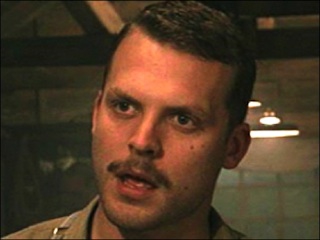
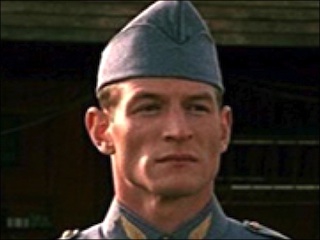
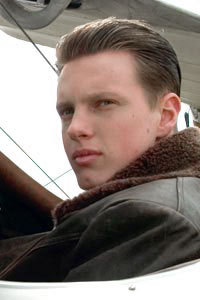
Grant: (walking away from crash-landing his plane) Let me guess, you’re here because you thought it’d be fun to fly airplanes. Go home while you still can.
William Jensen: Guy sure knows how to make friends.
Captain Thenault: All his friend are dead.
Watch the fuel. If you run out of gas, you will sleep with the Germans.
CAPTAIN THENAULT
Captain Thenault: Any questions?
Eddie Beagle: Yes, sir. Will we be back by lunch?
Captain Thenault: I mean any intelligent questions.
Eddie Beagle: Sorry. Just trying to loosen things up.
Captain Thenault: Don’t.
(night before first mission)
(WordPress advertisements may appear below.)
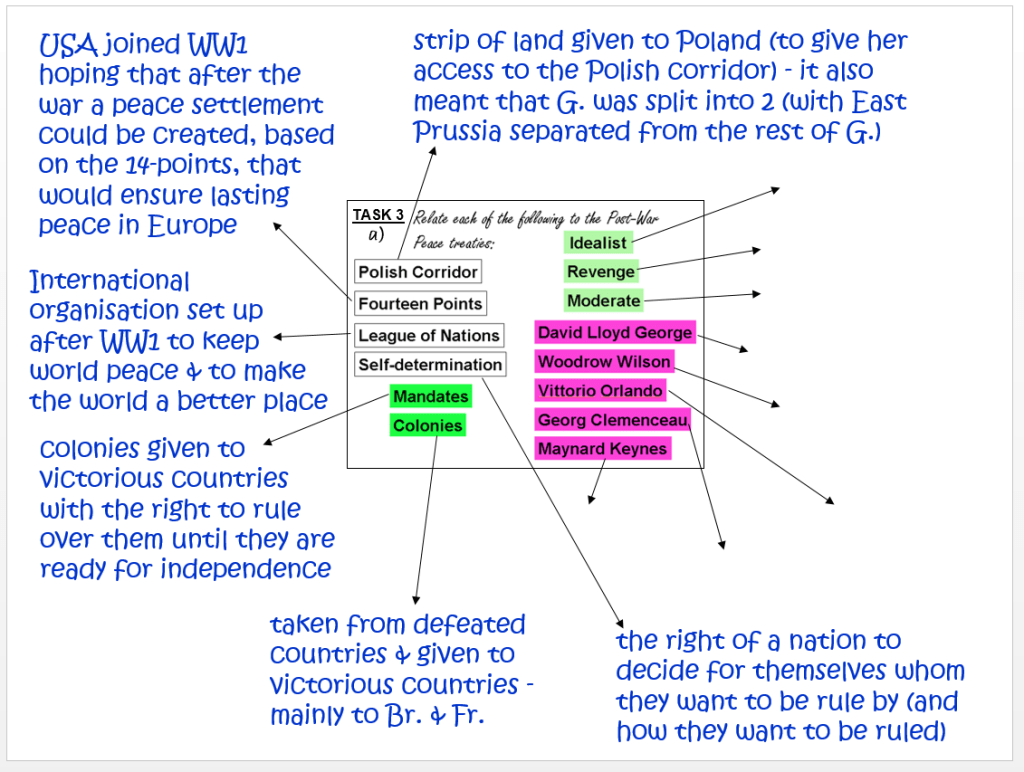
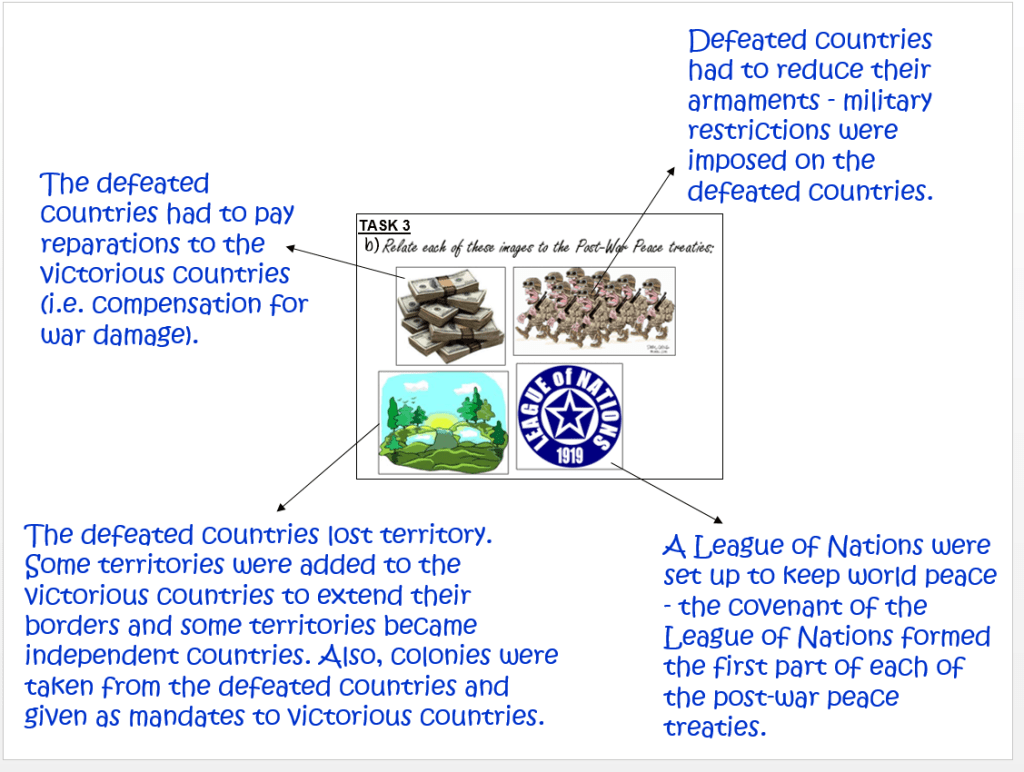
Y10: HW-24 Answers (Treaty – Terms)
This is an “annotation” homework!
Task 3 on p.80-81.
(WordPress advertisements may appear below.)
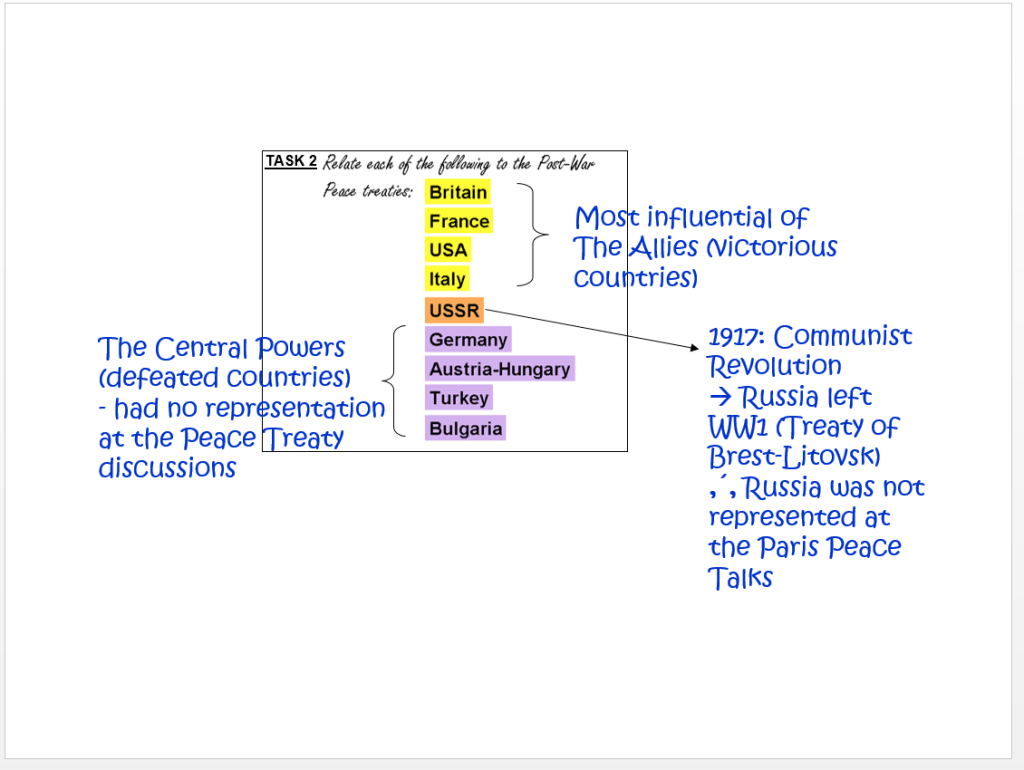
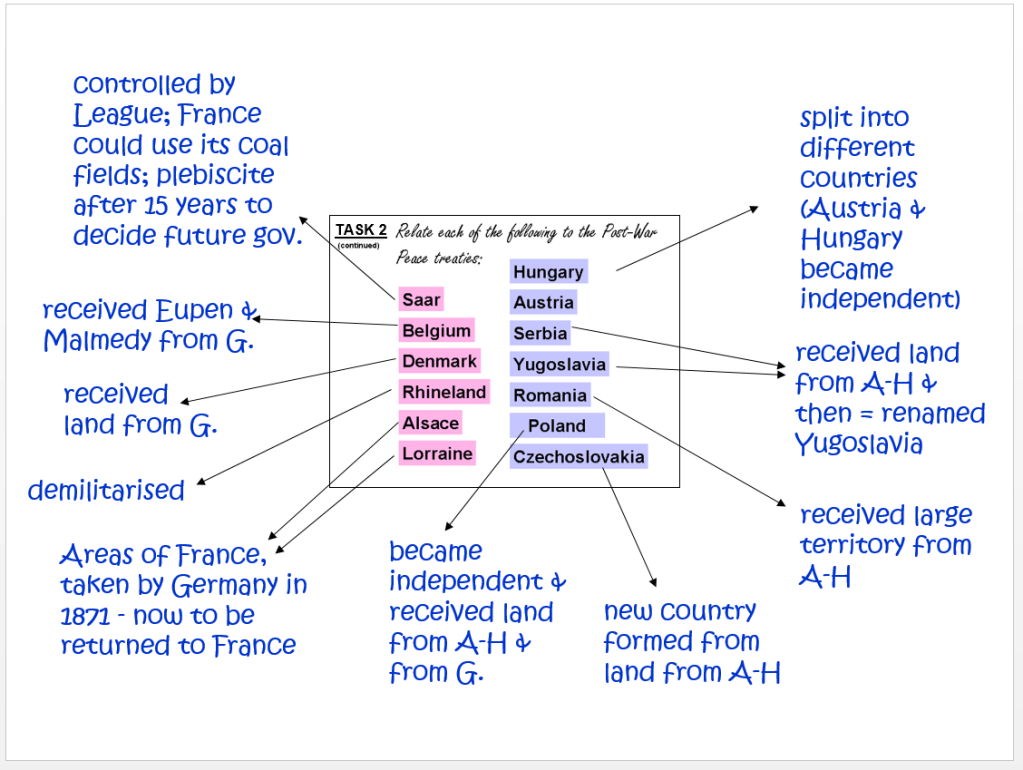
Y10: HW-23 Answers (Treaty – Places)
This is an “annotation” homework!
Task 2 on p.78-79.
(WordPress advertisements may appear below.)
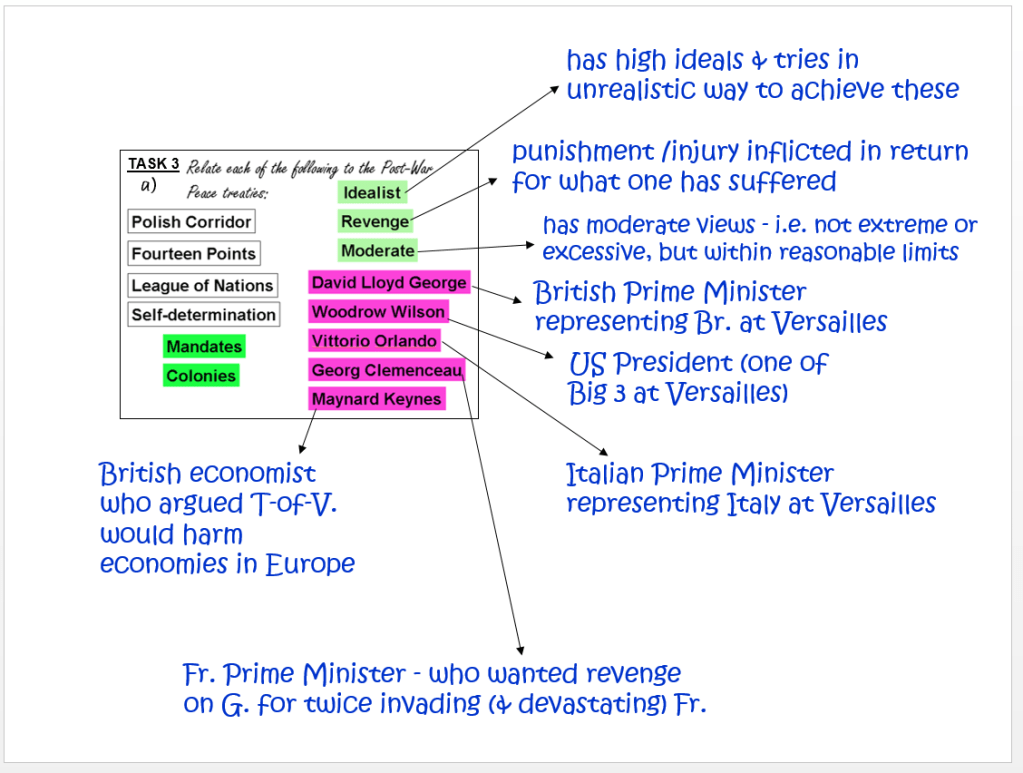
Y10: HW-22 Answers (Treaty – Names)
This is an “annotation” homework!
Task 1 on p.75-77.
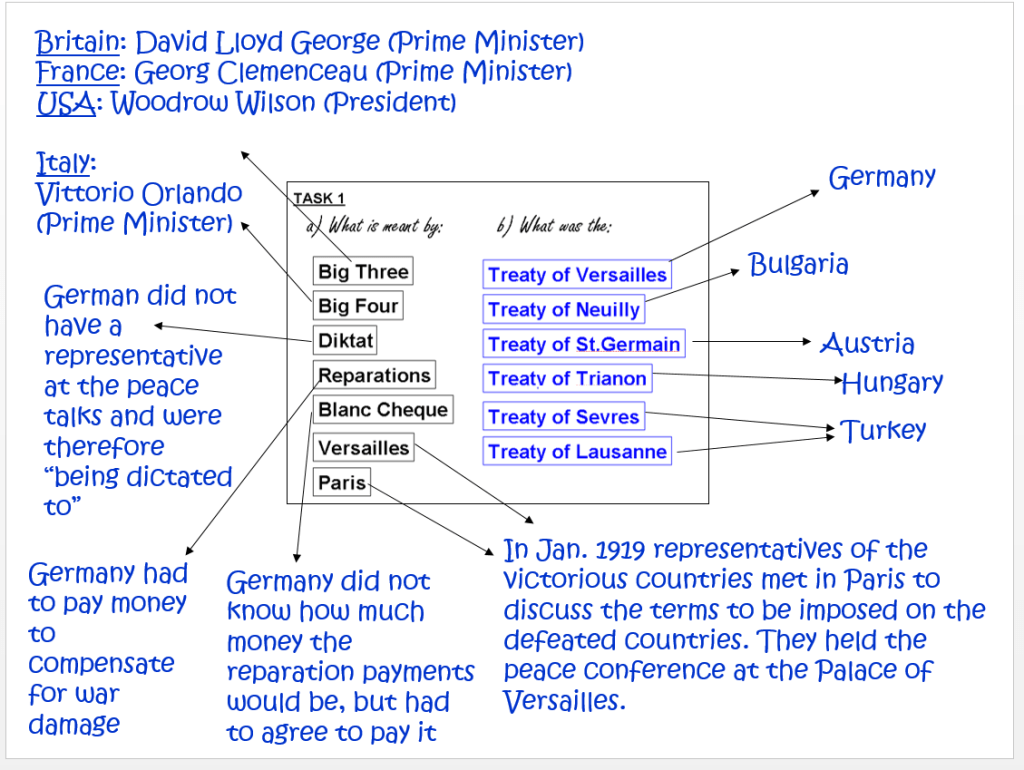
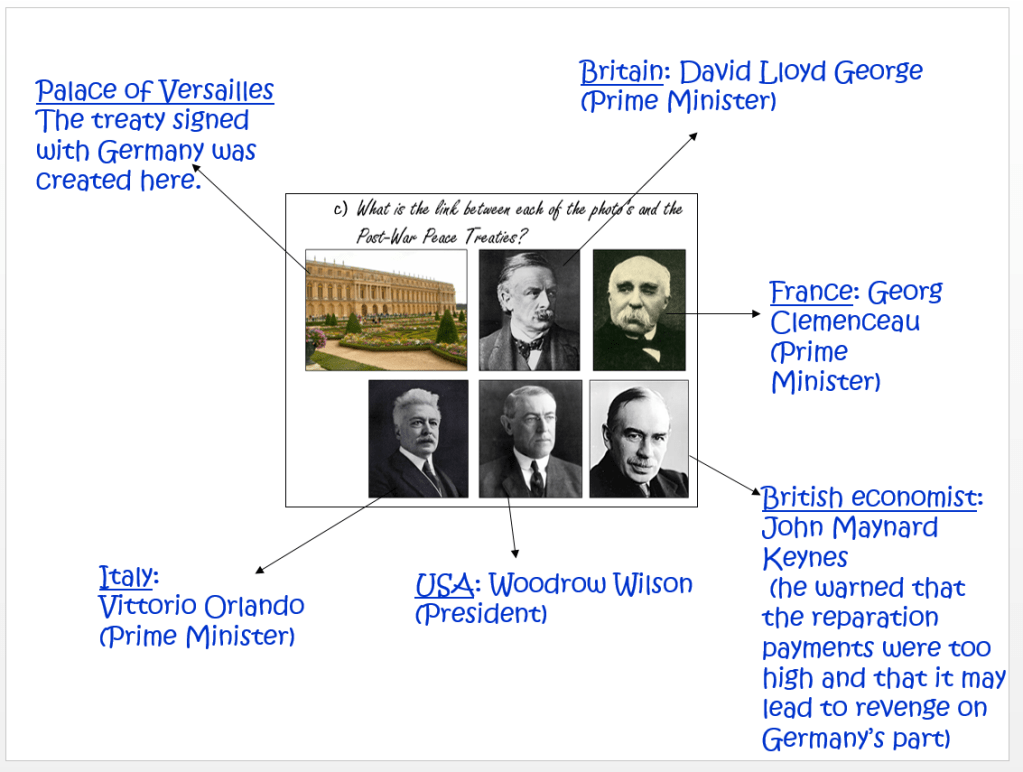
(WordPress advertisements may appear below.)
30. Y10: HW-26 (Test on Treaties)
This is a “studying” homework!!!



Homework Task 26 (p.84) is due:
Monday 9 May 2022

Study all notes from your Post-war Peace Treaties booklet.

Make sure that you know all the diagrams and tables very well – details are important!
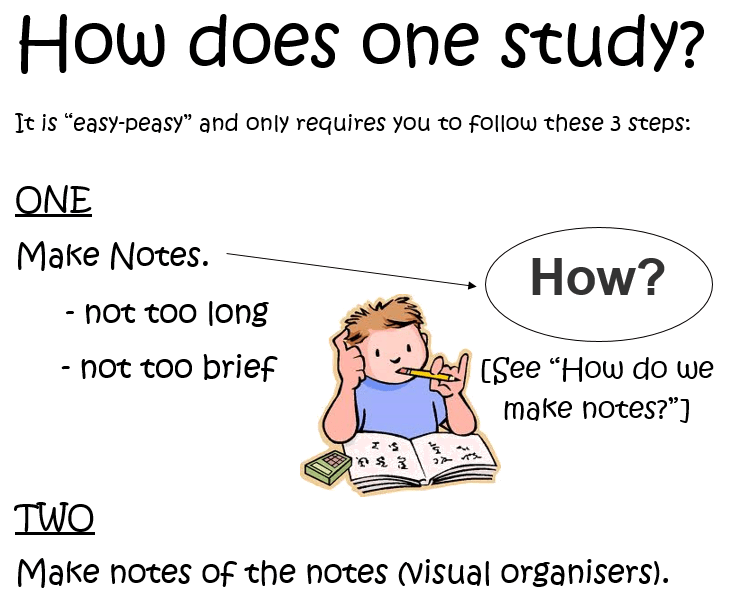
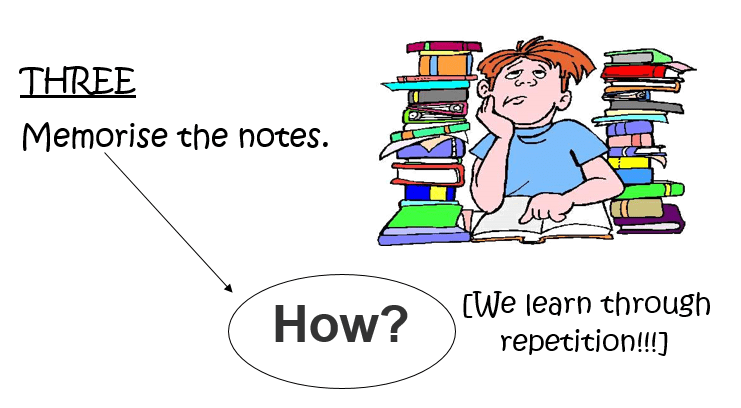

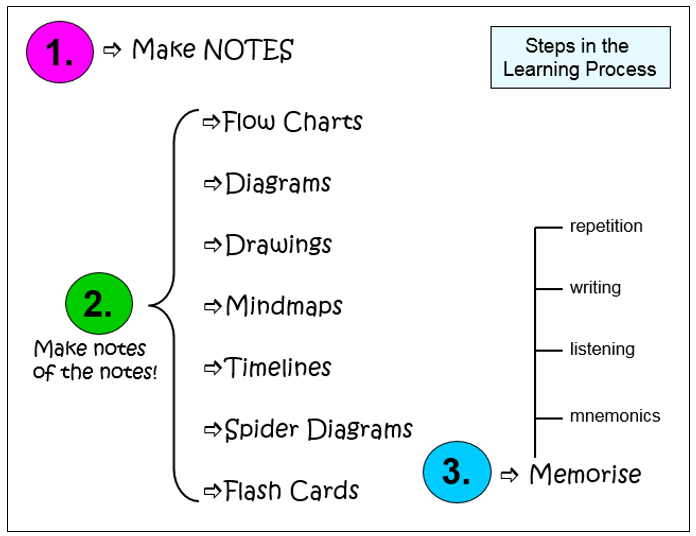
So, this is how we study:
(WordPress advertisements may appear below.)
29. Y10: HW-25 (Treaty – dissatisfaction)
This is a “research” & “note making” homework!

Homework Task 25 (p.82-83) is due:
Monday 13 June 2022
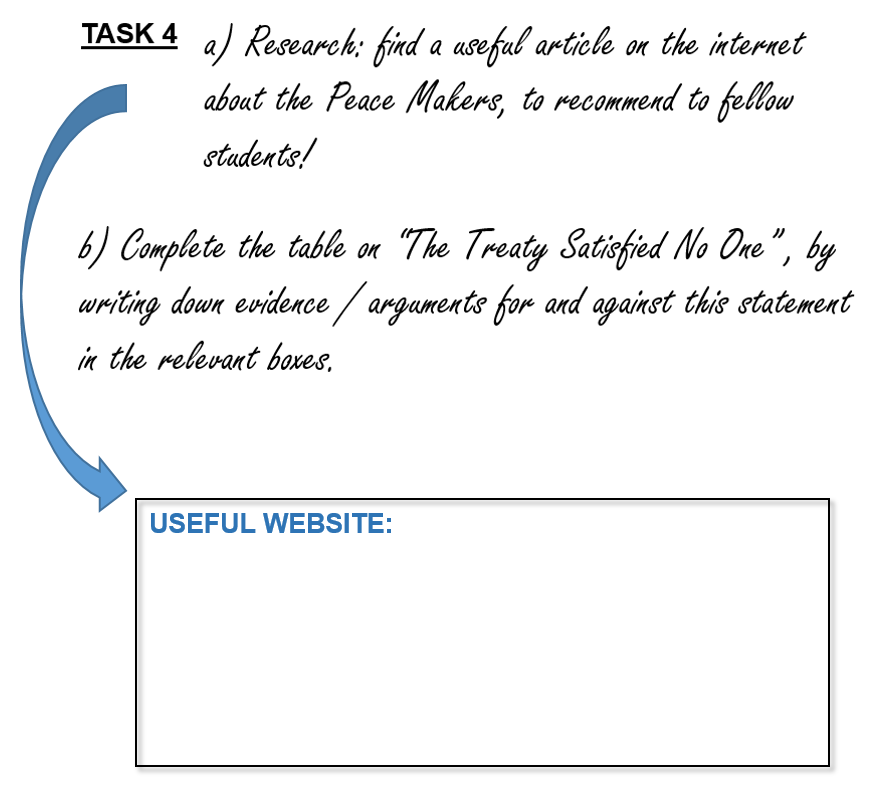
Find an useful article about the Peace Makers on the internet that you could recommend to fellow students… It must give relevant information, but it must not be too complicated (nor too simplistic)! You need to find the correct balance of relevant, useful information…
(WordPress advertisements may appear below.)
28. Y10: HW-24 (Treaty – Terms)
This is an “annotation” homework!
Homework Task 24 (p.80-81) is due:
Monday 23 May 2022
Make sure that you give clear explanations / annotations!
(WordPress advertisements may appear below.)
27. Y10: HW-23 (Treaty – Places)
This is an “annotation” homework!
Homework Task 23 (p.78-79) is due:
Monday 16 May 2022
Make sure that you give clear explanations / annotations!
(WordPress advertisements may appear below.)
26. Y10: HW-22 (Treaty Names)
This is an “annotation” homework!
Homework Task 22 (p.75-77) is due:
Monday 2 May 2022
Make sure that you give clear explanations / annotations!
(WordPress advertisements may appear below.)
Protected: Y10: 7-2. Exams – Feedback II
Protected: Y10: 7-1. Exams – Feedback I
Y8: Film Study – The Prince & the Pauper I
Year 8A & Year 8B
Today you are going to start watching “The Prince & the Pauper”, a film set in Reformation England….
Follow the order in which I give you instructions:
1.
INTRODUCTION:
The Prince and the Pauper is a novel by American author Mark Twain. It was first published in 1881 in Canada, before its 1882 publication in the United States. It was Twain’s first attempt at historical fiction. Set in 1547, it tells the story of two young boys who were born on the same day and are identical in appearance: Tom Canty, a pauper (poor person) who lives with his abusive, alcoholic father in Offal Court off Pudding Lane in London, and Edward VI of England, son of Henry VIII.
2.
Watch the following movie!
The Prince & the Pauper I. (36:08 minutes long)
3.
If the video above does not work, here is another solution: Watch “Episode 1” by accessing it in Schoology Materials. (This “episode” is 36:08 minutes long.)
If, for some reason, this does not work either, click on the square (at the top right) in the schoology page for “Episode 1” – then the video should work. (Make sure that you are logged into your school gmail account!) It looks like this:

(WordPress advertisements may appear below.)
Y10: 3-15. Stalin Film V

Today you are going to finish watching the film on Stalin!
-Part A-
In the last scene we saw Stalin being very angry about Soviet defeats in WW2, and then reaching a very low point due to the defeats…

Stalin addresses the nation and encourages them to fight. Then, Beria gives Stalin the news that Jakov has been taken prisoner…

The last days of Lieutenant Jakov Stalin
Colin Simpson and John Shirley, Sunday Times 24th Jan. 1980
Joseph Stalin, the Russian dictator, died in 1953 with one abiding regret: he had been unable to discover the fate of his eldest son, Jakov, who of all his children – including even his daughter, Svetlana – was the one he had come to care about most.
Jakov had been a lieutenant in the Russian army. All Stalin knew was that he had been captured by the Germans at the Siege of Smolensk in 1941, and held in a prisoner of war camp. Rumours that he had died there conflicted with stories that he had escaped. The Russian leader was unable to establish the truth, and though towards the end of this life, he offered a reward of a million roubles, no information was forthcoming.
The truth about Jakov’s fate had in fact been known to the British for eight yers before Joe Stalin died. But they had deliberately suppressed it. ‘The evidence makes unsavoury reading’ notes a Foreign Office official after studying the details in 1945. ‘We do not think it would give Marshall Stalin any comfort.’
The full facts are contained in German documents, withheld by the Cabinet Office until now, although a bald summary was released in 1968. The Sunday Times has been allowed access to the documents. We have also managed to trace one survivor from the prisoner of war camp where Jakov was held.
The story that emerged is a grim one. In the end, Jakov Stalin committed suicide in a particularly horrifying manner, in the bleak surroundings of Sachsenhausen Camp. The only surviving witness to the incident Thomas ‘Red’ Cushing, still talks of the extraordinary pressures which drove Stalin to his death. He was watching through the window of a prison hut when Jakov finally met his end.
‘I remember it as if it were yesterday,’ said Cushing last week. ‘It was one of the saddest events of my life.’
You can read the rest of the article below:
Another article states:
For every American killed in World War II, 59 Russians were killed.
Stalin’s son, Jakov, was taken prisoner in May 1942. Later, the Germans offered Jakov to Stalin, to trade for Field Marshall Paulus, a German officer captured at Stalingrad. Stalin responded: “I will not exchange a private for a Field Marshall.” Jakov later died attempting to escape.
German POWs were kept in Russia till the mid 50’s as slave labor, and over 75% died in captivity.

Which of these 2 sources tell the truth?

We see Historical footage of WW2.

It is the Funeral of Sergei Alliluyev. It is Feb.1941
Present are:
- Stalin
- Olga
- Svetlana
- Vasili (who is now also in the army)
- Beria
It is more or less April 1945. The USSR’s Victory in WW1 is celebrated. Children representing the various republics of the USSR bring honour to Stalin.

We see the last years of Stalin’s life. Svetlana and her son visit Stalin. It is the Winter of 1950. Svetlana asks Stalin to free Bukharin’s wife…
Stalin’s doctor examine him. It is more or less 1952. Stalin is now about 73 years old.
The doctor says that his heart is weak and that he has high blood pressure. Stalin does not trust the doctor or the medication that the doctor wants him to take. (By this time Stalin believed that their was a “doctors’ plot” against him and he considered another purge: this time of the medical profession!)
Stalin V-A. (14:15 minutes long)
-Part B-
Stalin’s inner circle dines with him & Svetlana. It is round about 1952.
- Stalin asks Nikita Khrushchev to dance for them.
- Stalin teases the people around him.
- Again, everyone is trying to please Stalin…
- The question arises ‘who will take Stalin’s place when he is not there anymore?’…
There is an endearing scene with Stalin & Svetlana, talking about Svetlana’s mother, Nadia.
It is 5 March 1953. Svetlana is “abducted” (from where she lived), to be taken to Stalin who is on his deathbed. (He had a stroke.)
Already present at Stalin’s deathbed are:
- Khrushchev
- Molotov
- Voroshilov
- Beria
- Stalin’s doctor

- The doctor is scared, as he is expected to help Stalin, but cannot do anything for him.
- Beria is a foolish coward.
Still 5 March 1953, Molotov & Khrushchev have a conversation in the toilets: They wonder why Beria took so long before the doctor was summoned…
- They suspect Beria of wanting Stalin dead, in order to take power himself.
- Khrushchev wonders what they would tell the population re. “Stalin’s crimes” (referring to the purges, etc.) after his death.
- Molotov advises him to keep quiet (as a way of denying “Stalin’s crimes”).
- Molotov also says how great Stalin was and how much he did for the USSR.
Svetlana arrives at Stalin’s deathbed (5 March 1953).
Present are now:
- Svetlana
- Khrushchev
- Molotov
- Voroshilov
- Beria
- Stalin’s doctors
- Stalin’s housekeeper
Stalin points up to a picture of Nadia, Svetlana’s mother, and tries to say something to Svetlana… Then he dies…
People are queuing to see Stalin’s body lying in state.
Stalin V-B. (19:31 minutes long)
1.

You can read more about Svetlana here: http://www.answers.com/topic/svetlana-alliluyeva
2.
-Stalin V-
(Below are the scenes watched today in one video clip.)
Stalin V. (33:11 minutes long)
3.
TRIVIA
To prepare for the role, Robert Duvall watched numerous hours of newsreels, read many books about Joseph Vissarionovich Stalin, and spoke to Russians who remembered him. He said that playing Stalin was the most challenging role of his career.
The first American movie to be premiered in Moscow.
This movie premiered in Russia on the 75th Anniversary of the Russian Revolution.
The cast includes two Oscar winners: Robert Duvall (Joseph Stalin) and Maximilian Schell (Vladimir Lenin); and three Oscar nominees: Dame Joan Plowright (Olga Alliluyeva), Frank Finlay (Sergei Alliluyeva), and Daniel Massey (Leon Trotsky).
Director Ivan Passer was one of the many filmmakers responsible for the Czech New Wave movement of the 1960s. His Intimate lighting is considered a classic of the period. However, like so many others, the Prague Spring, which allowed new directions in arts, society, and politics, also stigmatized him when the Soviets invaded in 1968 and a harsh cloud descended over every aspect of life in Czechoslovakia. He emigrated to the U.S., hoping to restart his career there, but never managed to get the respect that his talents deserved. This movie is no doubt in part a negative homage to the ideological reverberations that so deeply scarred his professional life.
4.
Now, complete the film review for this film called“Stalin”.
Also show how many stars you give this film, by coloring in the number of stars that you think the film deserves.
Here are some ideas for your film review:
- Say what you liked (and why).
- Say what you did not like (and why).
- Say if you learnt anything (and what).
- Would you recommend it to future students learning about Stalin?
5.
A few final quotes from the film…
Who are we to judge Stalin. Before him we were a weak, backward country, Now look at us. We control half of Europe… the whole of China… We have the atomic bomb… We command respect. Without Stalin, it would have take twenty years longer.
Molotov
You think I don’t know? Stalin knows. I know what you say, what you do… I know everything about you.
Stalin
Kamenev: We were promised our lives.
Beria: Comrade Stalin has revoked his promise.
Hitler will go the way of Napoleon… to defeat, to despair, and to his death.
Stalin
The mass conspirator accuses everyone else of conspiracy.
Bukharin (said about Stalin)
Nadia thought Stalin was going to change Russia… She was right.
Svetlana Alliluyeva
No brutality should be allowed although no revolution is possible without terror.
Lenin
(WordPress advertisements may appear below.)
Y10: 3-14. Stalin Film IV
Today we are going to continue with the film on Stalin…
-Part A-
In the last scene we saw Zinoviev and Kamenev in Stalin’s office, being forced to confess to conspiracy. However, Stalin promised that their lives would be spared…
It is 1936. Zinoviev & Kamenev are being executed!
Spot…

Beria…
Stalin’s inner circle is dining with him. Beria mockingly enacts the execution of Zinoviev (who was pleading to be spared at the execution).
Spot…
Stalin’s inner circle:
- Voroshilov
- Molotov
- Yagoda
- Khrushchev
- Kaganovich
- Beria
See how everyone tries to please Stalin, to the point of being rather childish!
Yagoda & Stalin is talking to Yagoda. Yagoda gets dismissed and is replaced by Yezhov as head of the Secret Police.

It is end 1936 / beginning 1937. Bukharin is at home. (By now, everyone fears that ‘knock on the door’, including Bukharin.) Stalin plays a ‘joke’ on Bukharin…
It is Feb.1937. Stalin visits Ordzonikidze (Stalin’s best friend). Ordzonikidze is the “Head of Heavy Industry”.
- By now, Stalin had also accused Bukharin of being ‘an enemy of the people’ (a term used by Stalin to accuse anyone whom he felt threatened by).
- Ordzonikidze queries Bukharin’s guilt.
- Stalin then asks Ordzonikidze to testify against Bukharin!
- Ordzonikidze is an honourable man and refuses…
- Ordzonikidze begins to see through Stalin and is now one of only a few men who confronts Stalin.
- See how Stalin deals with Ordzonikidze when he does not get his own way…!!! (No one is safe!)
Stalin IV-A. (15:10 minutes long)
-Part B-
Stalin is at his dacha, just after Ordzonikidze’s funeral.
- Olga (Nadia’s mother) questions Stalin about so many being accused of being ‘an enemy of the state’.
- Sergei (Nadia’s father) realises that this is a dangerous thing to do and tries to stop her.
- Stalin makes it evident that not even they are above being arrested!
We see Bukharin (& Yagoda’s) showtrial. It is March 1938.
- The prosecutor is Vyshinsky.
- (Bukharin never admitted guilt, but was nevertheless ‘found guilty’.
- Stalin & Yezhov watch from behind a curtain in the gallery. (Bukharin’s was the only show trial that Stalin attended.)
- Now, Stalin turns against Yezhov (just like he had turned against Yagoda): Stalin accuses Yezhov of purging party members! (Yezhov was only following Stalin’s orders!!)
- Yezhov is petrified as he knows what is bound to happen to him…
- Yezhov is replaced by Beria.
Bukharin is executed.
There were even children in prison!
Stalin is at his dacha, watching a private ballet (supposedly at the same time as Bukharin’s execution was taking place)…
Still 1938, Stalin & Beria are watching the news: it shows Hitler uniting Germany & Austria.
Voroshilov, Beria, Kaganovich & Molotov walk with Stalin. Beria stays behind and give Stalin a letter from Bukharin.
Other scenes follow:
- Stalin instructs Beria ‘to get rid of Trotsky’. (At the time Trotsky was in exile in Mexico!)
- Jakov visits home. (He had joined the army.)
- Historical footage of WW2 is shown.
It is June 1941. (Hitler invaded Poland in Sep.1939 and the USSR in June 1941.) Stalin talks to his generals. Voroshilov informs Stalin of the situation.
- Stalin gives instructions that any soldier retreating must be shot.
- Voroshilov mentions the purge of the Red Army’s generals and accuses Stalin.
- Stalin threatens to have Voroshilov shot too!
Spot…
- Beria
- Molotov
- Khrushchev
We see Stalin in a massage parlour. We also see Historical footage of WW2.
Molotov & Voroshilov visit Stalin (who is very discouraged)…
Stalin IV-B. (20:59 minutes long)
-Stalin IV-
(Below are the scenes watched today in one video clip.)
Stalin IV. (35:37 minutes long)
(WordPress advertisements may appear below.)
 Best study methods