Answers to all Homework Tasks – Y8

1–The Renaissance
2–Exploration
3–The Reformation
4–Slave Trade

(WordPress advertisements may appear below.)
Protected: Roman Invasion: HW-1-Answers
Protected: Renaissance: HW-1-Answers
Protected: First World War: HW-1-Answers
Protected: Nazi Germany: HW-4-Answers – previous versions
Y8: 3-12. Reformation – Conclusion
Year 8A & Year 8B
Today you will continue showing the results of your projects on the Reformation to the rest of the class!
We will also mark some work and finish the topic on the Reformation.
Follow the instructions step by step:
1.
If you have completed this task…

Task 6 on p.40-42.
2.
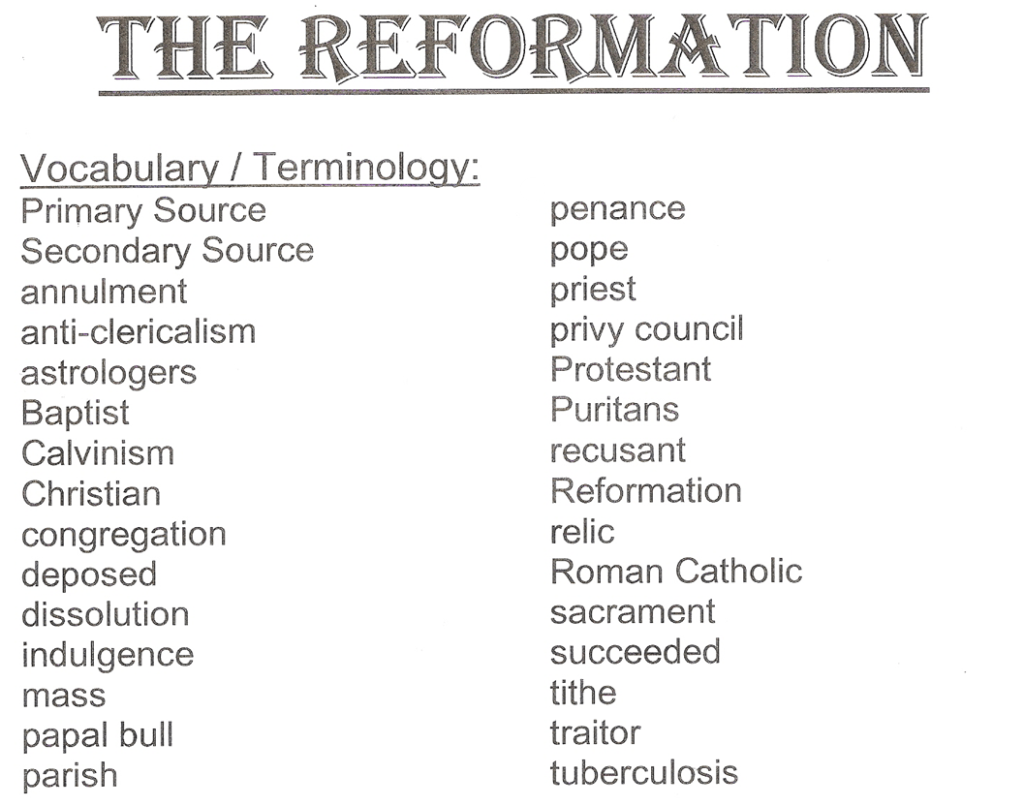
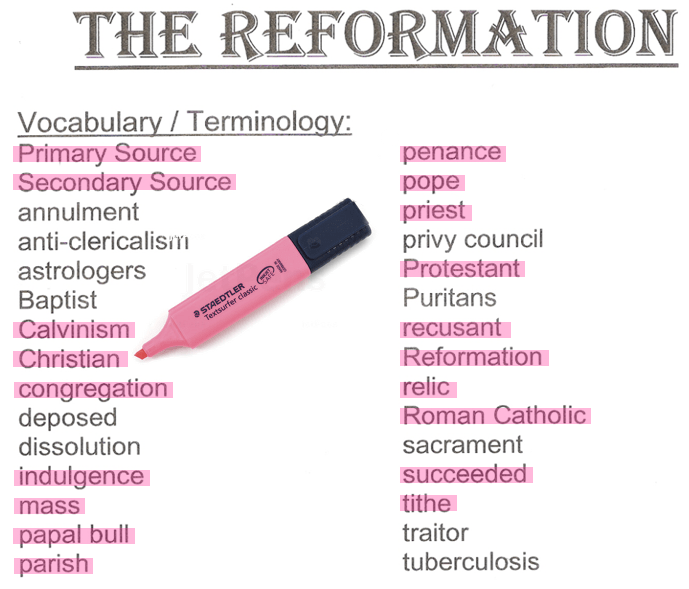
Make sure you know these words well enough to explain their meanings… (This is on p.64 in your workbook.)
The most important ones are:
3.
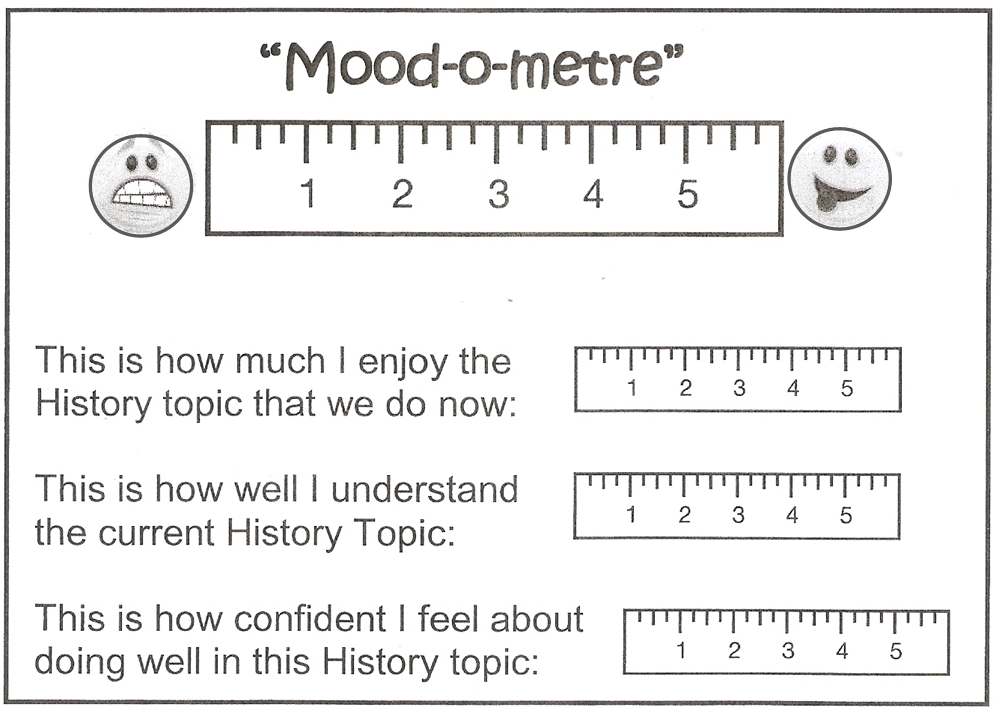
Finally, complete the Mood-O-Metre on The Reformation, on p.64.

4.

Complete the task on p.61

6.

–(to be uploaded)–
(WordPress advertisements may appear below.)
Y8: 3-11. Assessment Tasks
Year 8A & Year 8B
Today you are going to test your knowledge on the Reformation…
Follow the instructions step by step:
1.
Test
Time!
First we are going to write a short test on “The Reformation in Europe”.
2.
Complete one of the following options as an assessment task in your purple book…
(Make sure you also look at the details for the task that you choose to do!)

Religion in Europe. (p.50)
Martin Luther. (p.51)

The Break with Rome. (p.56)
Church of England. (p.62)
3.

Your assessment task is due one week from now!
(WordPress advertisements may appear below.)
Y8: 3-10. Elizabeth I
Year 8A & Year 8B
Today you are going to learn how Queen Elizabeth I made England Protestant again…
Follow the instructions step by step:
1.

Mark the questions on “The Break with Rome, p.56”.
(You need to swipe the slides to the left to navigate through the answers.)

2.
Elizabeth I’s reign was complicated by religious matters! It even posed a threat to her position as Queen of England, despite her efforts to please both Protestants and Catholics… Watch the video below to see why.

Elizabethan Religious Settlement. (3:49 minutes long)
3.
Elizabeth was advised to authorize the execution of Mary Queen of Scots in order to secure her reign. It appears that Elizabeth was plagued by her decision to have Mary Queen of Scots executed for the rest of her life…
FULL: Mary Queen of Scott’s Execution SceneThe Execution of Mary Queen of Scots. (3:50 minutes long)
4.
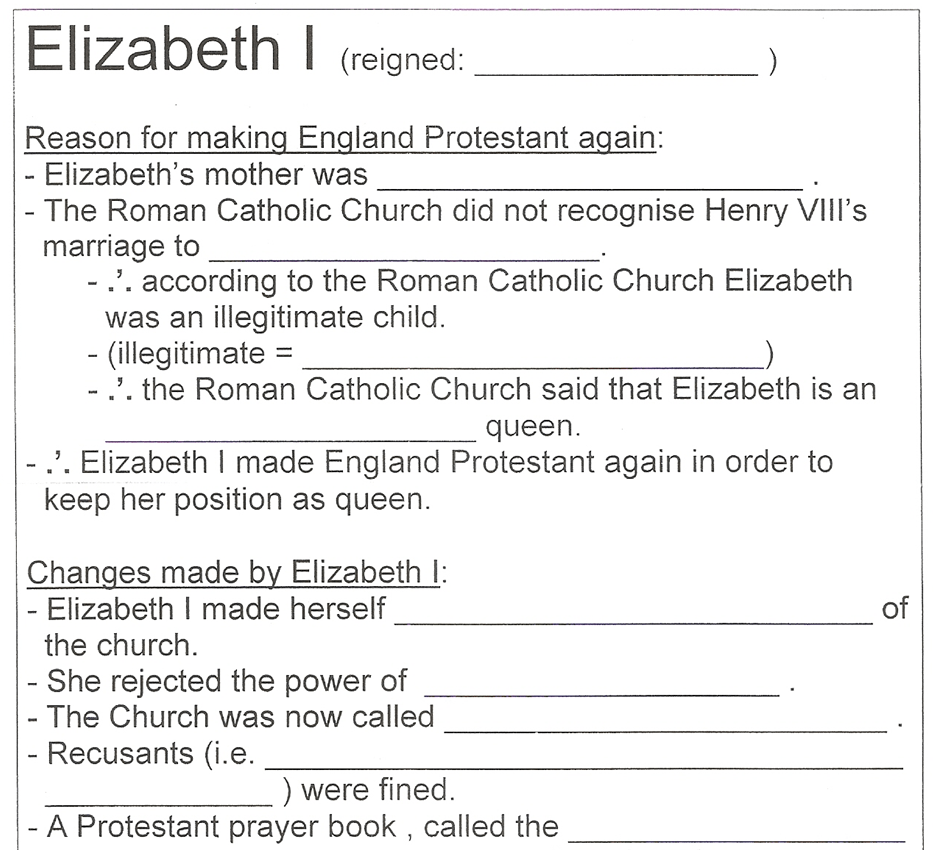
Fill in the missing information on the notes on Elizabeth I (p.55).

5.
Mark your fill-in notes on Elizabeth I:

&

(2:11 minutes long)


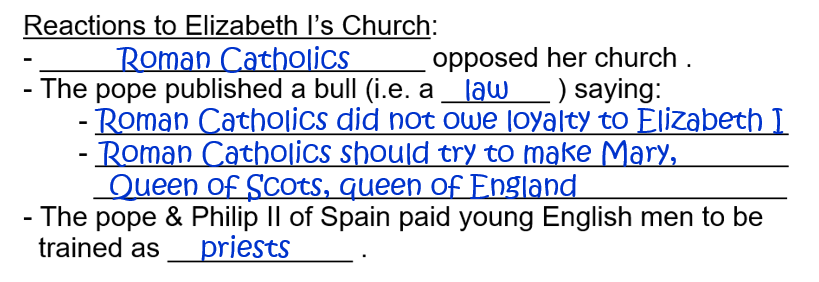
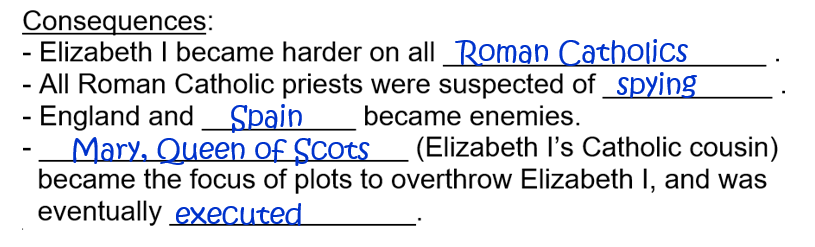
6.
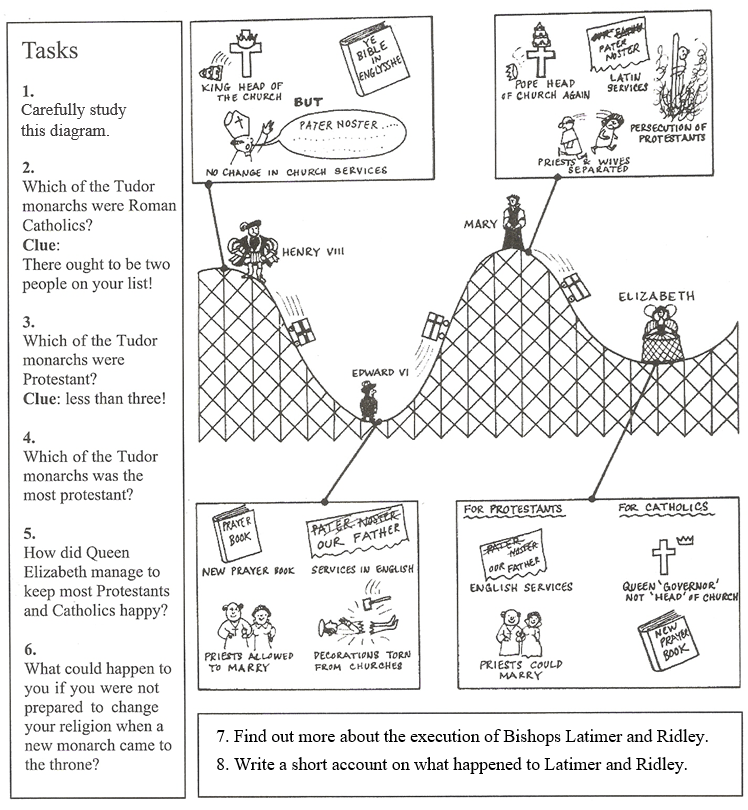
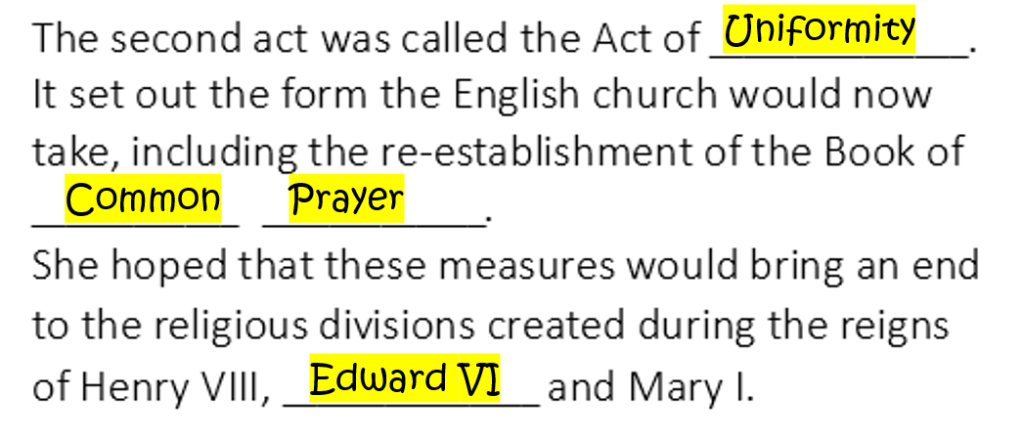
In an attempt to secure her position and at the same time please her subjects, Elizabeth I passed the Act of Supremacy and the Act of Uniformity. Together they are known as the Elizabethan Religious Settlement. Passing these laws was a difficult decision for Elizabeth…
Elizabethan Act of Uniformity. (3:00 minutes long)
7.
Fill in the missing information on the notes about the “Elizabethan Religious Settlement”, on p.60.
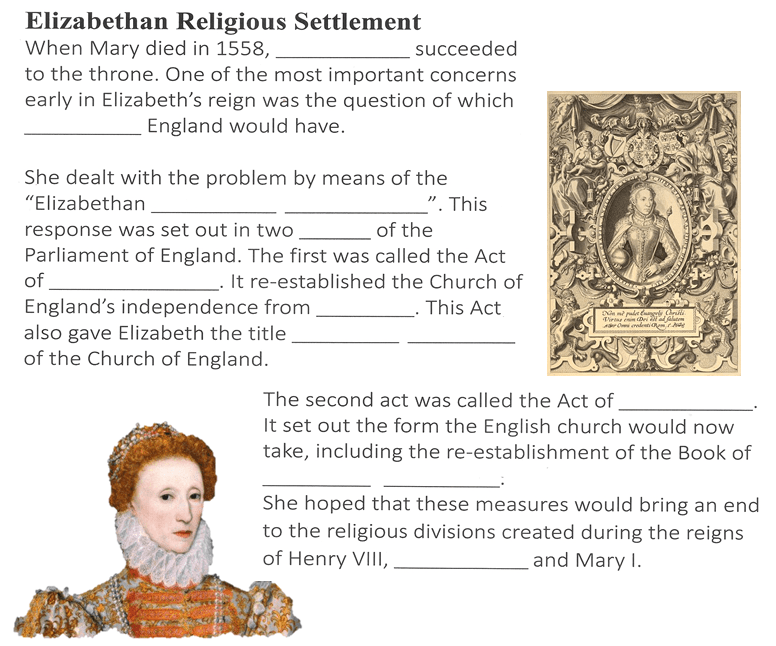
SOLUTION:



8.

Read the following play:
It is a conversation between Elizabet I & a courtier…
9.
This one is not for the faint hearted…!!
Mary Stewart execution. (6:16 minutes long)
And here is an interesting account of the execution…
Mary Queen of Scots, a brutal beheading. (4:31 minutes long)
Elizabeth I (1533-1603) Queen of England. (3:59 minutes long)
The Elizabethan Religious settlement. (5:48 minutes long)
(WordPress advertisements may appear below.)
Y8: 3-9. Mary I
Year 8A & Year 8B
Today you are going to look at how Mary I made England Roman Catholic again…
Follow the instructions step by step:
1.
If you have completed this task…
Task 4 on p.38-39.
2.
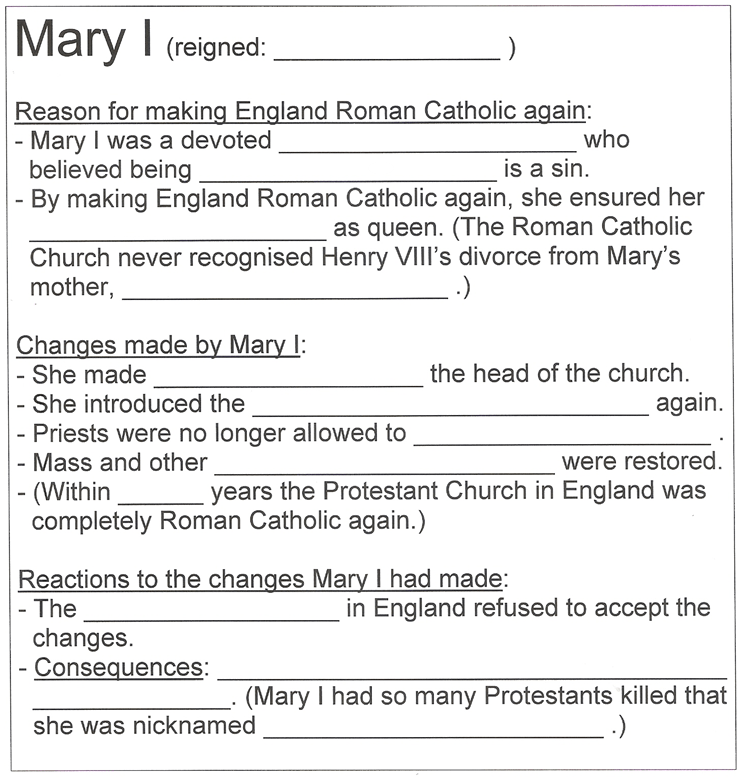
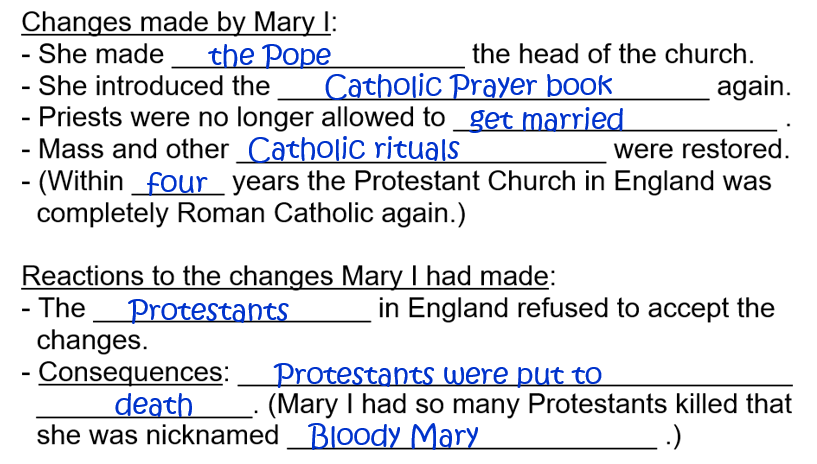
Fill in the missing information on the notes on Mary I (p.54).
3.
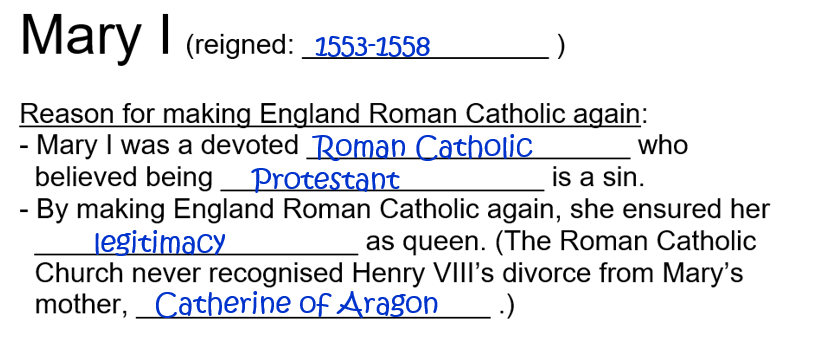
Mark your fill-in notes on Mary I:
&
(1:27 minutes long)

4.
Fill in the missing information about Mary I in the first paragraph on p.60. (I.e. only the information titled “Back to Rome”.)
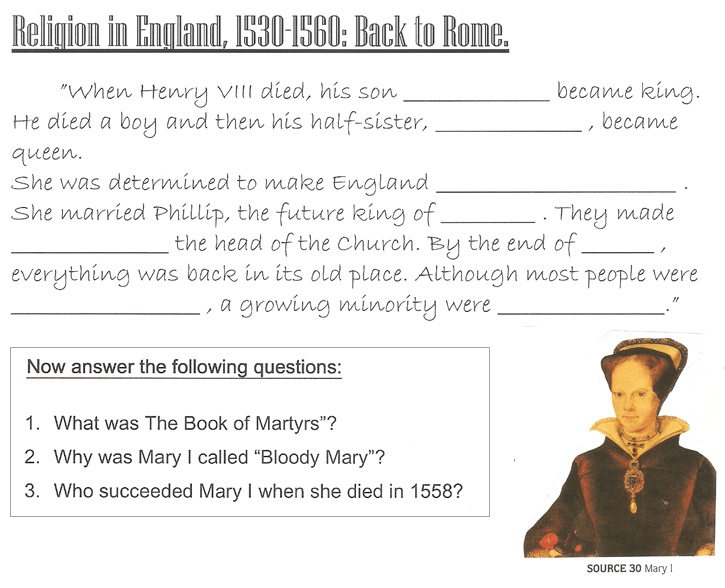
5.
Now, answer the three questions (in the middle of p.60) in full sentences in your purple book.
“Back to Rome, p.60”

6.
Mark the questions on “Back to Rome, p.60”.
(You need to swipe the slides to the left to navigate through the answers.)
7.
Read the following play:
It is a conversation between Mary I & a courtier…
(WordPress advertisements may appear below.)
Y8: 3-8. Edward VI
Year 8A & Year 8B
Today you are going to:
- Learn about the reign of Edward VI
- Complete the tasks on Henry VIII’s break with Rome…
Follow the instructions step by step:
1.
Henry VIII died on 28 January 1547.
His son, Edward, succeeded him as king.
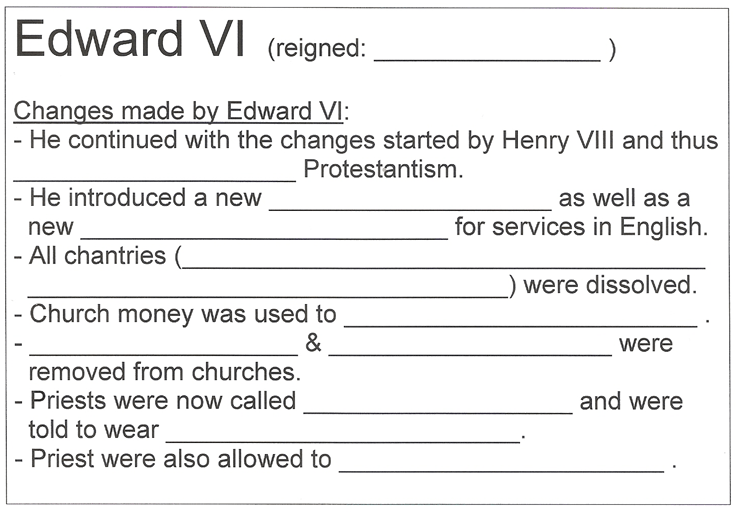
Fill in the missing information on the notes on Edward VI (p.53).

2.
Mark your fill-in notes on Edward VI:
&
(1:04 minutes long)


3.

Use the rest of this lesson to make sure that your books are up-to-date!
(WordPress advertisements may appear below.)
Y8: 3-7. Henry VIII – continued
Year 8A & Year 8B
Today you are going to:
- complete the tasks on Henry VIII’s break with Rome…
- work on your project…
Follow the instructions step by step:
1.
If you have completed this task…
Task 3 on p.36-37.
2.
Let’s see what else you can learn about Henry VIII…
History vs. Henry VIII – Mark Robinson and Alex Gendler. (5:24 minutes long)
3.
Make sure that you have completed the following two tasks from the previous lesson:
-1-
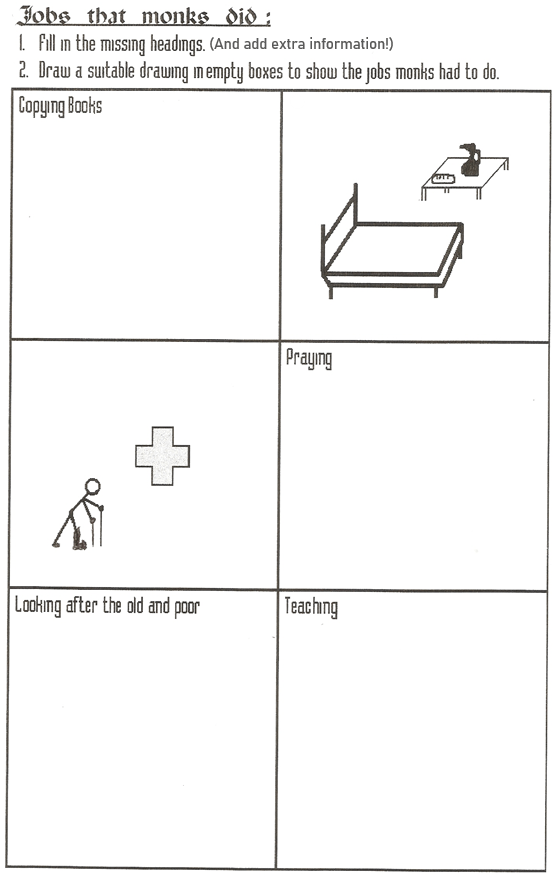
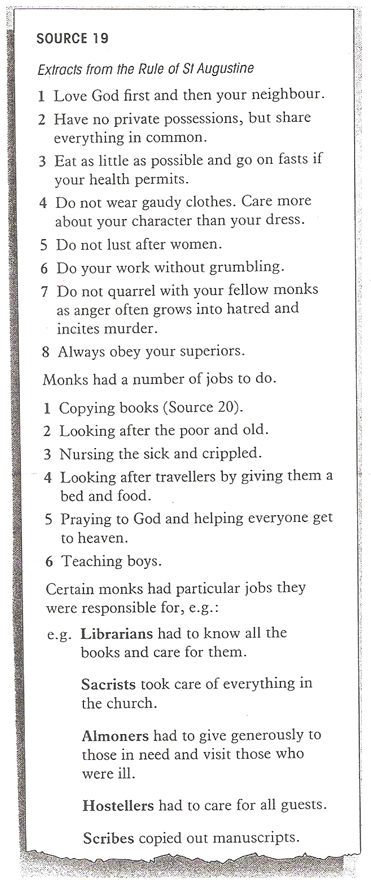
Do the task on “Jobs that monks did”, p.58.

Source 19 (p.48) may be useful in this task…
-2-
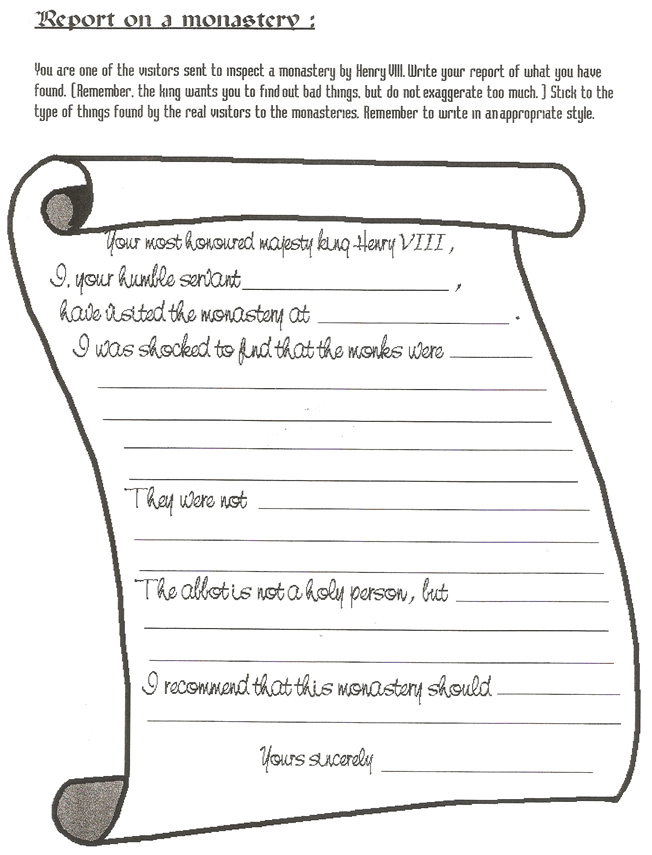
Write the “Report on a monastery”, p.59.

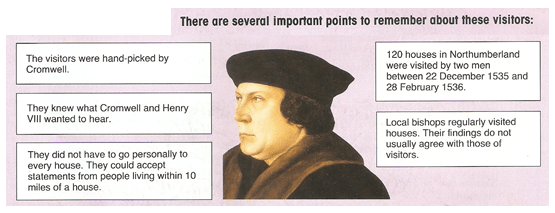
Source 19 (p.48), source 22 (p.57), source 23 (p.57), and source 25 (p.57) may all be useful in this task, as well as the information below…


4.
Go to p.56 in your Workbook and read through all the questions on “The Break with Rome“.
To test your knowledge and understanding, complete the following tasks on Henry VIII’s “Break with Rome”…
“The Break with Rome, p.56”
Please take note:
You may choose to complete:
EITHER: Questions 1-8
(Take Note: Q-5 and Q-6 need longer answers!!)
OR: Questions 9-14
(Take Note: Q-13 has sub-questions & Question 15 needs a longer answer!!)
Read the questions carefully before you decide which ones to do.
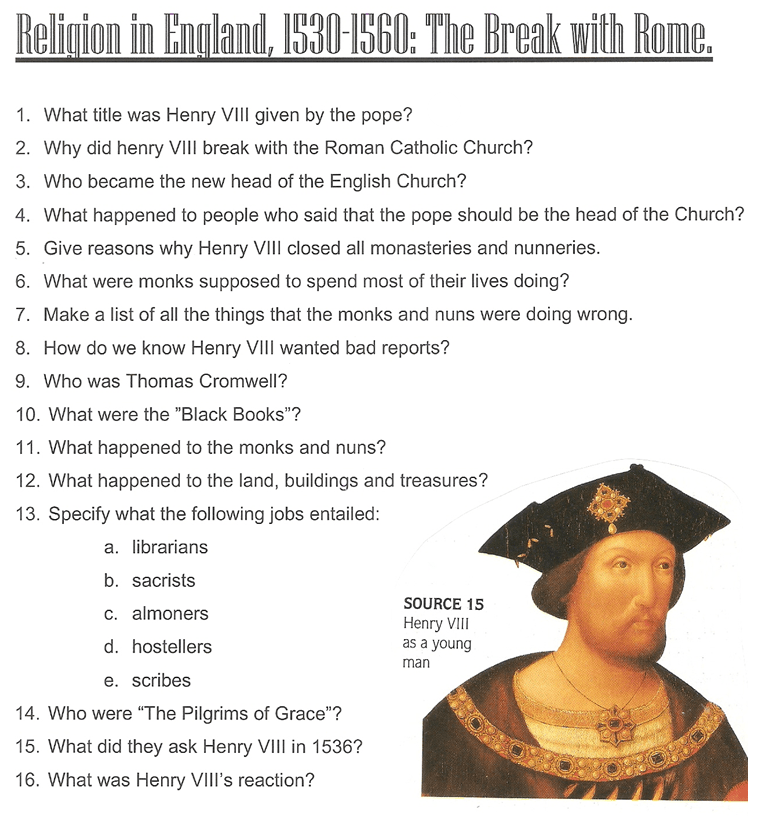

The information on p.47 will help…
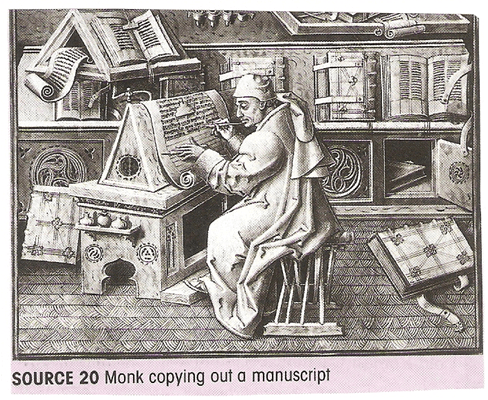
The sources about monks (Sources 19 & 20), on p.48, may also help…
5.
Read the following play:
It is a conversation between Henry VIII and some courtiers…
(WordPress advertisements may appear below.)
Y8: 3-6. Henry VIII
Year 8A & Year 8B
Today you are going to learn more about the reformation in England…
Follow the instructions step by step:
1.
If you have completed this task…
Task 2 on p.34-35.
2.
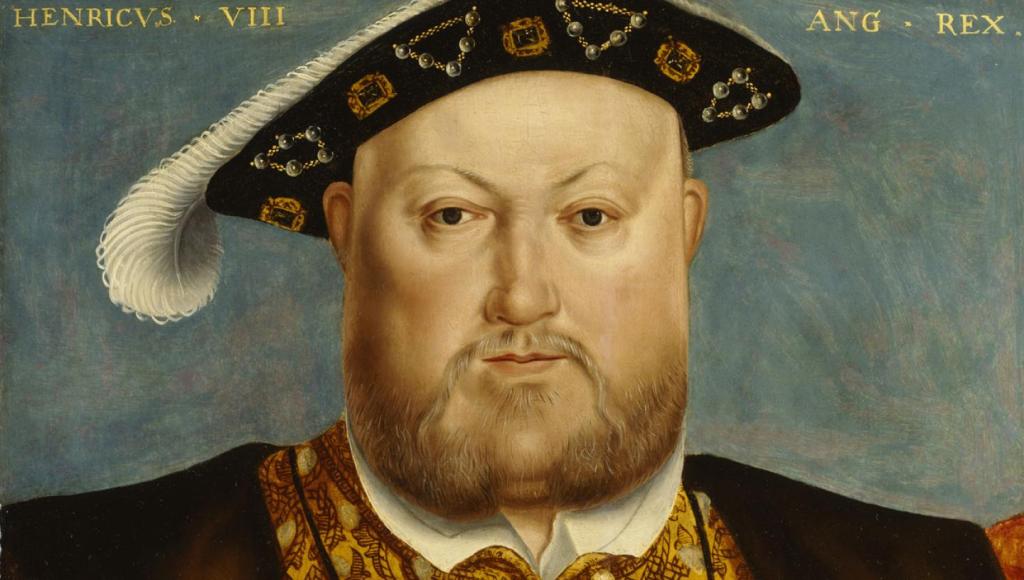
As an introduction, let’s see what we can learn about Henry VIII and his six wives…!!
The Six Wives of Henry VIII Explained 9 Minutes. (9:31 minutes long)
3.
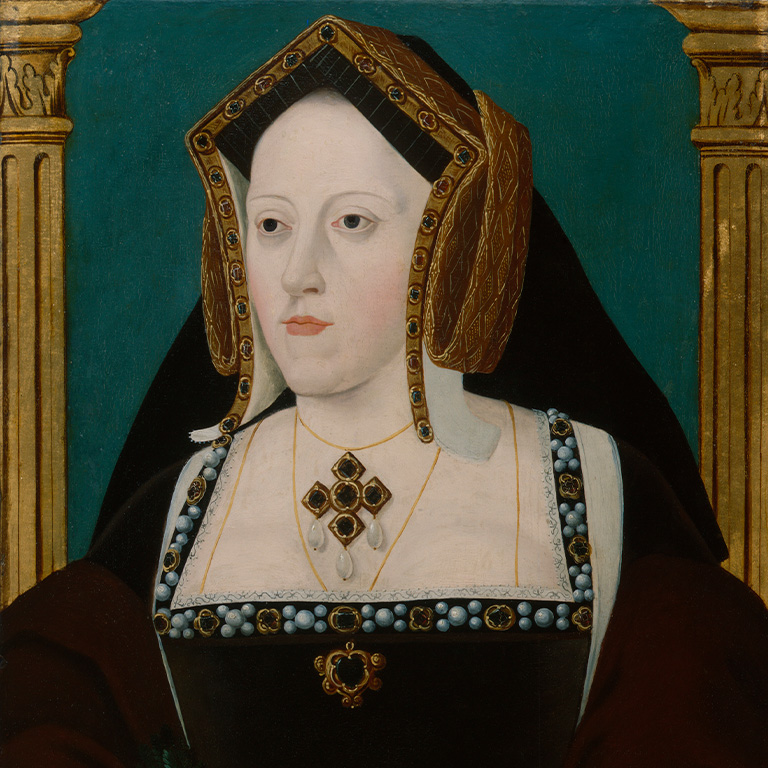
Let’s read the following play together, to learn more about the six wives of Henry VIII:
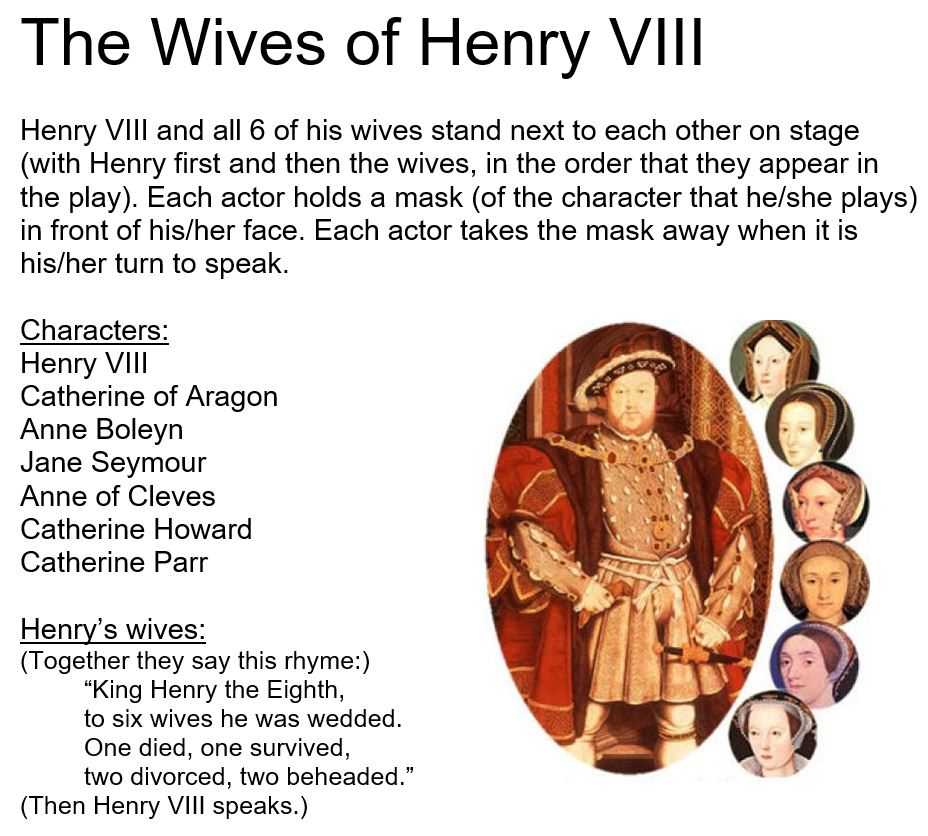
Henry VIII
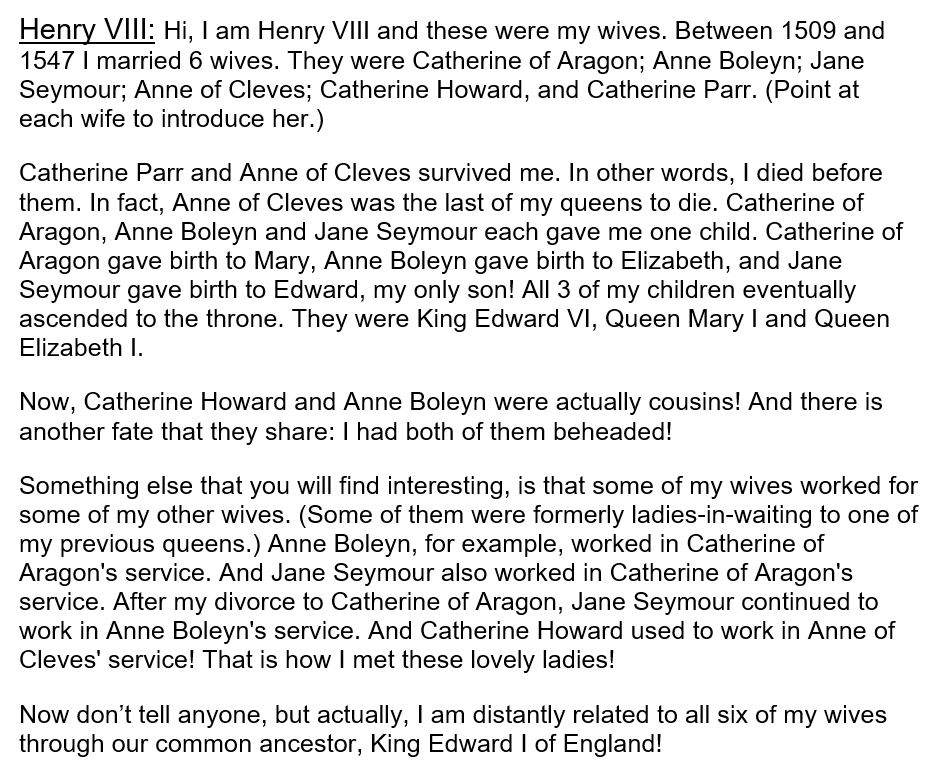
Catherine of Aragon
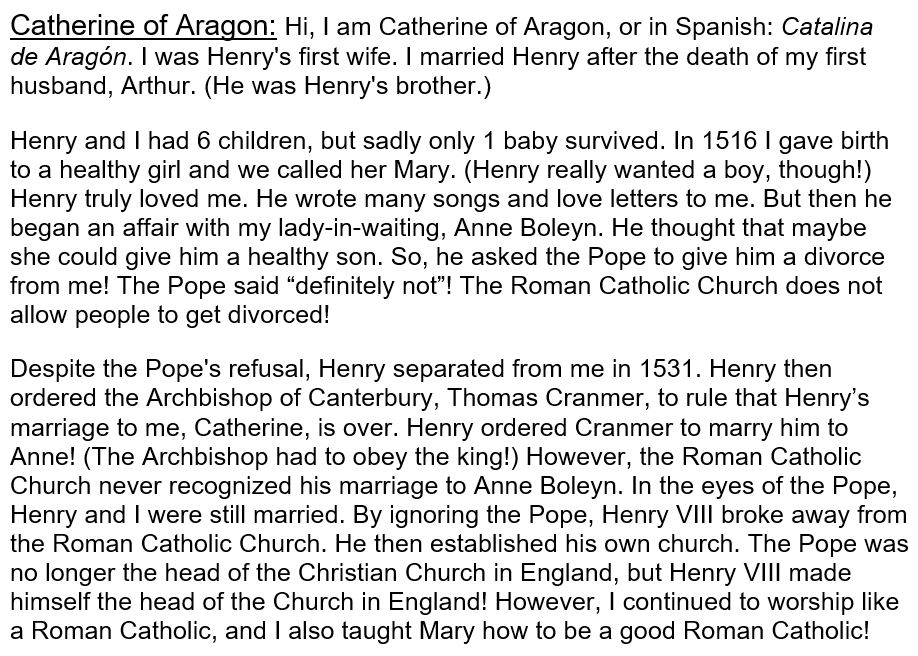
Anne Boleyn


Jane Seymour
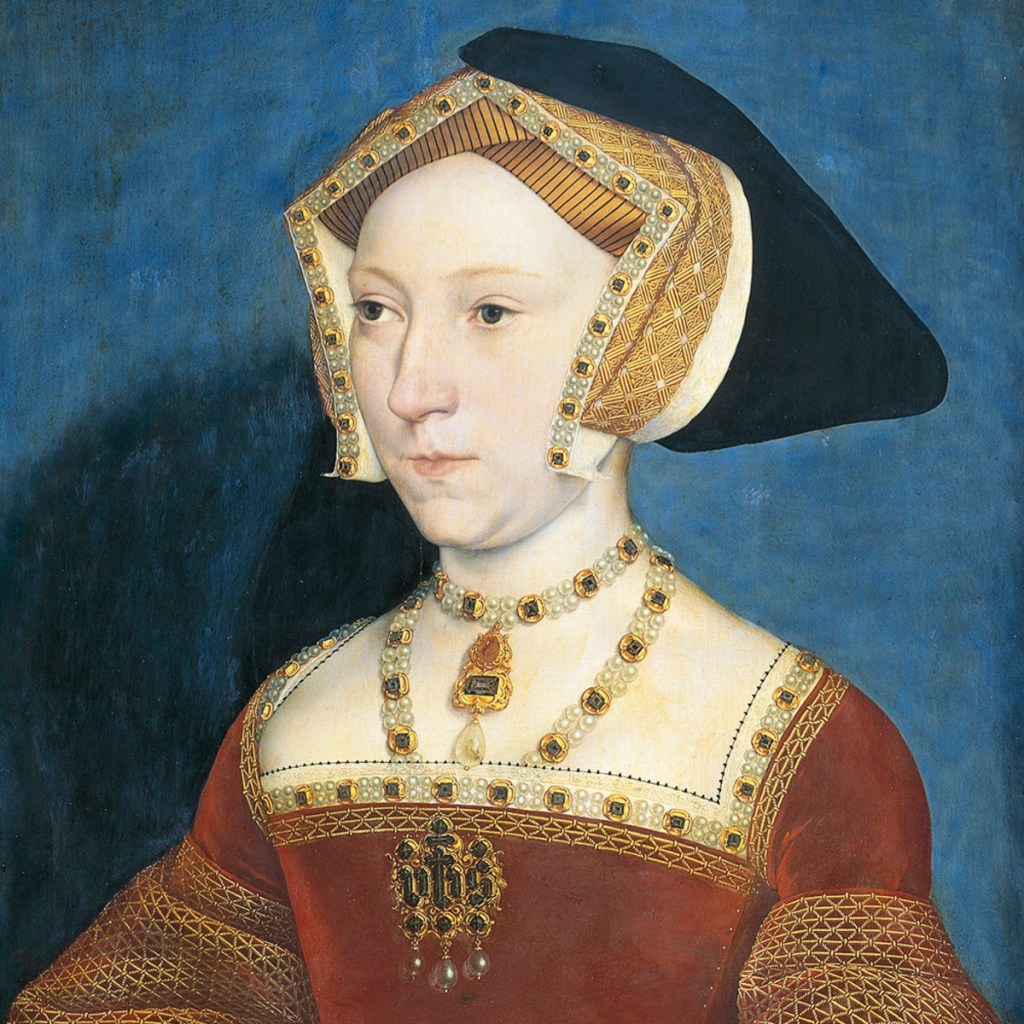

Anne of Cleves
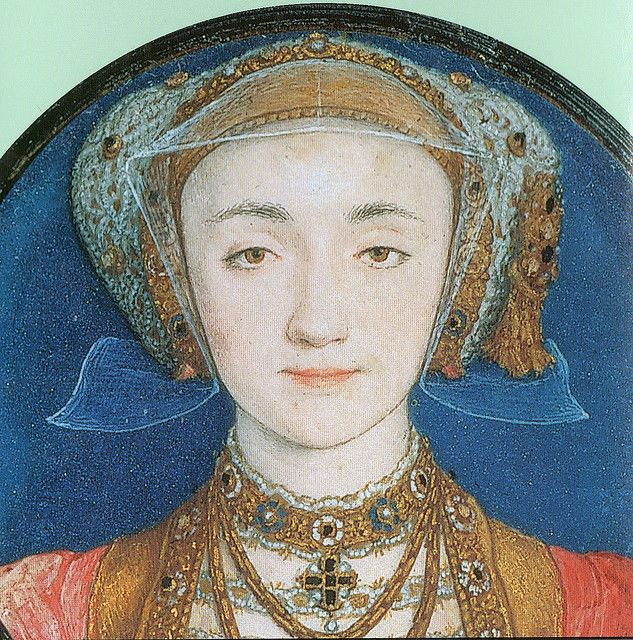
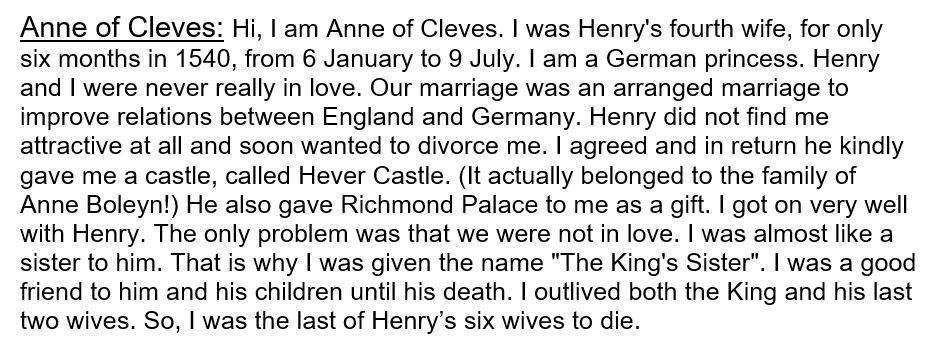
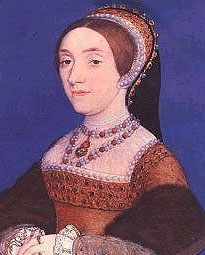
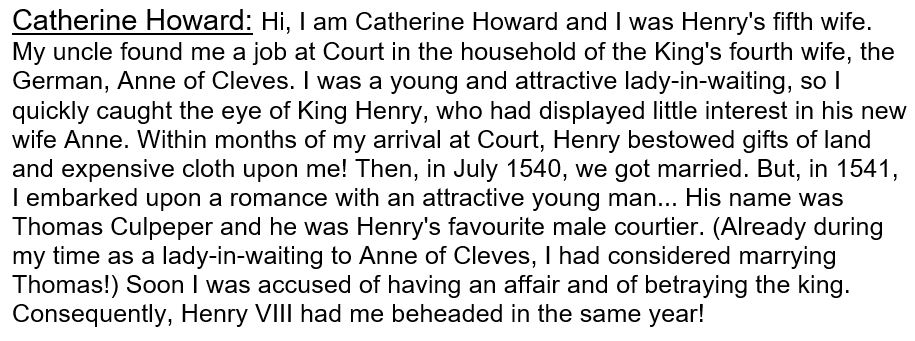
Catherine Howard
Catherine Parr
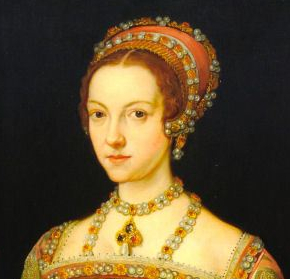
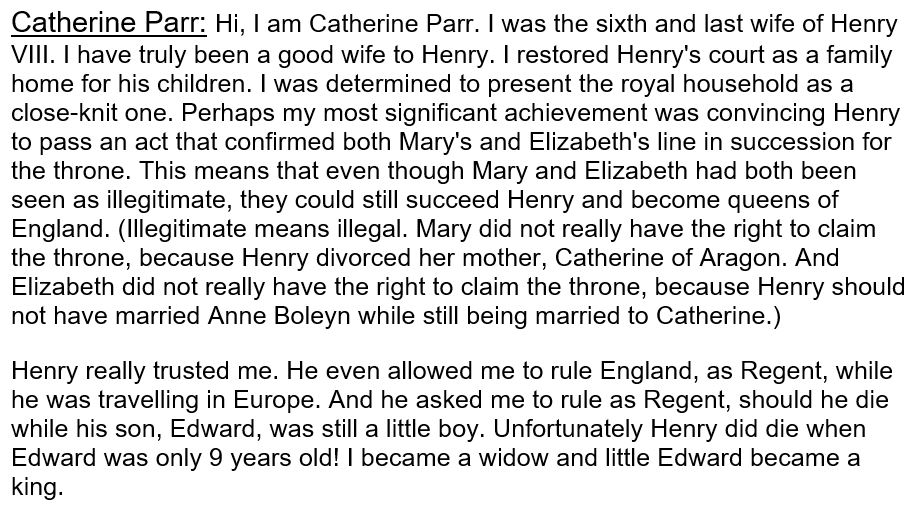
You can access this play here:
It comprises of monologues by Henry VIII & his wives…
4.
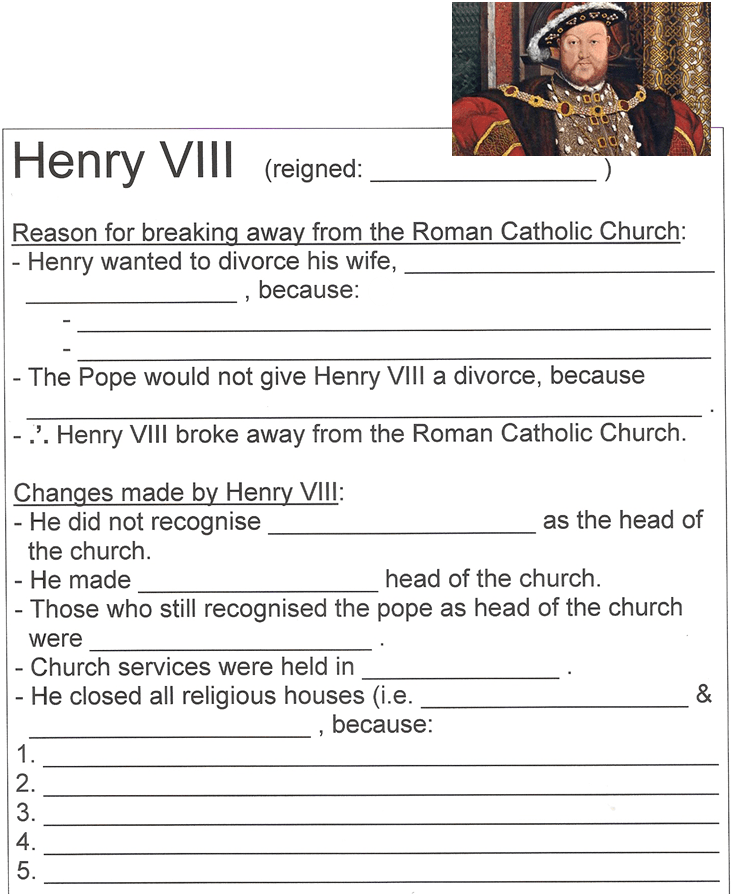
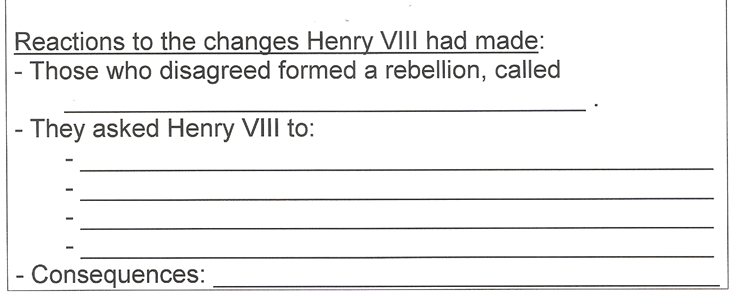
Fill in the missing information on the notes on Henry VIII (p.52).
5.
Mark your fill-in notes on Henry VIII:
&
(2:33 minutes long)


6.
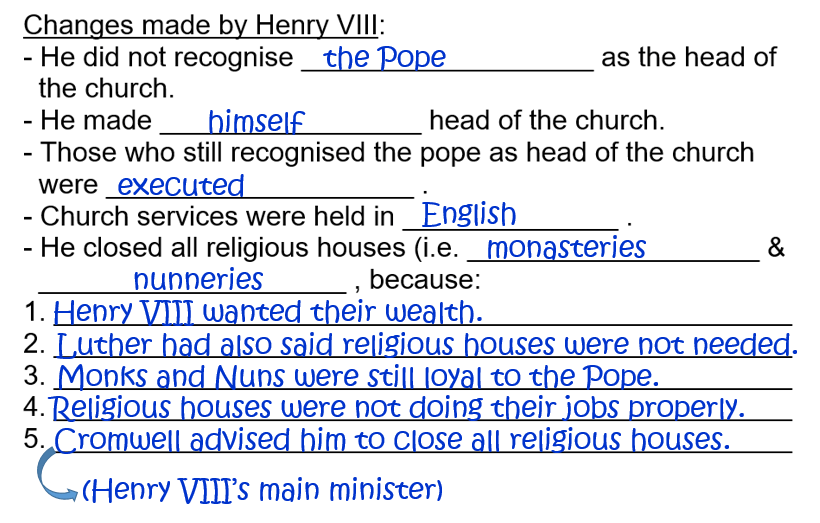
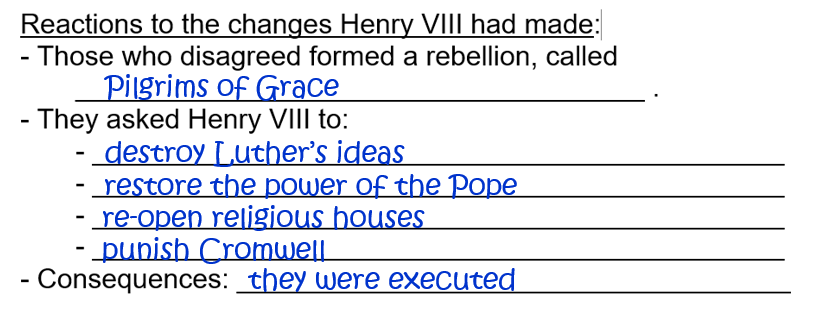
Henry VIII had all monasteries and nunneries closed. He broke away from the Roman Catholic Church and did not want these religious houses to still be loyal to the Pope. Moreover, by closing them, Henry VIII could take the wealth of the religious houses. Here are a few more details regarding the inspection and closure of religious houses during this time. (This information is also on p.59 in your workbook.)
7.
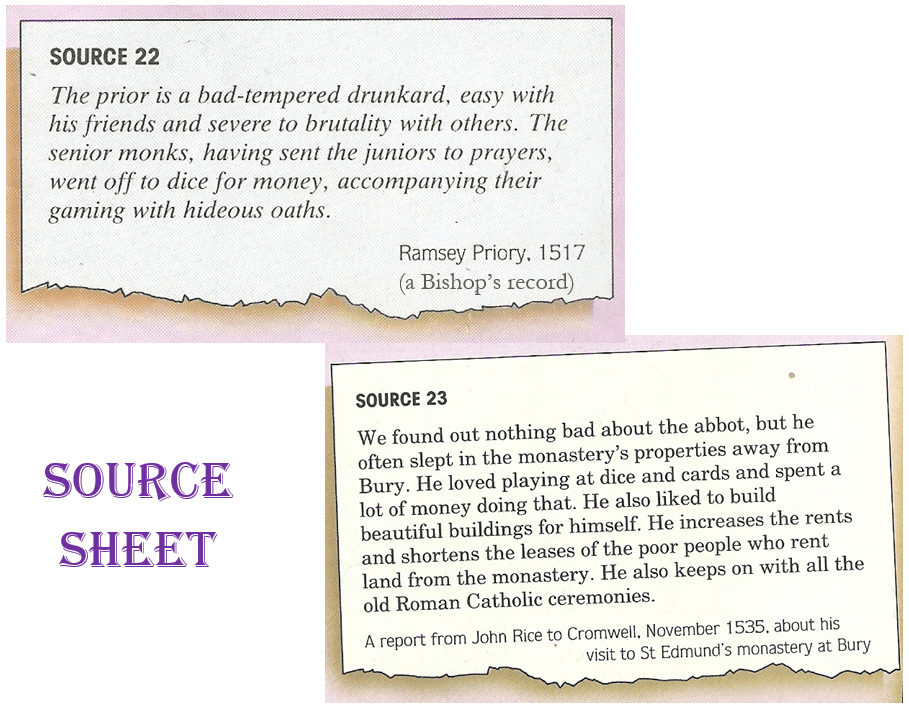
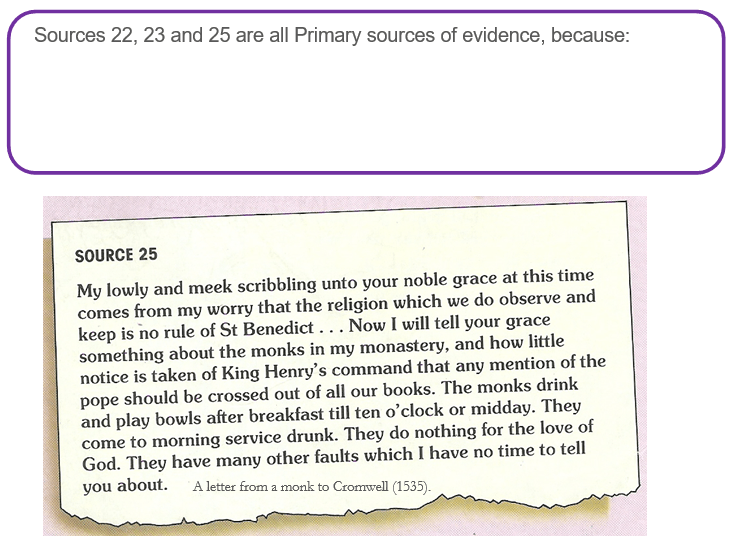
Read the sources on p.57 – they provide additional information about the religious houses. Then complete the box on p.57, to explain why these sources are all Primary sources of evidence.
SOLUTION:

Sources 22, 23 and 25 are Primary sources of evidence, because: these sources originate from the time of the Reformation in England. So, it is evidence gained from the period being studied.
8.
Do the task on “Jobs that monks did”, p.58.
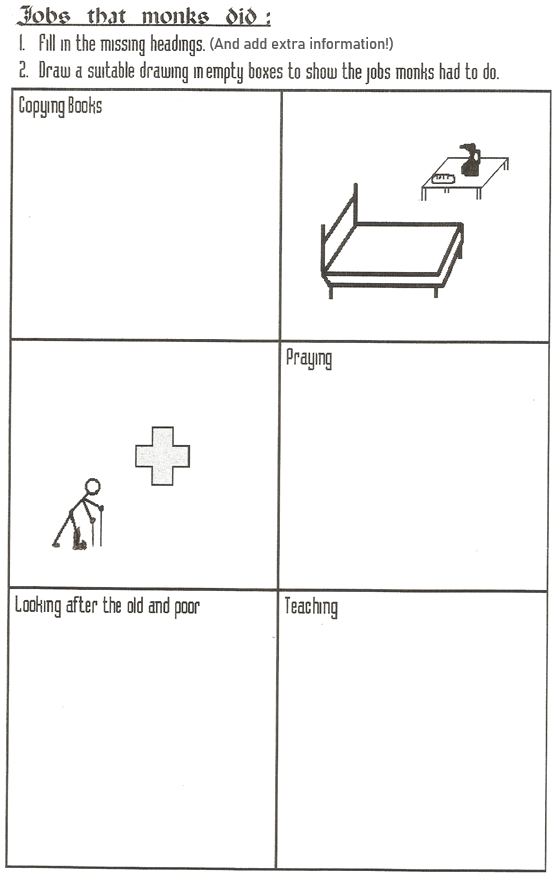
Source 19 (p.48) may be useful in this task…
9.
Do the task on a “Report on a monastery”, p.59.

10.

Read the following article about Henry VIII and the “break with Rome”.
(WordPress advertisements may appear below.)
Y8: 3-5. Religion in England
Year 8A & Year 8B
Today you are going to learn more about the reformation in England…
Follow the instructions step by step:
1.
So, what about the Reformation in England? The following video tells you more about the reform of the church in England…
The Reformation in England. (2:16 minutes long)
2.
Read p.47
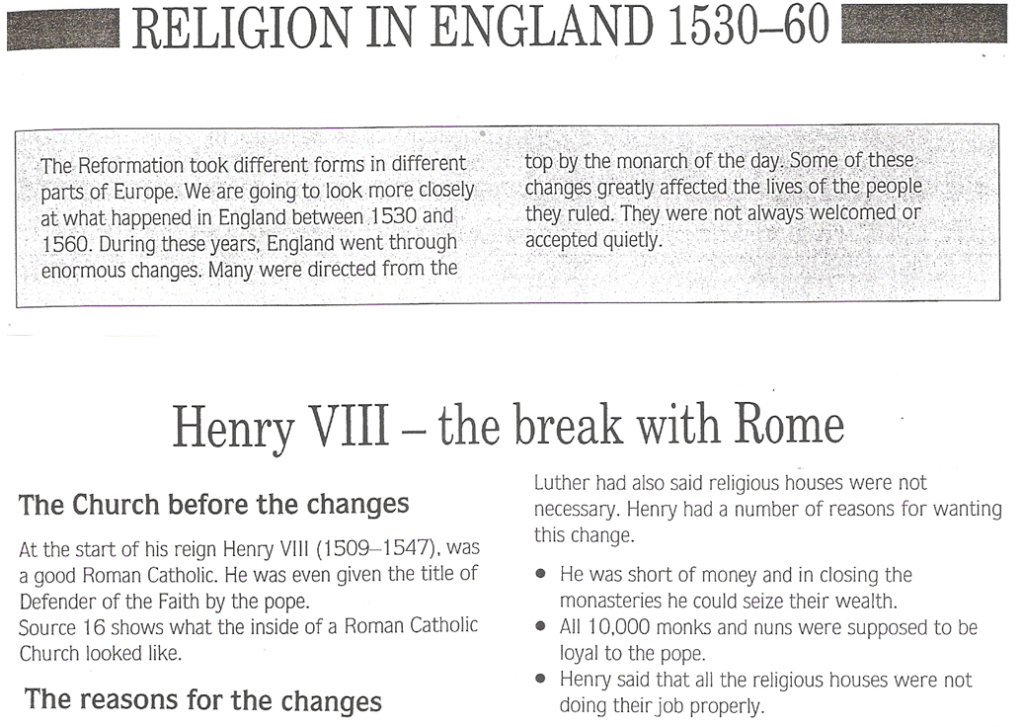
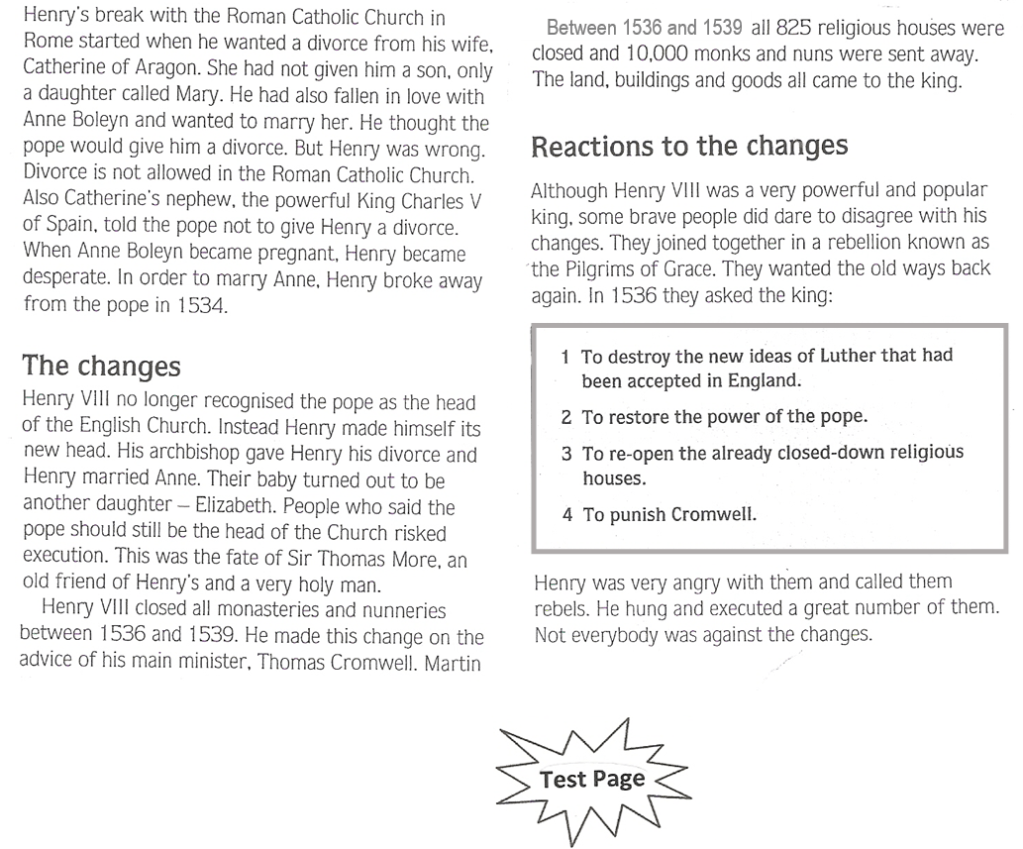
3.
Also…
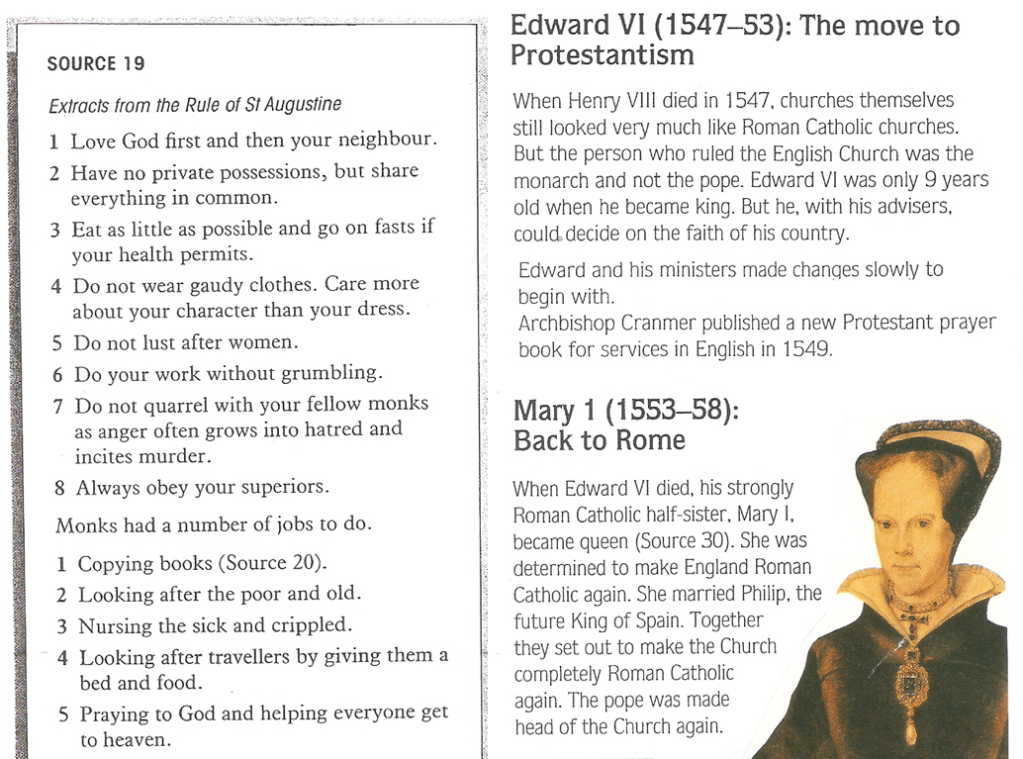
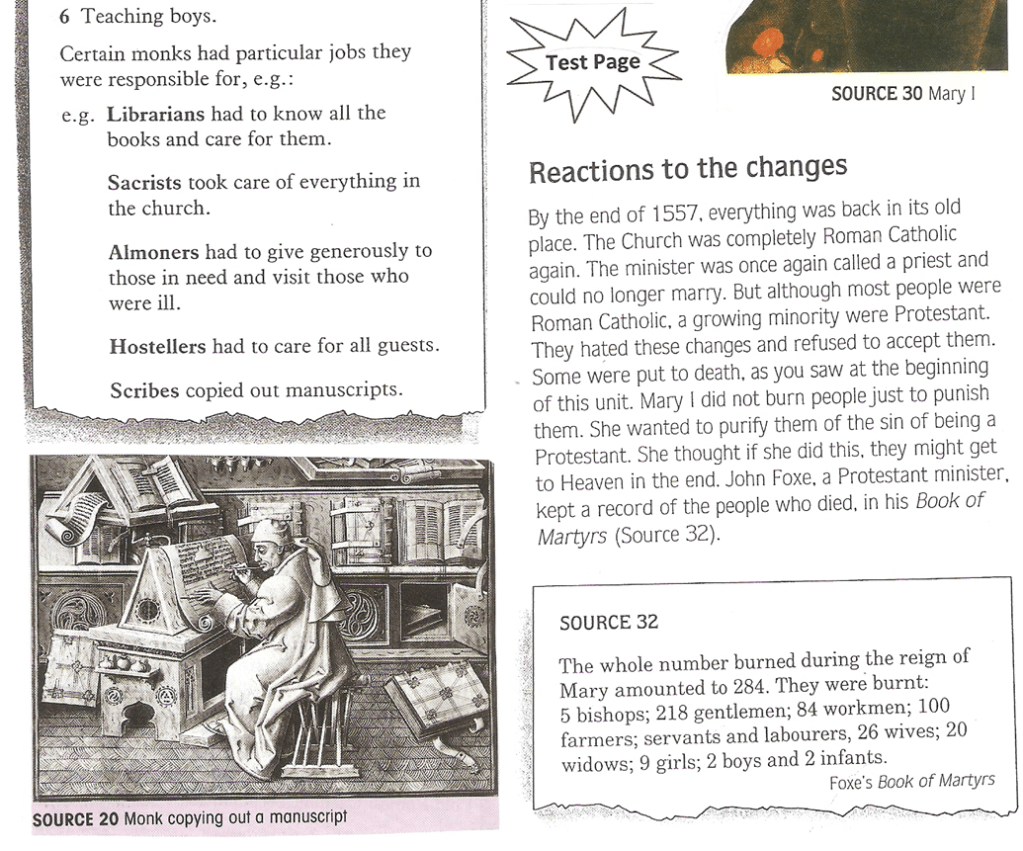
The sources about monks (Sources 19 & 20), p.48

4.
Henry VIII died on 28 January 1547.

On This Day: 28 January 1547 Death of Henry VIII. (2:58 minutes long)
5.
When Henry VIII died, his son Edward succeeded him as king. Here is a short biography of Edward VI…
Edward VI – 60 Second History. (0:59 minutes long)
6.
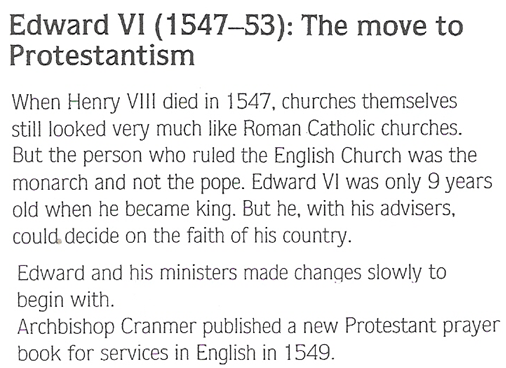
Edward VI…p.48
7.
The story of Lady Jane Grey is interesting… She never wanted to be queen in the first place! The following videos tell you a little more about Edward VI and also about Lady Jane Grey.

How Lady Jane Gray became Queen. (1:42 minutes long)
King Edward VI (1537-1553). (2:53 minutes long)
Story of Lady Jane Grey | Terrible Tudors | Horrible Histories. (2:48 minutes long)
8.
Even though Lady Jane Grey was nominated by Edward VI as his successor, it was Edward’s older sister, Mary, who was crowned as Queen. (Henry VIII nominated Mary as successor to Edward.)
Let’s see what we can learn about Mary Tudor, the eldest daughter of Henry VIII…
Mary Tudor – Queen of England | Biography. (3:08 minutes long)
9.
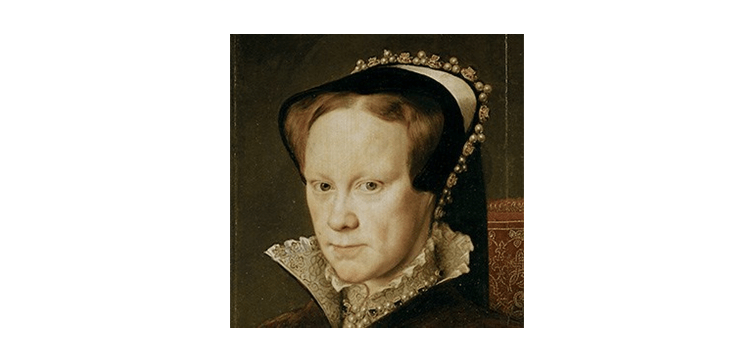
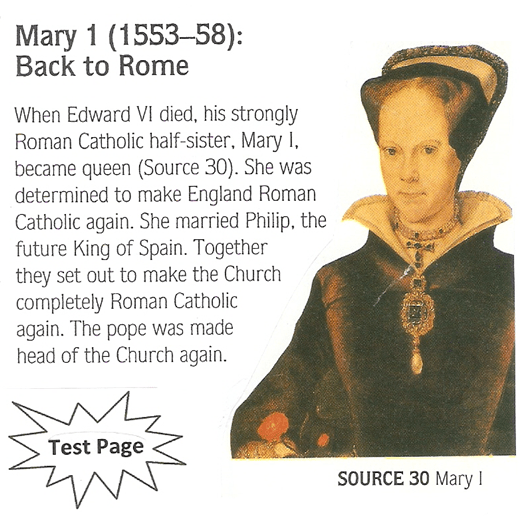
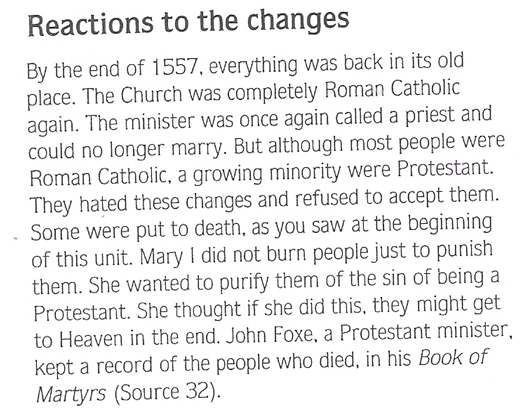
The information about Mary I, in the 2nd column on p.48


10.
When Mary I died, Henry VIII’s youngest daughter Elizabeth succeeded her as Queen of England. Let’s see what we can learn about Queen Elizabeth…
On This Day: 15 January 1559 The Coronation of Elizabeth I. (2:52 minutes long)
11.
Elizabeth I’s reign was complicated by religious matters! It even posed a threat to her position as Queen of England, despite her efforts to please both Protestants and Catholics…At first Elizabeth allowed (or, did not suppress) Roman Catholic worship, but then it became apparent that Catholics may pose a treat to her throne, as many Catholics preferred Elizabeth’s cousin as Queen! Her name was Mary Stuart, and she was the Queen of Scotland… Let’s look at a very brief History of Mary Stuart, also known as Mary Queens of Scots…
Mary, Queen of Scots – mini biography. (2:45 minutes long)
12.
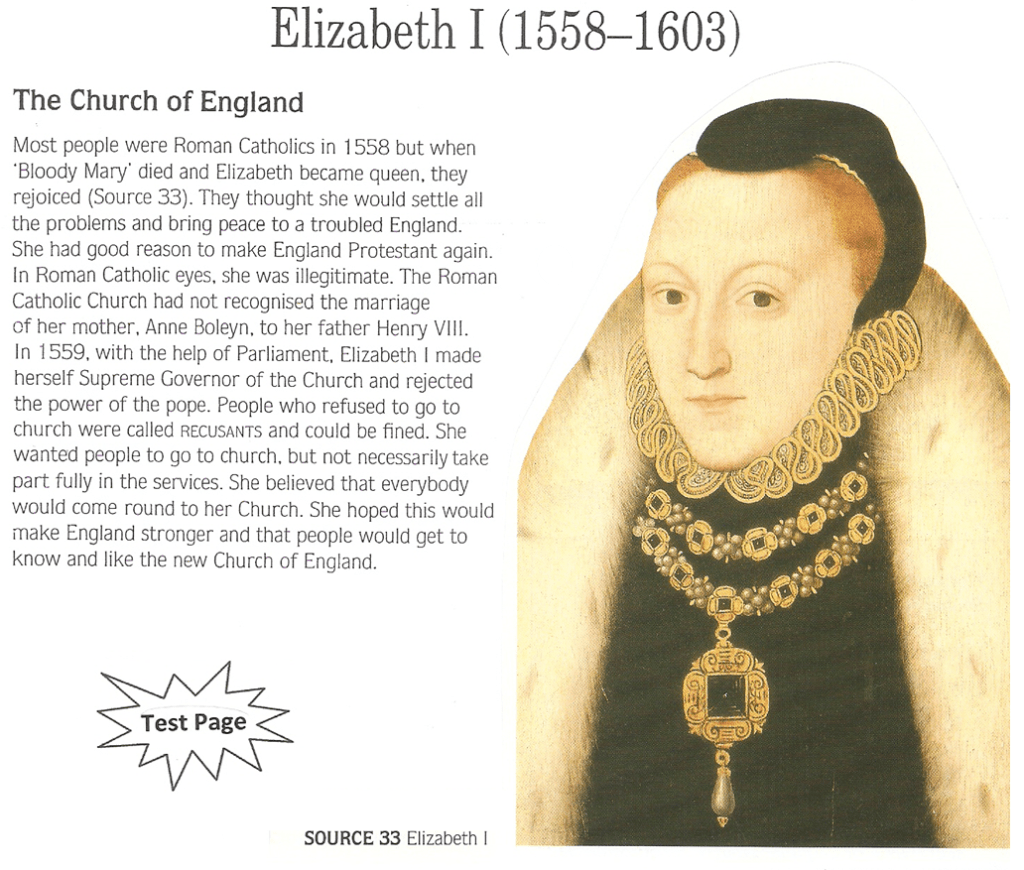
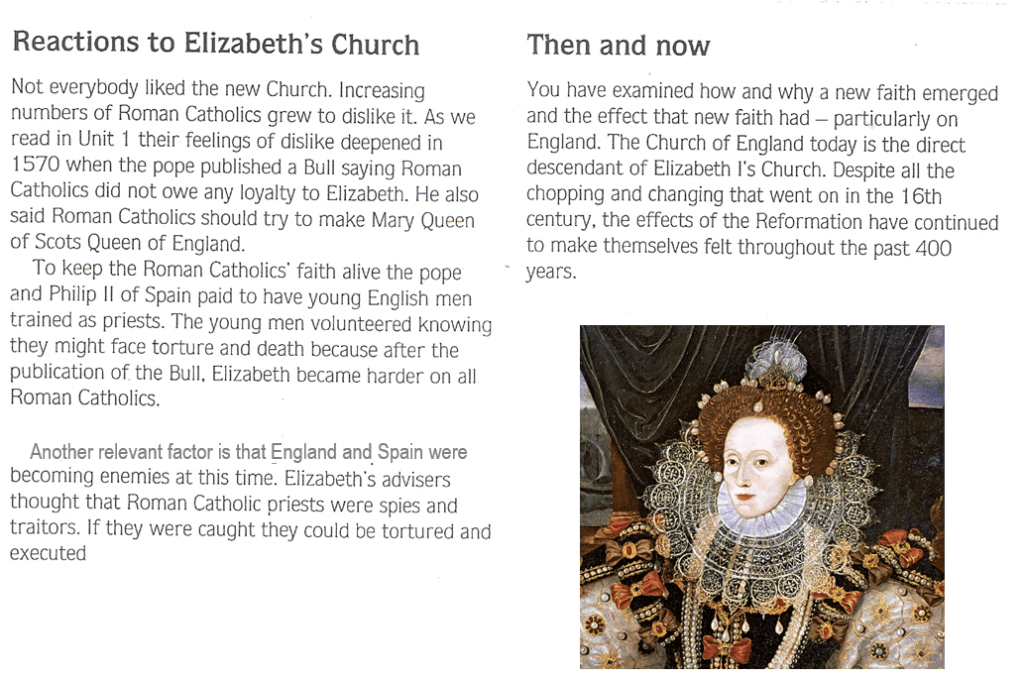
“Elizabeth I (1558-1603)”, p.49
(WordPress advertisements may appear below.)
Y8: 3-4. Martin Luther – continued
Year 8A & Year 8B
Today we are going to start with your project on the Reformation…
Follow the instructions step by step:
1.

First, look at your test result (Homework-9) and also see where you have perhaps lost marks:
2.
Go to p.51 in your Workbook and read through all the questions on Martin Luther.
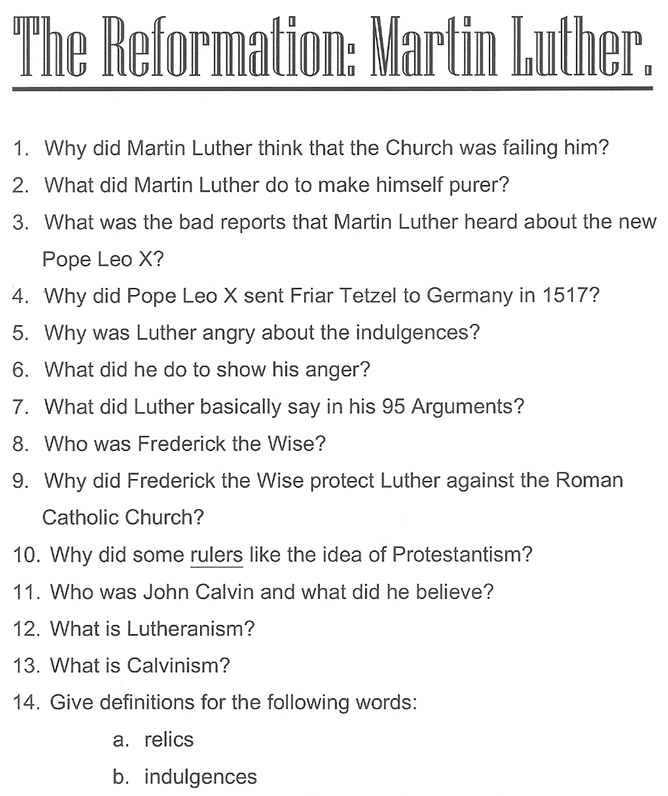

Now you are going to answer some of these questions to test your knowledge and understanding.
“Martin Luther, p.51”
Please take note:
You may choose to complete:
EITHER: the odd numbers (Q-1, Q-3, Q-5, Q-7, Q-9, Q-11, Q-13)
OR: the even numbers (Q-2, Q-4, Q-6, Q-8, Q-10, Q-12, Q-14)
Read the questions carefully before you decide which ones to do.


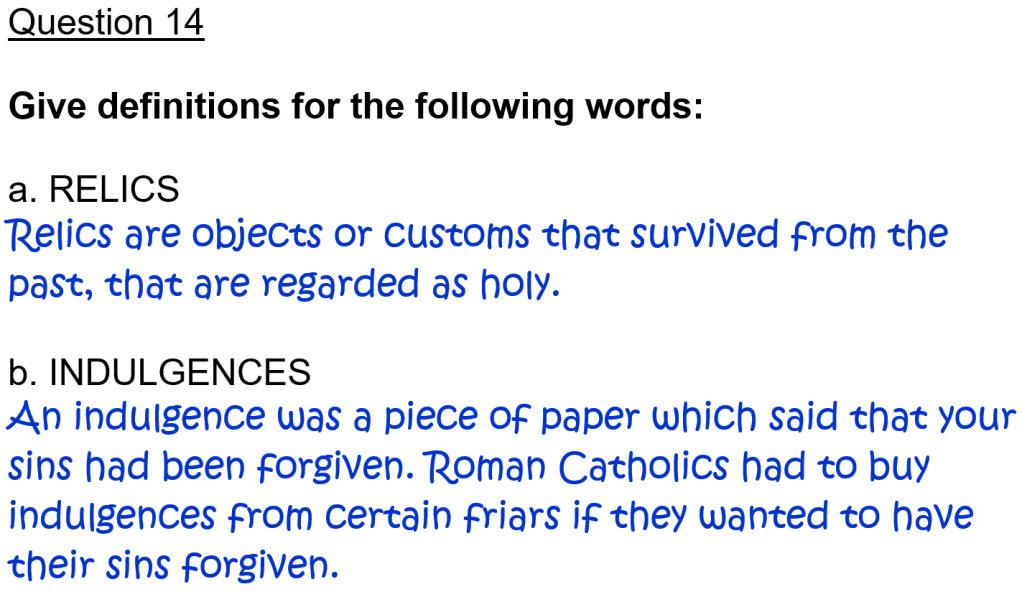
Here is a little bit of help with Question 14:
(WordPress advertisements may appear below.)
Y8: 3-3. Martin Luther
Year 8A & Year 8B
Today you are going to:
- write a test on Cortes
- learn more about Martin Luther
Cortes and Luther were contemporaries!
Follow the instructions step by step:
1.
Complete the test!
(This is a test on Cortes & the Aztecs, p.38-40)
2.
If you have completed this task…
Task 1 on p.32-33.
3.
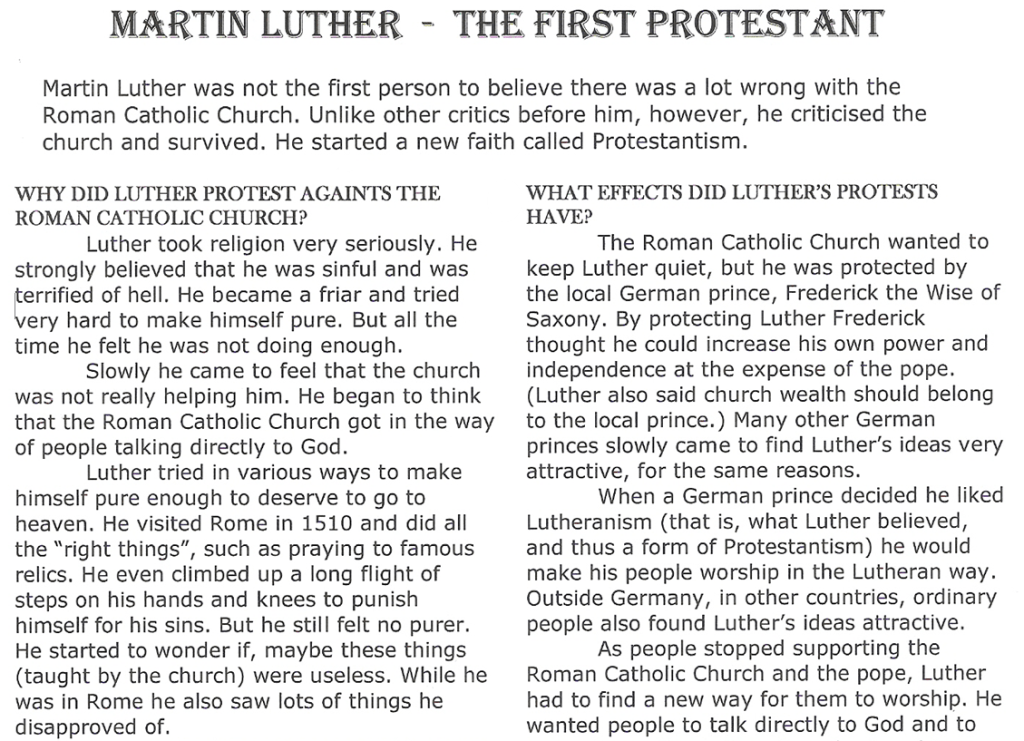
“Martin Luther – the first Protestant” (p.46)

4.
Now, let’s see what else we can learn about Martin Luther and the reformation of the Roman Catholic Church.

Animated History of Martin Luther and the Reformation. (4:29 minutes long)
Martin Luther Biography. (2:02 minutes long)
5.
Read the following play:
It is a conversation between Martin Luther and a friend…
6.

This animated film tells the story of Martin Luther.
Martin Luther -The Animated Movie – English. (11:26 minutes long)
(WordPress advertisements may appear below.)
Y8: 3-2. Religion before the Reformation
Year 8
Today you are going to start with the topic on The Reformation…
Follow the instructions step by step:
1.
Let’s revise from the previous lesson: Religion in Europe before the Reformation.
Reformation Overview – Background. (2:23 minutes long)
2.
Now, let’s test your knowledge and understanding…
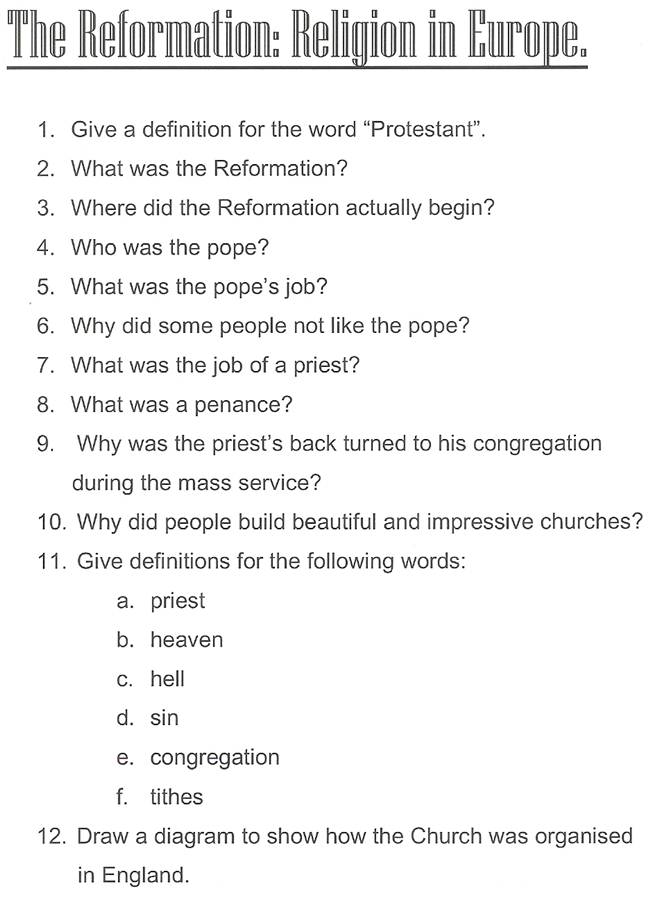
“Religion in Europe, p.50”
3.
Here is a little help with Question 8:
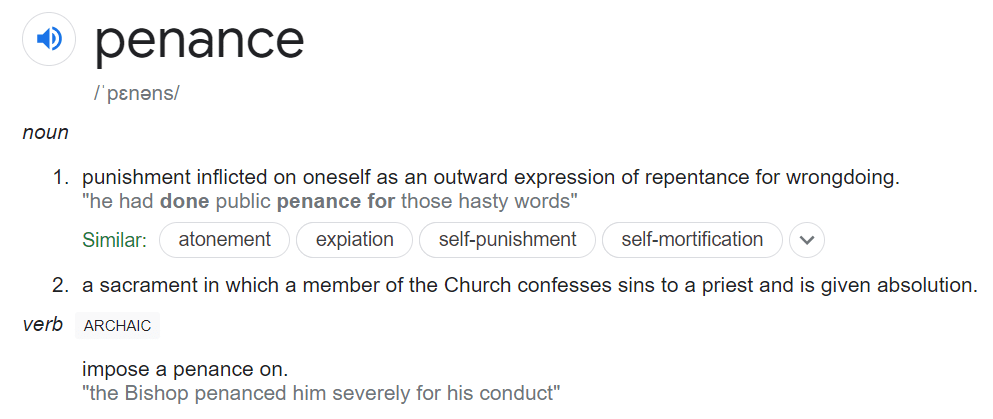

4.
And here are possible answers to the definitions in Question 11:
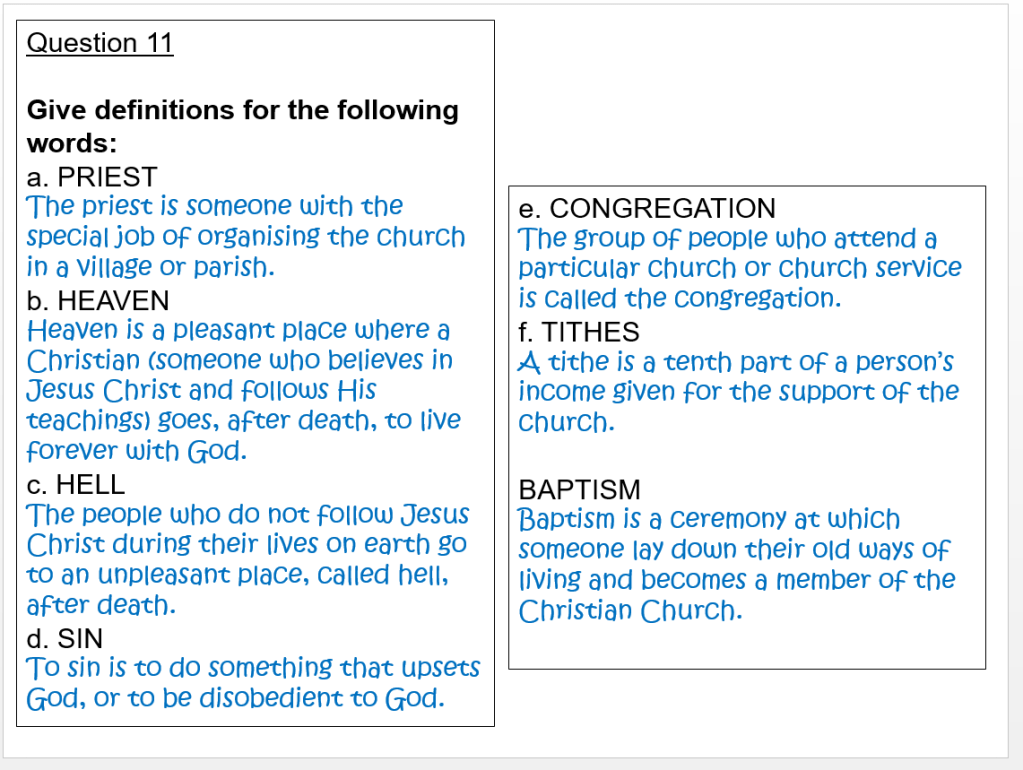
(WordPress advertisements may appear below.)
Y8: 3-1. Reformation – Introduction
Year 8
Today you are going to start with the topic on The Reformation…
Follow the instructions step by step:
1.
If you have completed this task…
Task 7 on p.25.
2.
The Renaissance brought many changes – one of whom involved religious changes – the so-called Reformation.
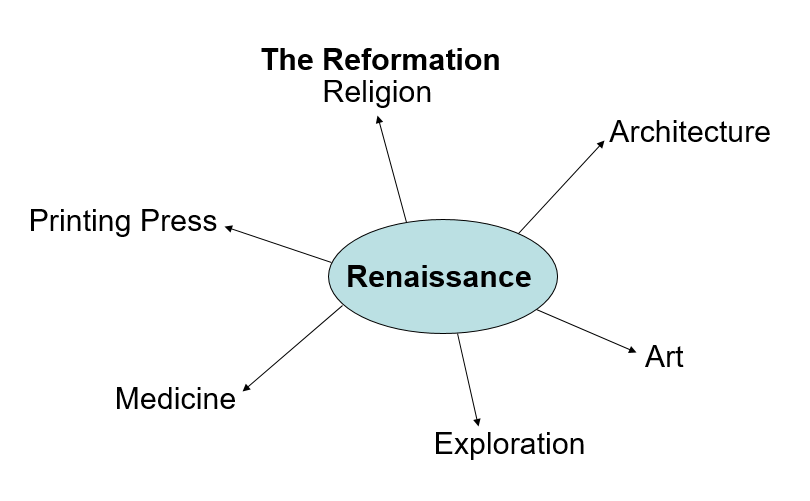
3.
We will first familiarize ourselves with some background information about religion, simply because it will help us to understand this period of history better. Let’s start with a video about the history of the Christian church.
Reformation Overview – Introduction. (3:19 minutes long)
4.
The next video tells us a bit more about religion in Europe before the Reformation.
Reformation Overview – Background. (2:23 minutes long)
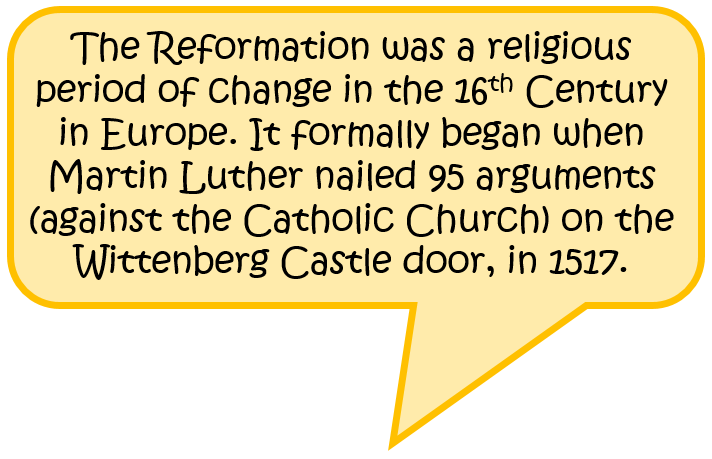
5.
Now, complete the definition on p.44…

6.
Familiarize yourself regarding the way in which the Roman Catholic Church was organisation, p.45
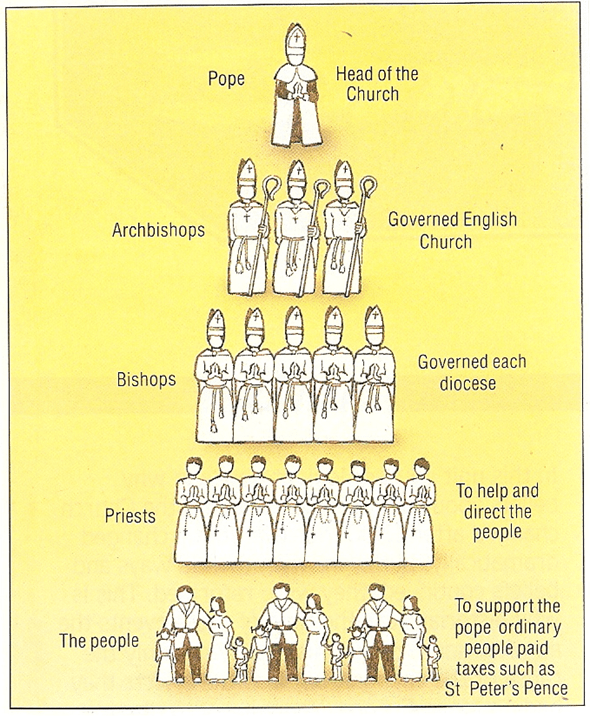
7.
The video below also explains how the Roman Catholic Church was organised.
Church Organisation. (1:00 minute long)
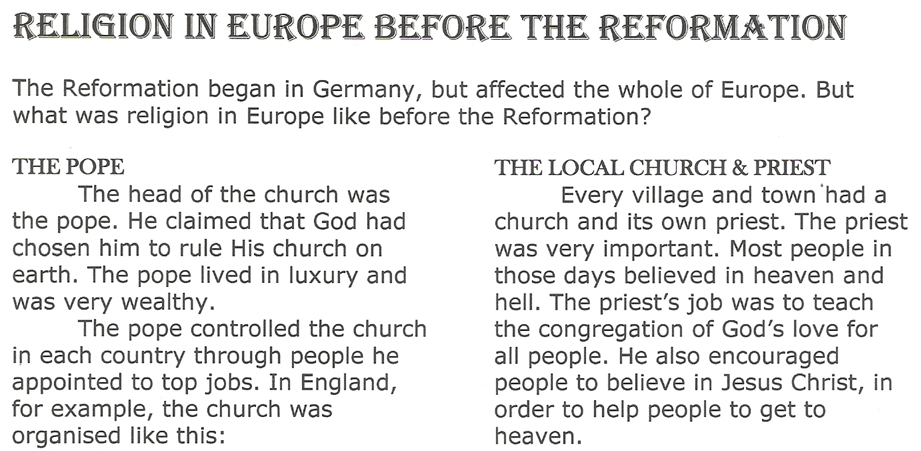
8.
Let’s see what your Workbook can tell us about religion in Europe before the Reformation.
Read p.45

9.
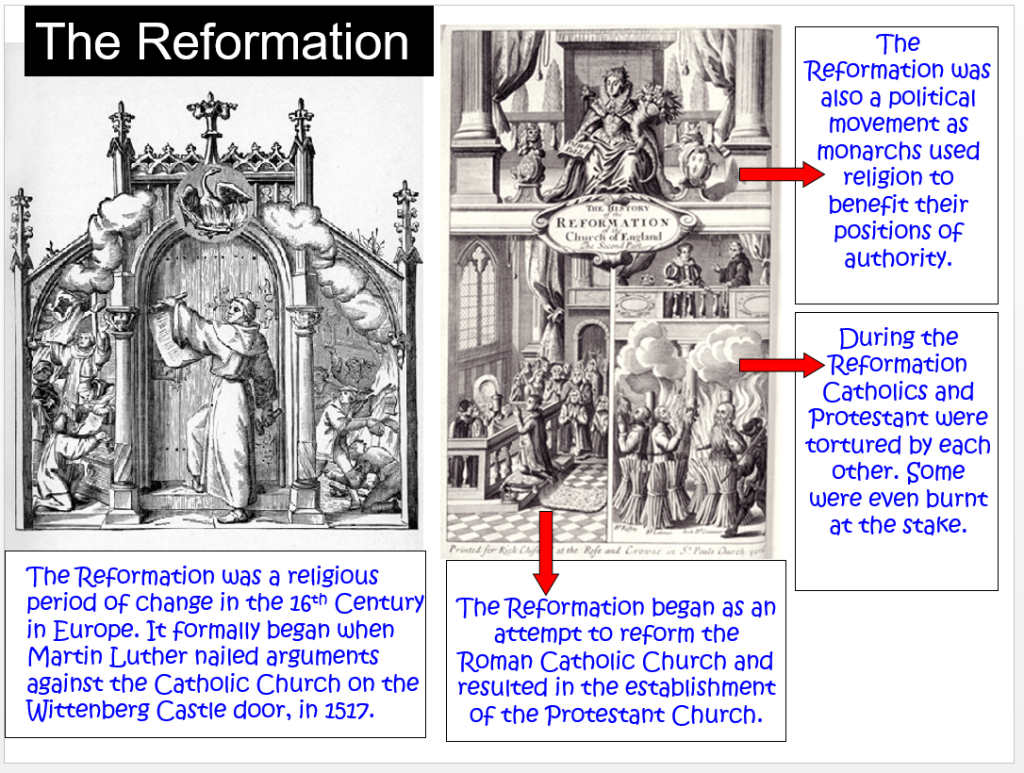
a) Stick the title page (provided) into your purple book.
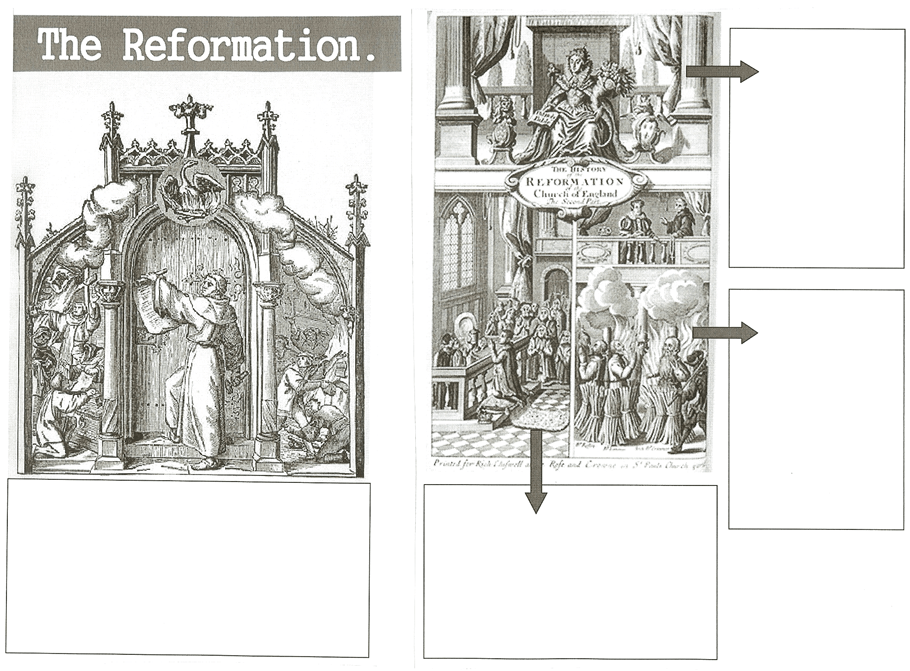
b) Now complete the annotation-boxes by copying the information below.
10.
Read the following play:
It is a meeting between the Pope and some clergy…
(WordPress advertisements may appear below.)
Y9: 2-11. The Great Depression – continued
Year 9A & Year 9B
Today you are going to examine the Great Depression in more detail!
Follow the instructions step by step:
1.
In the previous lesson we discussed the Great Depression. Here is a quick reminder of what the Great Depression was…
The Great Depression Explained in One minute. (1:29 minutes long)
2.
As mentioned previously, the Great Depression did not only have a negative economic impact. It also had negative political consequences. For example:
People blamed their governments for their suffering…

People began to support radical political parties…
This gave rise to dictatorships…!
3.
Let’s see what else we can learn about the Great Depression and its effects from your Workbook.
p.66-67
4.
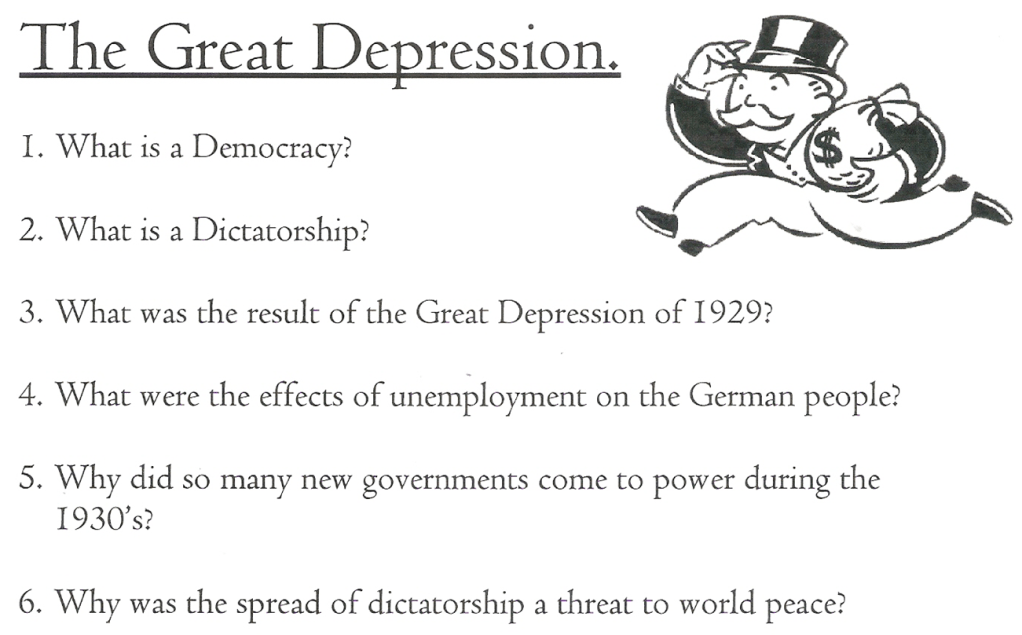
Let’s test your knowledge and understanding of the Great Depression and its impact by answering the questions on p.64 in your Workbook.
“The Great Depression, p.64”
5.
Now, complete the “mood-o-metre” (on p.42) to show how you feel about the topic on “The Consequences of WW1” …! (Feel free to also make any other relevant comments about this topic.)


6.
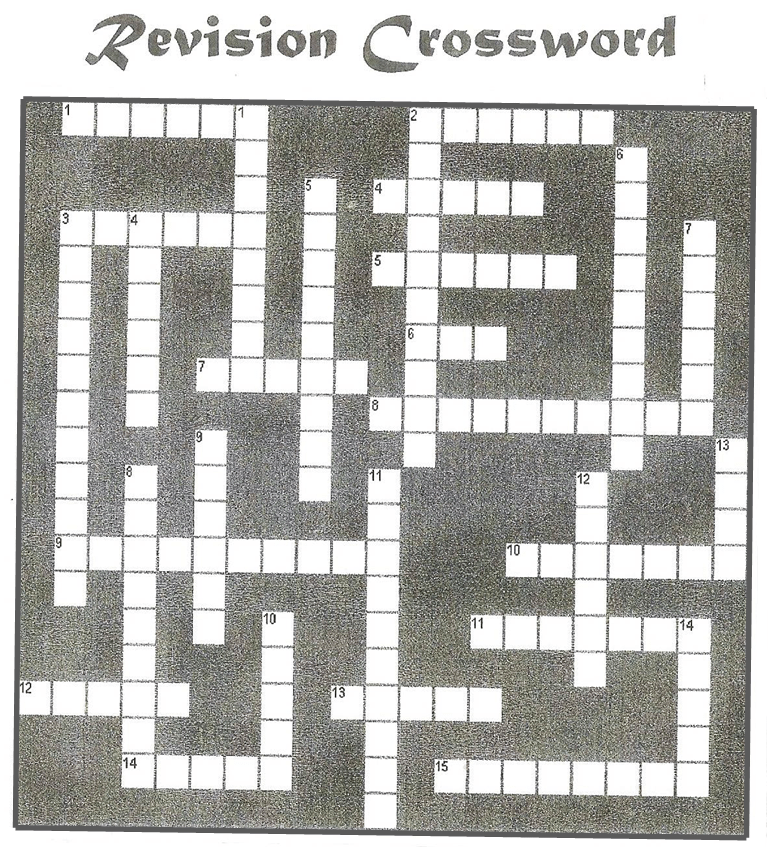
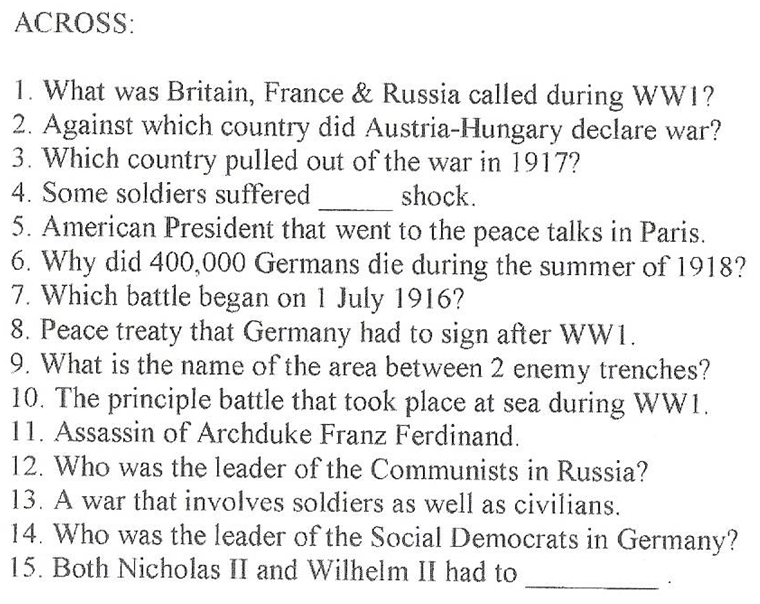
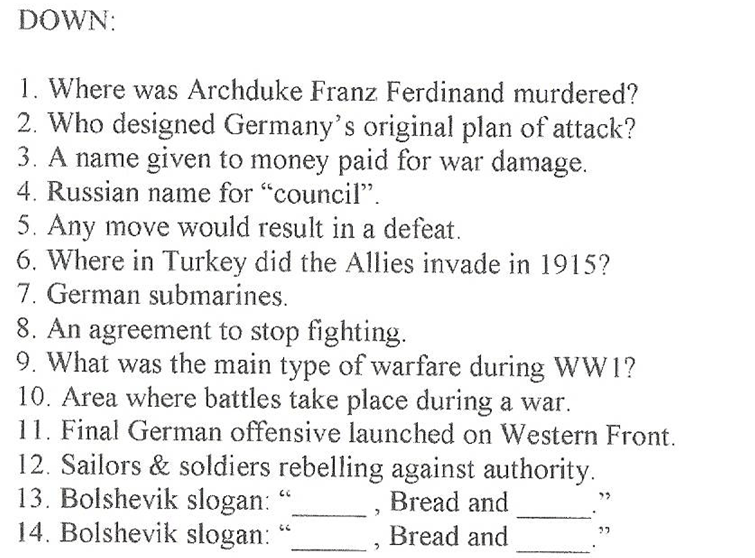
Complete the crossword puzzle on p.70-71 of your Workbook.
7.

Answer the Questions on p.65.



(WordPress advertisements may appear below.)
Y9: 2-10. The Great Depression
Year 9A & Year 9B
Today you are going to examine the Great Depression in more detail!
Follow the instructions step by step:
1.
In the previous lesson we learnt about the prosperous 1920’s. Unfortunately, “the roaring twenties” came to an abrupt end in October 1929. This was the start of the Great Depression. Let’s do a bit of extra reading to discover what the Great Depression was…
“The End of the Golden Twenties”, p.65.
2.
So, “the roaring twenties” came to an abrupt end in October 1929, when the stock market crashed and millions of investors were wiped out. Over the next few years, consumer spending and investment dropped, as companies struggled and people lost their jobs.
How did this all start?
(Pay close attention. This is a bit complicated, but you do not have to explain it. Simply try to understand what happened.)
Causes of the Great Depression | Daily Bellringer. (5:03 minutes long)
The 1929 Stock Market Crash – Explained. (2:40 minutes long)
Understanding the Wall Street Crash of 1929. (3:41 minutes long)
The Great Depression – 5 Minute History Lesson. (5:40 minutes long)
(You may need to slow down the speed of this video to 0.75!)
(The “Dow Jones” is a stock market index that measures the stock performance of 30 large companies listed on stock exchanges in the United States.)
3.
The effects of the Great Depression were profound… It had a negative impact on world economies, as shown in the diagram below:

4.
This diagram is on p.65 of your Workbook. Let’s also read the rest of the information about the Great Depression on p.65.
“The End of the Golden Twenties”, p.65.
5.
However, the Great Depression did not only have a negative economic impact. It also had negative political consequences. For example:
People blamed their governments for their suffering…
People began to support radical political parties…
This gave rise to dictatorships…!
6.
Here you can see how dictatorships spread during the 1930’s, as a direct result of the Great Depression!
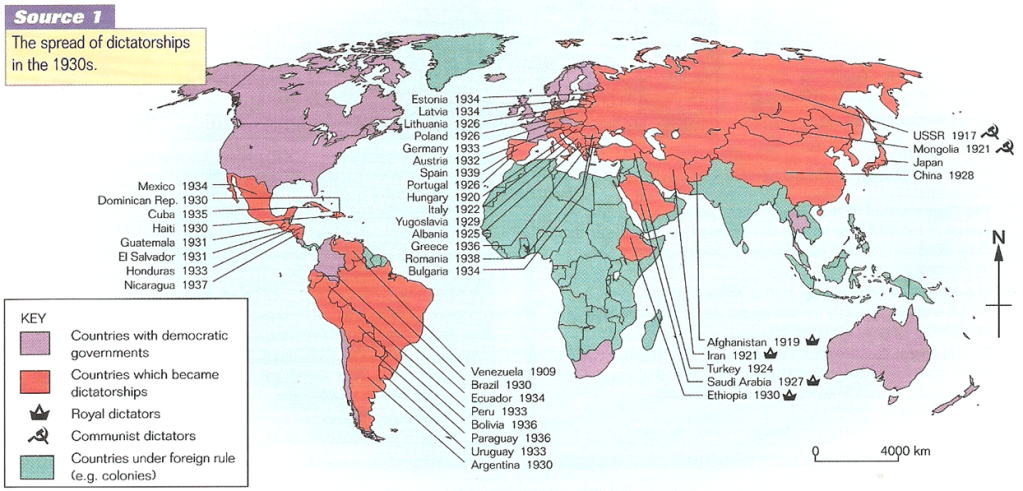
(This diagram is on p.66 in your Workbook.)
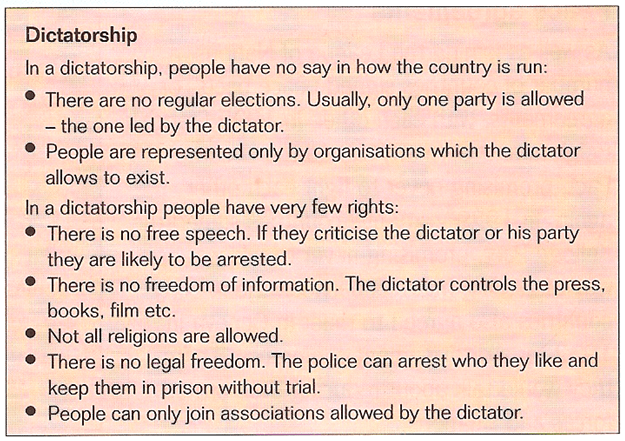
7.
So, what is a dictatorship?

(1:03 minutes long)
Here are the main characteristics of a dictatorship:
8.
Examine the chart below. It gives brief information about four well known dictatorships of the 1930’s:
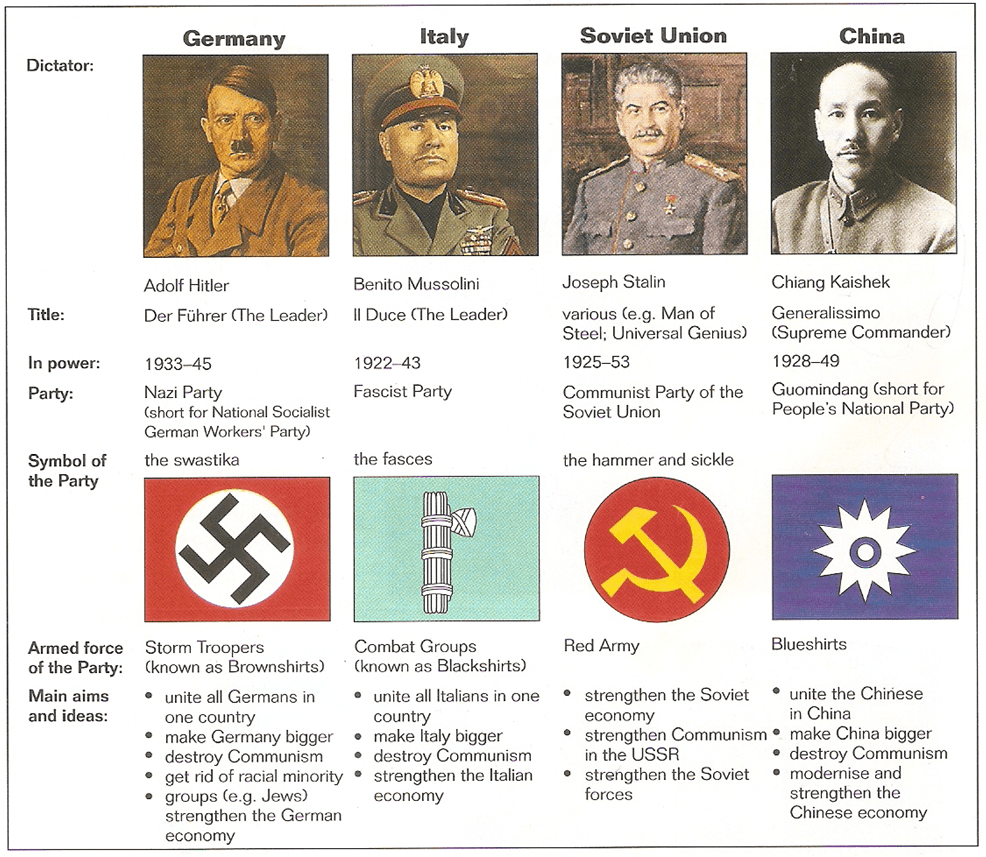
(This is Source 2, on p.67 of your Workbook.)
9.
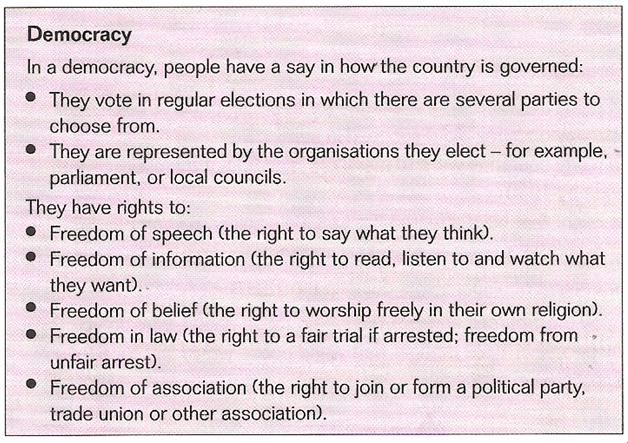
The opposite of a dictatorship is a democracy.
(1:04 minutes long)
Here are the main characteristics of a democracy:
10.

This is a useful article about Economic Depressions in History: 5 of the World’s Most Devastating Financial Crises | Britannica
(WordPress advertisements may appear below.)
Y9: 2-9. The League & the 1920’s
Year 9A & Year 9B
Today you are going to learn about the 1920’s. We will look at:
- the League of Nations
- the Roaring Twenties
Follow the instructions step by step:
2.
Let’s look at the 1920’s…
League of Nations

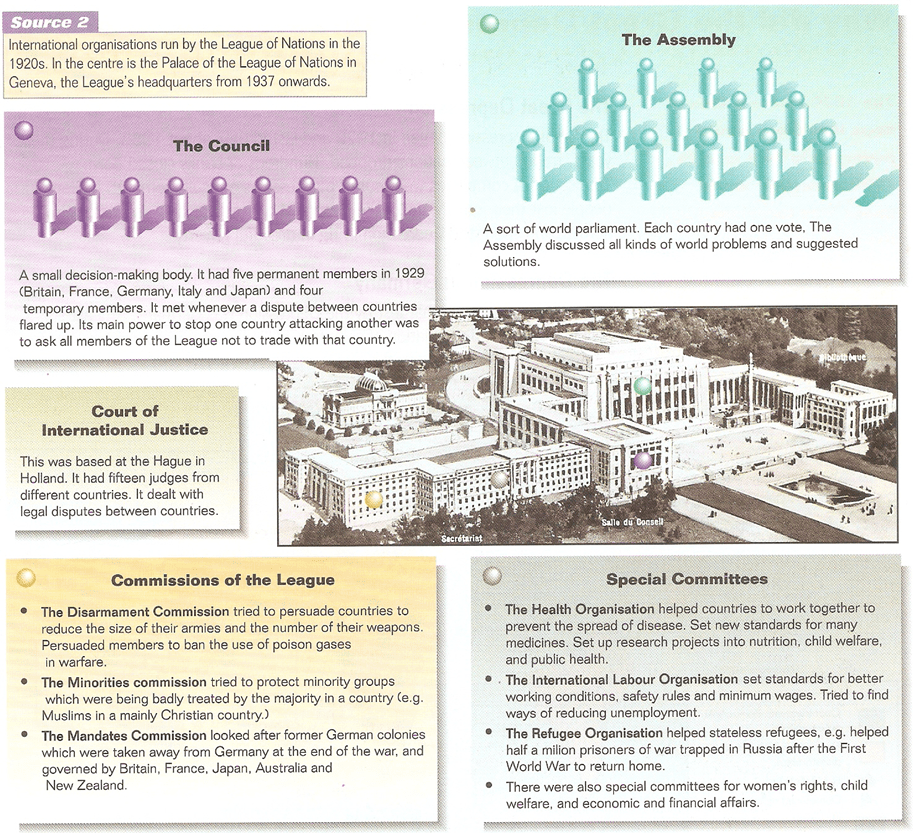
In 1919 the peacemakers who met at the Palace of Versailles (to draw up a peace treaty) also set up a League of Nations. The League of Nations was set up to settle any disputes between countries, keep worldwide peace and make the world a better place to live in.

The Roaring Twenties

The 1920’s was a period of hope.
People were looking forward to rebuild their countries after World War One, and there was general peace and prosperity during the 1920’s. Entertainment, technology & economy flourished – worldwide!
The Great Depression
Then, in 1929, everything changed again, when there was a worldwide economic depression…Hundreds of banks closed down. Thousand of companies went out of business. Millions of people lost their jobs.
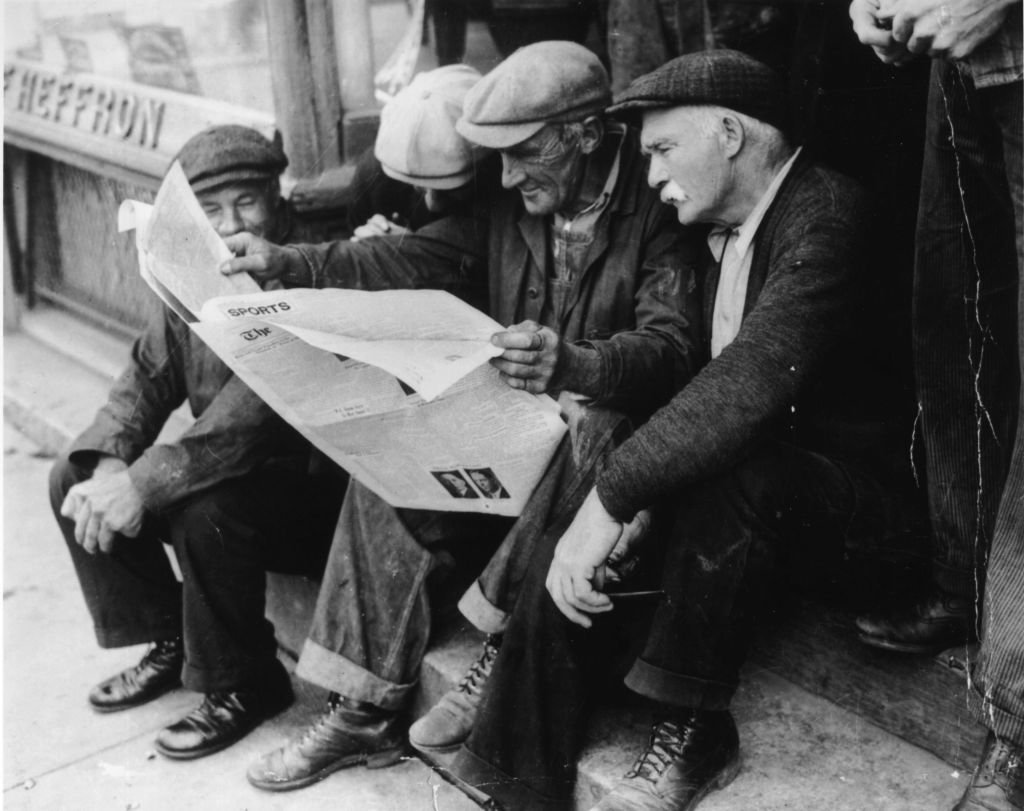
Trade between nations dropped. All this had devastating consequences for the 1930’s! People started to blame their governments and world co-operation was now forgotten!
3.
For now, let’s focus on the prosperous years of the 1920’s!
We will first examine the League of Nations from a little closer:
League of Nations. (1:29 minutes long)
4.
p.62-63
5.
The diagram below shows how the League of Nations was structured – examine this diagram closely. (This is Source 2, p.63.)
6.
Let’s also see what is meant by “the roaring twenties”… The video below tells us what life was like in the USA during the 1920’s. However, entertainment, technology & economy flourished worldwide during “the roaring twenties”!
The Roaring Twenties in 2 minutes. (2:09 minutes long)
(This video deals with the USA – but Europe experienced a similar period of prosperity.)
7.
During “the roaring twenties” it was relatively easy for the League of Nations to keep world peace, because people began to prosper and were generally satisfied. All this began to change at the end of the 1920’s, when the Great Depression started…
8.
Let’s test your knowledge and understanding of the work of the League in the 1920’s.

Write the following heading:
“The 1920’s: a time of hope?, p.64”
Then answer the questions on p.64, on “The 1920’s: a time of hope”.

9.

If there is still time in this lesson you may start doing the crossword puzzle on p.70-71 of your Workbook.
(WordPress advertisements may appear below.)
Y9: 2-8. Revolutions – a comparison
Year 9A & Year 9B
Today you are going to:
- mark some work
- compare the Russian and German Revolutions…
Follow the instructions step by step:
1.
p.48 – “The Treaty of Versailles” (questions)
and
p.53 – “Consequences of WW1” (questions)
2.
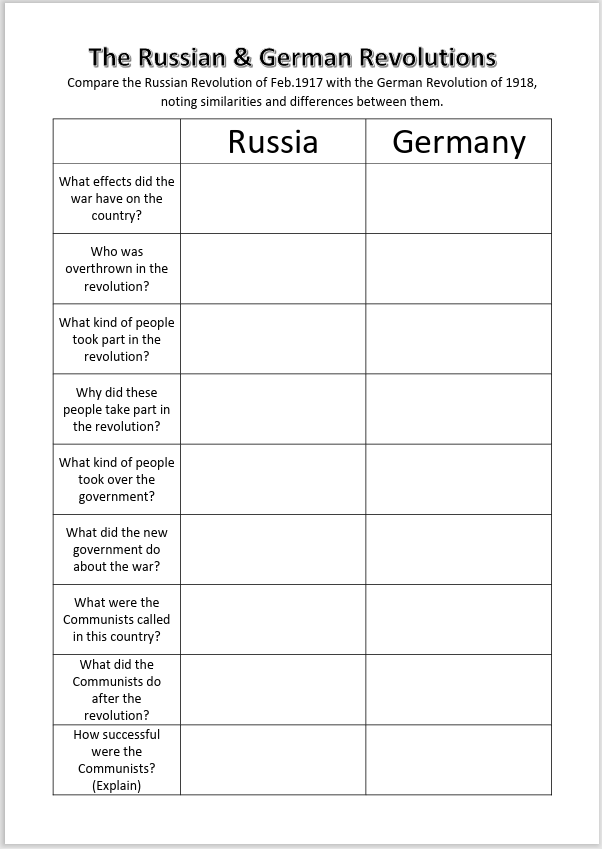
Complete the table by making a comparison between events in Russia (1917) with events in Germany (1918 & 1919) when both monarchies were overthrown.
(WordPress advertisements may appear below.)
Y9: 2-7. Revolution in Germany
Year 9A & Year 9B
Today you are going to learn about the German Revolutions…
Follow the instructions step by step:
1.
Let’s see what the German revolutions were all about…
The Abdication of the Kaiser. (3:25 minutes long)
2.
Now, let’s see what your workbook can tell us about the German revolutions…
read p.58-59
3.
And here is more about the second revolution, or Communist revolution, that (almost) happened in Germany…
The Spartacist Revolt. (3:15 minutes long)
4.
What happened, in short:
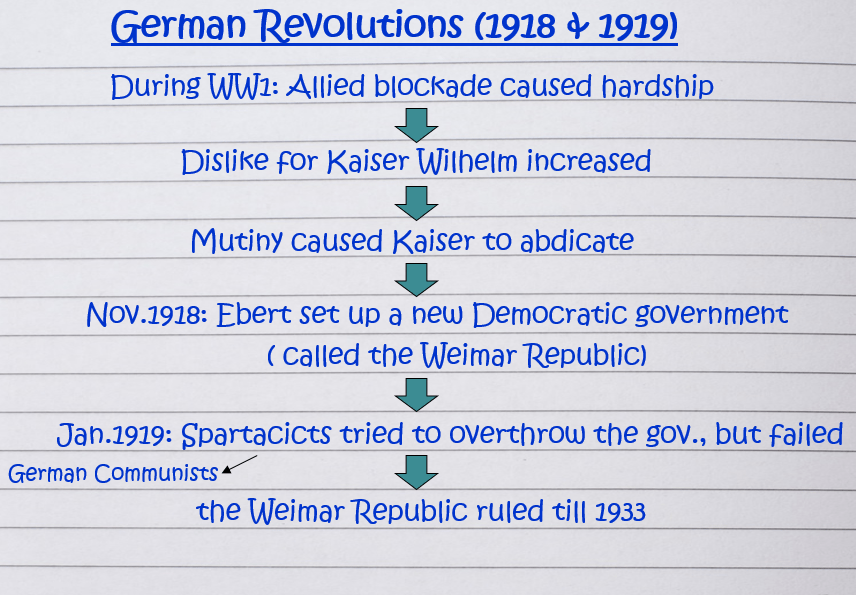
5.

Copy the German Revolutions flowchart into your book!
6.
In the light of what we are going through in 2020-2021 with Covid-19, you may find the following interesting…
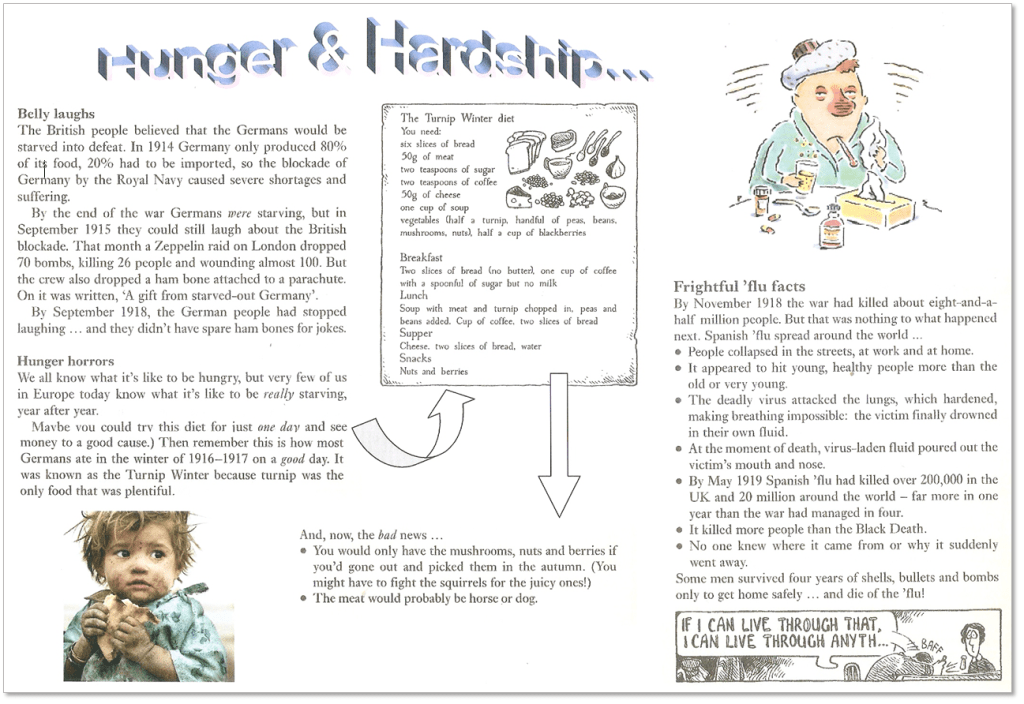
“Frightful ‘flu facts”, p.61
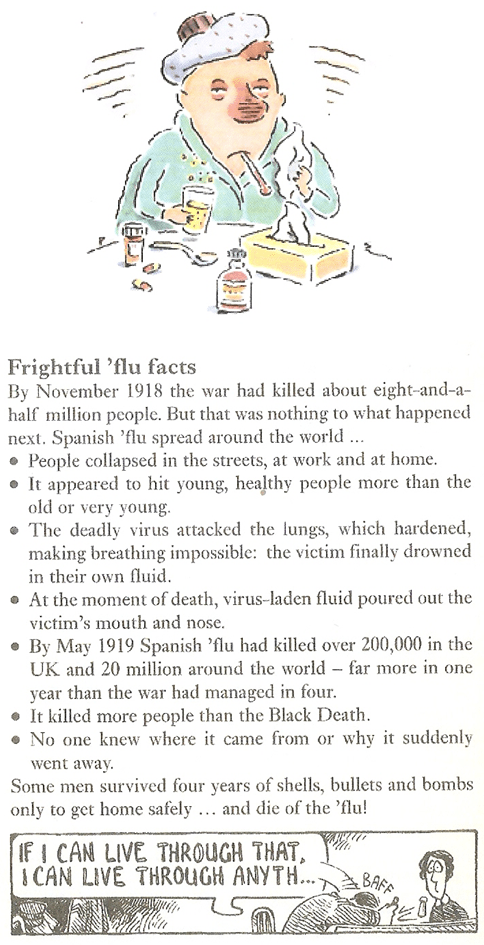
(Once you have finished all of today’s work, also read the rest of the information on p.61 as extra reading.)
7.
Let’s test your knowledge and understanding by means of the following:
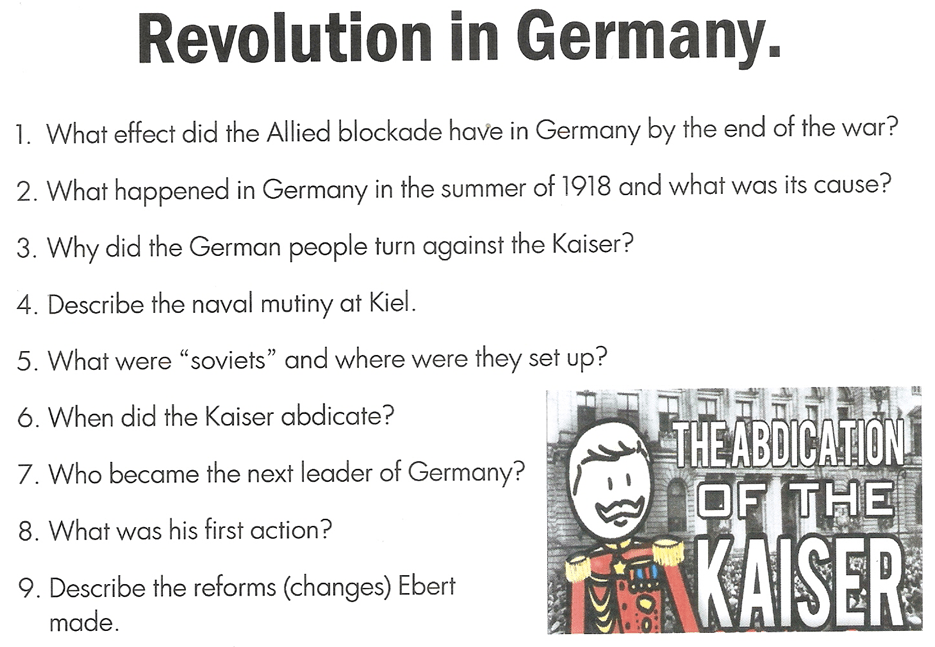
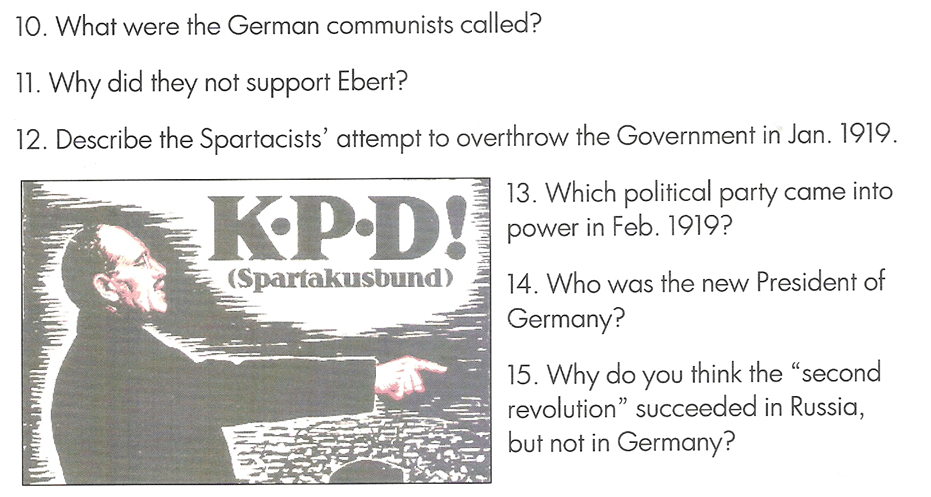
“Revolution in Germany, p.60”
Please take note:
You may choose to complete EITHER numbers 1 to 5,
OR: numbers 6 to 10,
OR: numbers 11 to 15.
Read the questions carefully before you decide which ones to do.
8.

“Hunger & Hardship”, p.61
9.

Complete the table by making a comparison between events in Russia (1917) with events in Germany (1918 & 1919) when both monarchies were overthrown.
(WordPress advertisements may appear below.)
Y9: 2-6. Revolution in Russia – continued
Year 9A & Year 9B
Today you are going to:
- explain the theory of Communism to the rest of the class.
- continue with your assessment task on the Russian Revolutions.
Follow the instructions step by step:
1.
Task 3 on page 32-34.
2.
Task 4 on page 35-37.
3.

Explain the Theory of Communism to the rest of the class…
4.
To refresh your memory, here is a quick overview of the Russian Revolutions:

5.
Now, continue with your assessment task on the Russian Revolutions.
You had to complete:
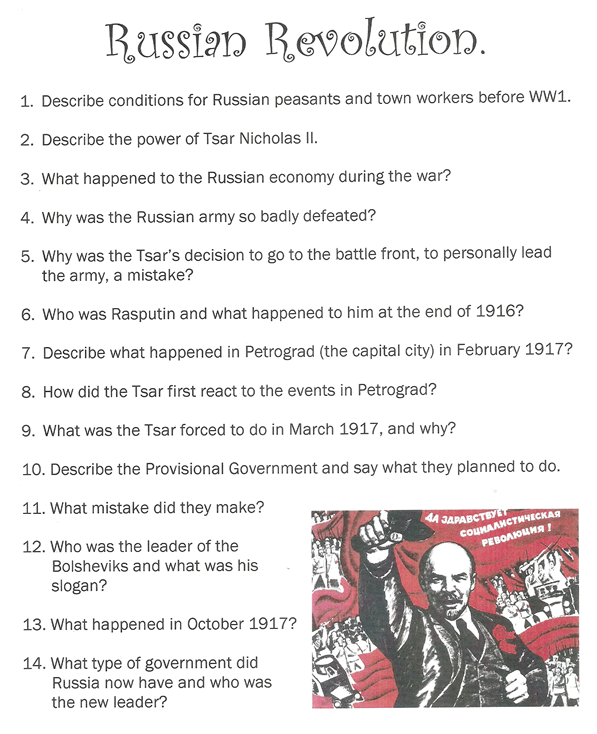
- either the questions on p.56
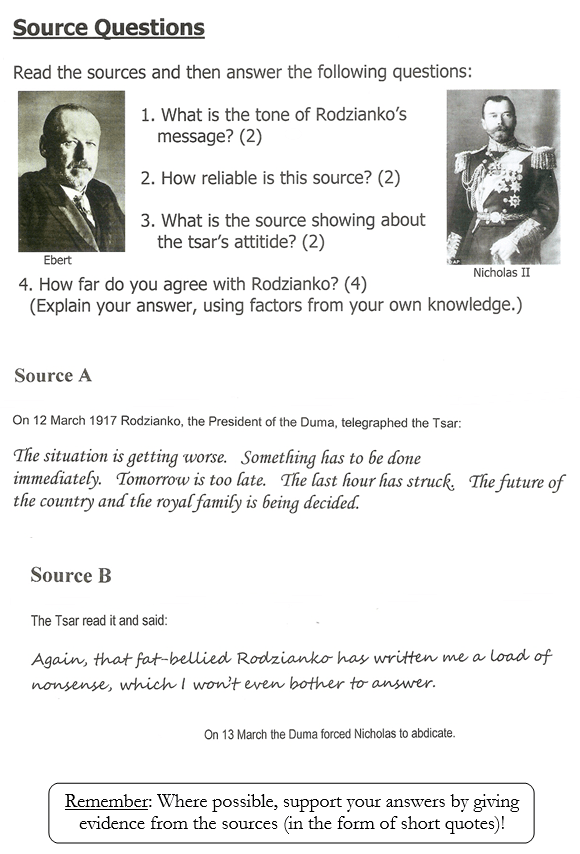
- or the questions on p.57
Page 56:
Page 57:
6.

It is important that you do your best in this assessment task! Below is relevant advice…
page 56

This task focuses mainly on testing your knowledge of the events. You will find all the answers in your book. The challenge is to answer in detail and express yourself clearly and correctly. For each unclear or incorrect answer, you will lose a mark. (The task will get a total mark out of 10.)
page 57
This task focuses mainly on testing your understanding of the events. The challenge is to use you knowledge of the events to examine the sources and then give your opinion, as led by the questions. It is important to always support what you say by using quotes and / or examples from the sources. You get marks for how well you use the sources to support your statements, apart from question 4 (where you have to make more use of your own knowledge).
(WordPress advertisements may appear below.)
Y9: 2-5. Revolution in Russia
Year 9A & Year 9B
Today you are going to learn about the Russian Revolutions…
Follow the instructions step by step:
1.
Let’s see what the Russian revolutions were all about…
The Russian Revolution, 1917. (3:13 minutes long)
The Russian Revolution, 1917. (5:15)
2.
read p.54-55
3.
What happened, in short:
4.

Copy the Russian Revolutions flowchart into your book!
5.
Let’s test your knowledge and understanding by means of the following tasks. You must do:
- either the questions on p.56
- or the questions on p.57
Page 56:
Page 57:
Once you have decided, do the following:
“Russian Revolution, p.56”
or, depending on your choice:
“Source Questions, p.57”
6.
This is an assessment task and it is important that you do your best! Below is relevant advice for deciding which task you are going to do…
EITHER
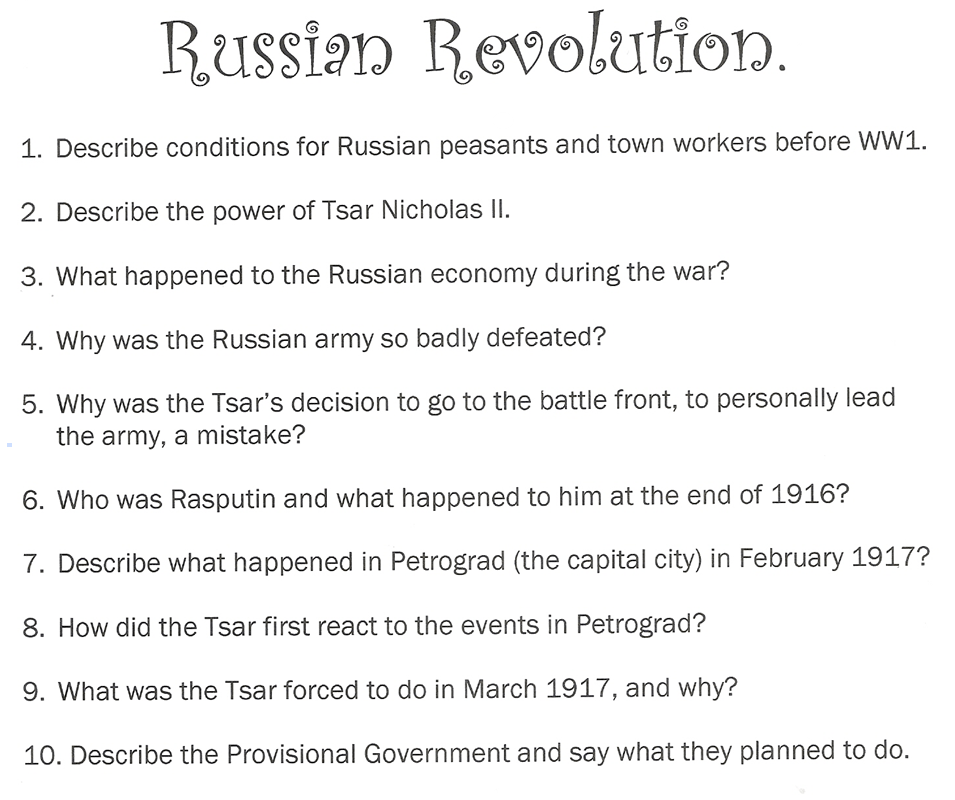
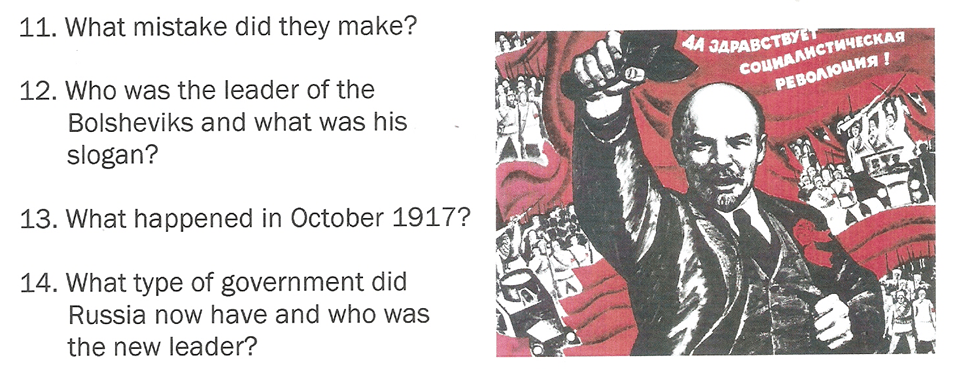
This task focuses mainly on testing your knowledge of the events. You will find all the answers in your book. The challenge is to answer in detail and express yourself clearly and correctly. For each unclear or incorrect answer, you will lose a mark. (The task will get a total mark out of 10.)
OR
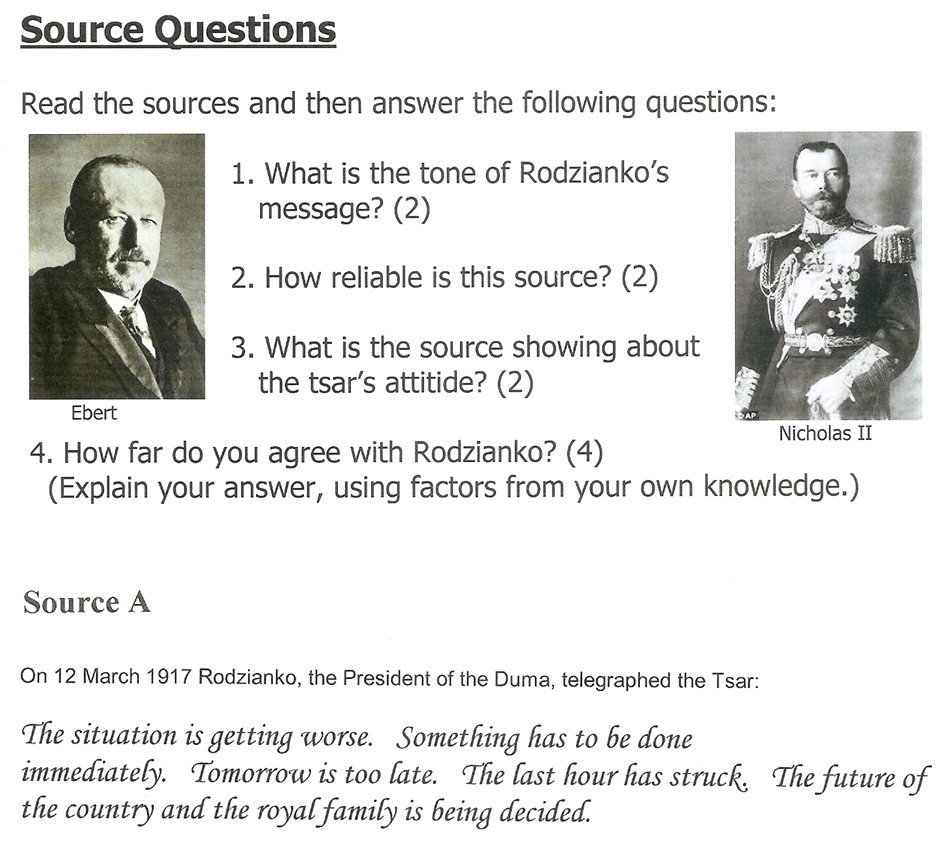
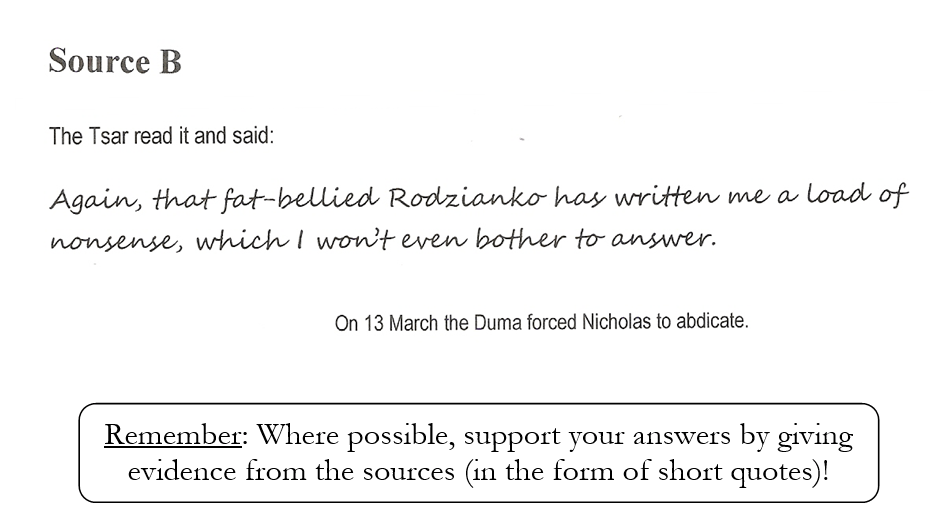
This task focuses mainly on testing your understanding of the events. The challenge is to use you knowledge of the events to examine the sources and then give your opinion, as led by the questions. It is important to always support what you say by using quotes and / or examples from the sources. You get marks for how well you use the sources to support your statements, apart from question 4 (where you have to make more use of your own knowledge).
(WordPress advertisements may appear below.)
Y9: Doing GCSE History…
Year 9A & Year 9B
Let’s investigate the option of taking GCSE History in Years 10 & 11… Below are three short video clips that give you information about GCSE History. Watch all 3 clips, even if you have already decided which subjects you will take next year.

In this video you will see How GCSE History can benefit you and also what the GCSE History course is about.
GCSE History. (1:58 minutes long)
Here is a short discussion, by Queen’s students, about the pro’s and con’s of taking GCSE History. (The voices have deliberately been “mickey-moused”…)
TAKE NOTE: Both positive and negative aspects are discussed, to give a balanced view on taking GCSE History…
What students say about GCSE History… (2:55 minutes long)
And finally… one last video to help you make up your mind. You do not want to miss this video clip!!
(PS: I have the Geography teacher’s permission to show you this video…)
Doing GCSE History. (4:10 minutes long)
-Please Take Note-
If Mrs Irvine takes the GCSE History Class the topics will be:
Year 10 topics:
1) Russia, 1905-1941 (We will look at Tsarist Russia, Lenin’s Russia, and Stalin’s Russia.)
2) The Treaty of Versailles (We will mainly focus on the Treaty of Versailles’ impact & fairness.)
Year 11 topics:
1) The League of Nations (We will look at what the League did in the 1920’s and in the 1930’s.)
2) The Road to War (We will look at all the things that Germany did in the 1930’s that eventually led to WW2.)
If Mr Chetty takes the GCSE History Class the topics will be:
Year 10 topics:
1) The United States, 1919-1941. (We will look at Economy & Society in the 1920’s, the Wall Street Crash, and The New Deal.)
2) The Treaty of Versailles. (We will mainly focus on the Treaty of Versailles’ impact & fairness.)
Year 11 topics:
1) The League of Nations. (We will look at what the League did in the 1920’s and in the 1930’s.)
2) The Road to War. (We will look at all the things that Germany did in the 1930’s that eventually led to WW2.)
3) The Cold War. (We will look at the origins of the Cold War, Containment, and Communist control over Eastern Europe.)
(WordPress advertisements may appear below.)
Answers to all Homework Tasks – Y9
1–The First World War
2–Consequences of WW1
3–Nazi Germany
4–The Holocaust
5–Source Analysis
(WordPress advertisements may appear below.)
Protected: Y10: 2-14. War Communism & NEP Essay – with analysis and plan
Y9: 2-4. Theory of Communism – pre-2023
Year 9A & Year 9B
Today you are going to:
- mark some work
- learn what Communism is
Follow the instructions step by step:
1.
Task 3 on p.29-31.
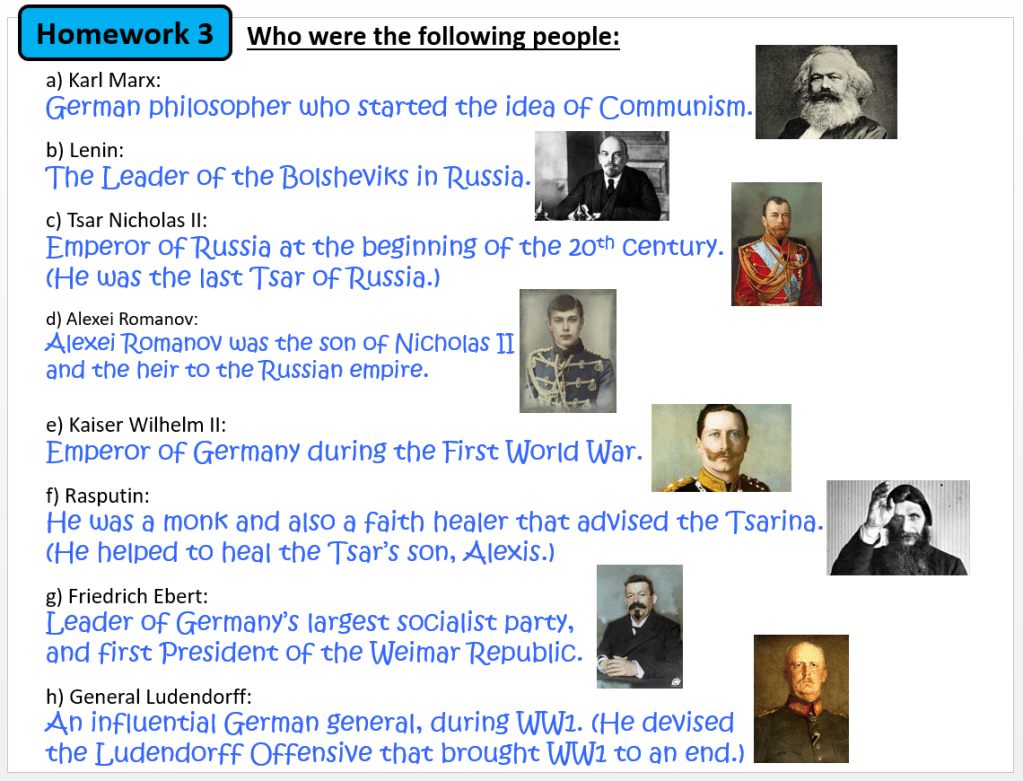
2.
You learnt that one of the consequences of WW1 was the outbreak of revolutions. You also learnt that workers began to like the ideas of Karl Marx. He came up with the ideas of socialism and communism. It is important that you know what these concepts mean. (You are expected to explain them perfectly!)
The Theory of Communism explained. (2:03 minutes long)
3.
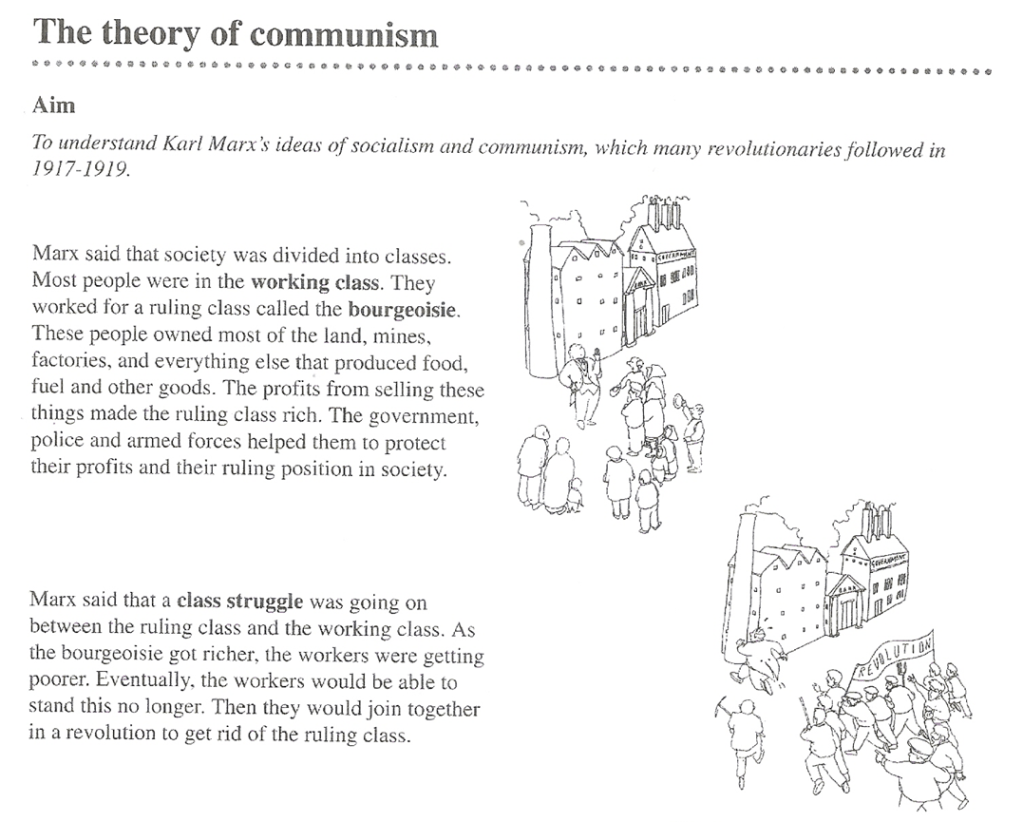
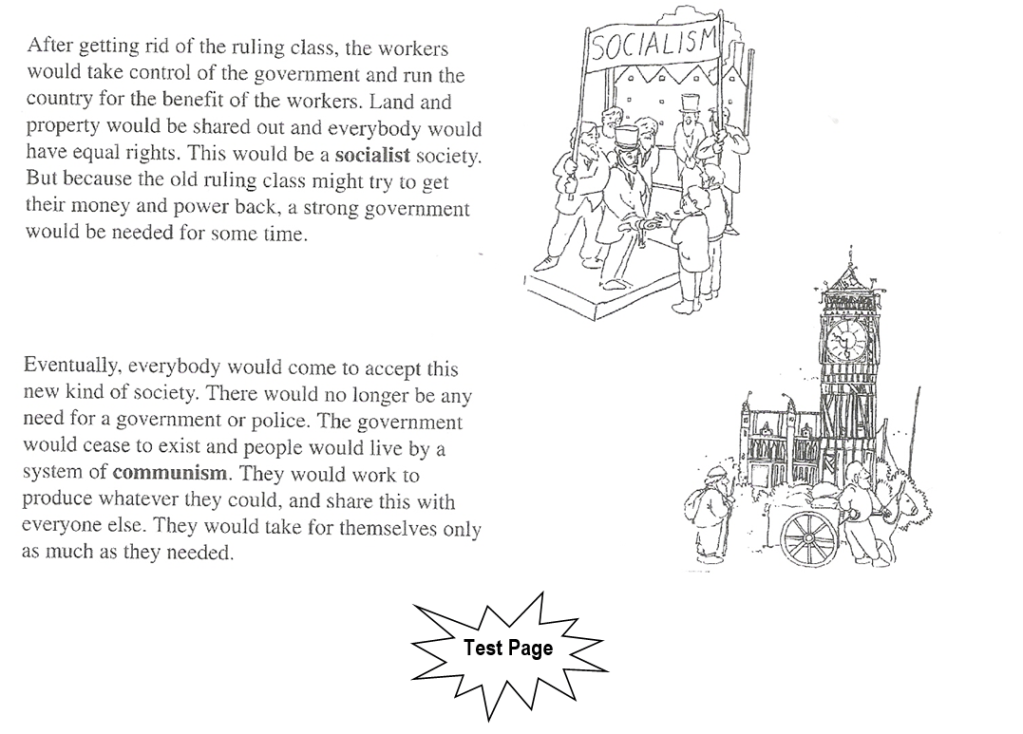
Now, let’s read the same information about the Theory of Communism from your workbook…
The Theory of Communism, p.52.
4.
If you are still unsure, revise the Theory of Communism by watching the explanation again.
The Theory of Communism – (text only). (1:50 minutes long)
5.

(WordPress advertisements may appear below.)
Y7: 1. ANSWERS – ROMAN INVASION
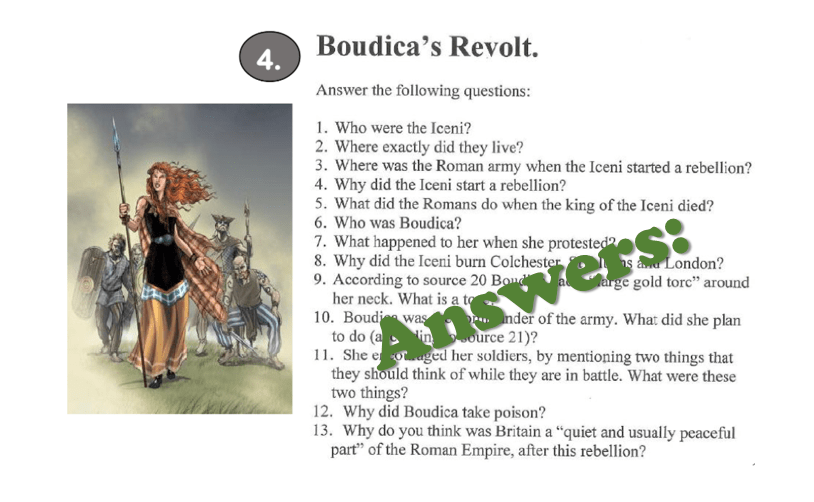
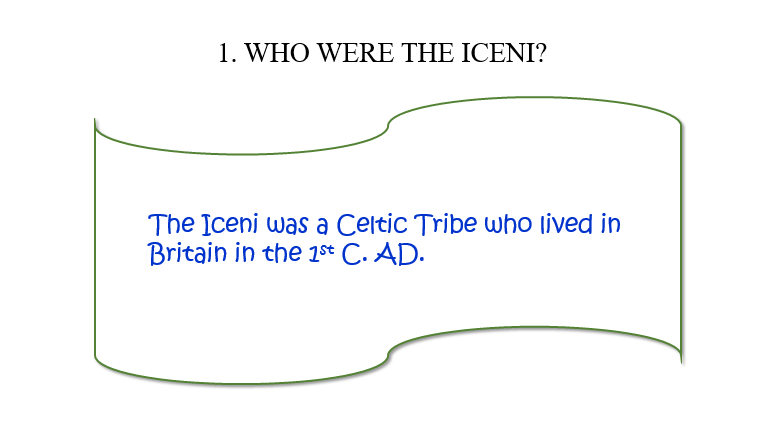
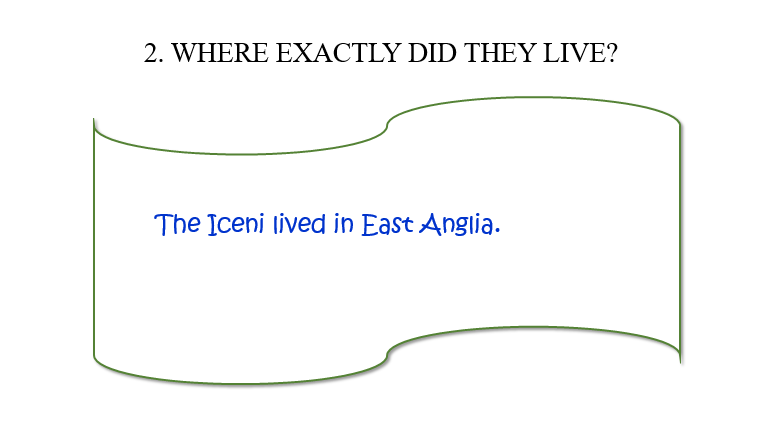
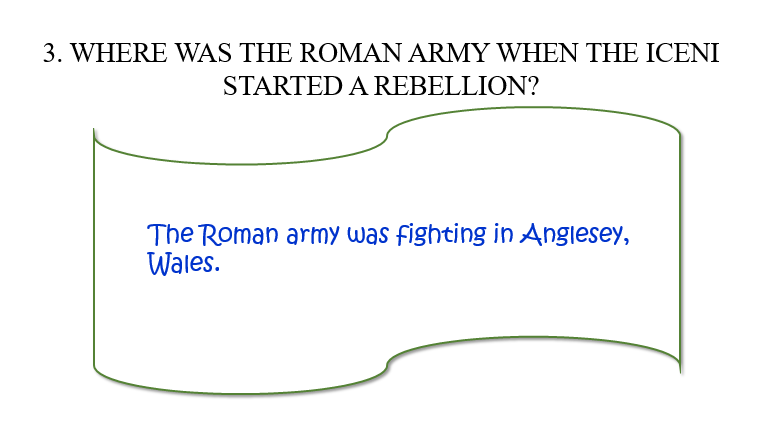
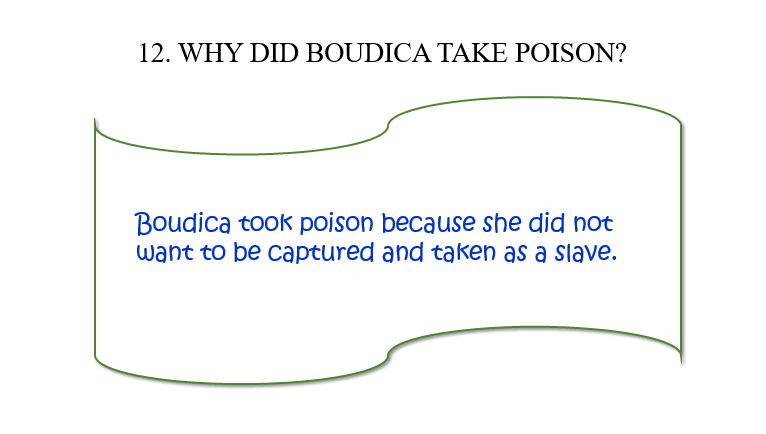
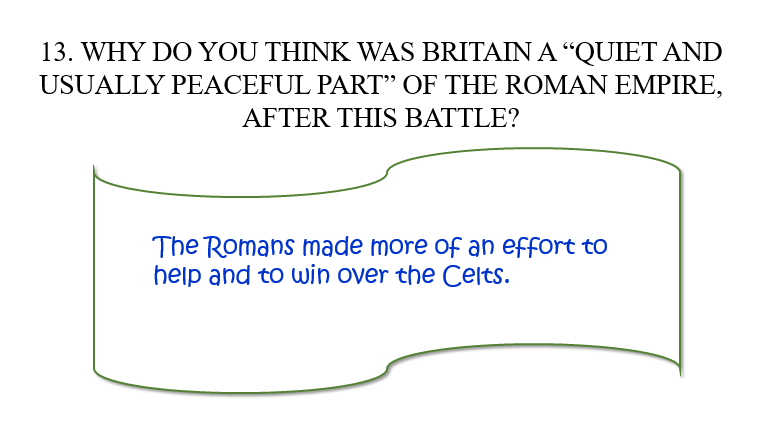
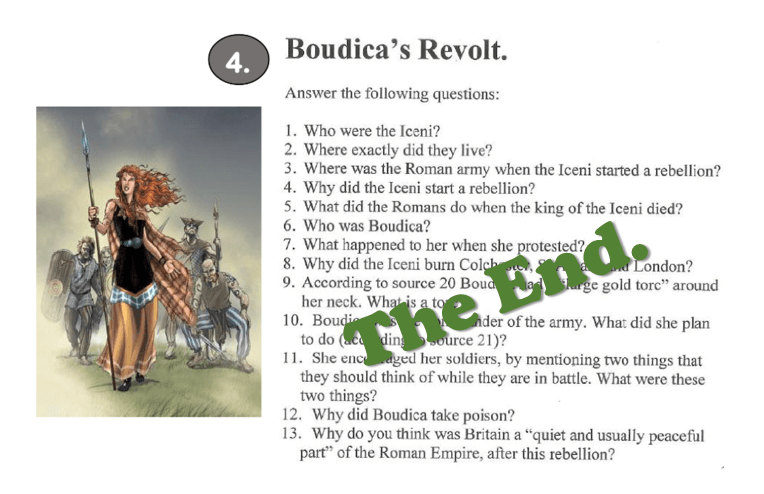
Y7: 1-7. Rome’s Rise to Power – continued
Year 7A & Year 7B
Today we are going to continue examining how the Roman Empire expanded.
Follow the instructions step by step:
1.
To refresh your memory…
2.

3.
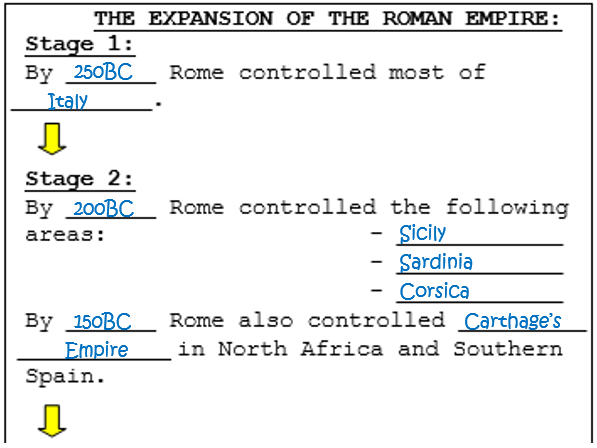
Fill in missing notes on “The Expansion of the Roman Empire” (p.6).
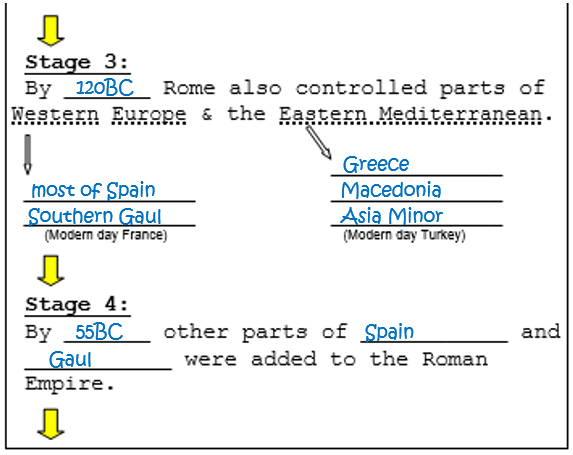
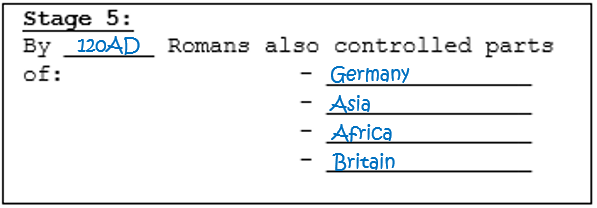
4.
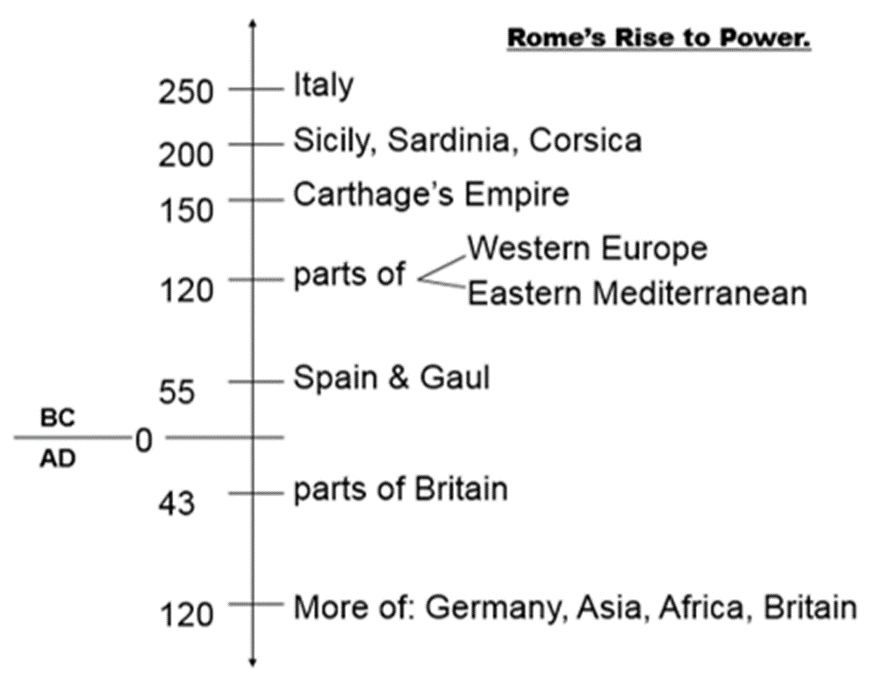
We can also show how the Roman Empire expanded by using a timeline:
5.
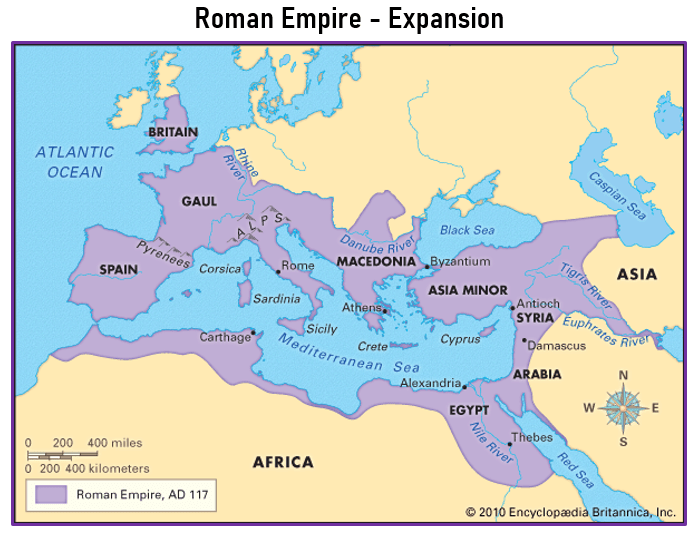
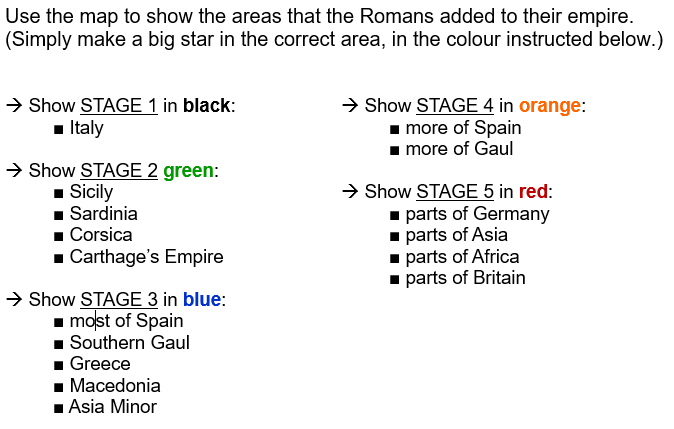
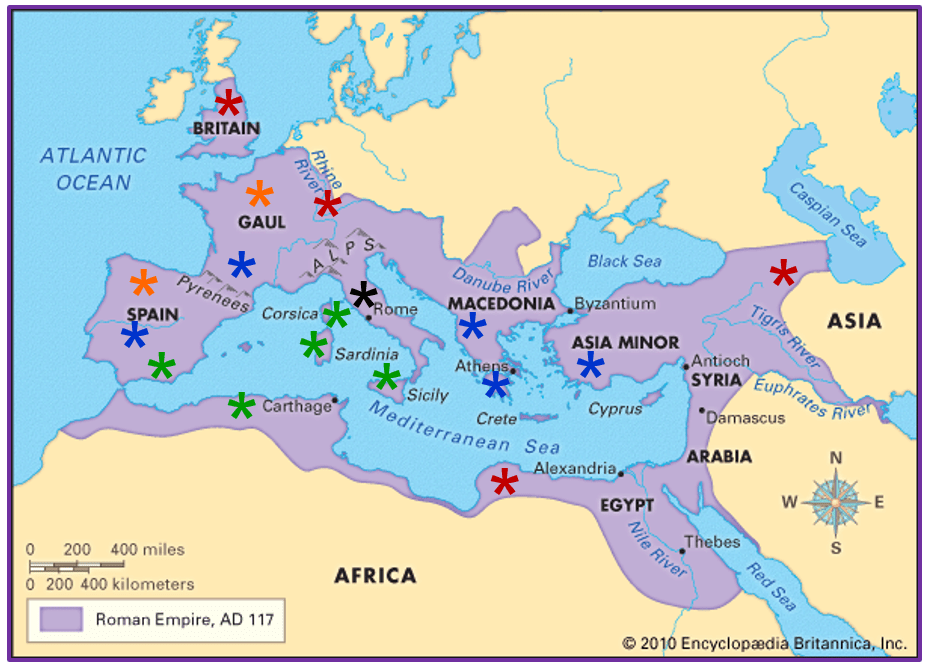
Finally, complete the map worksheet to indicate the places of expansion.
6.
Mark your work in class!
7.

Read the article below on “How Rome was Governed”:

(WordPress advertisements may appear below.)
Protected: Renaissance: HW-77 – Test (on p.1-4)
Protected: Y10: HW-7 — Test Example
The Importance of Working Fast…
Why is it important to work fast?
The answer is short and sweet: Fast & Focussed = Efficiency!
Here are some statistics and considerations related to the importance of working fast and efficiently in a classroom setting:

Efficient time management skills are associated with better academic performance. Students who work quickly while effectively managing their time tend to complete assignments and exams with greater success.

On standardized tests and external examinations, time management is crucial. Research indicates that students who can work quickly and effectively within time constraints tend to score higher on exams.

Working quickly can help students stay engaged and focused during lectures or classroom activities. This can lead to better information retention and understanding.

Developing the ability to work efficiently can be beneficial in the real world. Time management and the ability to meet deadlines are essential skills in many professions.
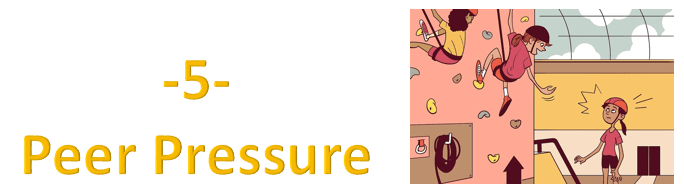
In competitive academic environments, there may be pressure to work quickly to keep up with classmates or meet academic expectations. This can motivate some students to work efficiently.
So, in your next lesson, make sure that you work like Speedy Gonzales!
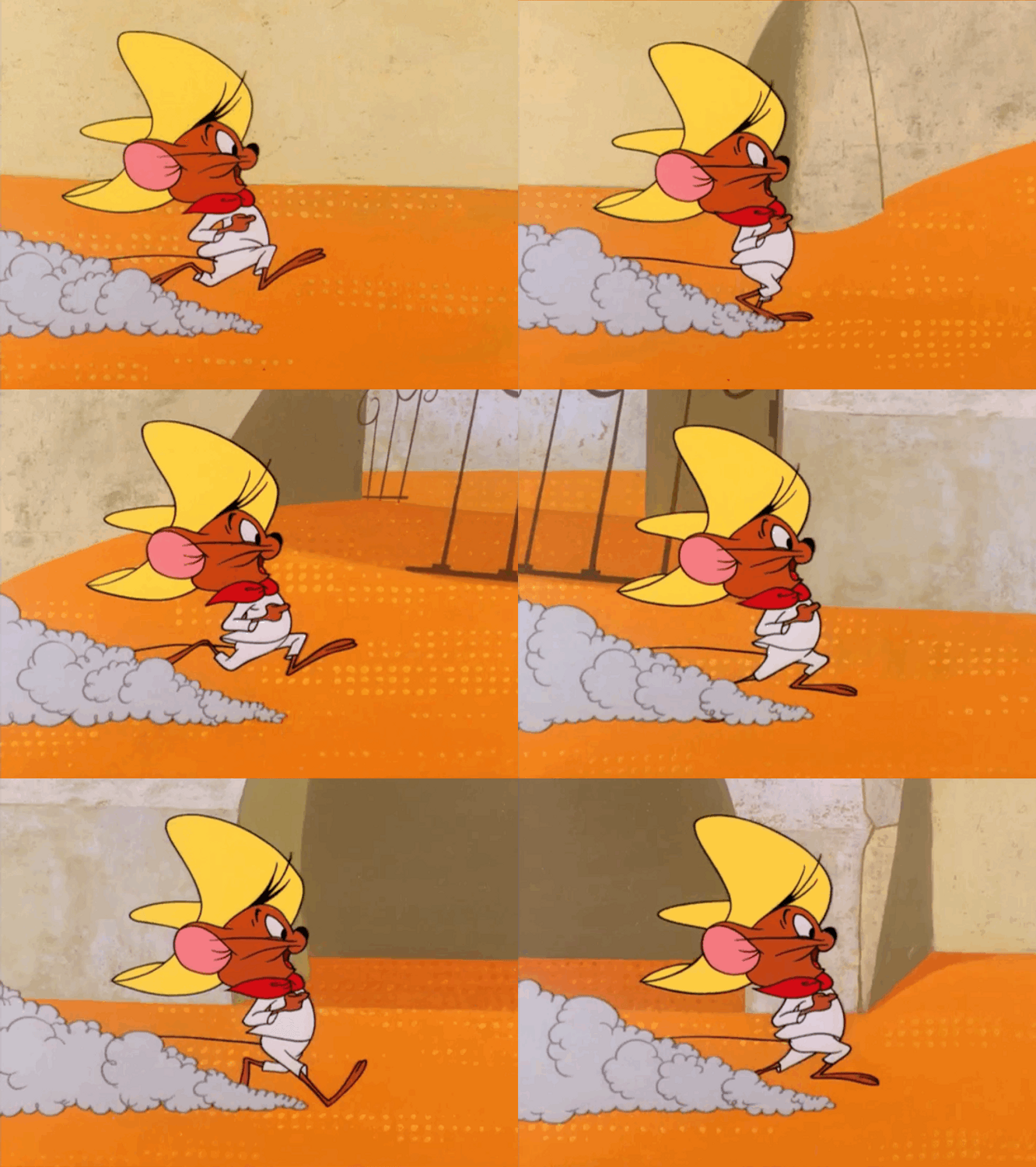
Finally, a short clip, just in case you do not know who Speedy Gonzales is!


(WordPress advertisements may appear below.)
Pay Attention in Class!

Why is it important to pay attention in class?
The importance of paying attention in class cannot be overstated, as it directly impacts a student’s ability to learn, retain information, and ultimately succeed academically. Here are some statistics and key points highlighting the significance of paying attention in class:
- Academic Performance:
- Research has shown that students who actively engage and pay attention in class tend to perform better in exams and assessments.
- A study published in the Journal of Educational Psychology found that students who were more attentive in class scored higher on tests.
- Retention of Information:
- According to the National Training Laboratories, the average retention rate of information after a lecture is just 5% if passive learning methods are employed. However, paying attention can significantly increase this retention rate.
- Reduced Need for Review:
- Actively listening and participating in class can reduce the need for extensive review outside of the classroom. Students who pay attention during lectures may find they understand and remember the material more effectively.
- Classroom Participation:
- Engaging in class discussions, asking questions, and participating actively can contribute to a deeper understanding of the material. It also allows for immediate clarification of doubts.
- Improved Focus and Concentration:
- Developing the skill of paying attention in class can spill over into other aspects of life, enhancing one’s ability to concentrate and focus on tasks.
- Long-Term Success:
- The habits of active listening, note-taking, and engagement learned in school are valuable skills that can contribute to long-term success in one’s education and career.
- Reduced Need for Remedial Education:
- Students who consistently pay attention in class are less likely to require remedial education or additional tutoring, saving time and resources.
- Higher Graduation Rates:
- Research suggests that students who actively participate and pay attention in class are more likely to graduate from their programs and complete their degrees.
- Employability:
- Active listening and the ability to absorb and process information are highly valued skills in the workforce. Employers often seek candidates who can learn quickly and adapt to new information.
- Mental Health Benefits:
- Engaging in the learning process and feeling a sense of accomplishment from paying attention in class can positively impact a student’s mental well-being.
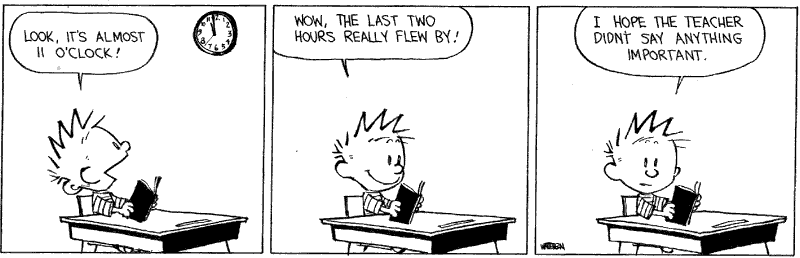
It’s important to note that paying attention in class is not only about avoiding distractions but also involves active participation, asking questions, and taking effective notes. These statistics underline the crucial role of attentiveness in academic success and beyond.
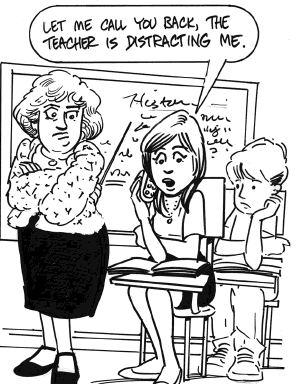
Click here for a scholarly article on the importance of studying attention in school children.
(WordPress advertisements may appear below.)
Y8: 1-9. Submitting Work… – pre-2023
Year 8A & Year 8B
Today you are going to:
- mark some work
- receive your test results
- look at electronic submission of work, through schoology.
Follow the instructions step by step:
7.
First, watch the slides below to mark your crossword puzzle. Give yourself a mark out of 12!

Crossword Puzzle, p.10.
2.
Now, look at your test result (Homework-3) and also see where you have perhaps lost marks:
3.
Sometimes you will be asked to upload tasks to Schoology Assignments. Do you know how to do this?

Submitting Assignments in Schoology (as Student). (1:18 minutes long)
4.
If you are still unsure, also watch this video clip:
How to Submit an Assignment in Schoology. (5:29 minutes long)
5.
It is very important that the photo that you take are of excellent quality!
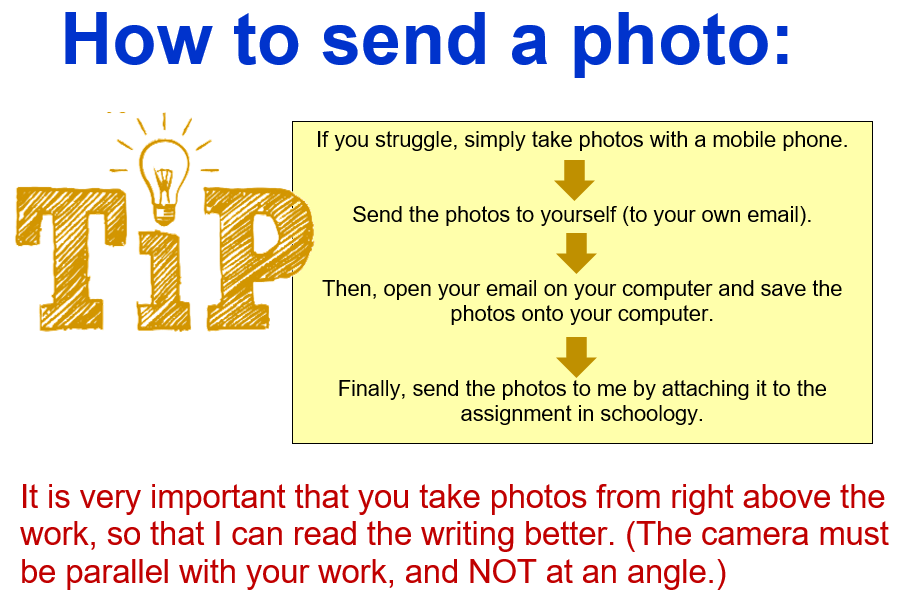
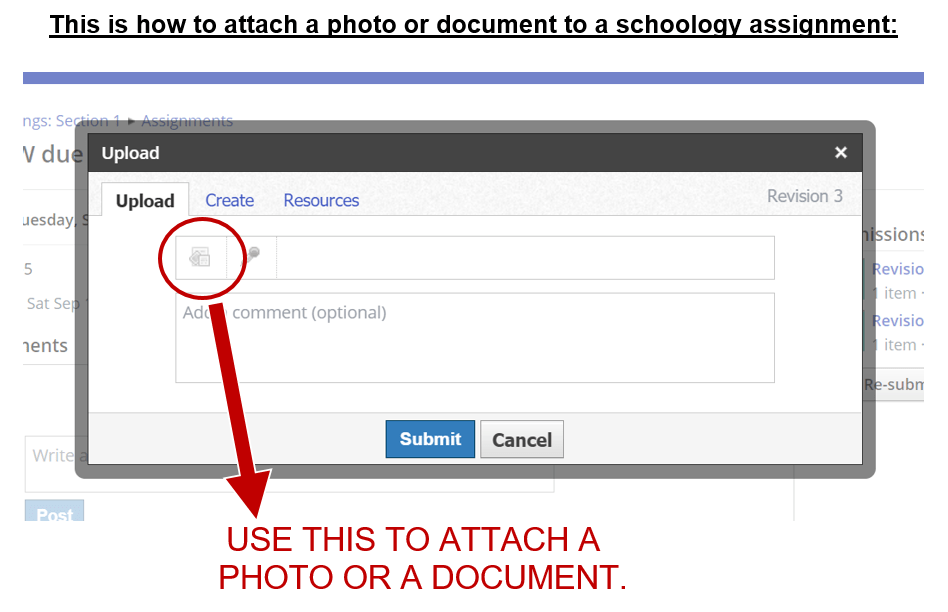
6.
So, to make sure that you do this correctly (and also for assessment purposes!!) you need to send me a photo of Question 2 of “The Renaissance Way of Thinking” (p.4). (Please take note: It is important that you ONLY send to me what I ask for.)
7.
Now, let’s talk about the Renaissance again. Thinking and knowledge began to change. For example:

8.
Now copy the table above onto a new page in your purple book.

Medieval Period VS. Renaissance Period
9.
Also copy the following words (mentioned in a previous lesson) into your purple book:

Vocabulary

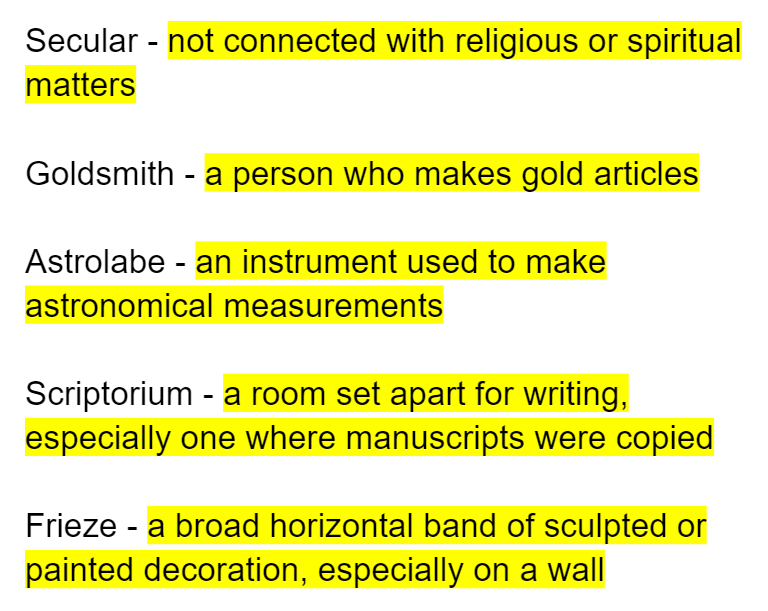
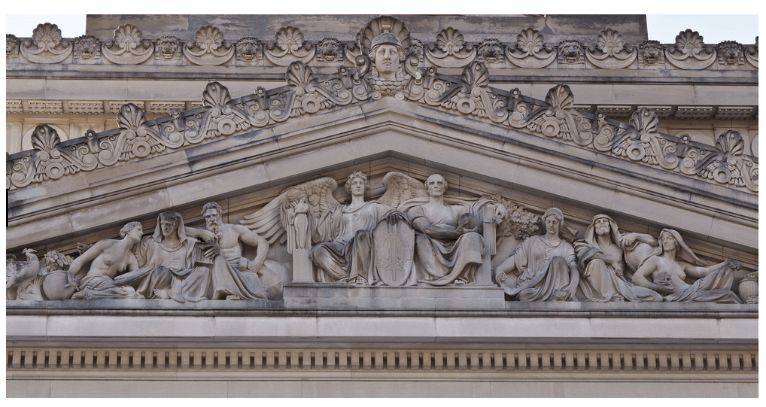
10.
You may use the rest of the lesson to work on your History Homework.
Remember to send your “assignment” to me in Schoology!! ONLY SEND ME A PHOTO OF WHAT I ASKED FOR!! Also, your work must not be submitted late.. as this may result in half marks or even in zero…!!
(WordPress advertisements may appear below.)
Y9: 1-8. Long Lasting War… – pre-2023
Year 9A & Year 9B
Today you are going to:
- mark some work
- consider why WW1 lasted so long. (It started in 1914 and ended in 1918!!)
- make sure that you know how to submit work on schoology (as an “assignment”)
Follow the instructions step by step:
1.
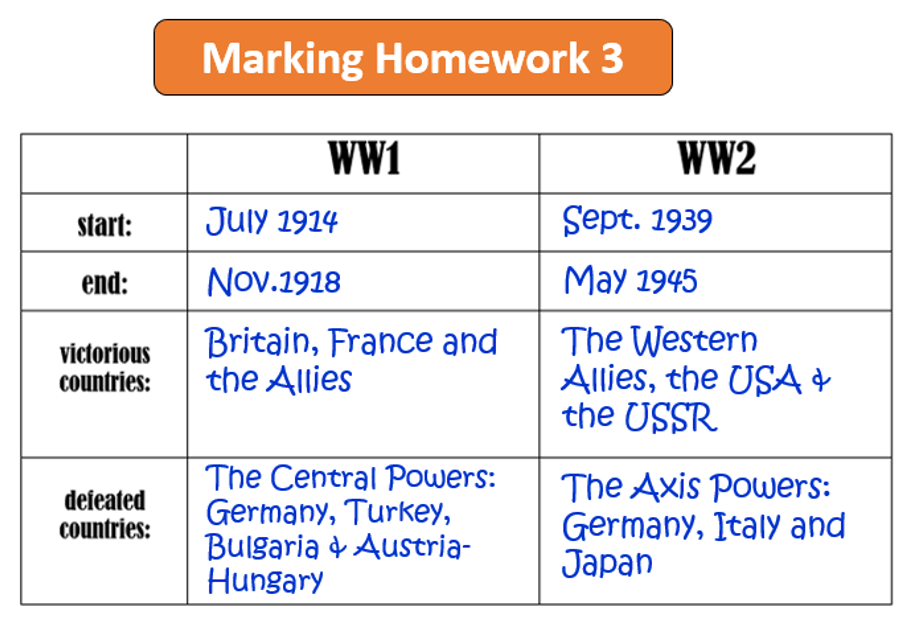
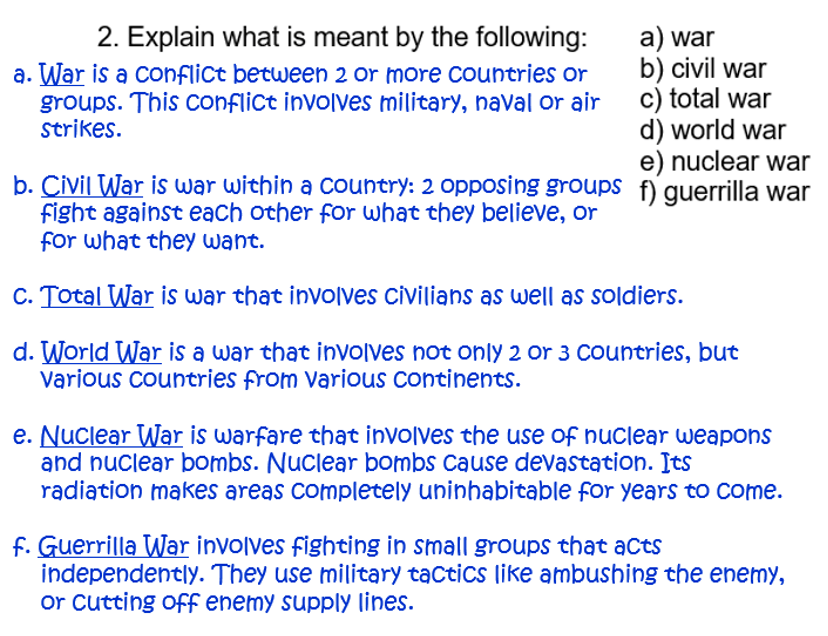
Task 3 on p.10-11.
2.
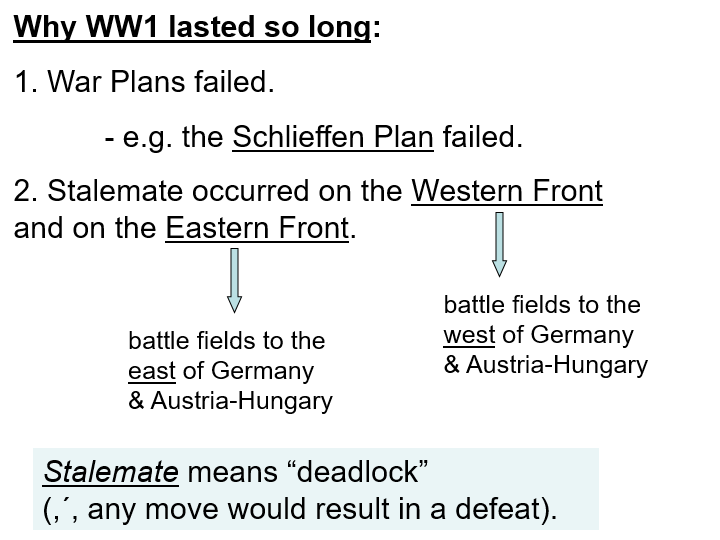
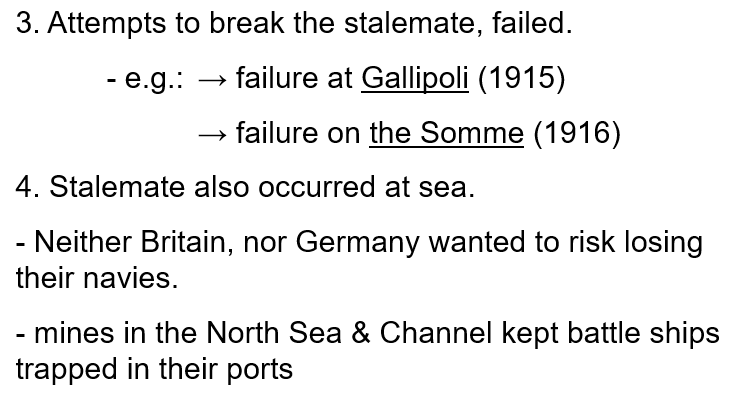
World War 1 lasted from 1914 to almost the end of 1918!! Let’s see why the war lasted so long:

(1:66 minutes long)
3.

4.
Over the next few lessons we will examine the following in greater detail:
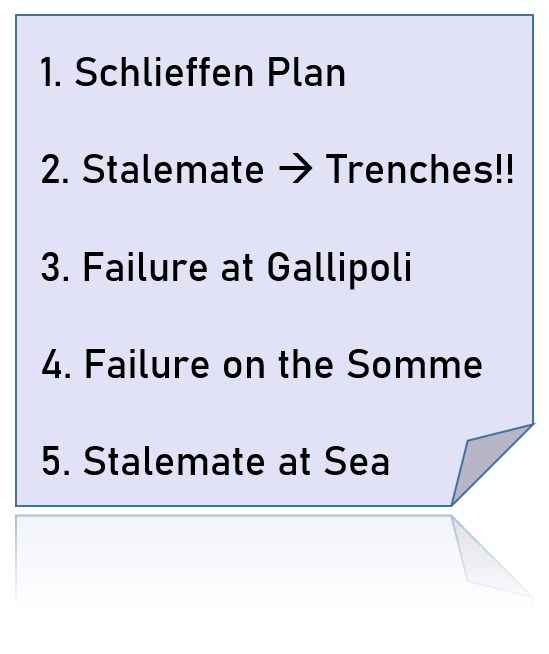
5.
For now, we need to look at the electronic submission of work, through Schoology. Sometimes you will be asked to upload tasks to Schoology Assignments. Do you know how to do this?
Submitting Assignments in Schoology (as Student). (1:18 minutes long)
6.
If you are still unsure, also watch this video clip:
How to Submit an Assignment in Schoology. (5:29 minutes long)
7.
It is very important that the photo that you take are of excellent quality!
8.
So, to make sure that you do this correctly (and also for assessment purposes!!) you need to send me a photo of the first two map explanations on p.17 in your workbook. (In other words: I want a photo of the first half of page 17 where I can see your maps and explanations for stage 4 and stage 5 of the task “Seven Stages in the Spread of War”.)
(Please take note: It is important that you ONLY send to me what I ask for.)
9.
Use the rest of the lesson to complete the work on “Seven Stages in the Spread of the War” (p.16-17). If you do not finish this in class, it needs to be completed at home.
Then, remember to send your “assignment” to me in Schoology!! ONLY SEND ME A PHOTO OF WHAT I ASKED FOR!! Also, your work must not be submitted late.. as this may result in half marks or even in zero…!!
(WordPress advertisements may appear below.)
Y9: 1. World War One – Lessons
Year 9A & Year 9B

You can access the lessons on the First World War on this page.
(WordPress advertisements may appear below.)
Y8: 1. Renaissance – Lessons
Year 8A & Year 8B
You can access the lessons on the Renaissance on this page.
(WordPress advertisements may appear below.)
Y7: 1. Roman Invasion of Britain – Lessons
Year 7A & Year 7B
You can access the lessons on the Roman Invasion of Britiain on this page.
(WordPress advertisements may appear below.)
 Best study methods