The answer is short and sweet: Fast & Focussed = Efficiency!
Here are some statistics and considerations related to the importance of working fast and efficiently in a classroom setting:
Efficient time management skills are associated with better academic performance. Students who work quickly while effectively managing their time tend to complete assignments and exams with greater success.
On standardized tests and external examinations, time management is crucial. Research indicates that students who can work quickly and effectively within time constraints tend to score higher on exams.
Working quickly can help students stay engaged and focused during lectures or classroom activities. This can lead to better information retention and understanding.
Developing the ability to work efficiently can be beneficial in the real world. Time management and the ability to meet deadlines are essential skills in many professions.
In competitive academic environments, there may be pressure to work quickly to keep up with classmates or meet academic expectations. This can motivate some students to work efficiently.
So, in your next lesson, make sure that you work like Speedy Gonzales!
Finally, a short clip, just in case you do not know who Speedy Gonzales is!
The importance of paying attention in class cannot be overstated, as it directly impacts a student’s ability to learn, retain information, and ultimately succeed academically. Here are some statistics and key points highlighting the significance of paying attention in class:
Academic Performance:
Research has shown that students who actively engage and pay attention in class tend to perform better in exams and assessments.
A study published in the Journal of Educational Psychology found that students who were more attentive in class scored higher on tests.
Retention of Information:
According to the National Training Laboratories, the average retention rate of information after a lecture is just 5% if passive learning methods are employed. However, paying attention can significantly increase this retention rate.
Reduced Need for Review:
Actively listening and participating in class can reduce the need for extensive review outside of the classroom. Students who pay attention during lectures may find they understand and remember the material more effectively.
Classroom Participation:
Engaging in class discussions, asking questions, and participating actively can contribute to a deeper understanding of the material. It also allows for immediate clarification of doubts.
Improved Focus and Concentration:
Developing the skill of paying attention in class can spill over into other aspects of life, enhancing one’s ability to concentrate and focus on tasks.
Long-Term Success:
The habits of active listening, note-taking, and engagement learned in school are valuable skills that can contribute to long-term success in one’s education and career.
Reduced Need for Remedial Education:
Students who consistently pay attention in class are less likely to require remedial education or additional tutoring, saving time and resources.
Higher Graduation Rates:
Research suggests that students who actively participate and pay attention in class are more likely to graduate from their programs and complete their degrees.
Employability:
Active listening and the ability to absorb and process information are highly valued skills in the workforce. Employers often seek candidates who can learn quickly and adapt to new information.
Mental Health Benefits:
Engaging in the learning process and feeling a sense of accomplishment from paying attention in class can positively impact a student’s mental well-being.
It’s important to note that paying attention in class is not only about avoiding distractions but also involves active participation, asking questions, and taking effective notes. These statistics underline the crucial role of attentiveness in academic success and beyond.
Click here for a scholarly article on the importance of studying attention in school children.
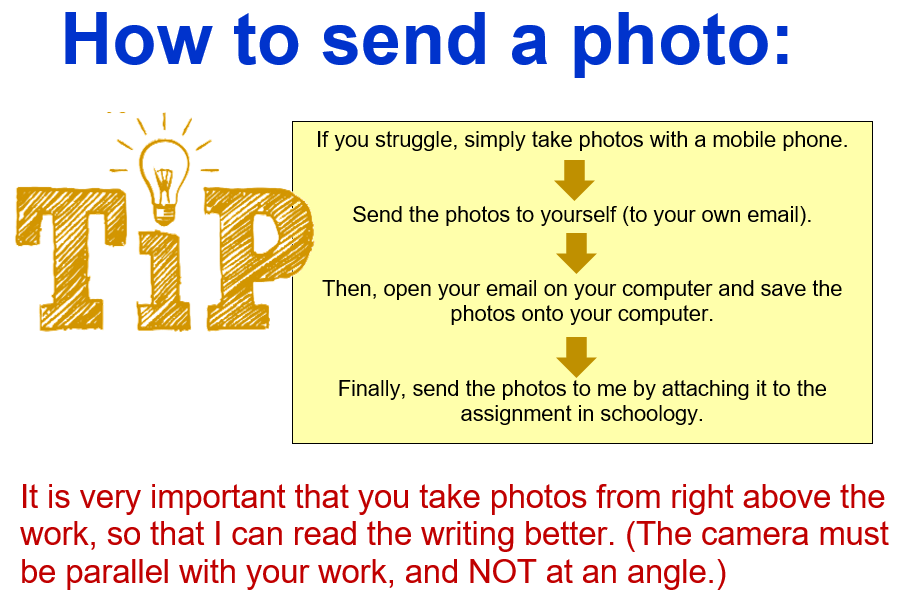
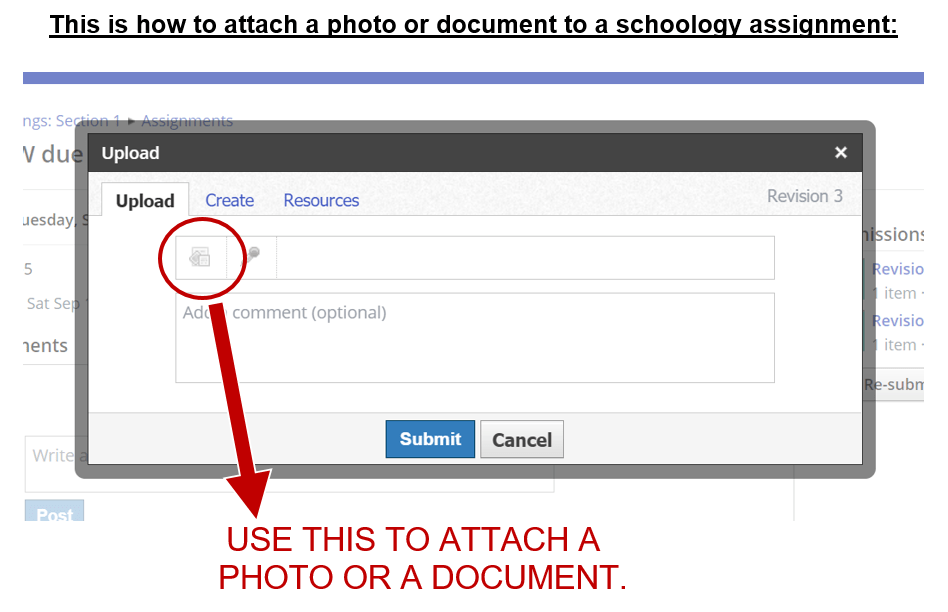
Sometimes you will be asked to upload tasks to Schoology Assignments. Do you know how to do this?
Submitting Assignments in Schoology (as Student). (1:18 minutes long)
4.
If you are still unsure, also watch this video clip:
How to Submit an Assignment in Schoology. (5:29 minutes long)
5.
It is very important that the photo that you take are of excellent quality!
6.
So, to make sure that you do this correctly (and also for assessment purposes!!) you need to send me a photo of Question 2 of “The Renaissance Way of Thinking” (p.4). (Please take note: It is important that you ONLY send to me what I ask for.)
7.
Now, let’s talk about the Renaissance again. Thinking and knowledge began to change. For example:
8.
Now copy the table above onto a new page in your purple book.
Medieval Period VS. Renaissance Period
9.
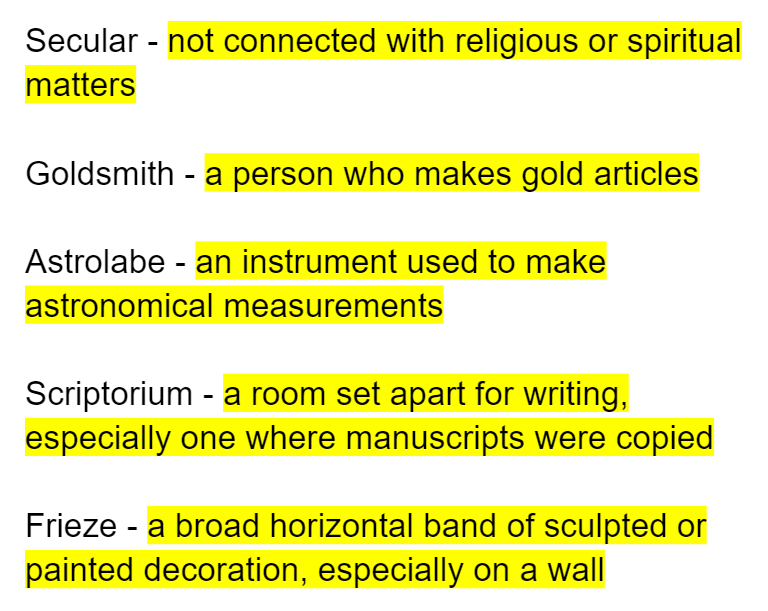
Also copy the following words (mentioned in a previous lesson) into your purple book:
Vocabulary
10.
You may use the rest of the lesson to work on your History Homework.
Remember to send your “assignment” to me in Schoology!! ONLY SEND ME A PHOTO OF WHAT I ASKED FOR!! Also, your work must not be submitted late.. as this may result in half marks or even in zero…!!
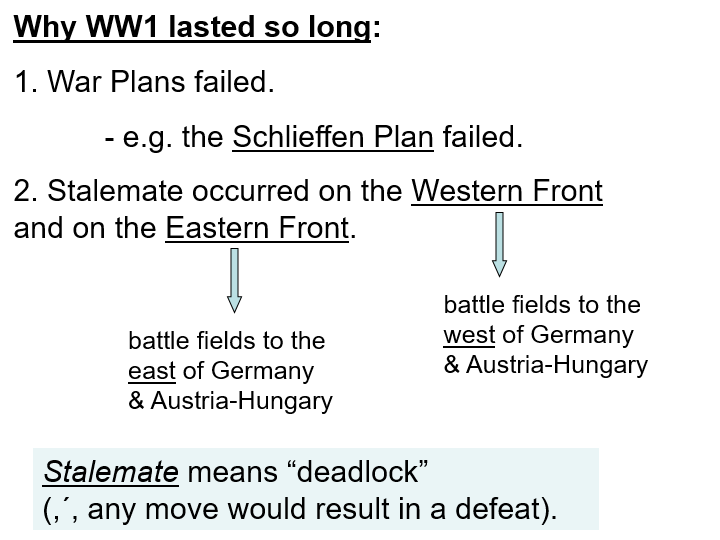
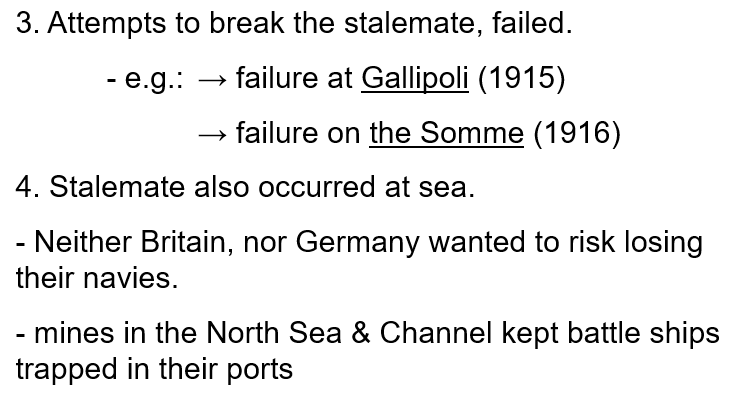
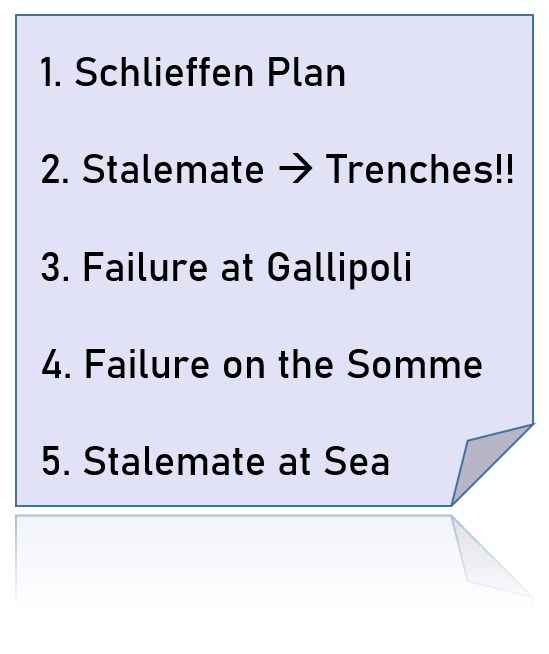
consider why WW1 lasted so long. (It started in 1914 and ended in 1918!!)
make sure that you know how to submit work on schoology (as an “assignment”)
Follow the instructions step by step:
1.
Task 3 on p.10-11.
2.
World War 1 lasted from 1914 to almost the end of 1918!! Let’s see why the war lasted so long:
(1:66 minutes long)
3.
4.
Over the next few lessons we will examine the following in greater detail:
5.
For now, we need to look at the electronic submission of work, through Schoology. Sometimes you will be asked to upload tasks to Schoology Assignments. Do you know how to do this?
Submitting Assignments in Schoology (as Student). (1:18 minutes long)
6.
If you are still unsure, also watch this video clip:
How to Submit an Assignment in Schoology. (5:29 minutes long)
7.
It is very important that the photo that you take are of excellent quality!
8.
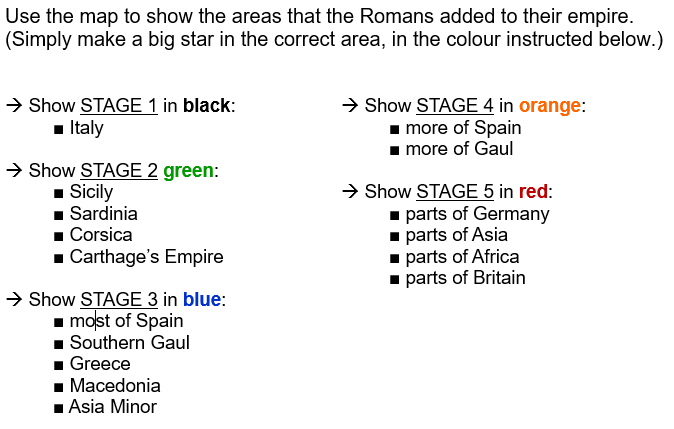
So, to make sure that you do this correctly (and also for assessment purposes!!) you need to send me a photo of the first two map explanations on p.17 in your workbook. (In other words: I want a photo of the first half of page 17 where I can see your maps and explanations for stage 4 and stage 5 of the task “Seven Stages in the Spread of War”.)
(Please take note: It is important that you ONLY send to me what I ask for.)
9.
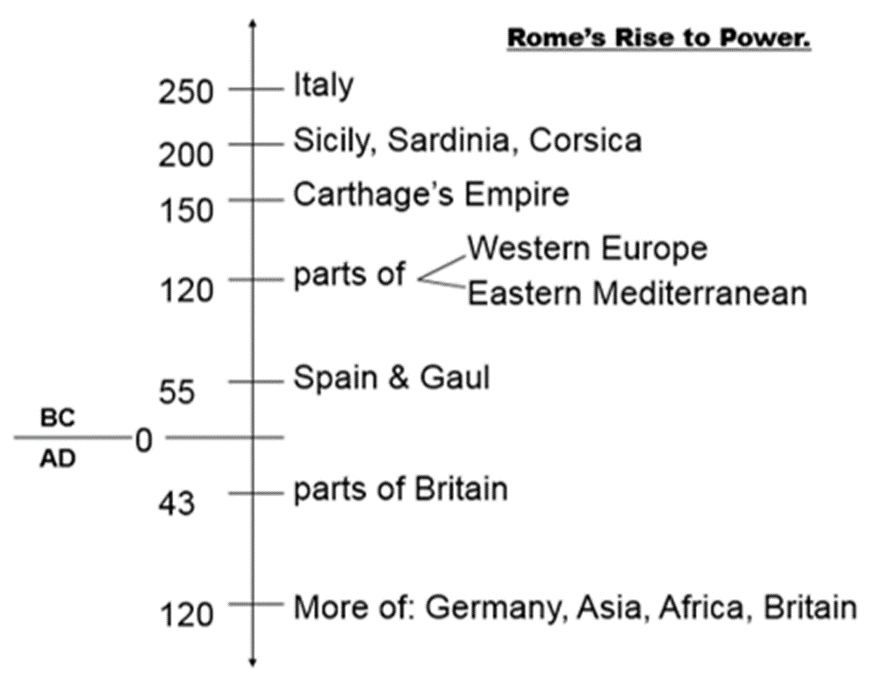
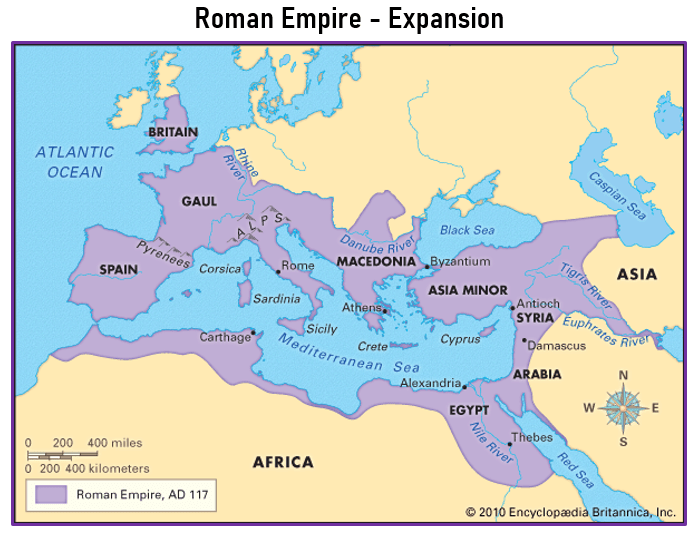
Use the rest of the lesson to complete the work on “Seven Stages in the Spread of the War” (p.16-17). If you do not finish this in class, it needs to be completed at home.
Then, remember to send your “assignment” to me in Schoology!! ONLY SEND ME A PHOTO OF WHAT I ASKED FOR!! Also, your work must not be submitted late.. as this may result in half marks or even in zero…!!
Today you are going to look at the opposition to the rule of Nicholas II in Russia!
1.
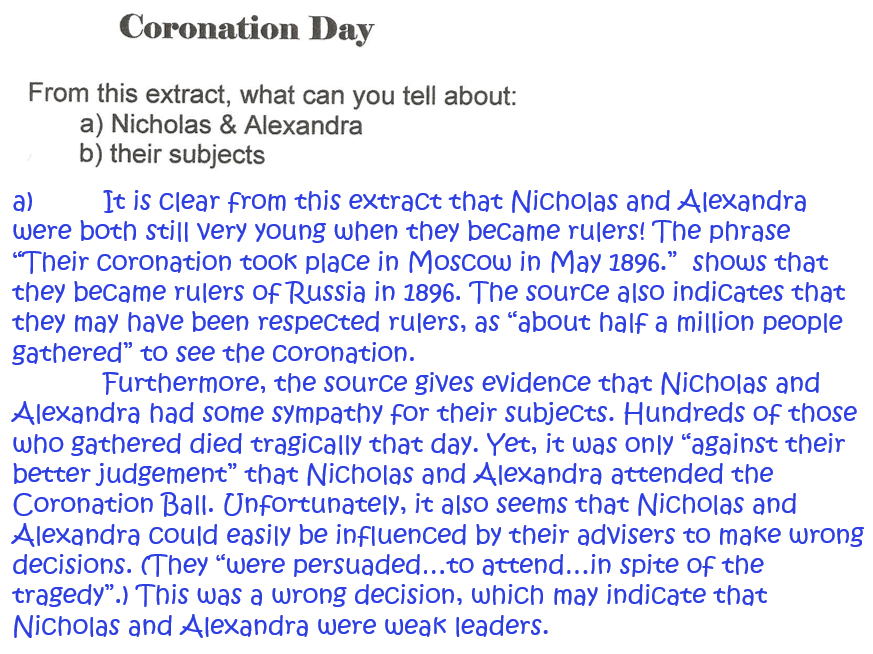
First look at this answer to the source question on the Coronation of Nicholas II. It is an example of how one should answer the question in paragraph form:
2.
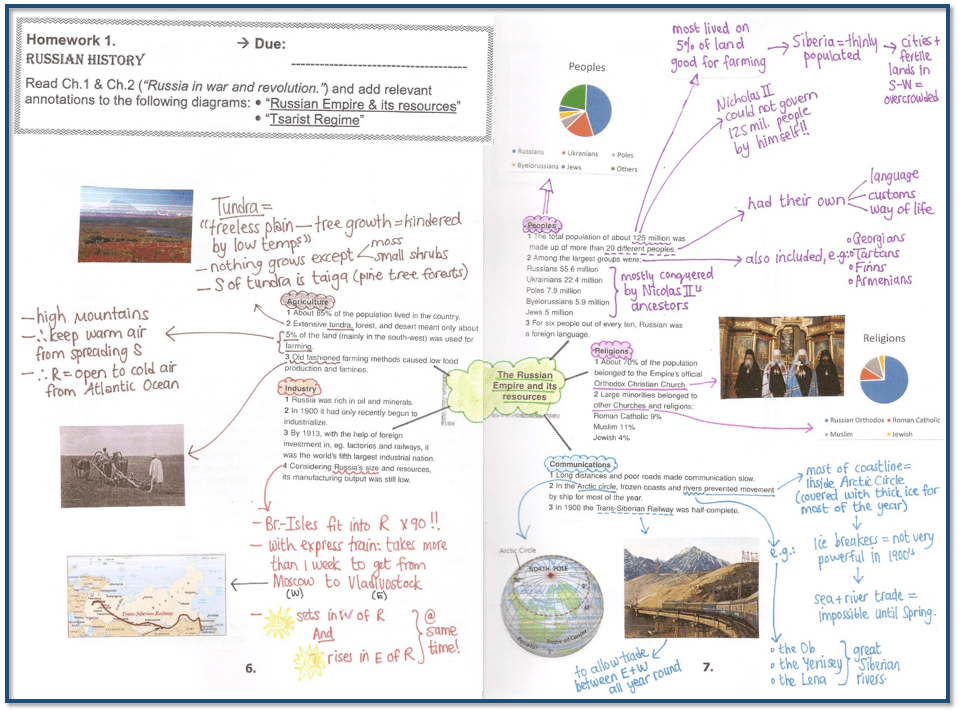
Your first Homework Task is a collage about the Tsarists Regime…. Here is an example of what is expected of you: (You may not copy this example!)
And here is an explanation of what is expected of you:
3.
Now, let’s look at Opposition to tsarists rule in Russia.
Opposition to Tsarist Regime. (2:38 minutes long)
4.
The “Theory of Communism”, p.1
Alternatively, watch the video (below) that explains the Theory of Communism:
Theory of Communism explained. (2:03 minutes long)
5.
In case you are still unsure, here it is again…
The Theory of Communism – (text only). (1:50 minutes long)
6.
Here is a little more about Karl Marx…
Was Karl Marx right? | The Economist. (3:22 minutes long)
7.
The information about the Opposition to Tsarist Rule, p.4
8.
Use the rest of this lesson to start Homework Task 1. Remember, this is how you should approach the task:
Read the diagram and underline key words – use different colours.
Read the corresponding information from your textbook and add additional information to the diagram.
Add pictures, symbols, images, annotations, different colours, examples, explanations, drawings, etc. – where applicable.
Today we are going to continue with the documentary, plus we will look at Russia in the early 1900’s and also at Russian Society in the early 1900’s.
1.
Today you will receive a booklet with notes on the Year 10 Russian History topic. From this booklet, we will begin by looking at what the Russian Empire was like at the beginning of the 1900’s.
Russia in Early 1900. (2:15 minutes long)
2.
Let’s also look at Russian Society in the early 1900’s.
Early 1900 – Russian Society. (2:25 minutes long)
3.
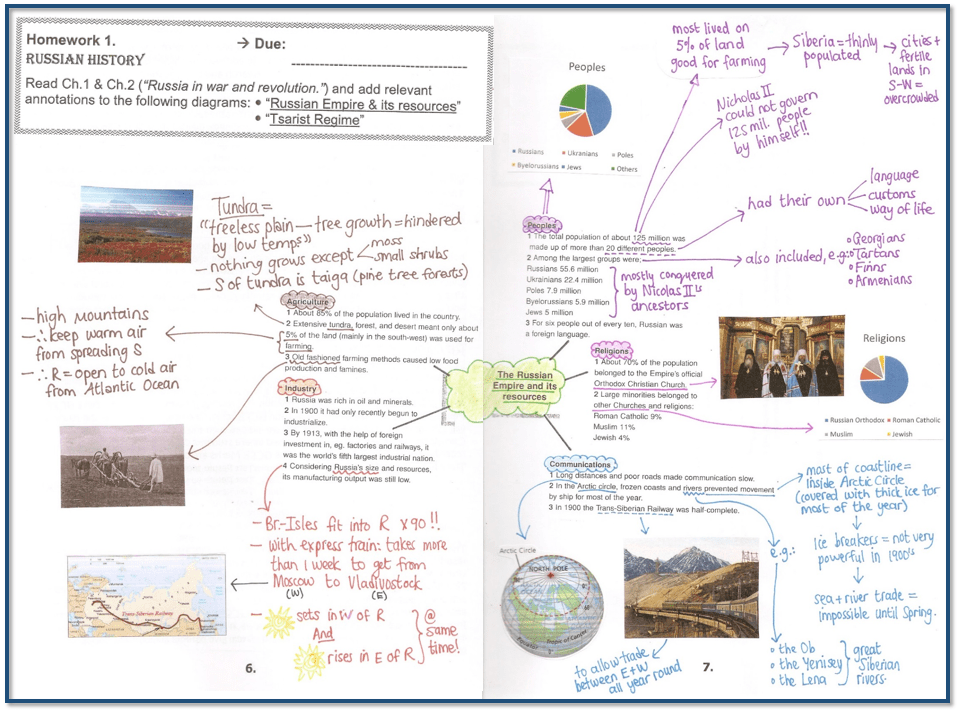
The diagram on “The Russian Empire and its resources“, and also the information on “Russian Society”, p.3.
4.
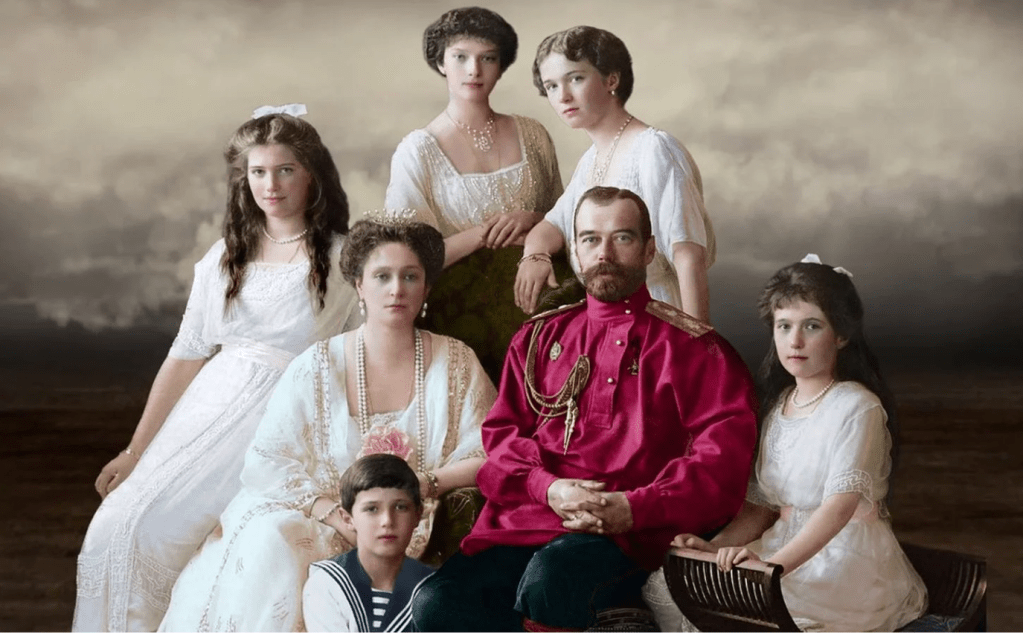
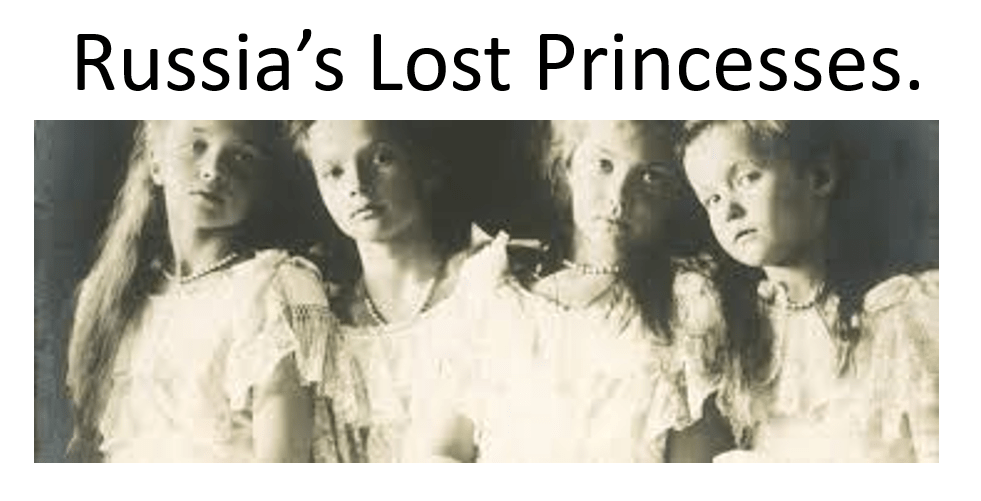
In the last “episode” of “Russia’s Lost Princesses” we saw Russia’s involvement in WW1 and how it caused a bit of an escape for the princesses from their very reclusive lives. Let’s watch the next 20 minutes…
Tsarist Russia – Part V. (19:38 minutes long.)
5.
Sometimes you will be asked to upload tasks to Schoology Assignments. Do you know how to do this?
Submitting Assignments in Schoology (as Student). (1:18 minutes long)
6.
If you are still unsure, also watch this video clip:
How to Submit an Assignment in Schoology. (5:29 minutes long)
7.
It is very important that the photo that you take are of excellent quality!
8.
Remember to send your assignment on the Coronation source question to me in Schoology!!
Today we are going to start with the Russian History!
(Follow the instructions step by step!!)
1.
Before we start with our first topic, we need to talk about homework…
What about homework?
You will get homework on a regular basis. The tasks are designed to help you revise what has been covered in class. Usually you will be required to do a collage, as indicated in your homework book.
Here is an example of what a collage is…
You will also write short tests on a regular basis. Make sure that you study very well for these mini tests!!
2.
THE HISTORY OF HOMEWORK
Who Invented Homework? | COLOSSAL QUESTIONS. (2:00 minutes long)
Year 10 Homework. (1:28 minutes long)
3.
Copy “Why we do homework” into your homework book (page 3)…
4.
What do you know about Russia and its History?
5.
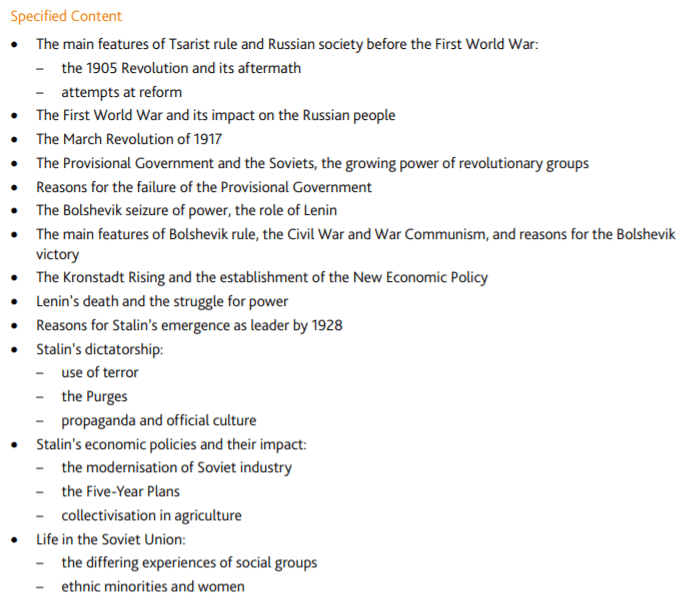
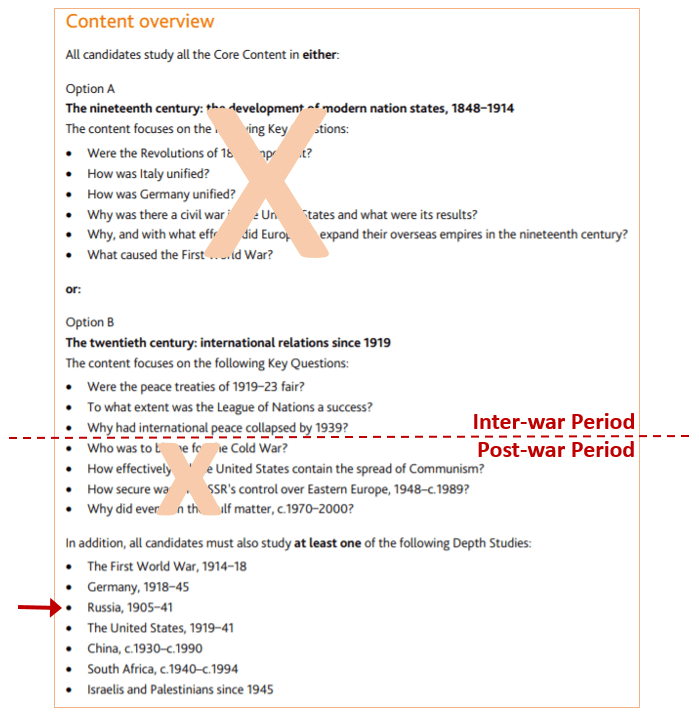
This is the content of the topic on Russia:
6.
As an introduction to the Russian History we are going to watch a documentary on:
Today, we will watch the first 20 minutes.
(Watch from 00:00-20:51, up to the Coronation of Nicholas II.)
Before we start looking at all the exciting things that this course has to offer we need look at a few organisational issues. So, here is what you have to do today:
(Follow the instructions step by step!!)
1.
It gives a bit more information about… “What is History”…
2.
Fill in the “My Fact File” form so that I can get to know you a bit better…
3.
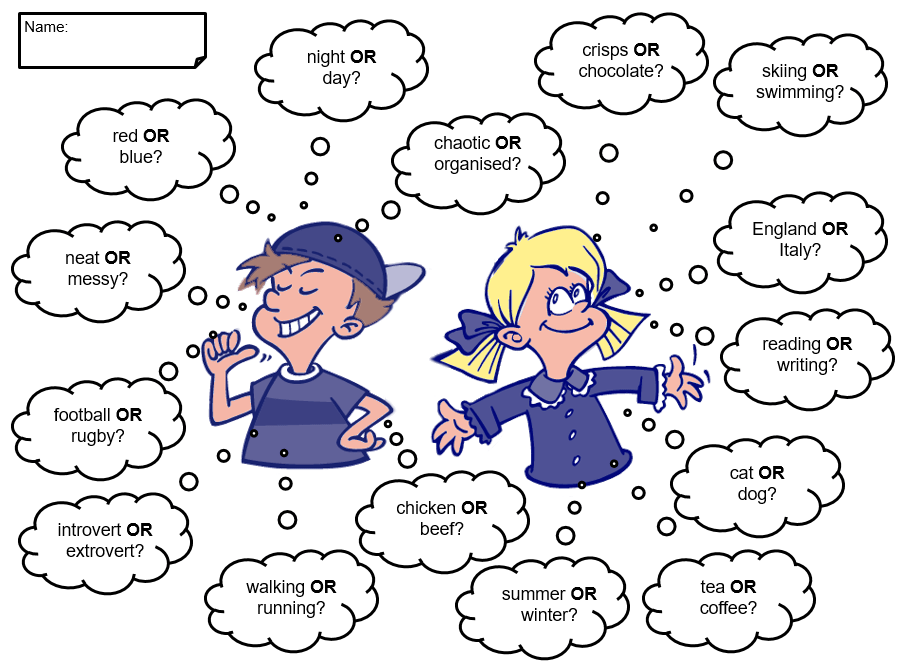
Fill in the “Coffee or Tea” form so that we can get to know each other a bit better…
And here’s what your teacher has to say…
4.
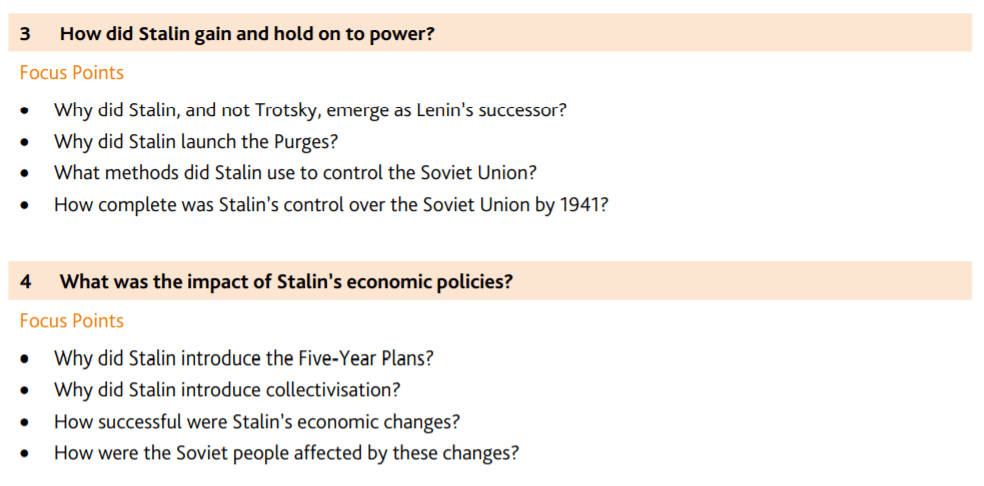
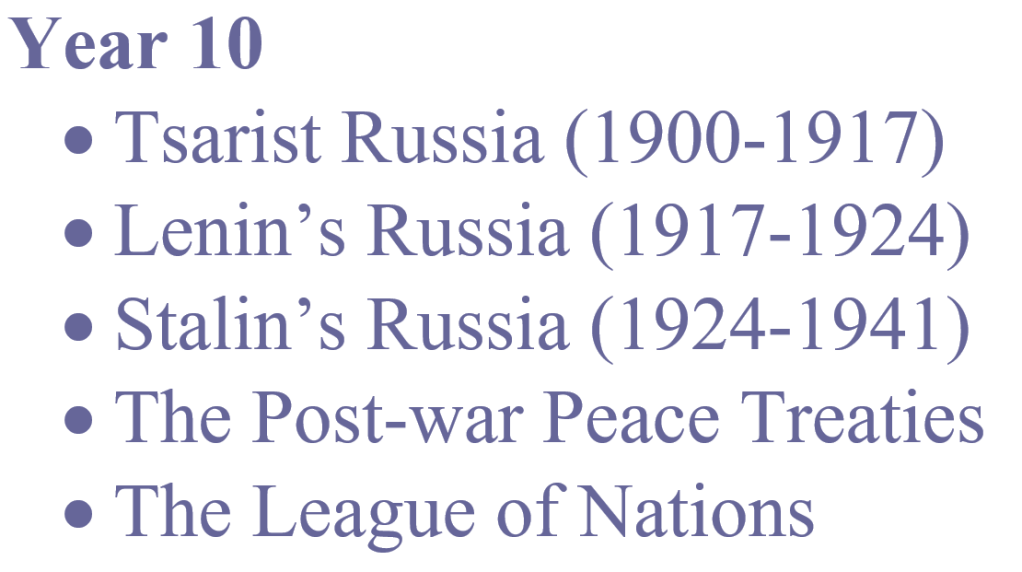
These are the topics that you will be doing in Year 10:
5.
Let’s look at the specification in a bit more detail:
6.
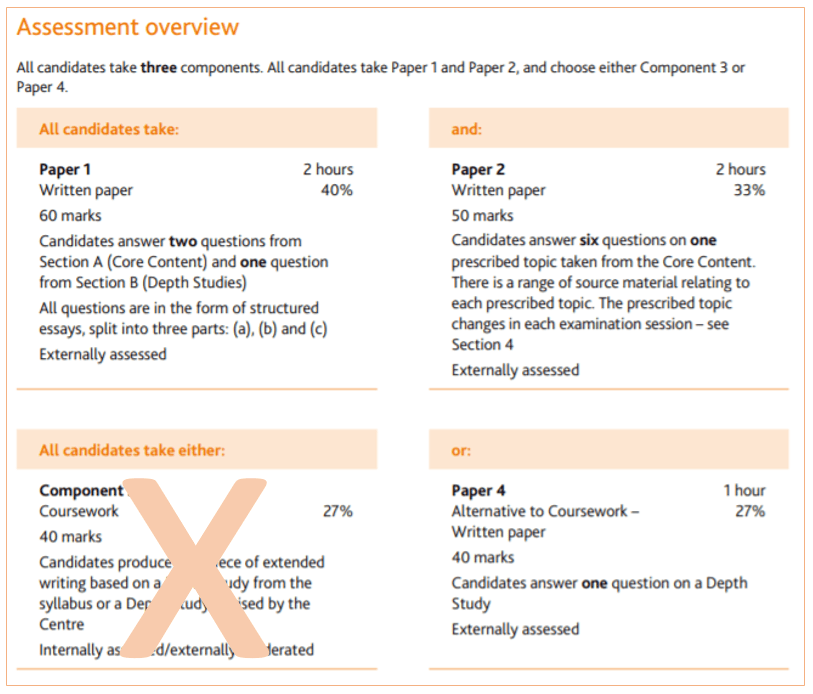
And what about assessment? Here is an overview of the IGCSE History course assessment:
7.
You will receive the following books for History:
an exercise book for the Russian History
an exercise book for the European History
an exercise book for Essay Writing
a History Homework book
Textbook 1: Russia in War and Revolution
Textbook 2: Stalin’s Russia
Textbook 3: Road to War
8.
Copy “Why we do homework” into your homework book (page 3)…
Snow White is one of the most famous fairy tales, and of course, was the subject of the very first Disney feature film in 1937 – Snow White and the Seven Dwarfs. We take a look at the intriguing past of this most beloved story…
Snow White through the years
The original tale is in a 19th-century collection of fairy tales written in German by the Brothers Grimm, who also wrote Sleeping Beauty, Cinderella and Rumplestiltskin.
The Brothers Grimm published their book in 1812, featuring the story of Sneewittchen (Snow White). The tale contained many of the elements we know and love today, such as the magic mirror, the poisoned apple, the glass coffin, and the characters of the Evil Queen and the Seven Dwarfs.
However the dwarfs did not have names until the story was brought to Broadway in 1912 and then they were called Blick, Flick, Glick, Snick, Plick, Whick and Quee.
Is Snow White a true story?
Research has suggested that the origins of Snow White could actually lie in history and may have been inspired by the countess Margaretha von Waldeck and her alleged lover, Philip II of Spain. The countess, who died in 1554, was famed for her beauty.
Her strict stepmother and father sent her first to her uncle’s house, and then to the court of Mary of Hungary, where she was pursued by Philip. Alas, their relationship was doomed, as Philip was a Catholic and Margaretha a Lutheran.
Margaretha’s letters to her father before her death speak of failing health and the Waldeck chronicles suggested that she had been poisoned, dying at the age of 21.
However, the Seven Dwarfs are also involved in this real-life story – well, sort of.
Margaretha’s father owned a series of copper mines and the majority of workers were children. Due to malnutrition and poor working conditions, the children were allegedly called “poor dwarfs” – could these be the dwarfs of the fairy tale? Just like the dwarfs, the children lived in small groups, all sharing a single room house.
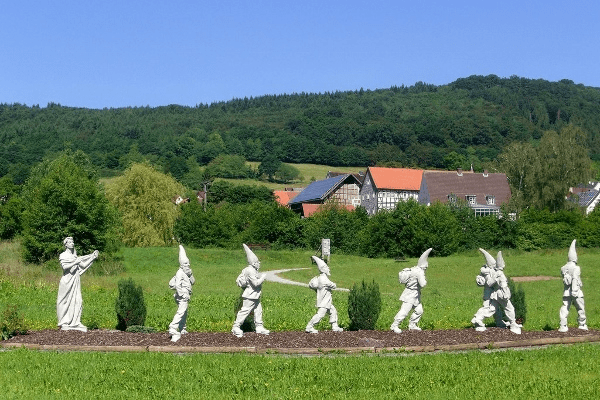
So convinced are the residents of the mine’s location – the village of Bergfreiheit – that they now call the village Schneewittchendorf (Snow White village).
2.
Did a Town Lie About Snow White’s Origins? (Disney). (8:41 minutes long)
(Only watch first 5 minutes.)
3.
The Disturbing Truth behind Snow White. (shorts)
4.
The Truth?
Snow White & the 7 Dwarfs are all well, living happily in Mallorca…
concept: Rather than making a robot, do plays of fables – first look at various animals, from a “scientific point of view”; then show fables; then do plays of fables
-1-
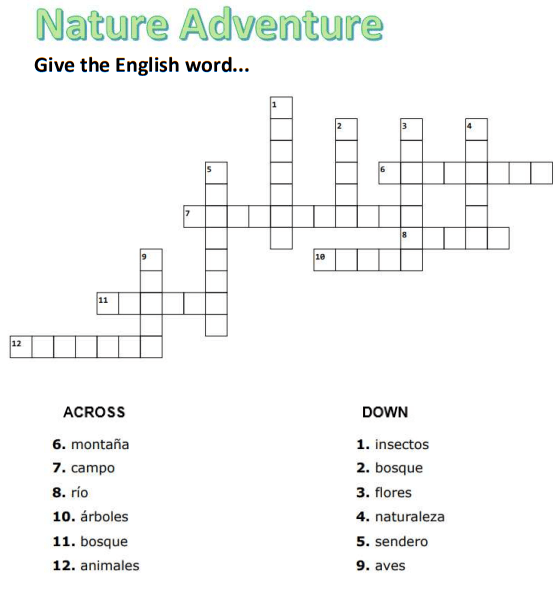
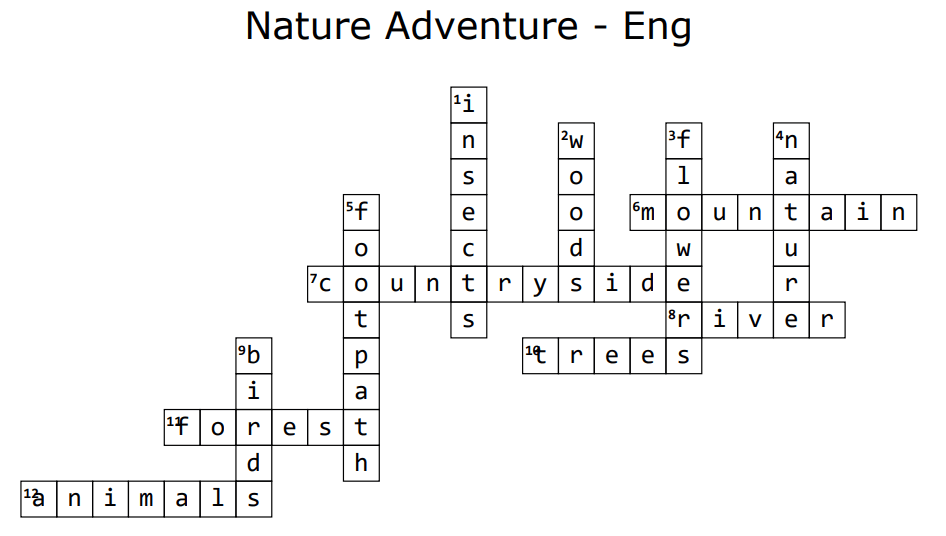
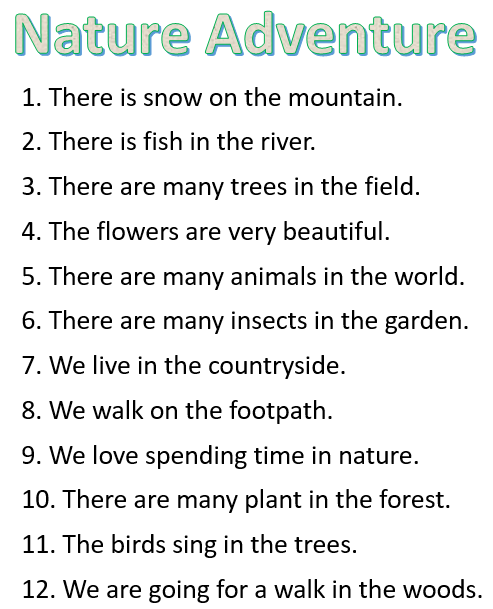
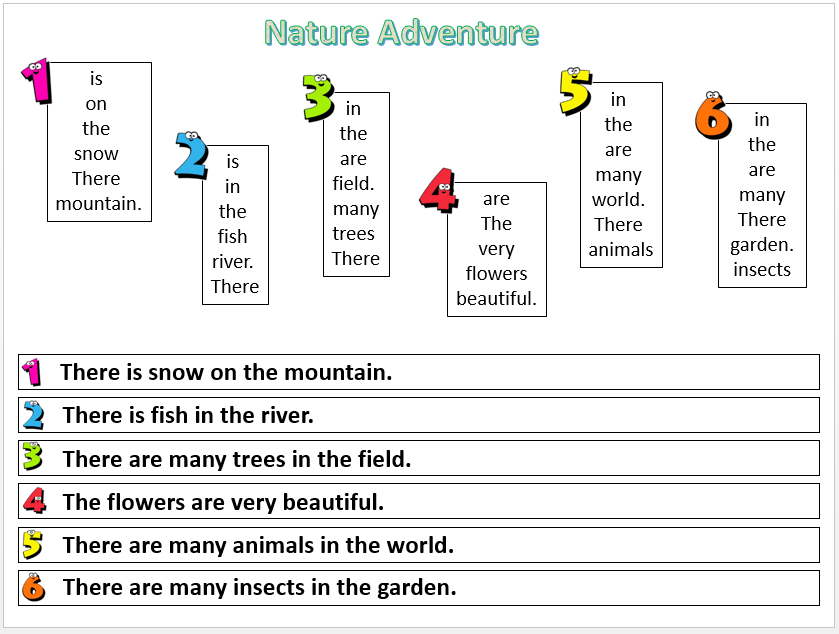
The theme for this week is “Science Safari”.
We are going to examine the world of animals, birds and insects.
-2-
…to learn more about animals, birds and insects, to see how you can help some insects and birds, and to perform a short play using fables about animals
-3-
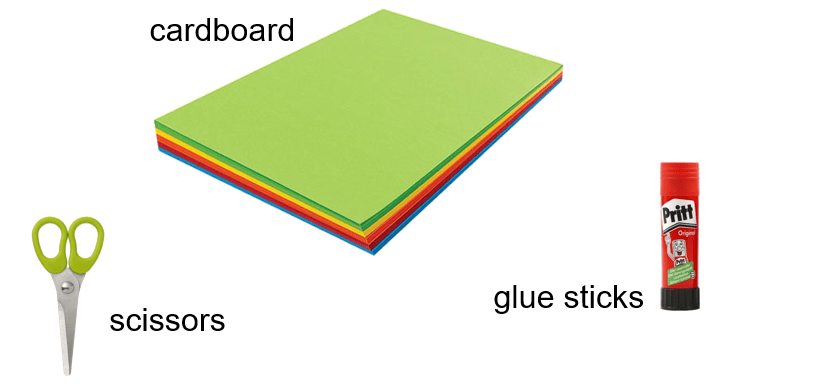
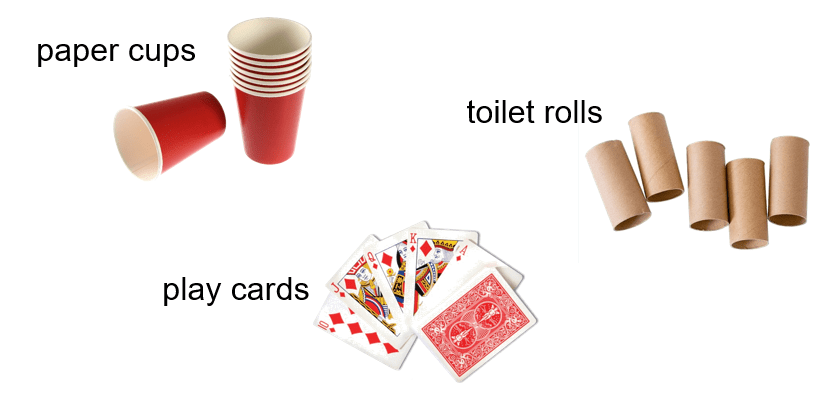
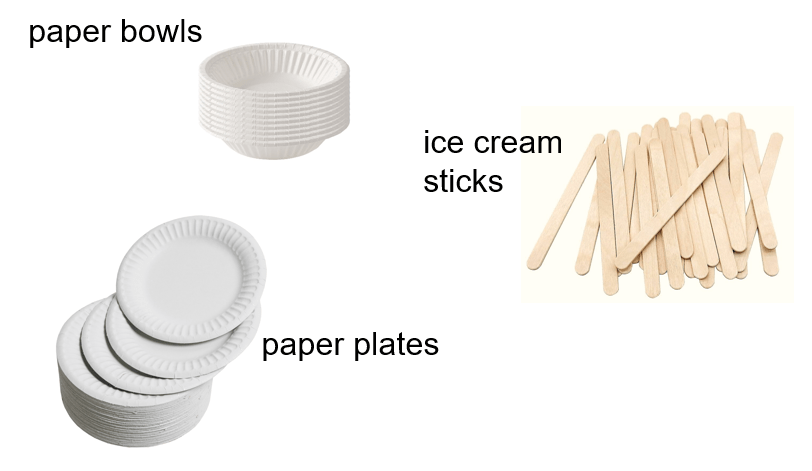
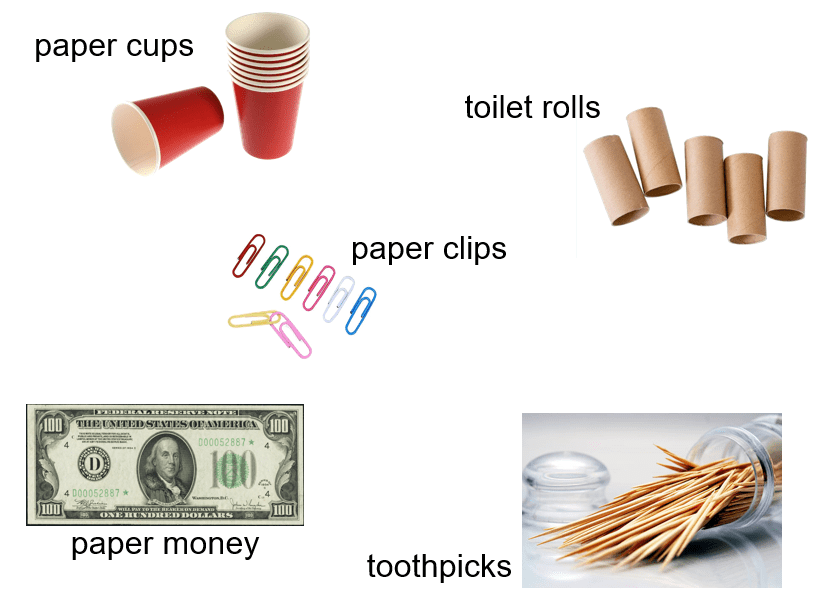
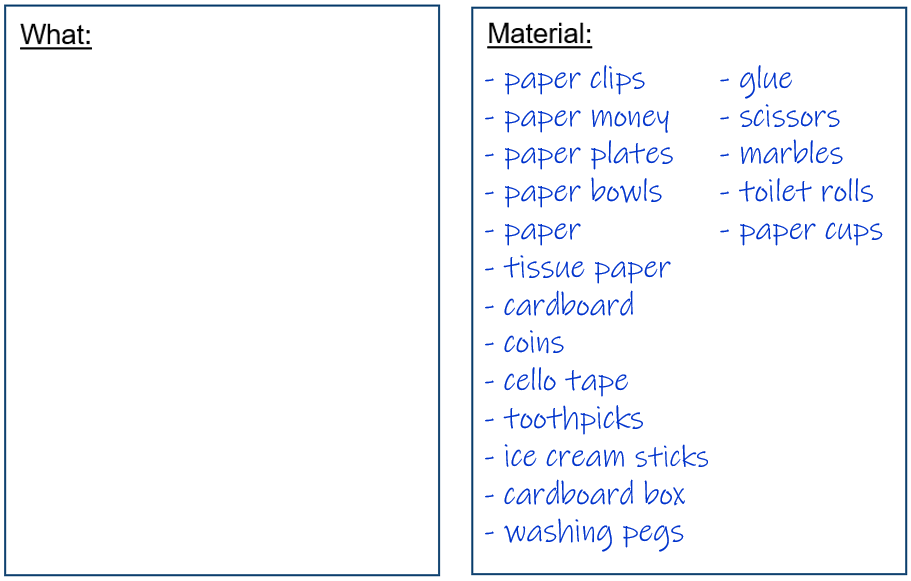
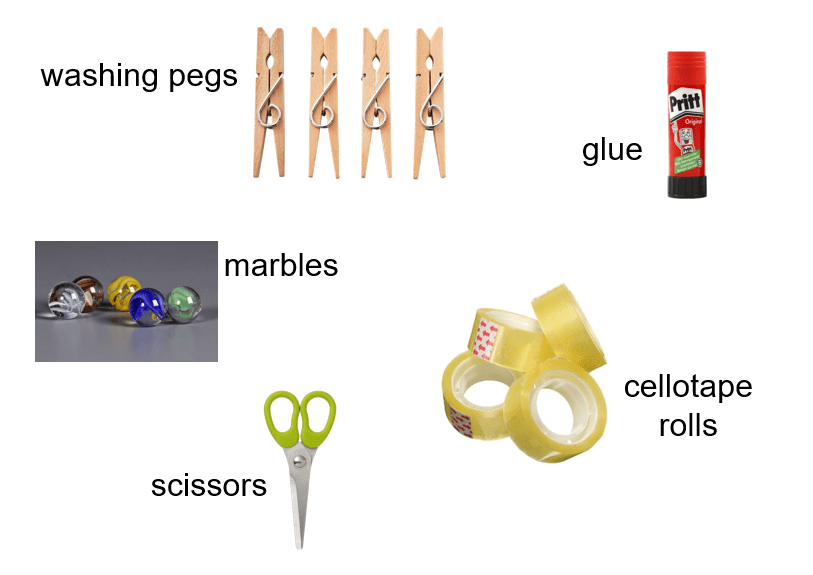
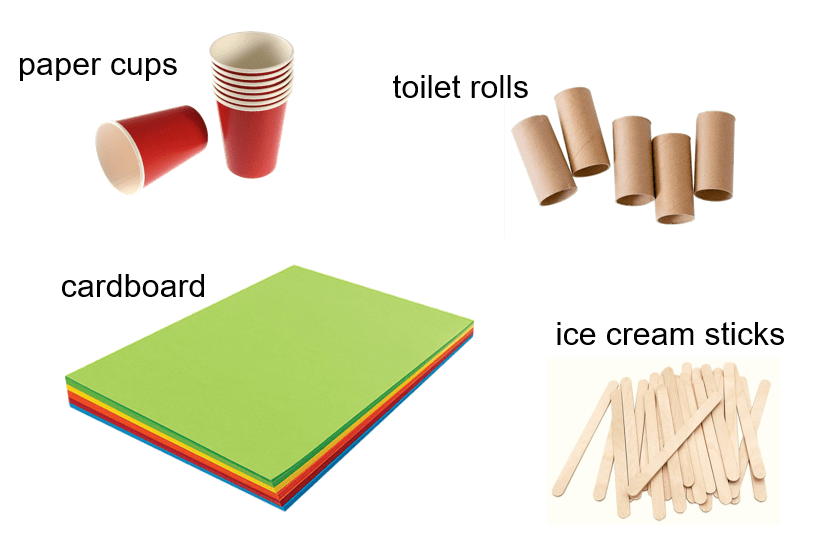
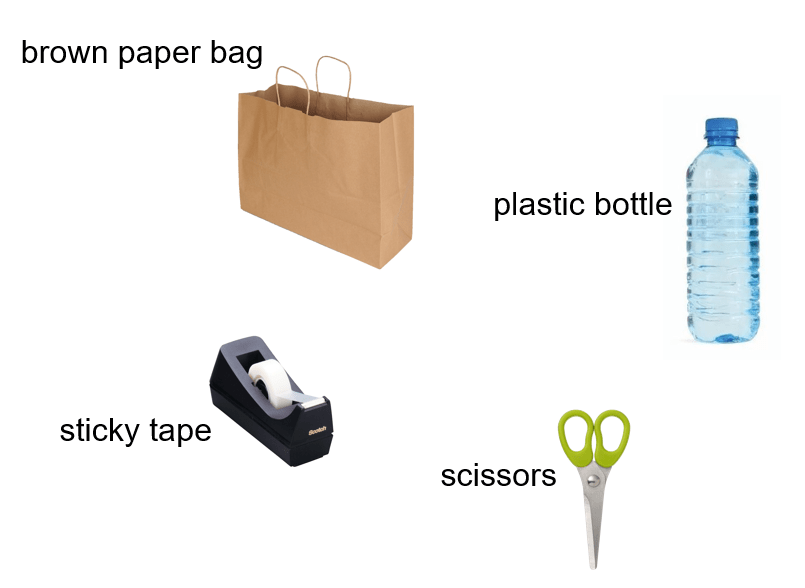
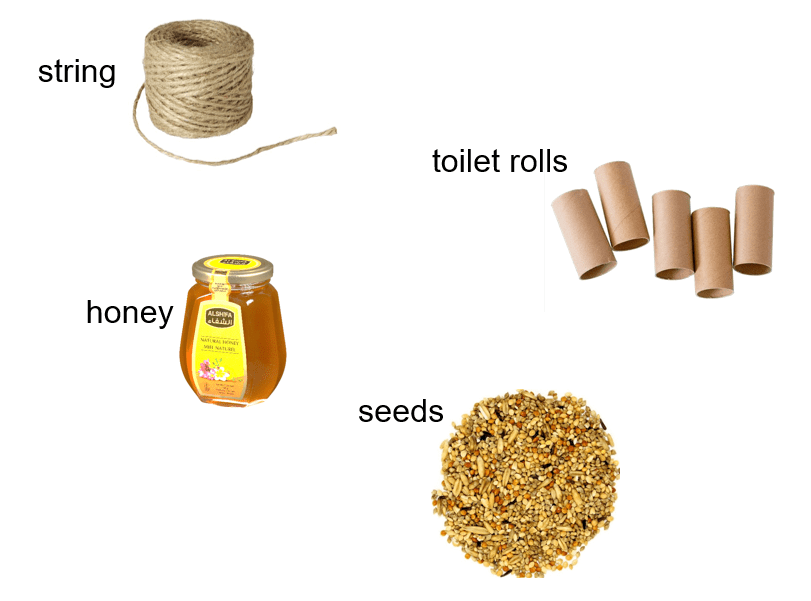
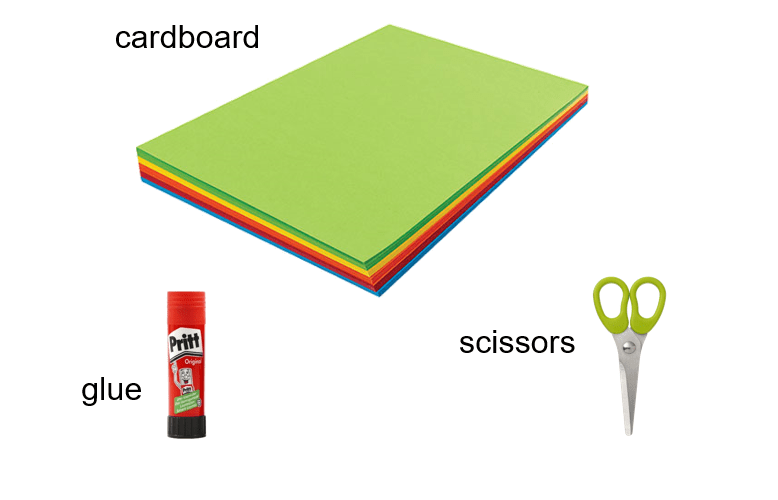
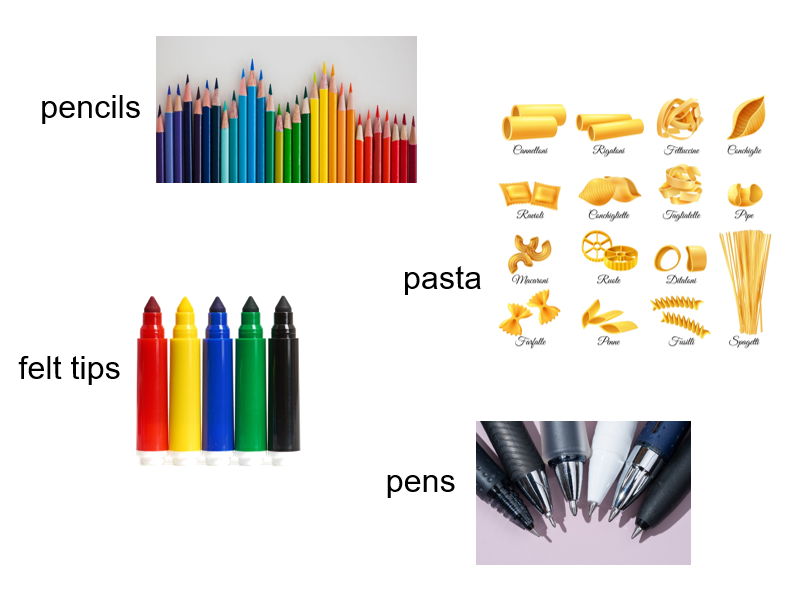
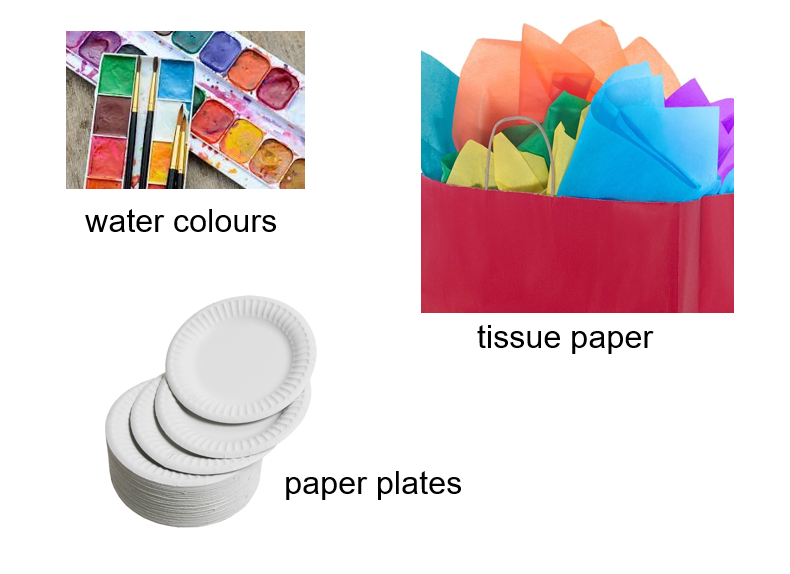
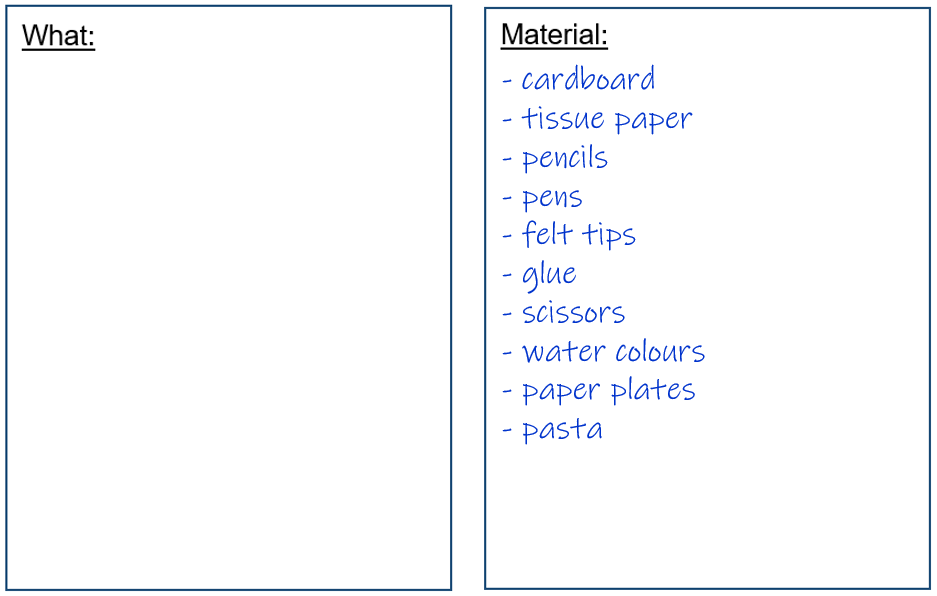
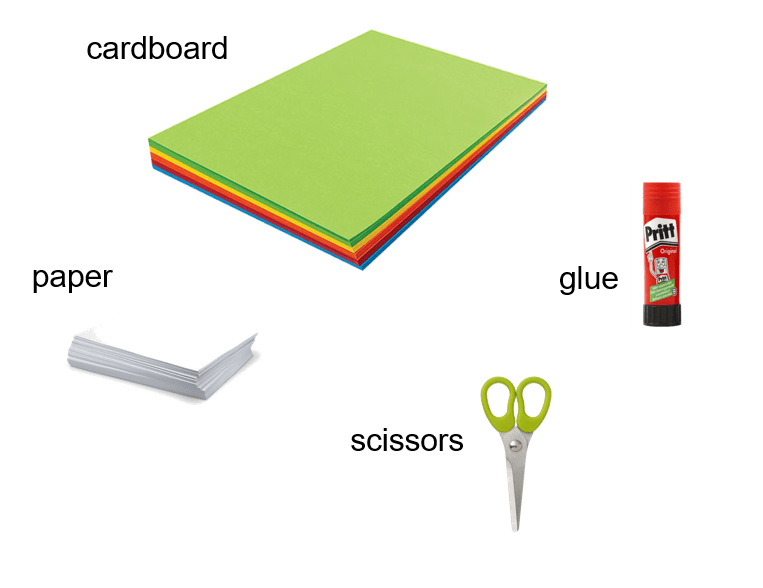
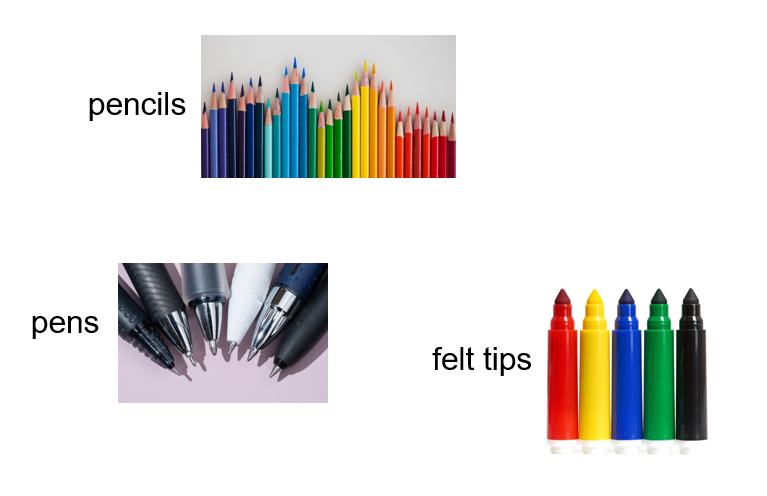
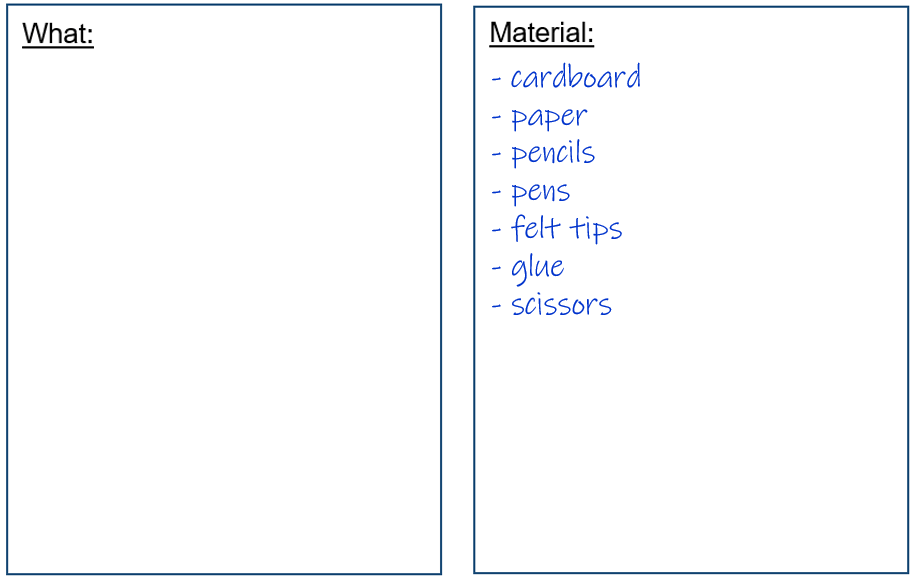
You will use the following material:
-4-
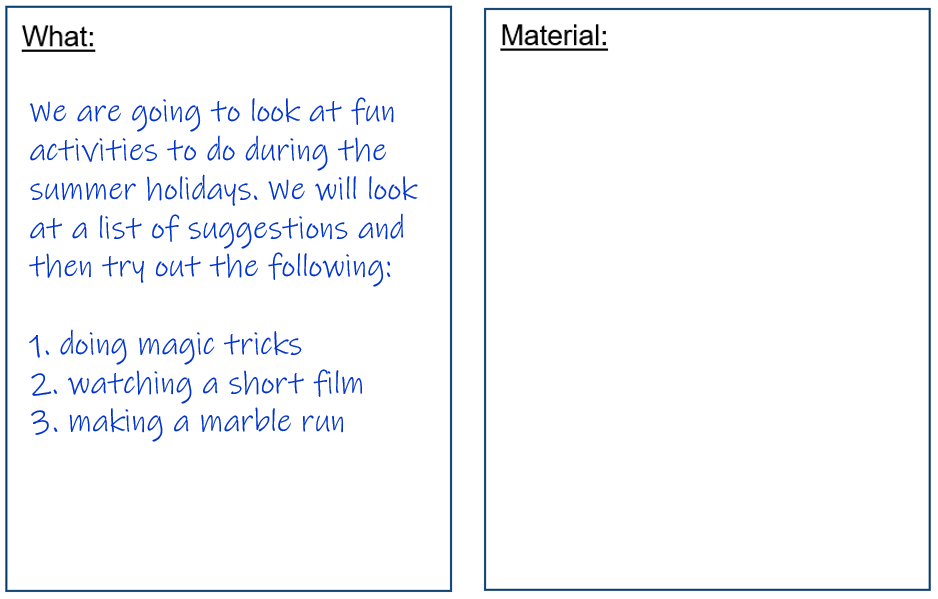
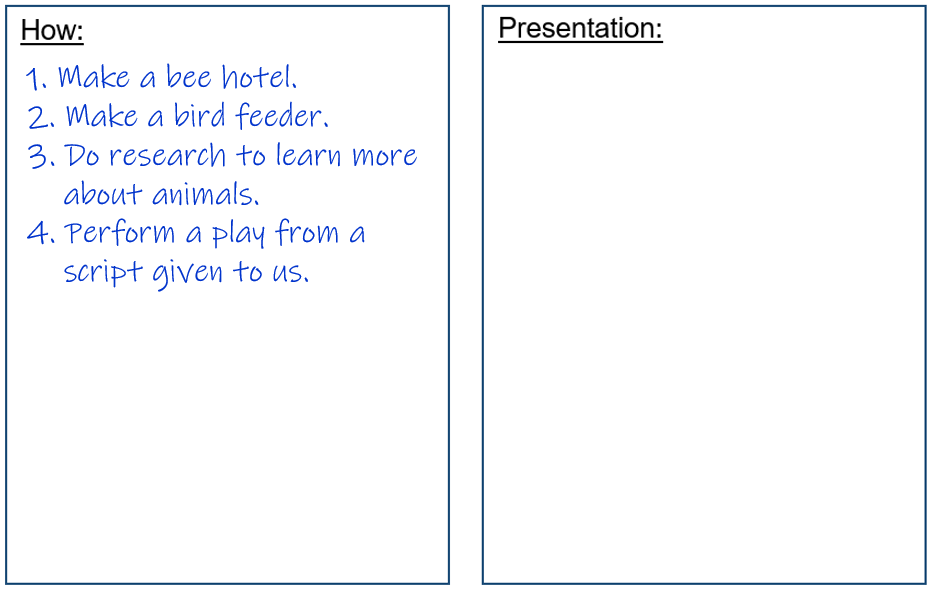
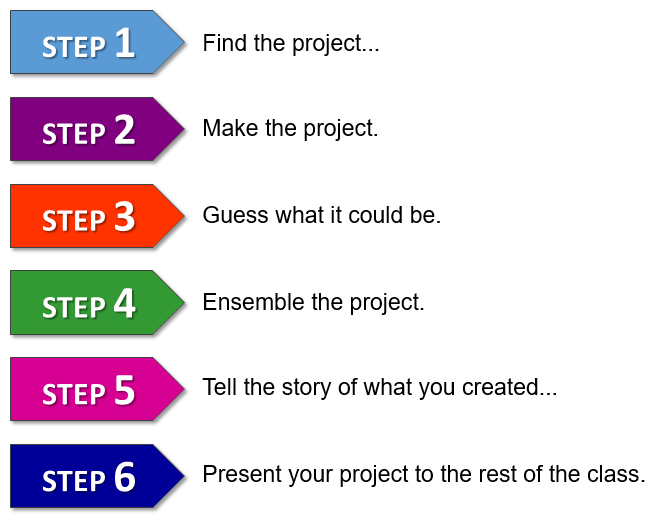
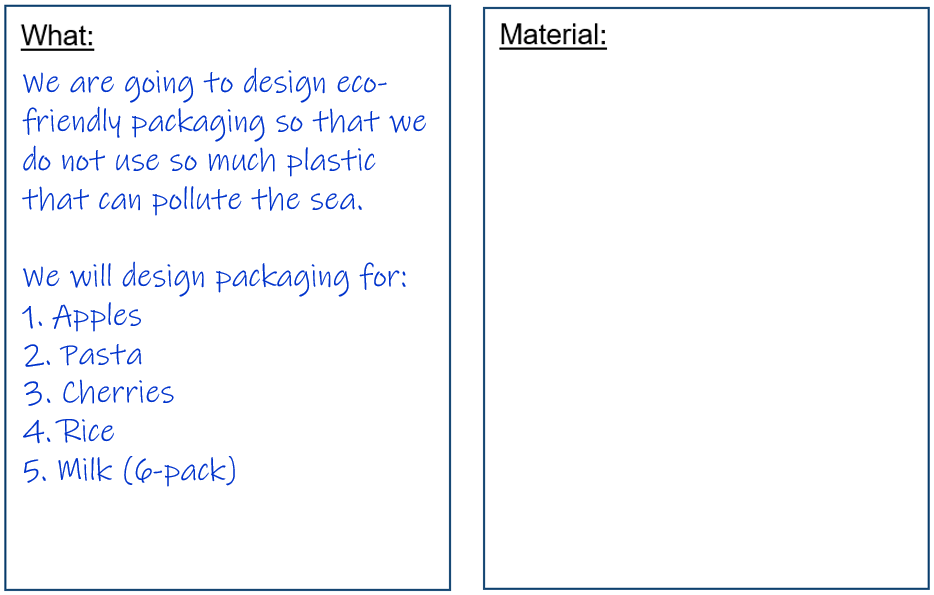
Let’s write down the information for this project.
-5-
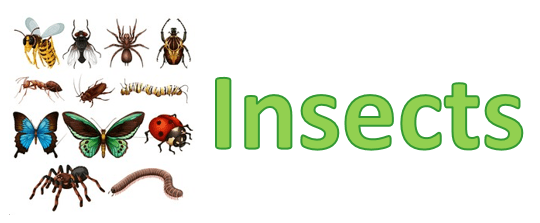
We will first look at:
Let’s learn new Vocabulary:
English Vocabulary – TYPES OF BUGS and INSECTS. (1:32 minutes long)
Learn Bugs & Insects for Kids | Fun Kids English. (1:50 minutes long)
-6-
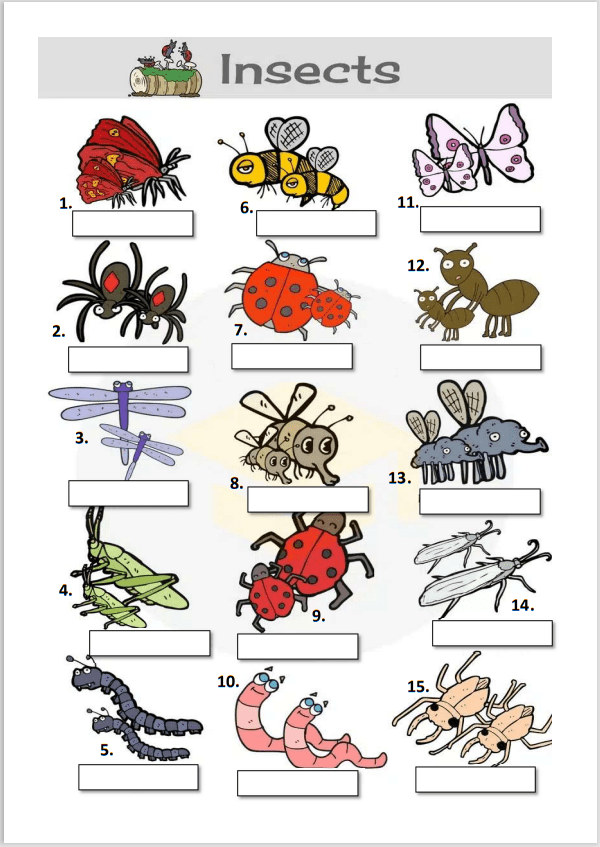
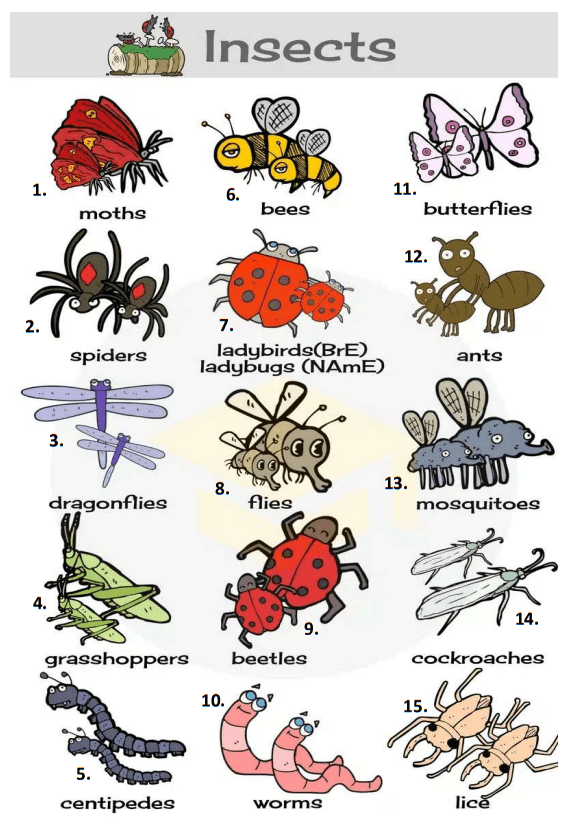
Which insect names do you know?
ANSWERS
-7-
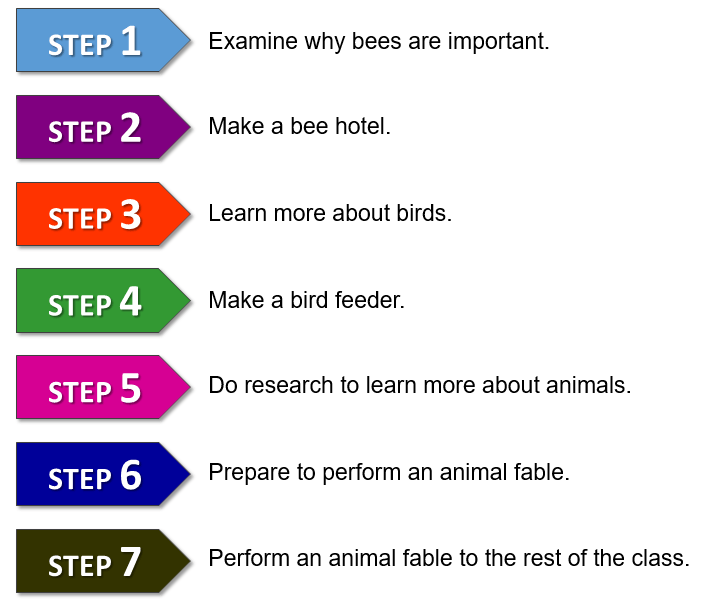
Now we are ready to start the project!
The Importance of Bees To Humans, the Planet & Food Supplies. (2:59 min. long)
What would happen if all the bees died? (2:45 minutes long)
If we look after bees, they’ll look after us. (2:15 minutes long)
-8-
How to make a solitary bee home. (2:29 minutes long)
Simple Upcycled DIY Bee Hotel Tutorial. (0:44 minutes long)
-9-
Let’s learn new Vocabulary:
Birds Names | kids learning. (3:56 minutes long)
-10-
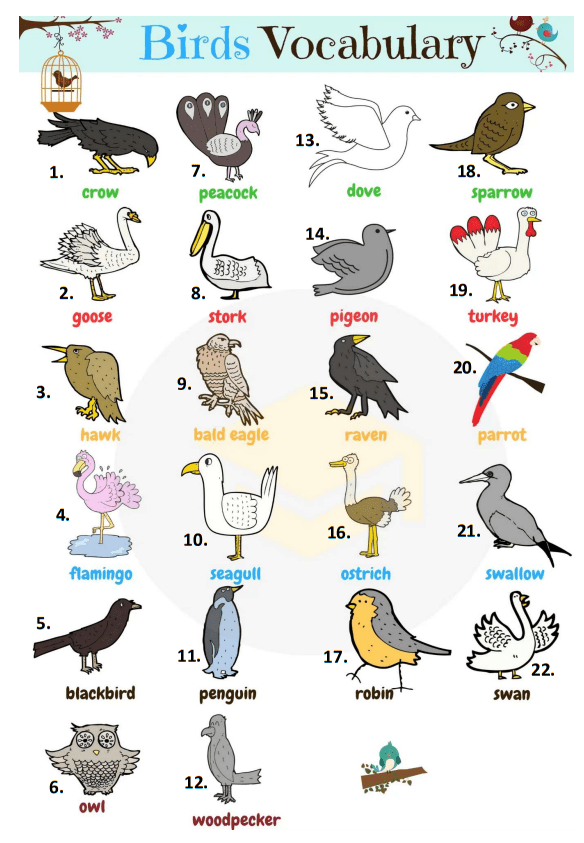
Which bird names do you know?
ANSWERS
-11-
All About Birds for Children: Animal Learning for Kids. (4:19 minutes long)
Interesting Facts about Birds | Educational Video for Kids. (3:31 minutes long)
-12-
Bird Feeder Rolls
Make Your Own Recycled Bird Feeders. (4:04 minutes long)
(“entertaining”)
Cheap and Original Home made Birds Feeder. (3:10 minutes long)
How to make a Bird Feeder for kids – Simple and Easy. (3:03 minutes long)
Bird Feeder Bottles:
How to make a Bird Feeder from a Plastic Bottle. (2:30 minutes long)
Plastic Bottle Bird Feeder. (3:35 minutes long)
-13-
Let’s learn new Vocabulary:
Animals vocabulary in English. (9:34 minutes long)
-14-
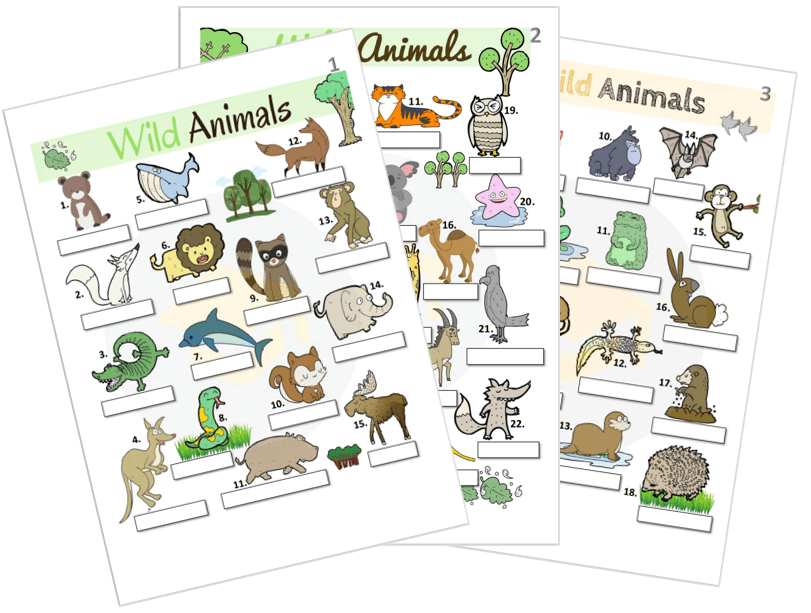
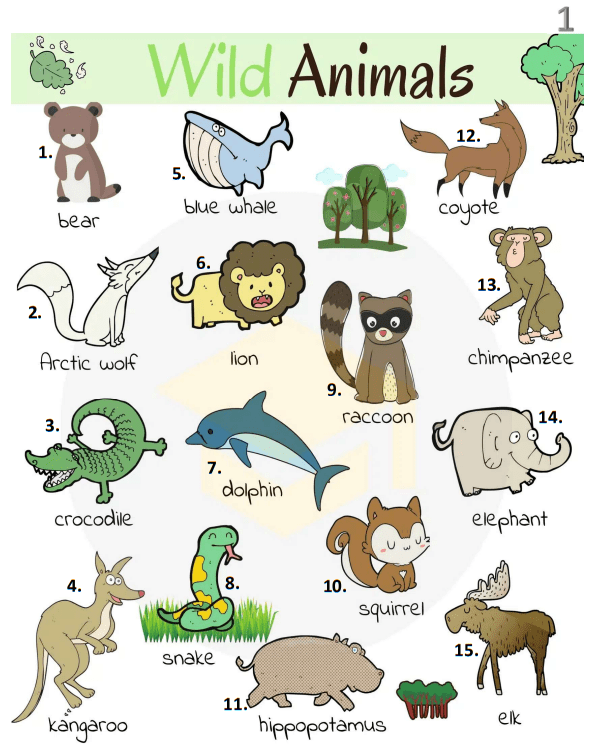
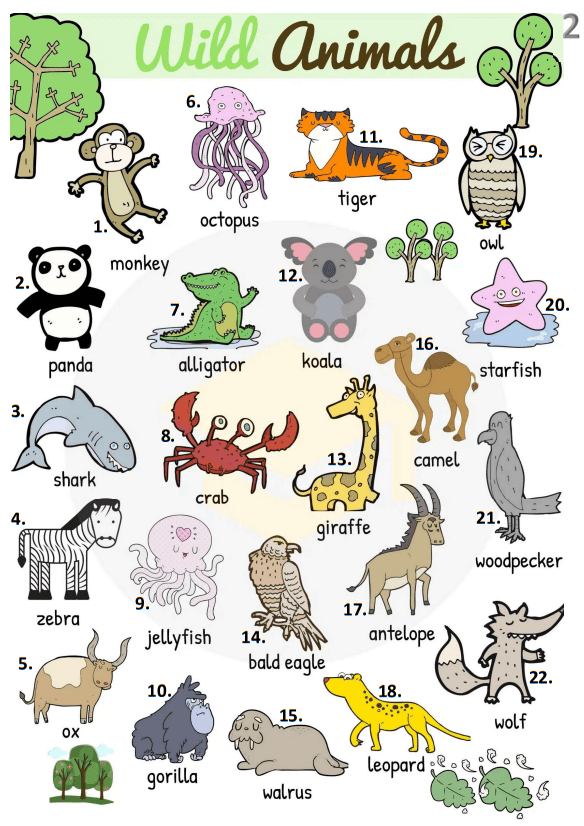
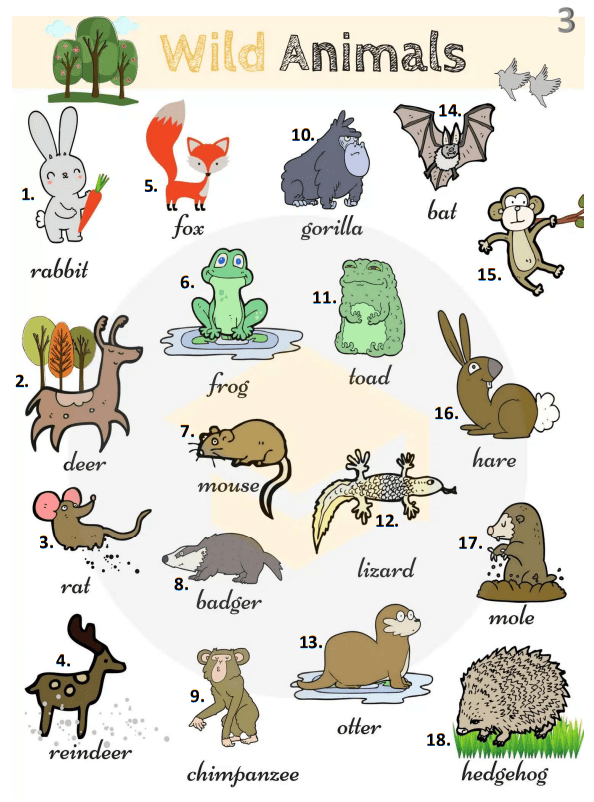
Which animal names do you know?
ANSWERS
-15-
Chickens! Learn about Chickens for Kids. (2:37 minutes long)
Top 15 Amazing Facts About Foxes. (3:23 minutes long)
Foxes | Science for Kids. (4:15 minutes long)
Is Bugs Bunny A Rabbit Or A Hare? “Cartoon Science”. (5:03 minutes long)
Top 30 Amazing Facts About Mice. (6:27 minutes long)
Lions | Science for Kids. (4:25 minutes long)
Cool Facts About Lions | Things You Wanna Know. (1:50 minutes long)
Ants making bridge, team work. (1:52 minutes long)
5 FUN FACTS ABOUT TORTOISES! (3:21 minutes long)
Tortoise Fun Facts. (2:52 minutes long)
-16-
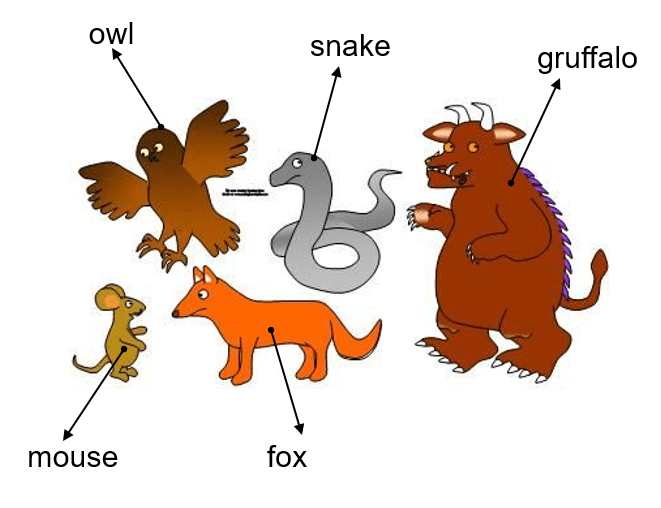
You are going to perform a short fable. A fable is a story that teaches a lesson. A fable often has animals in it. Let’s look at a few examples.
The Lion and the Mouse. (2:51 minutes long)
The Hare and the Tortoise. (4:21 minutes long)
The Ant and the Grasshopper. (5:01 minutes long)
The Rooster and the Fox. (2:25 minutes long)
You will be given a play in English, plus a Spanish copy, to help you to understand the play better. Decide who will be which characters and then prepare to do your play, in English, for the rest of the class.
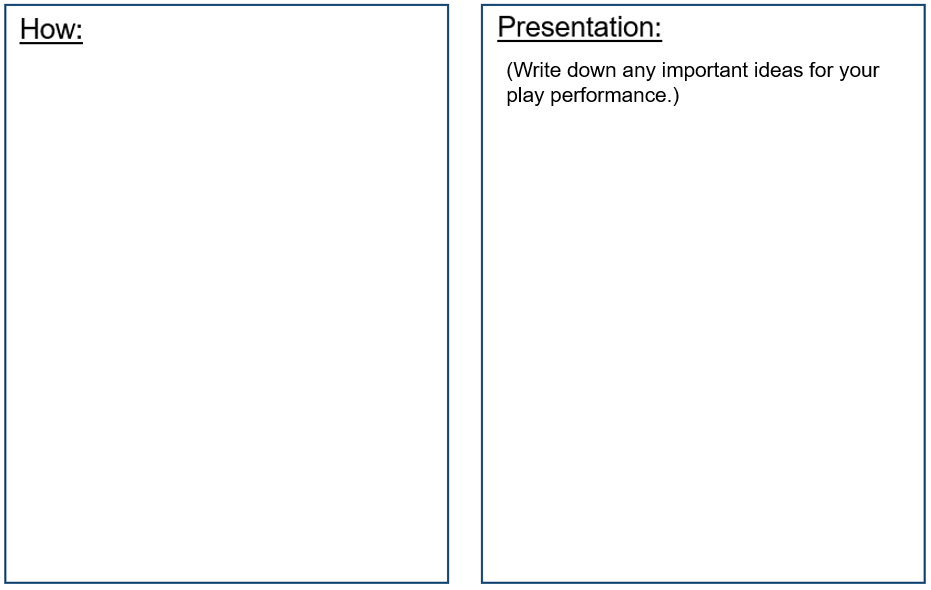
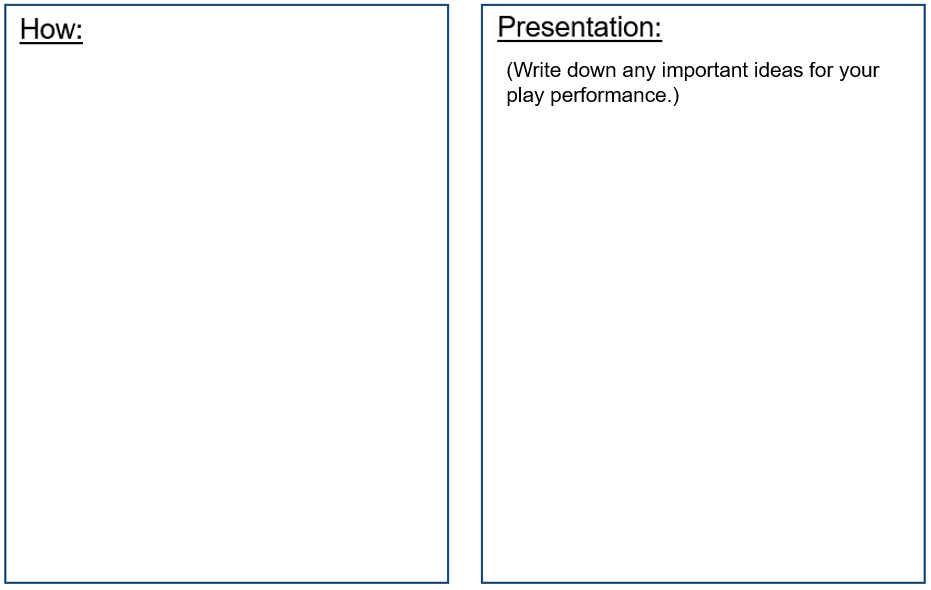
(Use your Project sheet to write down ideas for the performance.)
Just for fun:
Tortoise outraces a hare, like in a fable. (0:40 minutes long)
A Funny Turtle and Cute Turtle Videos Compilation. (4:06 minutes long)
(funny compilation)
-17-
Now it is show time!
-18-
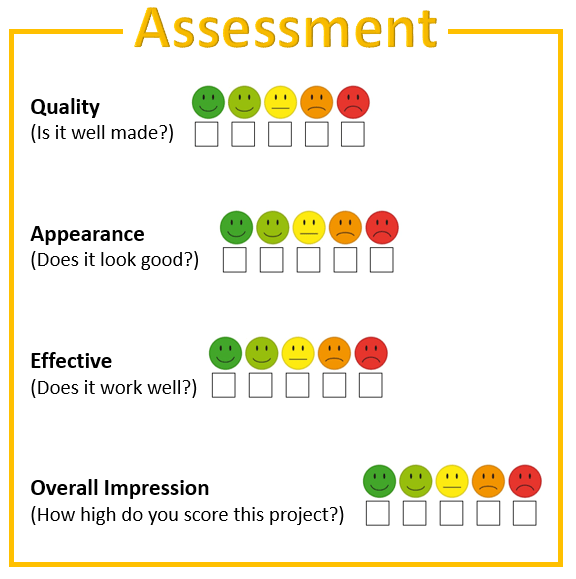
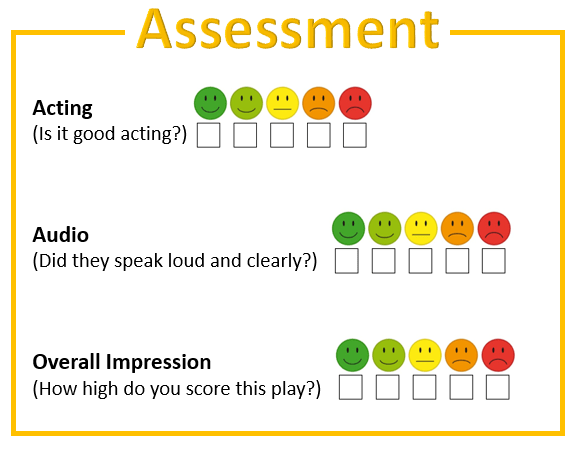
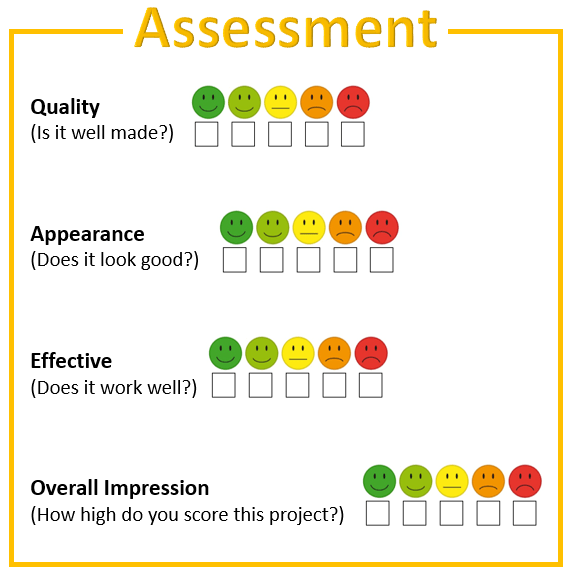
Each group will assess the performance of other groups. (Use the assessment form to judge how well a group has done.)
-19-
Easy animal crafts to make…
3D Animal Craft Ideas For Kids | Easy Animal Crafts With Paper. (3:53 minutes long)
10 Super Easy Paper Animal Craft Ideas | Step by step. (3:03 minutes long)





























































































































































































































































 Best study methods