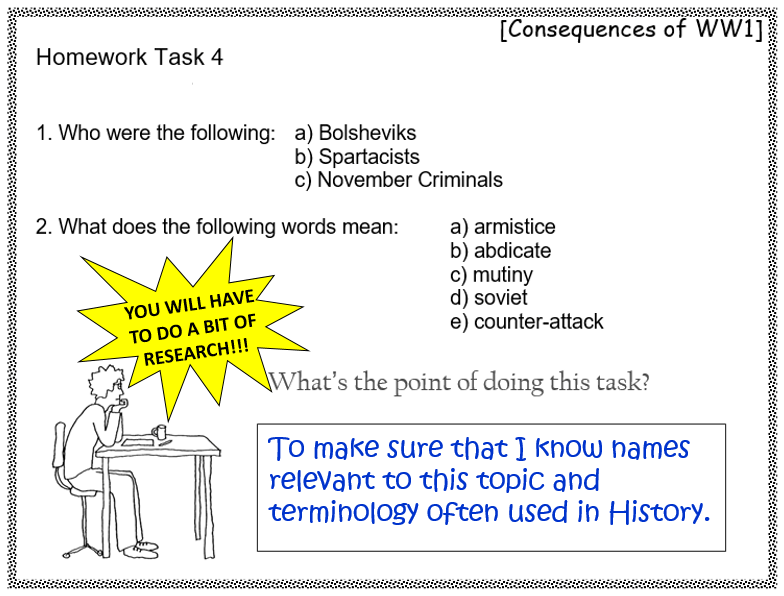
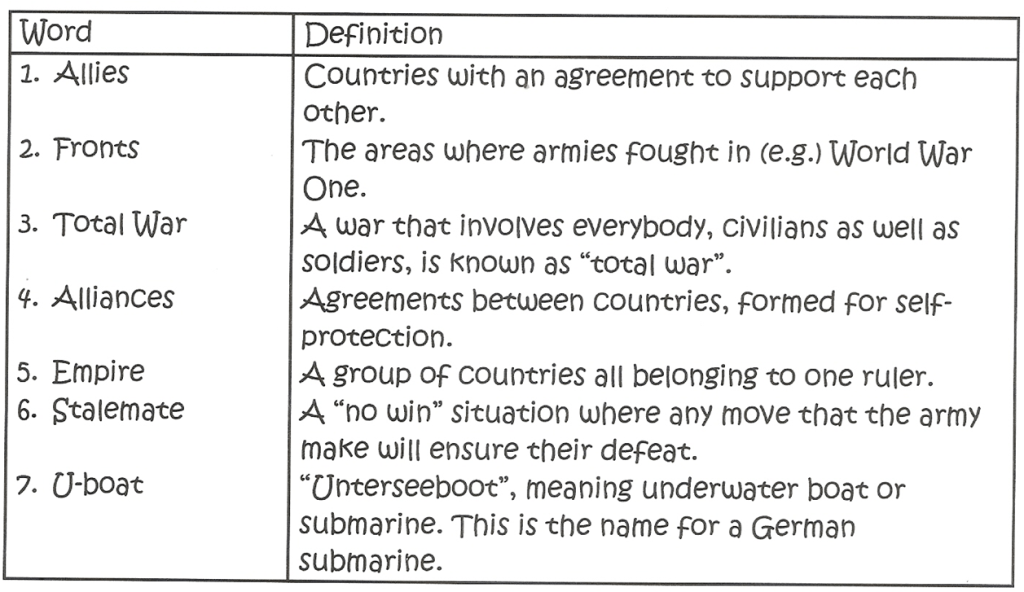
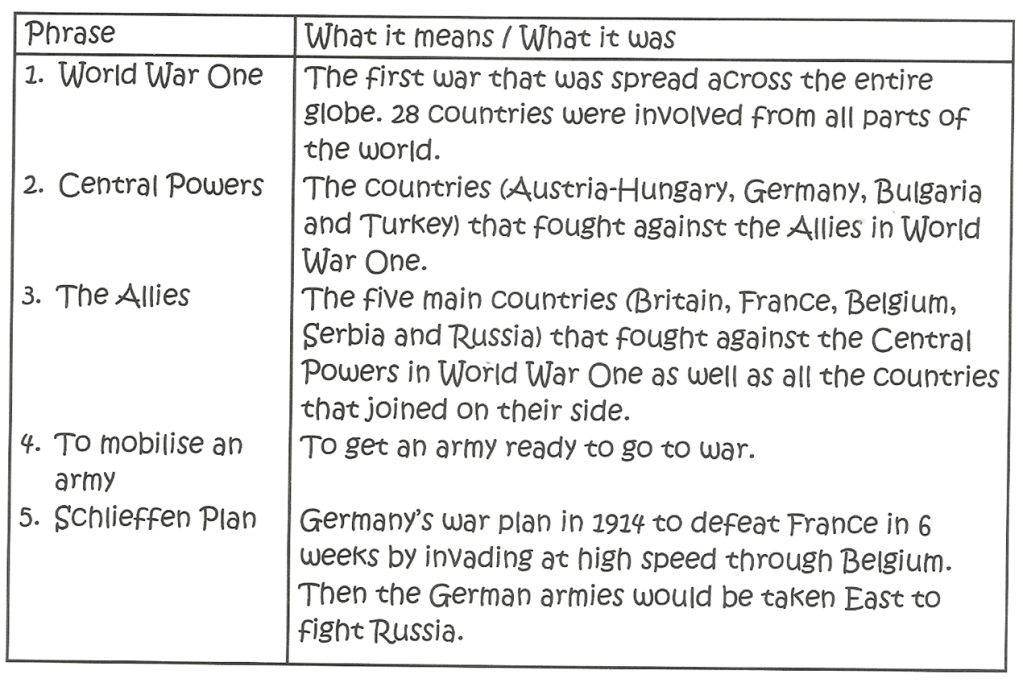
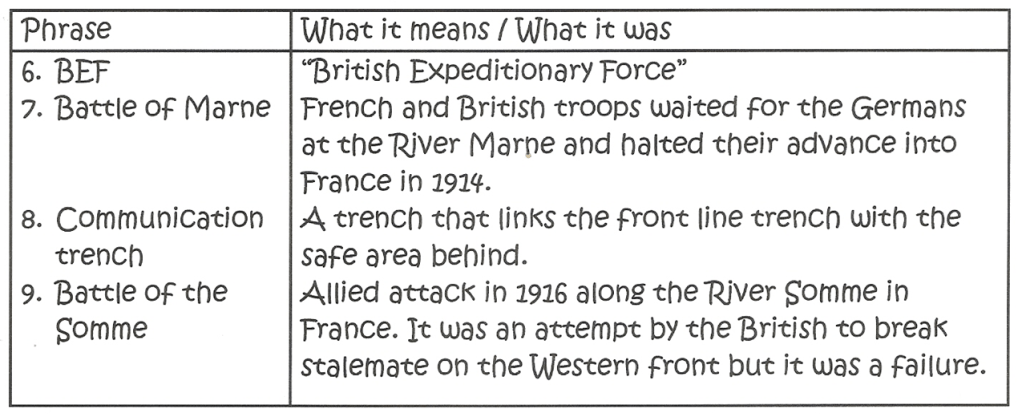
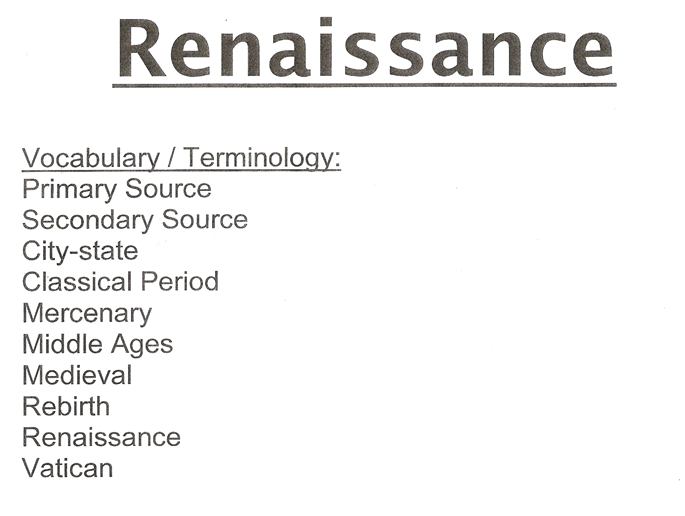
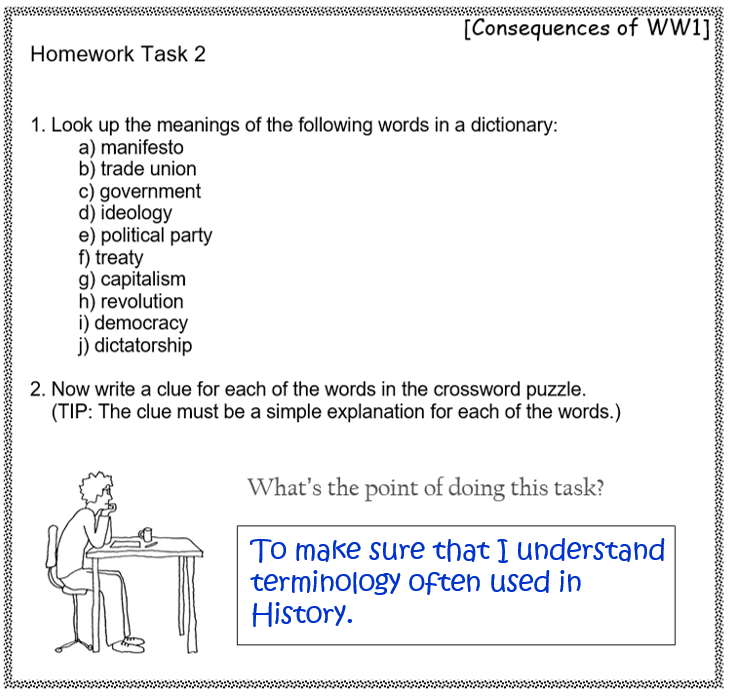
Some of these words were discussed in class and you might even have copied the definitions into your purple book… Others might only have been mentioned briefly. (Also look in your workbook… p.68-70 may be very useful!)
Today you are going to look at the consequences of WW1 in a bit more detail.
Follow the instructions step by step:
1.
Watch Part 1 of “Consequences of WW1”. It discusses the increased power of Trade Unions as one consequence of WW1…
Consequences of WW1 – Part 1: Trade Unions. (4:05 minutes long)
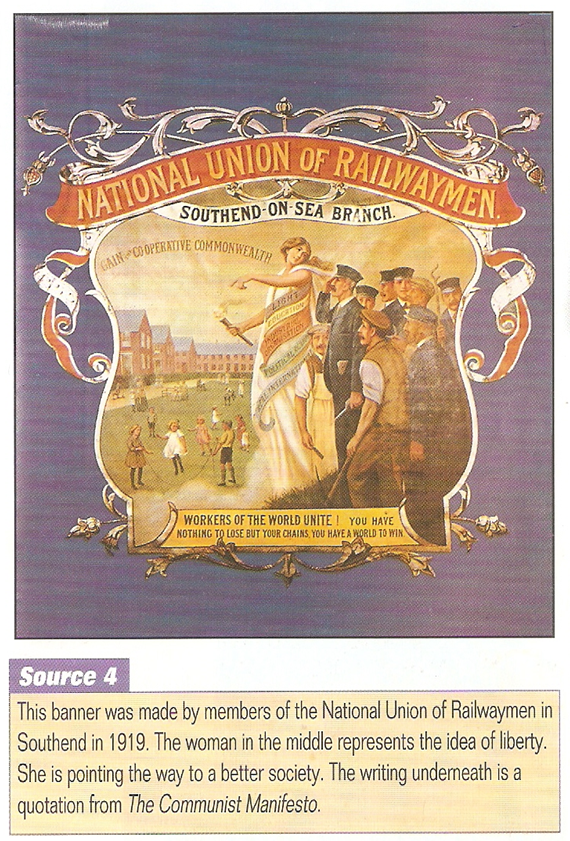
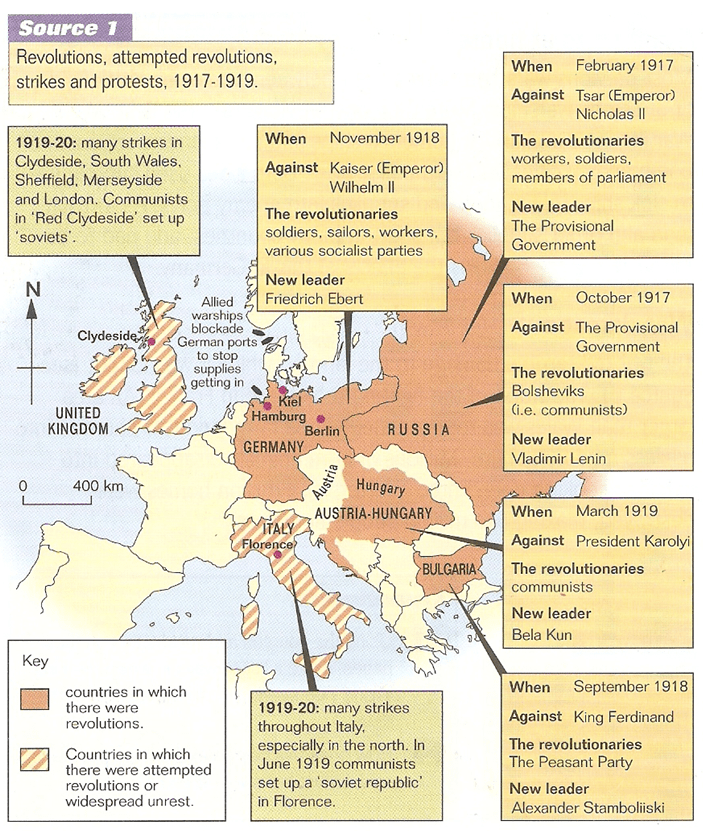
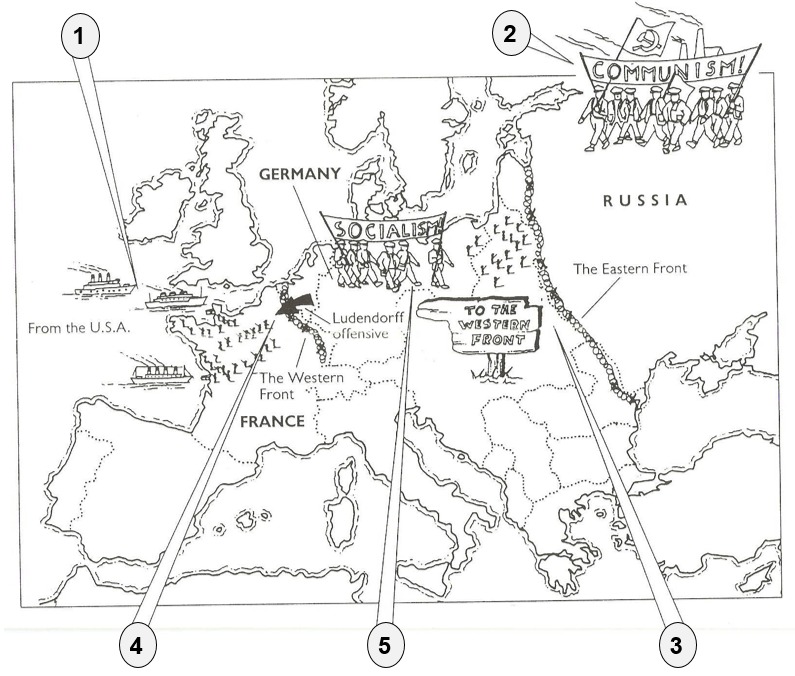
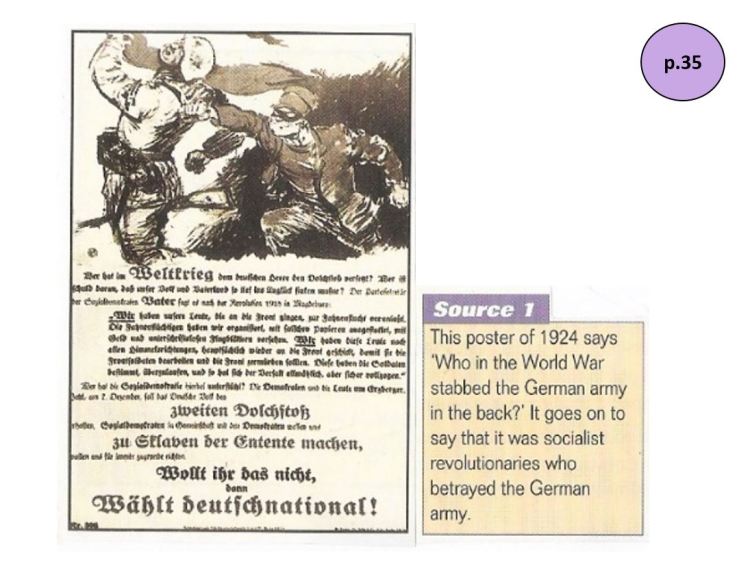
Here is the Socialist propaganda poster, as well as the revolutions-map (shown in the video) for you to examine more closely:
2.
Now, watch Part 2 of “Consequences of WW1”. It briefly discusses the Treaty of Versailles as a consequence of WW1.
Consequences of WW1 – Part 2: Treaty of Versailles. (0:48 minutes long)
3.
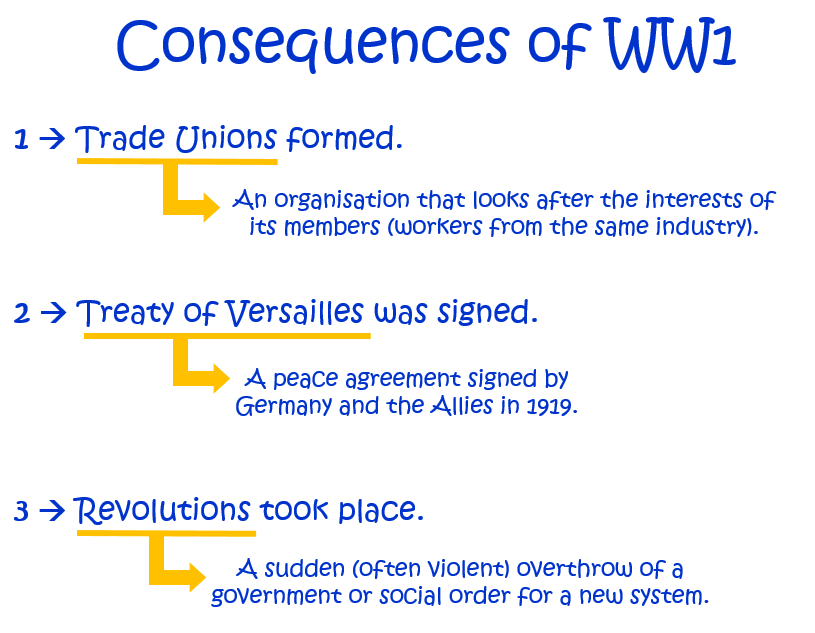
Part 3 of “Consequences of WW1” discusses the outbreak of revolutions as a consequence of WW1. Before we watch Part 3, let’s see what is meant by “revolution”.
Revolution. (2:29 minutes long)
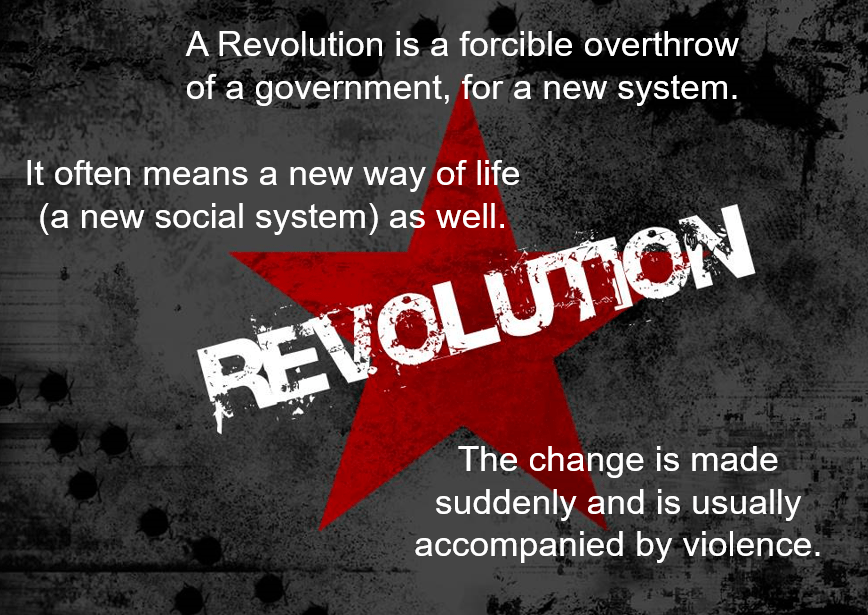
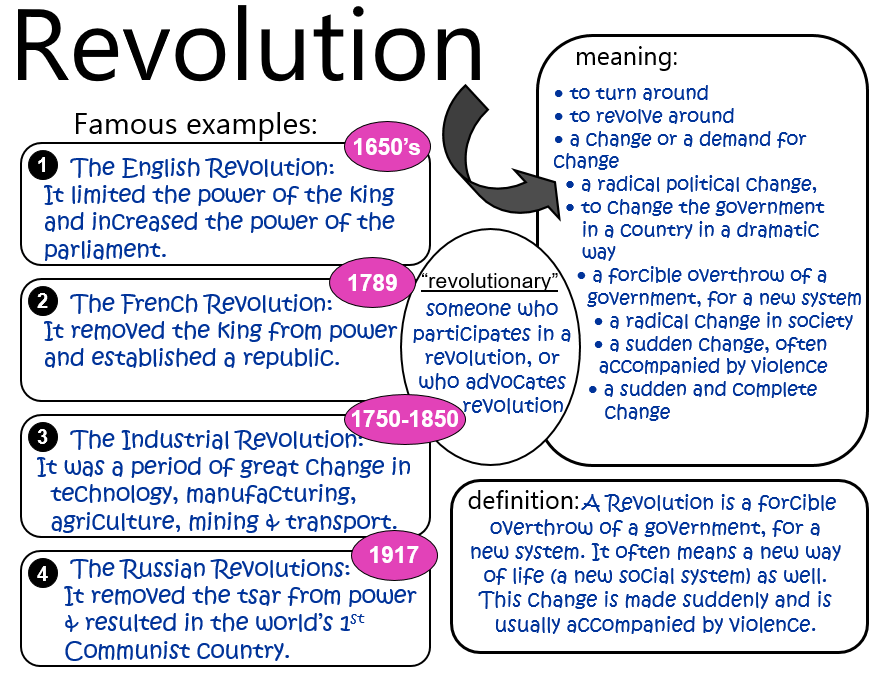
Here is a quick summary of what a revolution is:
4.
Finally, watch Part 3 of “Consequences of WW1”. It discusses the outbreak of revolutions as a consequence of WW1.
Consequences of WW1 – Part 3: Revolutions. (3:31 minutes long)
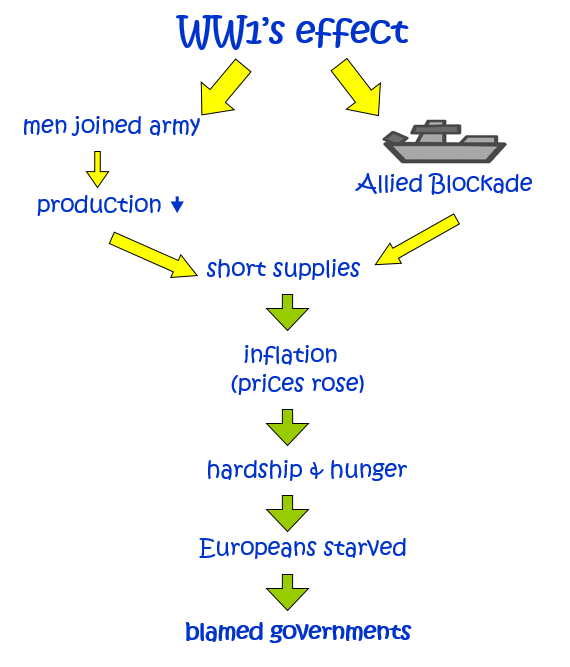
Here is the effects-of-WW1 diagram (shown in the video) for you to examine more closely:
5.
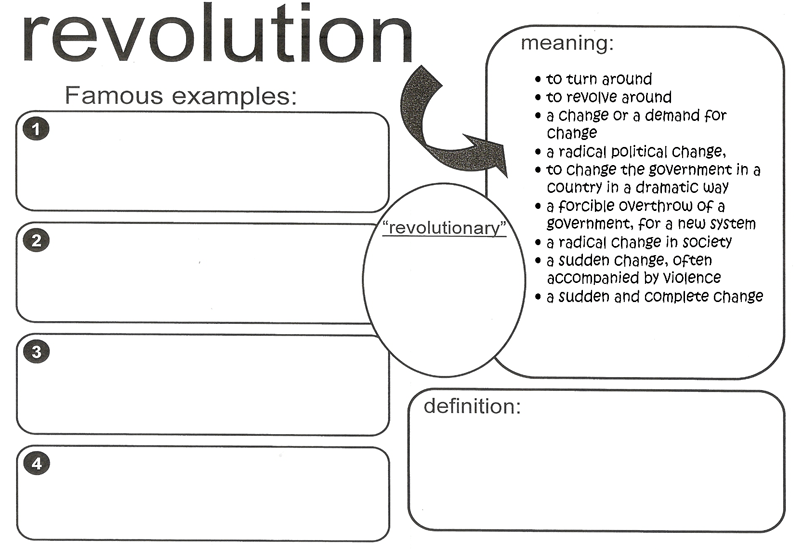
Fill in the missing notes about “revolution”, on p.49.
SOLUTION:
6.
7.
p.50-51
8.
If there is time…
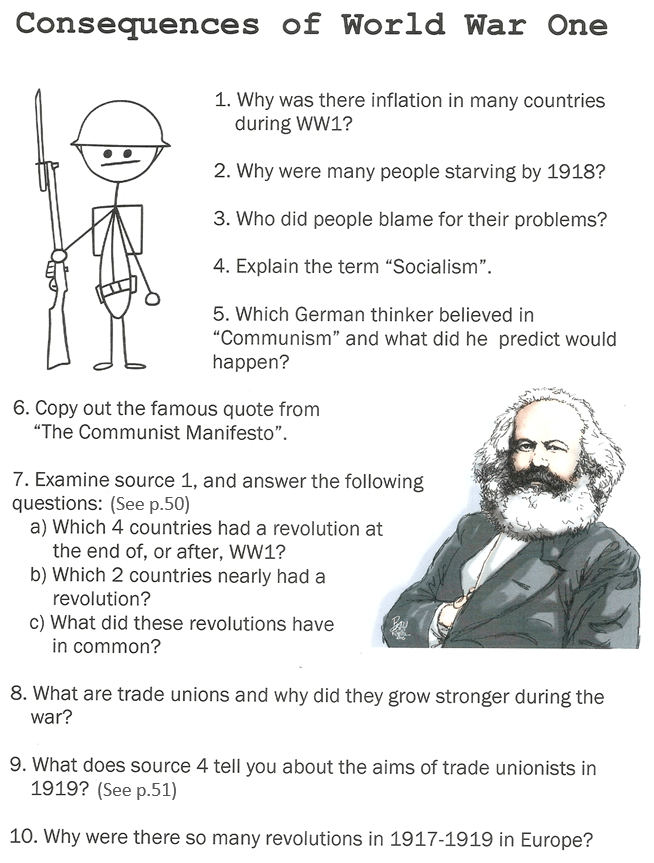
Finally, it is time to answer a few questions in order to test your knowledge and understanding of the consequences of WW1…
“Consequences of World War One, p.53”
Please take note:
You may choose to complete EITHER numbers 1 to 6,
OR: numbers 7 to 10.
Read the questions carefully before you decide which ones to do.
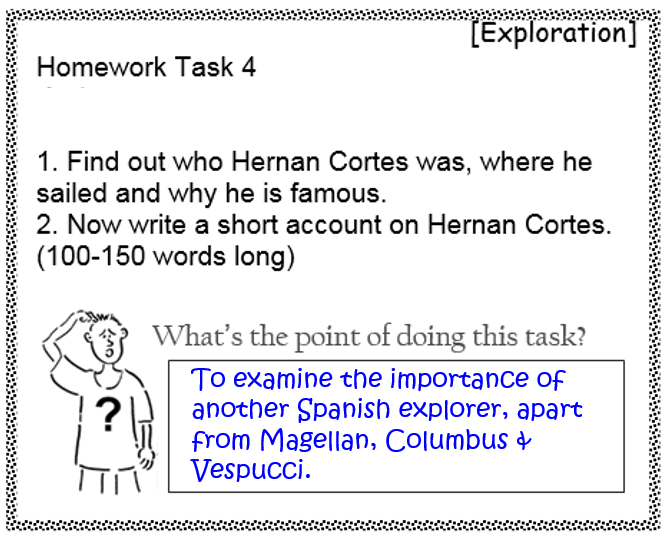
Do thorough research on Google. Then write a short but detailed account on who Cortes was and why he is important. (Imagine that you write this for a website – make a good job of it! Express yourself clearly and correctly!)
Today we are going to start with a new topic – on “Exploration”.
We are going to look how technical advances during the Renaissance made exploration possible.
We are also going to consider the importance of trade with the far east during the Renaissance, by looking at:
trading goods
trade routes
Follow the instructions step by step:
1.
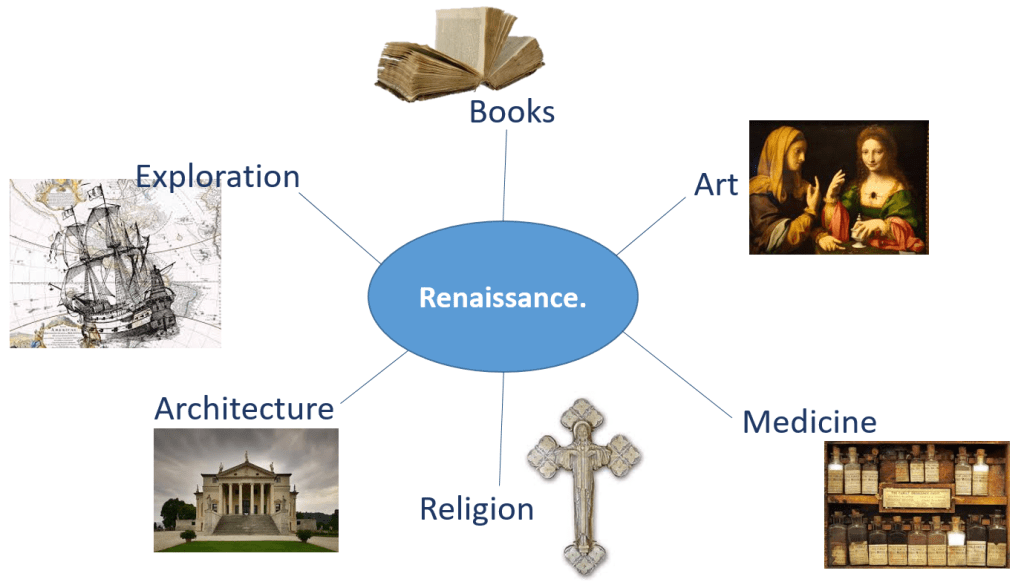
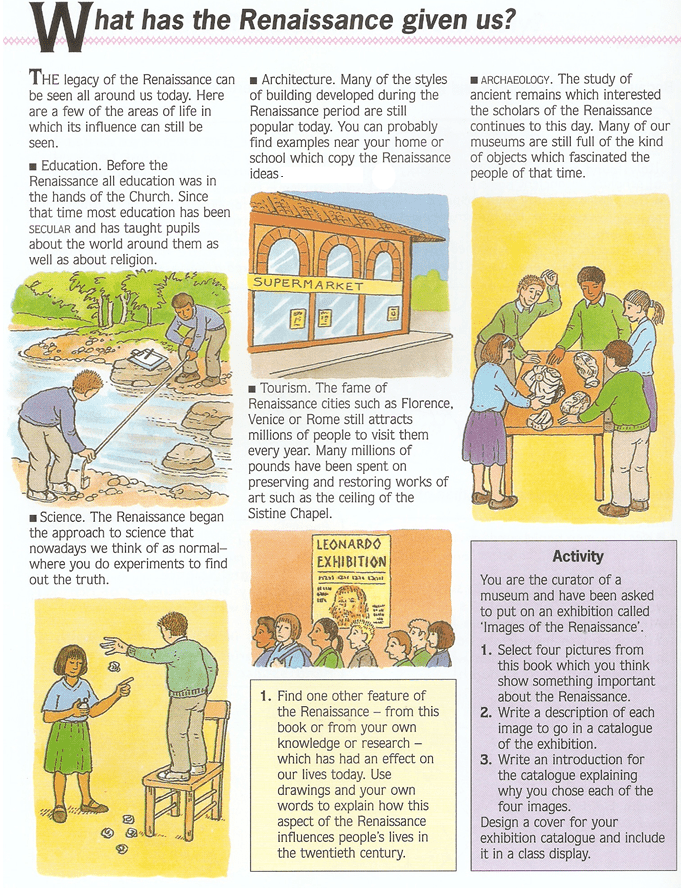
Renaissance gave humanity a lot… look at the diagram and see if you can tell how this period benefited society…
IDEAS:
You may have come up with the following ideas:
books were mass produced and more accessible
art improved and became more realistic
medicine improved dramatically
religion was no longer just accepted but critically questioned
architecture improved as Classical styled became popular
exploration was made possible thanks to improved knowledge
2.
Exploration was possible thanks to technical advances during the Renaissance. Let’s see how technical advances in ship building helped exploration…
Technical Advances. (1:35 minutes long)
3.
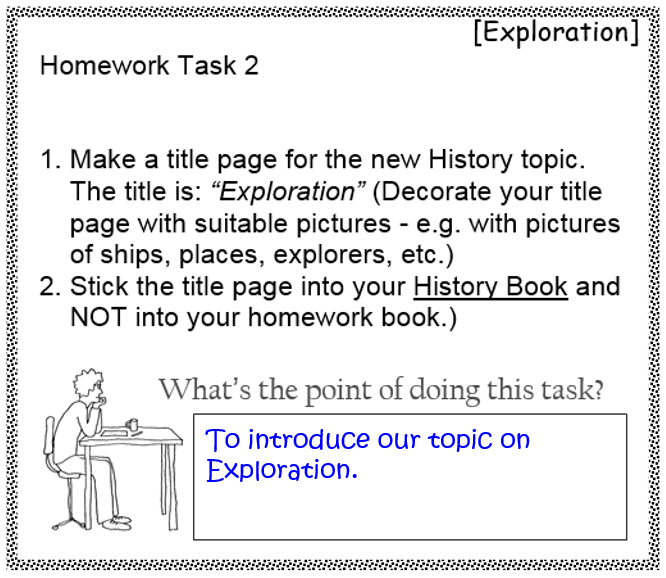
Before we continue with any other work, stick your title page for our new topic on “Exploration” into your purple exercise book…
4.
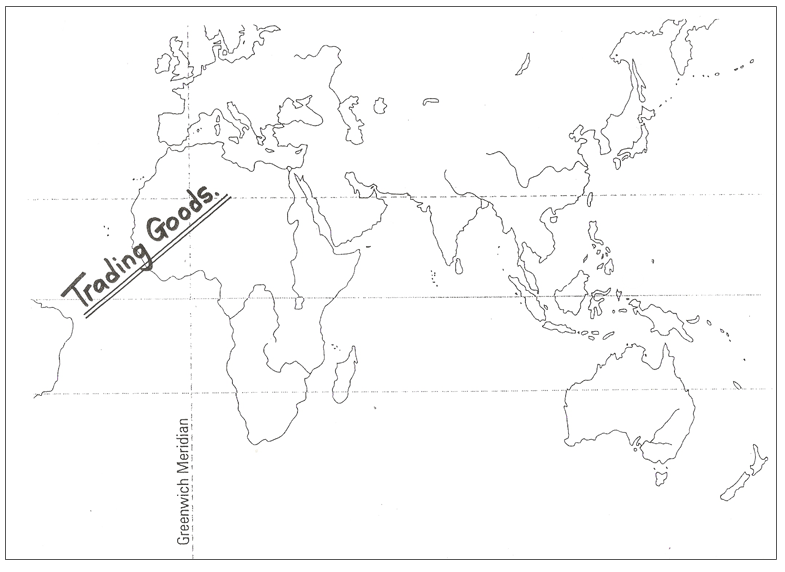
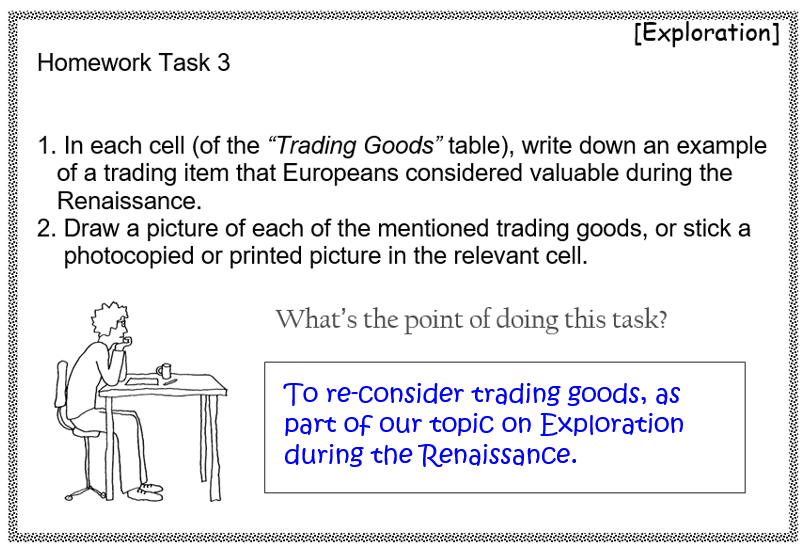
Europeans had an interest in Exploration because it provide great opportunities for trade. Let’s see which goods were popular trading goods during the Renaissance.
Trading Goods
Now, write down the numbers 1 to 20 on the margin – so that you can be ready for the next task…
5.
Watch the following slides and write down the names of the goods that Europeans traded with. If you do not know, guess… You do not have time to discuss this – you need to work quite fast…
Trading Goods “test”. (5:16 minutes long)
6.
Let’s see how well you know these trading goods! Quickly mark this task on trading goods…
These trading goods were all very expensive and Europeans made good profits on them. Trade with the Far East was, therefore, very important to Europeans.
7.
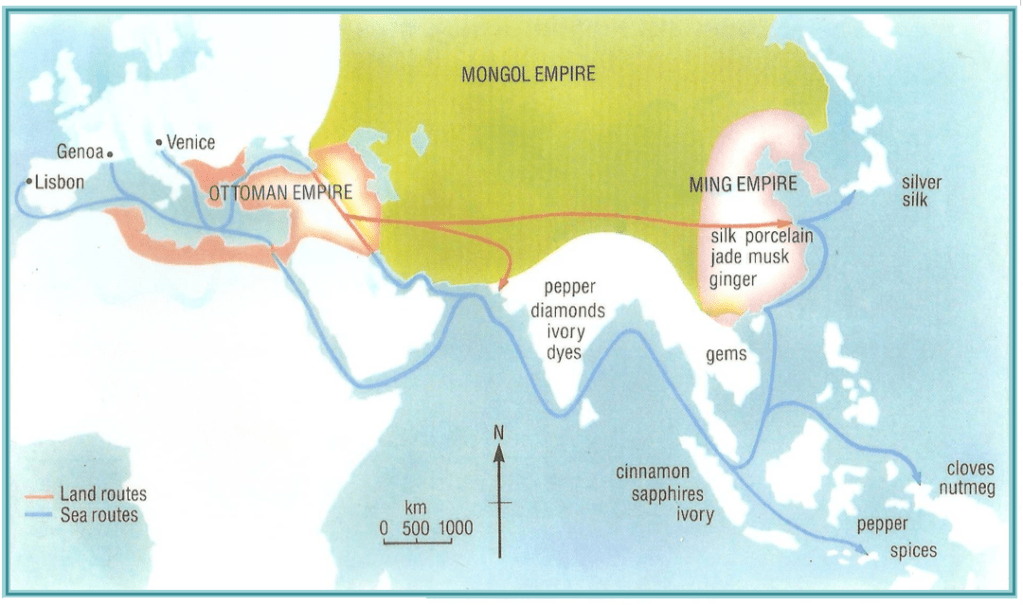
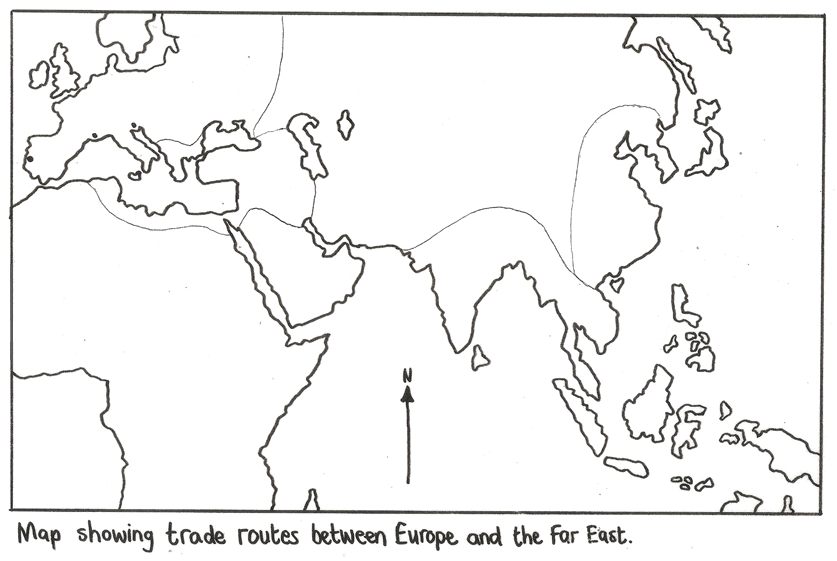
Now, carefully examine the map below. It shows trading goods and trading routes to the Far East… There are some sea routes (indicated in blue) and some land routes (indicated in red). There came a time that Europeans could no longer safely make use of these trading routes… (You will learn about his in a subsequent lesson.)
8.
On the map (on p.31 in your workbook), write down the trading goods that Europeans traded with during the Middle Ages.
9.
Now, on the map (on p.30 in your workbook), draw in the trading routes that Europeans used to reach the Far East during the Middle Ages.
10.
(It tells you a bit more about musk… and other interesting things…)
Today you are going to examine the peace agreement that was made with Germany after WW1…
Follow the instructions step by step:
1.
As you have heard in the previous lesson, after WW1 representatives of the victorious countries met in France to draw up peace treaties that the defeated countries had to sign. The treaty that Germany had to sign is known as the Treaty of Versailles. The video below explains briefly what this treaty was all about.
World War 1 – Treaty of Versailles. (3:06 minutes long)
2.
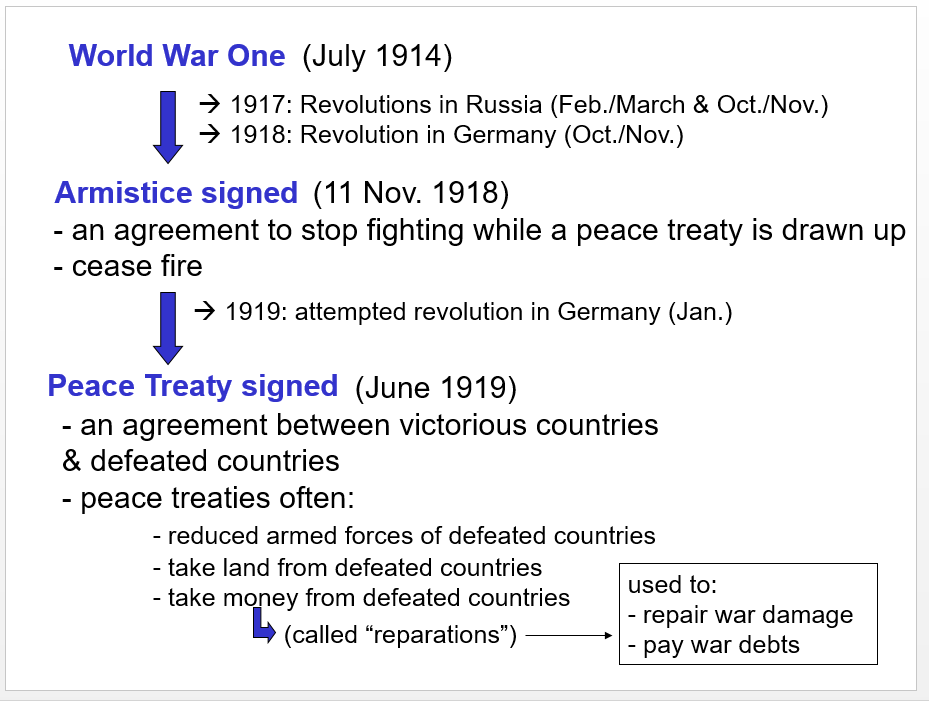
So, in January 1919 representatives from the Allies met in Paris, at Palace of Versailles, to draw up the peace treaty with Germany. The conference was dominated by Britain, France and the USA. The treaty was only finalized and signed in June 1919. The flow-chart below clarifies dates that you need to be familiar with:
3.
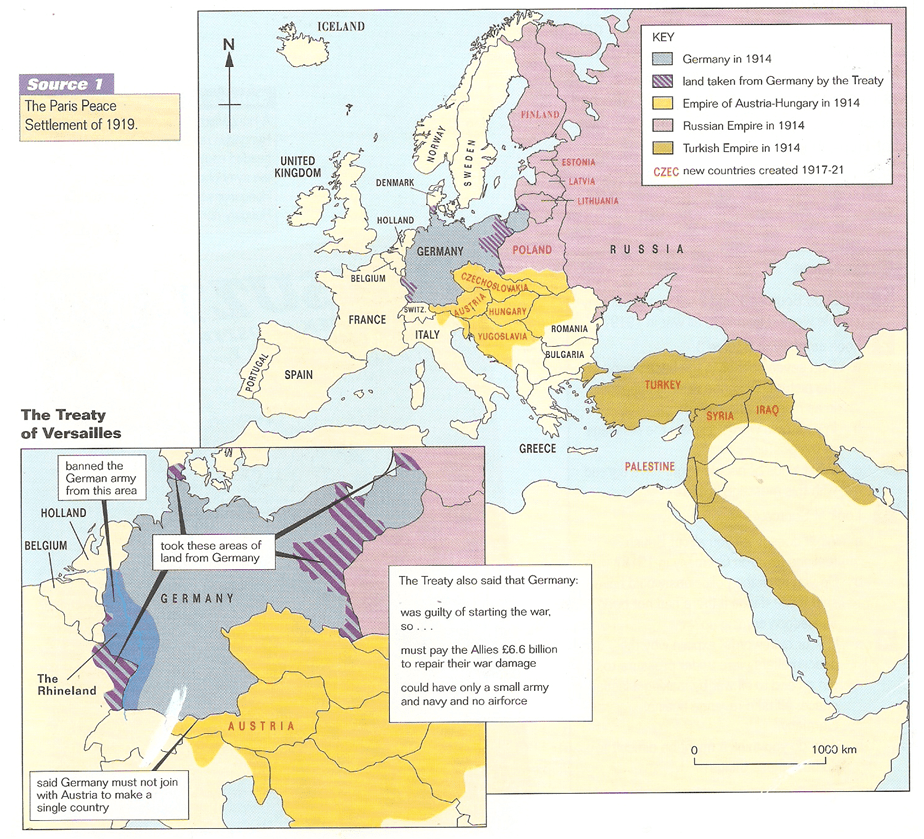
Germany had to pay £6.6 billion in reparations. Her armed forces were also dramatically reduced. And, Germany lost a lot of land. The map shows all the European territories taken away from Germany.
4.
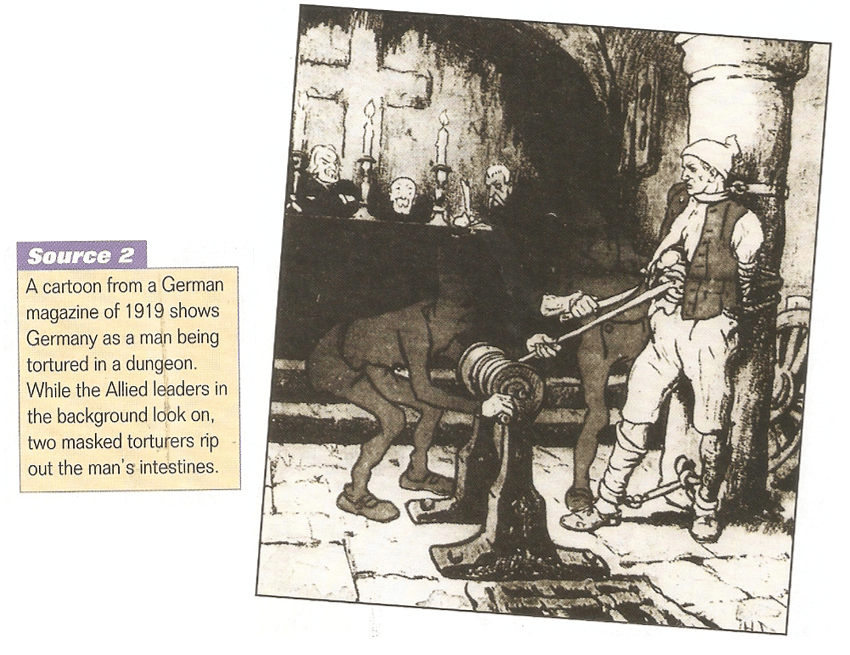
Germany had to sign the Treaty, or face an Allied invasion of Germany! This cartoon gives us an idea of how the Germans felt about the treaty!
5.
Your workbook has all the details that you need to know about the Treaty of Versailles.
p.46-47
6.
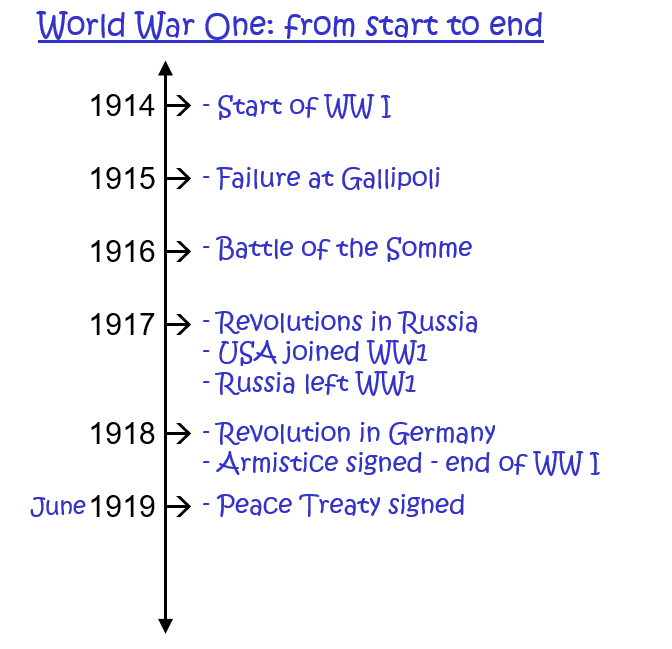
So, the dates that you need to know, so far, are:
7.
Below are a few more useful notes that you need to know.
8.
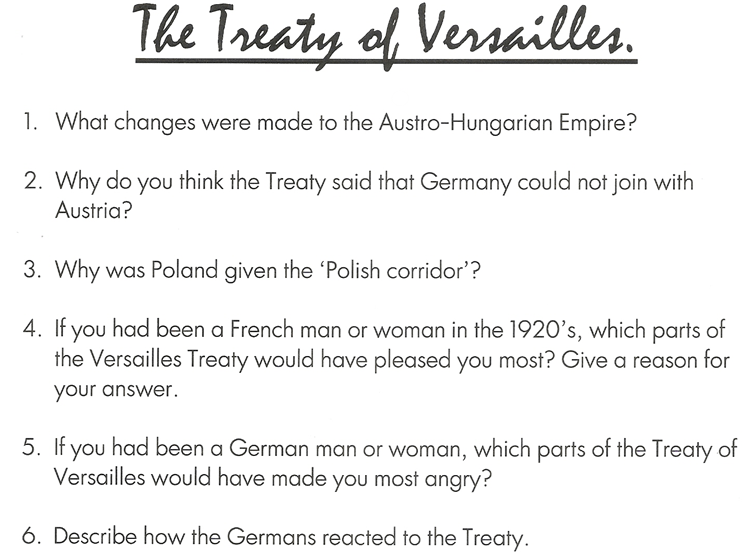
And now for a few questions to test your knowledge and understanding.
“The Treaty of Versailles, p.48”
Please take note:
You may choose to complete EITHER numbers 1 to 5,
OR: numbers 6 to 9.
Read the questions carefully before you decide which ones to do.
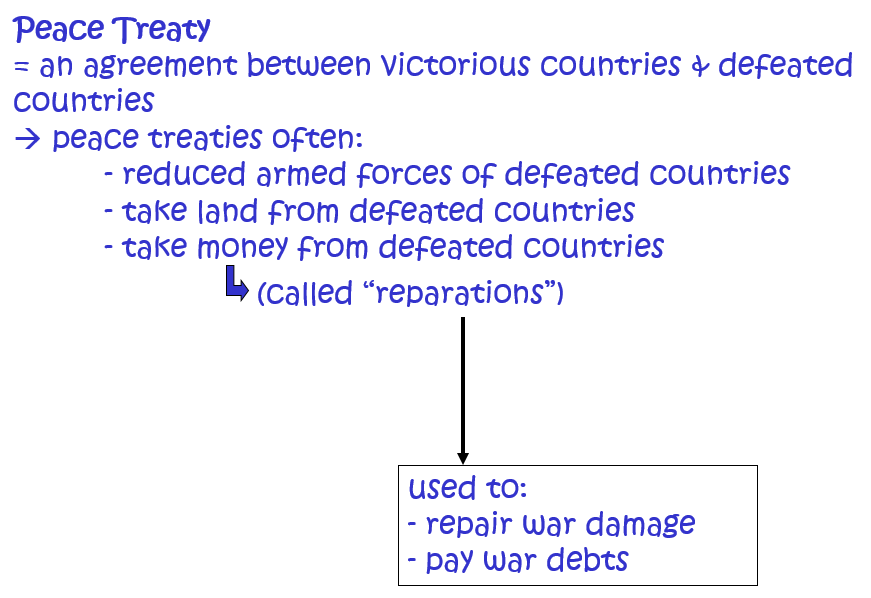
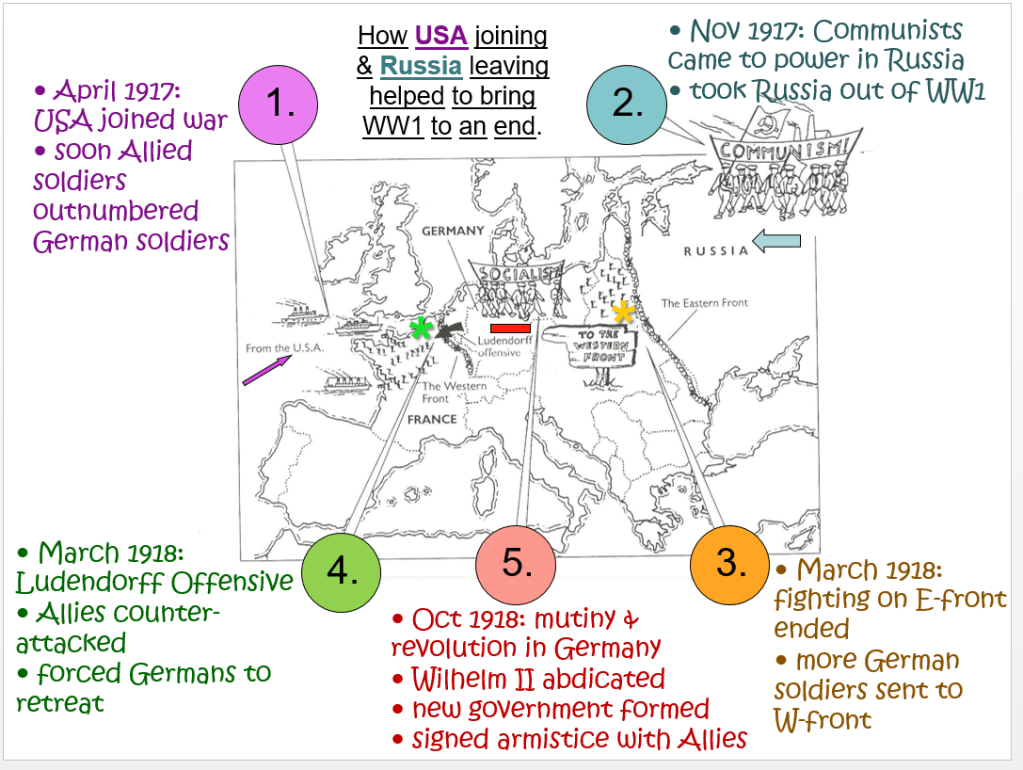
Today we are going to start our topic on The Consequences of WW1. We are going to look at an overview of 1918 (the last year of the war) and also look at how WW1 was officially brought to an end in 1919 when a peace treaty was signed…
Stick the diagram into your purple book and then copy the annotations onto your diagram…
ANNOTATIONS:
4.
This is what the last year of the war looked like…
(1:44 minutes long)
5.
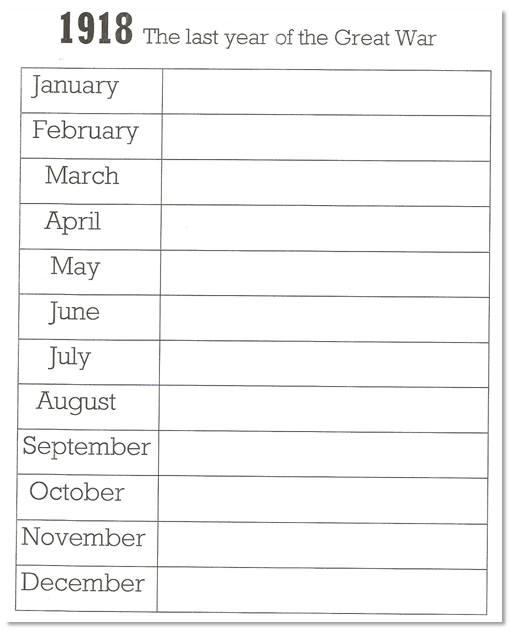
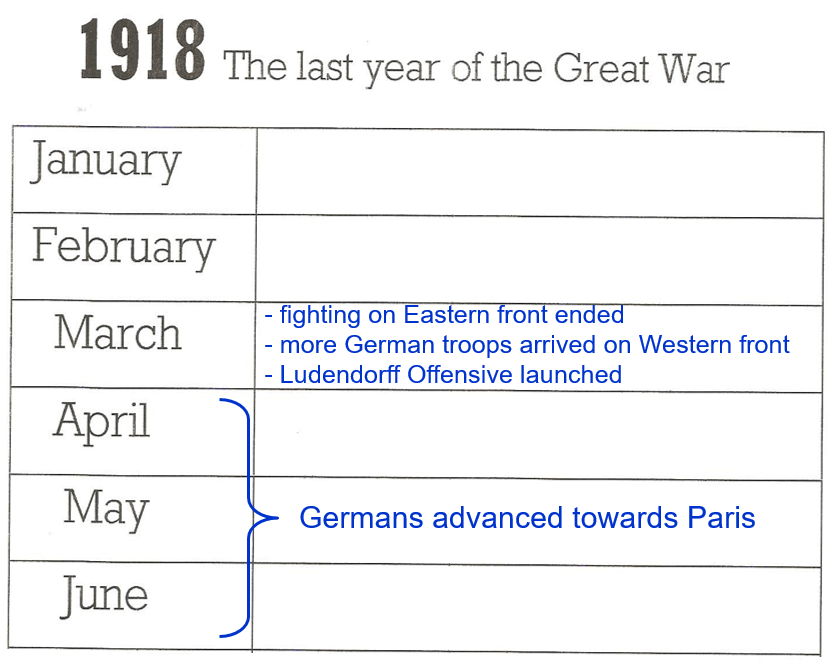
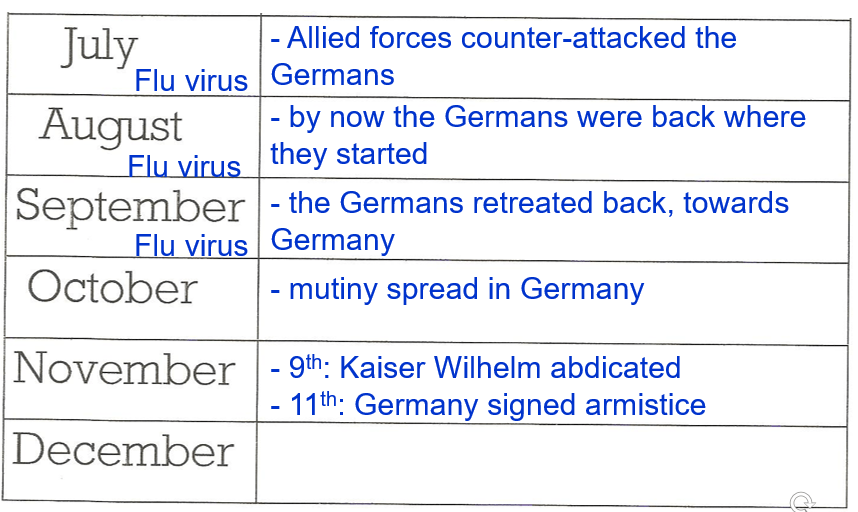
Complete the calendar entries for 1918, on p.43.
SOLUTION:
6.
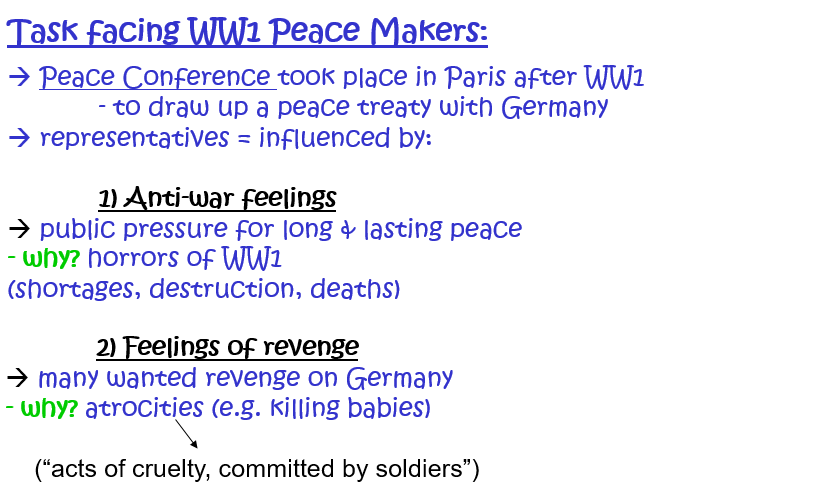
So what happened after the armistice was signed in Nov.1918 and all the fighting stopped?
The armistice was simply an agreement to stop fighting. A formal peace agreement (or “Peace Treaty”) had to be drawn up and signed. This took a few months as it required considerable planning! Let’s see what was involved in this process!
Task facing the Peace Makers. (2:03 minutes long)
7.
Your workbook explains the task facing the peace makers in detail!
p.44-45
8.
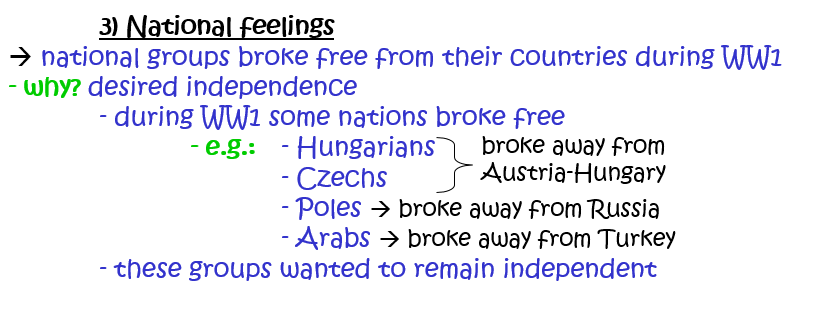
The notes below contain the essential information that you need to know from these pages.
Copy the notes into your purple book. Use a new page for this!
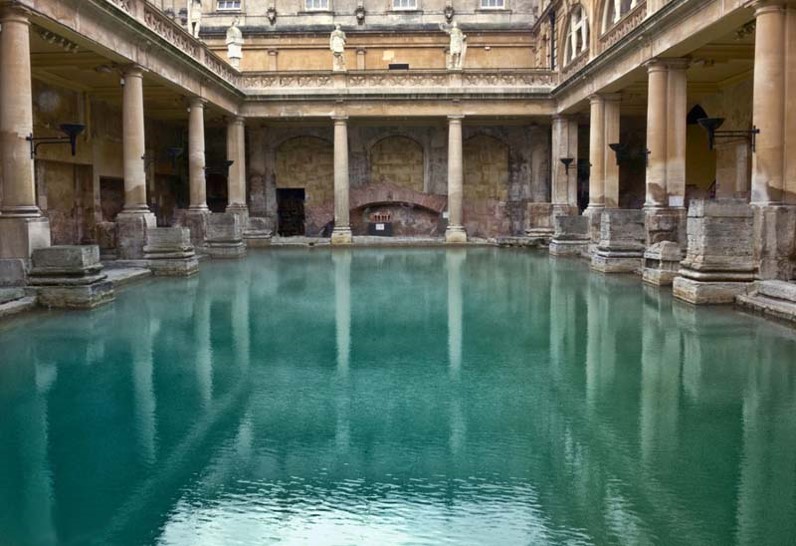
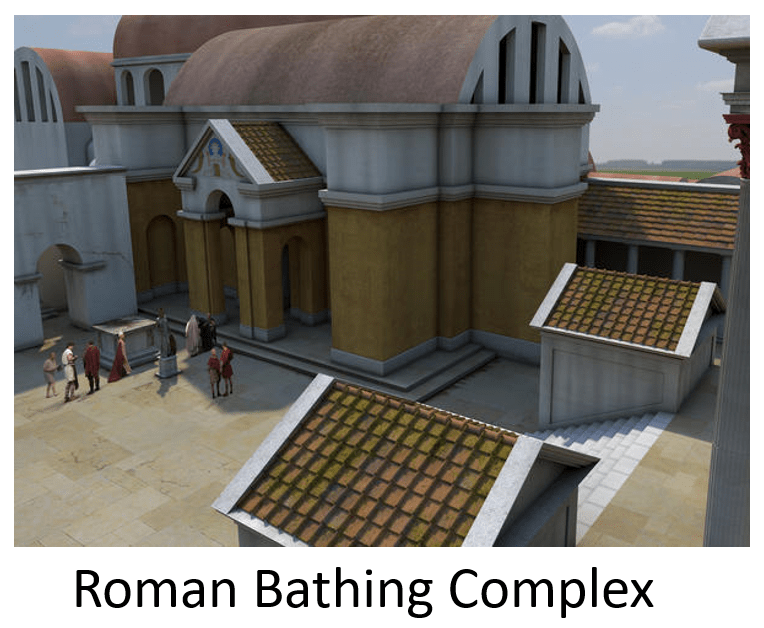
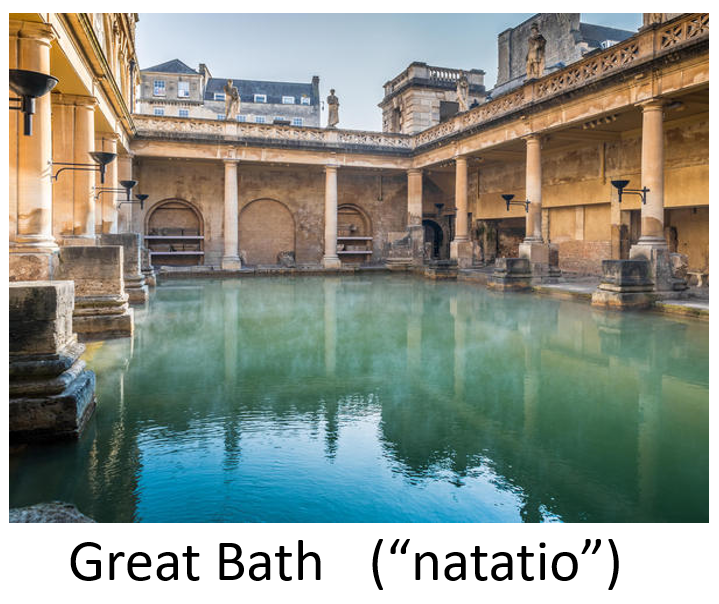
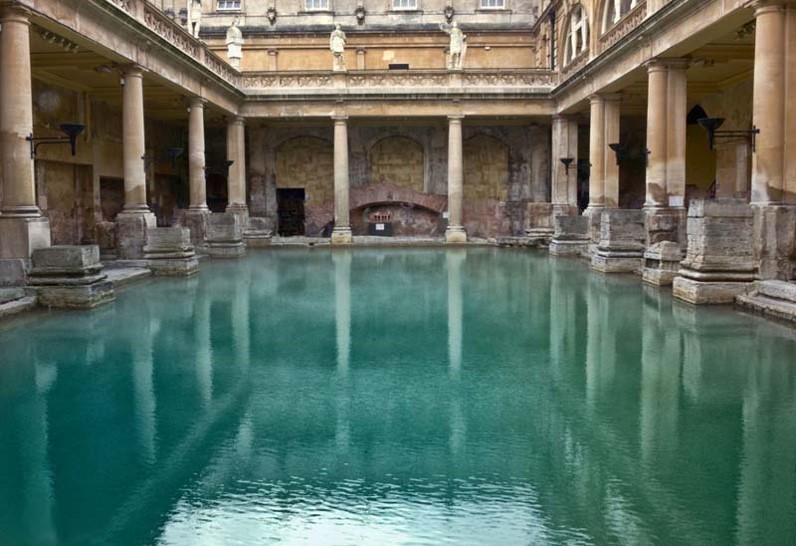
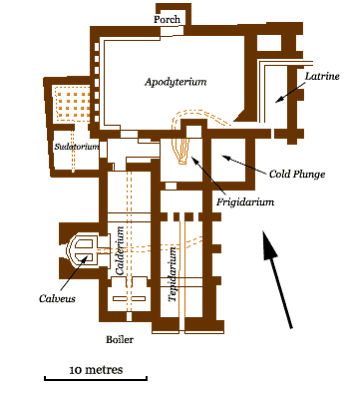
Most towns had a bath complex that looked more or less like the ones below:
5.
Watch the video below. It shows you how Romans used a bathing complex.
Roman Baths. (1:21 minutes long)
4.
p.24-25
It tells you about Roman Towns, Amphitheaters, Roman Writing, and Roman Baths.
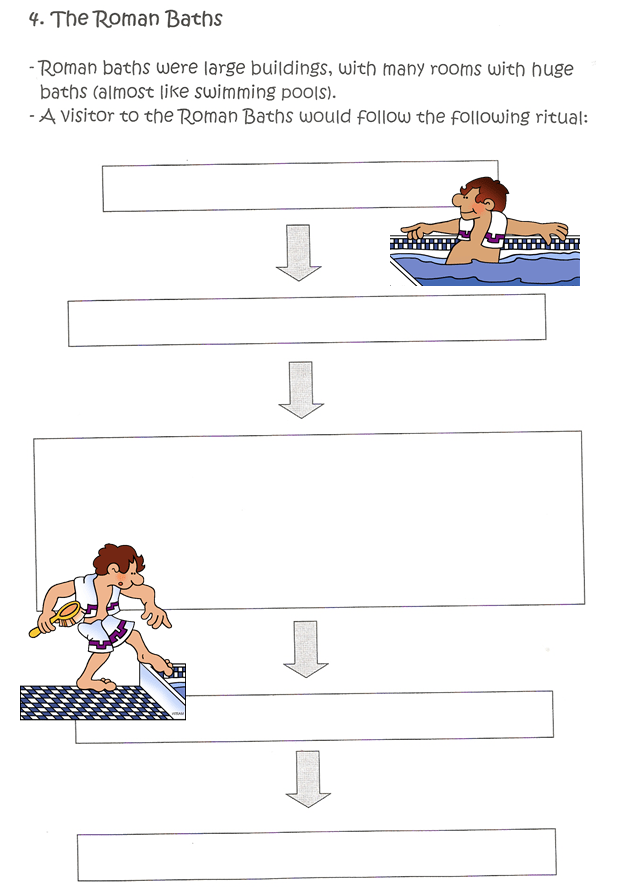
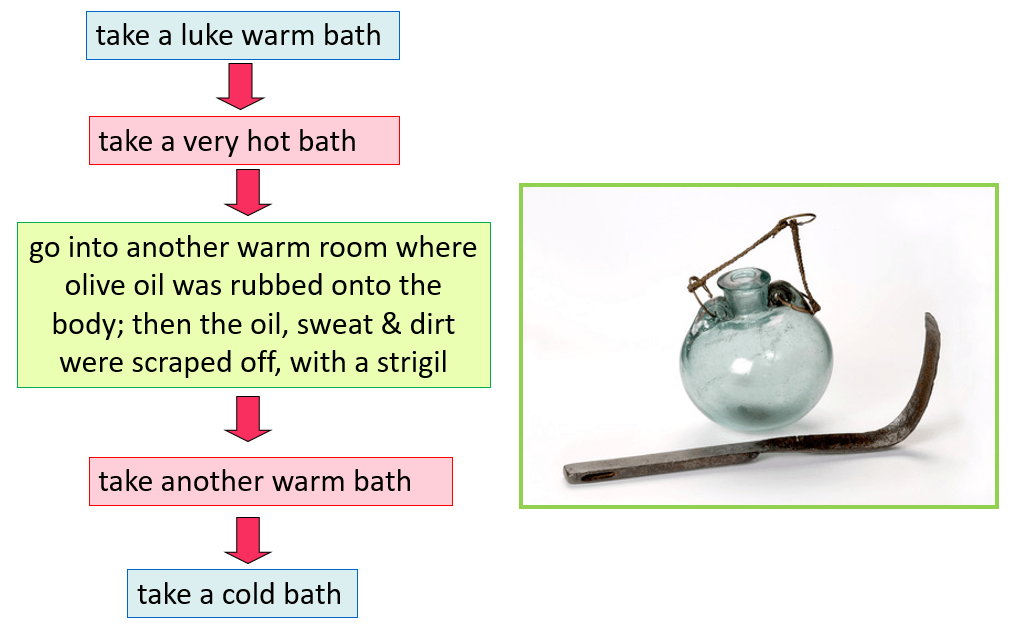
5.
(You need to complete the missing information on the flow-chart, on p.25, to show how Romans used the Roman Baths.)
SOLUTION:
6.
Let’s see what else we can learn from the following videos about the Roman Baths…
Roman Baths – Hypocaust System. (3:49 minutes long)
Roman Baths. (3:16 minutes long)
7.
a) Read the article below about the “Roman Bathing Complex”. (Scroll down to find the article…)
OR:
b) Pretend you are a Roman visiting the baths. When you returned home you wrote about your day in your diary… Make the diary inscription that Historians (learning about Roman Baths) will discover hundreds of years later! (200 words long)
Roman Bathing Complex
In ancient Rome, the apodyterium was the primary entry in the public baths, comprising of a large changing room with cubicles or shelves where citizens could store clothing and other belongings while bathing.
The tepidarium was the warm (tepidus) bathroom of the Roman baths heated by a hypocaust or underfloor heating system. The specialty of a tepidarium is the pleasant feeling of constant radiant heat which directly affects the human body from the walls and floor.
A caldarium was a room with a hot plunge bath, used in a Roman bath complex. This was a very hot and steamy room, heated by a hypocaust, an underfloor heating system. This was the hottest room in the regular sequence of bathing rooms; after the caldarium, bathers would progress back through the tepidarium to the frigidarium. In the caldarium, there would be a bath (alveus) of hot water sunk into the floor and there was sometimes even a laconicum (calveus) — a hot, dry area for inducing sweating. The Romans would use olive oil to cleanse themselves, by applying it to their bodies and using a strigil to remove the excess. This was sometimes left on the floor for the slaves to pick up or put back in the pot for the women to use for their hair.
The sudatorium was a vaulted sweating-room (sudor, sweat) of the large Roman bathing complexes, or thermae. In order to obtain the great heat required, the whole wall was lined with vertical terra-cotta flue pipes of rectangular section, placed side by side, through which hot air and smoke from the suspensura passed to an exit in the roof.
A frigidarium was a large cold pool at the Roman baths. It would be entered after the caldarium and the tepidarium, which were used to open the pores of the skin. The cold water would close the pores. There would be a small pool of cold water or sometimes a large swimming pool (though this, differently from the piscina natatoria, was usually covered). The water could also be kept cold by using snow.
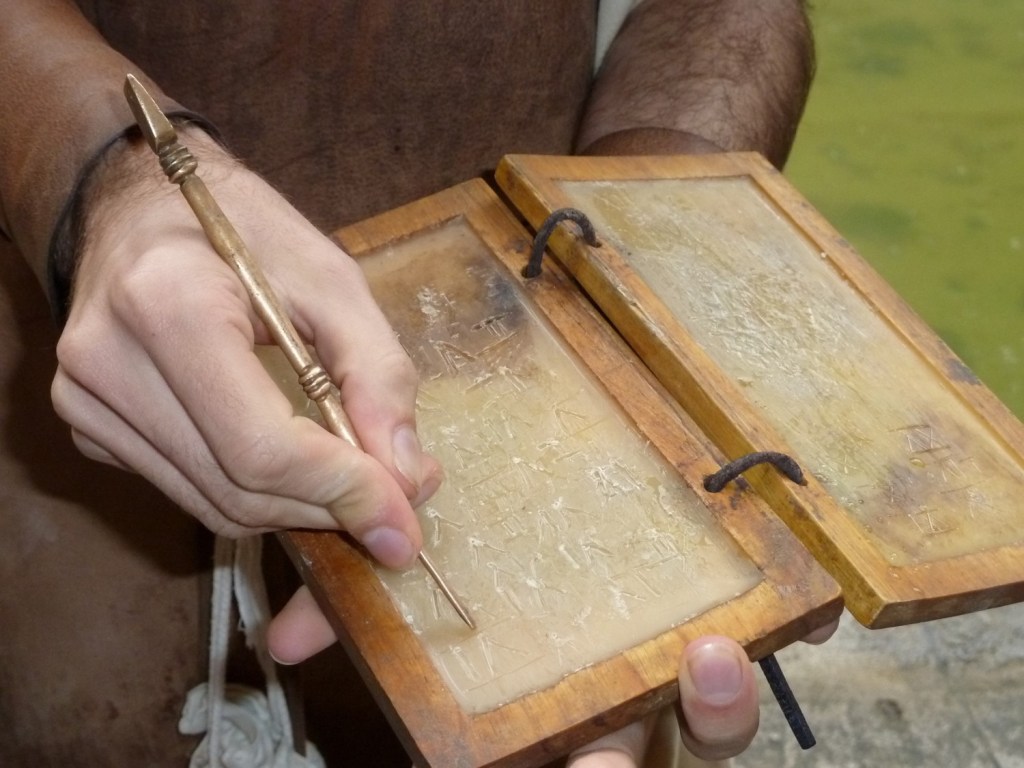
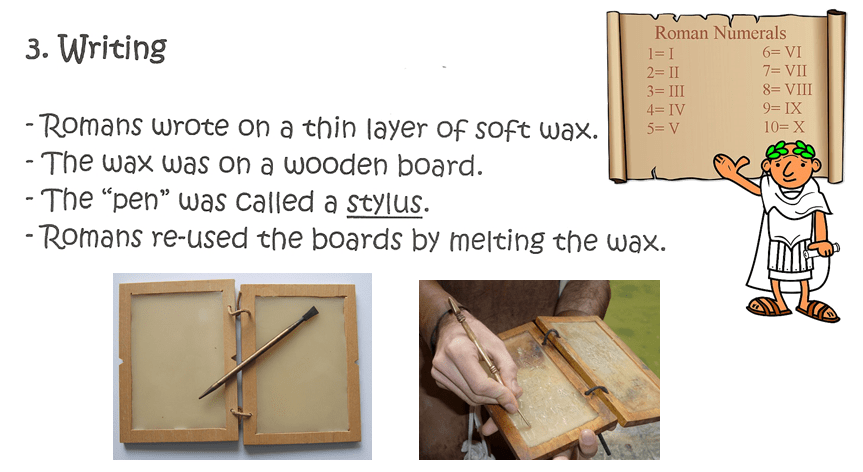
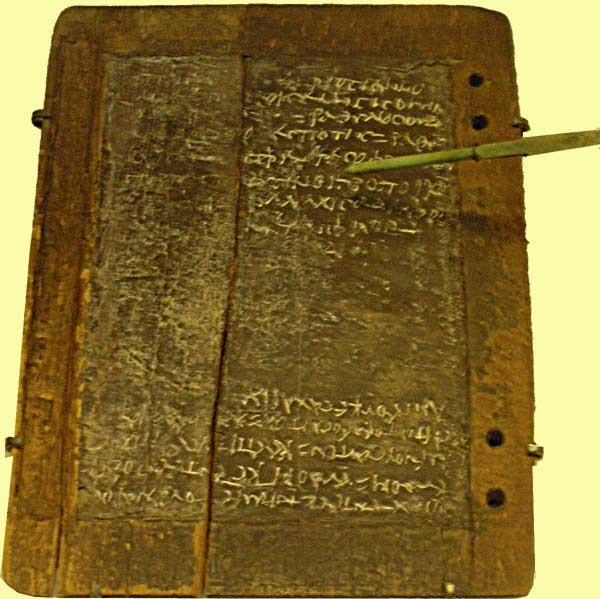
But this is not all… The Romans used a variety of tools for writing. Everyday writing could be done on wax tablets or thin leaves of wood. Documents, like legal contracts, were usually written in pen and ink on papyrus. Books were also written in pen and ink on papyrus or sometimes on parchment.
Papyrus
Papyrus, from which we get the modern word paper, is a writing material made from the papyrus plant, a reed which grows in the marshy areas around the Nile river.
Parchment
Parchment is a stiff, flat, thin material made from the prepared skin of an animal, usually a sheep or goat. It was used as a durable writing surface in ancient and medieval times.
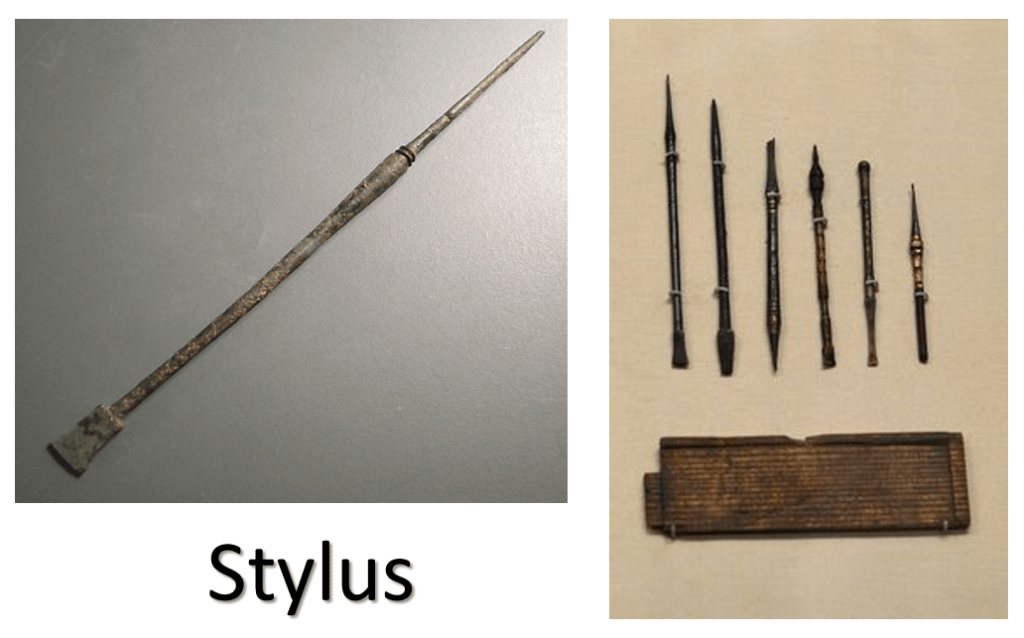
Below you can also see what the wax table and stylus looked like that Romans used to write with.
4.
Use the rest of the lesson to complete the questions on Roman Living (p.31), from the previous lesson.
Follow the order in which I give you instructions:
1.
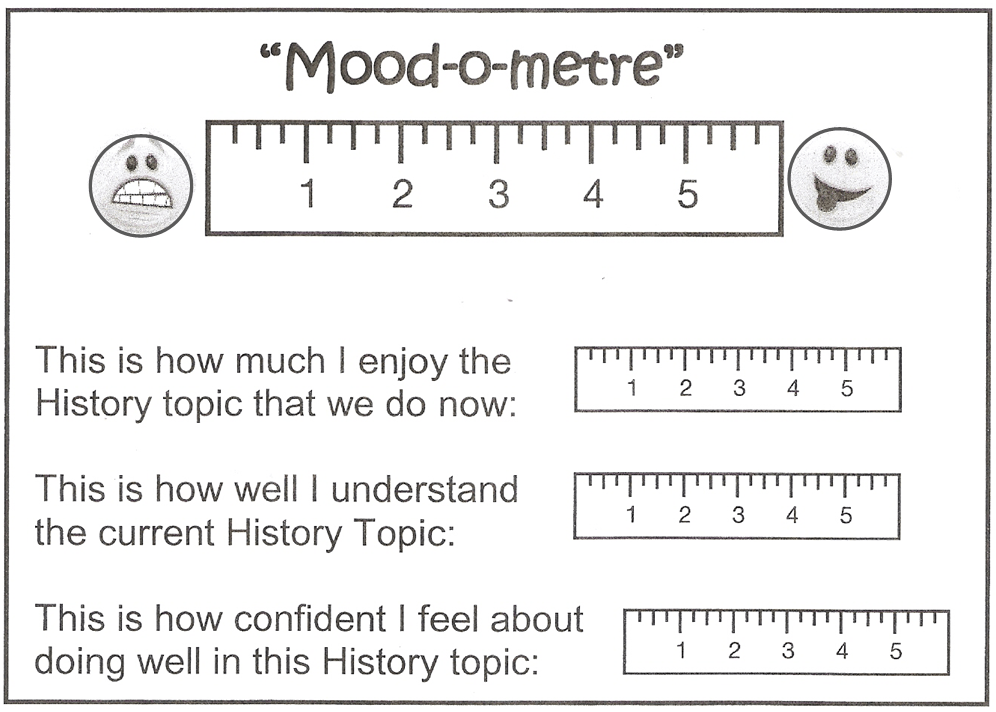
First, complete the “mood-o-metre” (on p.2) to show how you feel about the topic on “The First World War” …! (Feel free to also make any other relevant comments about this topic.)
2.
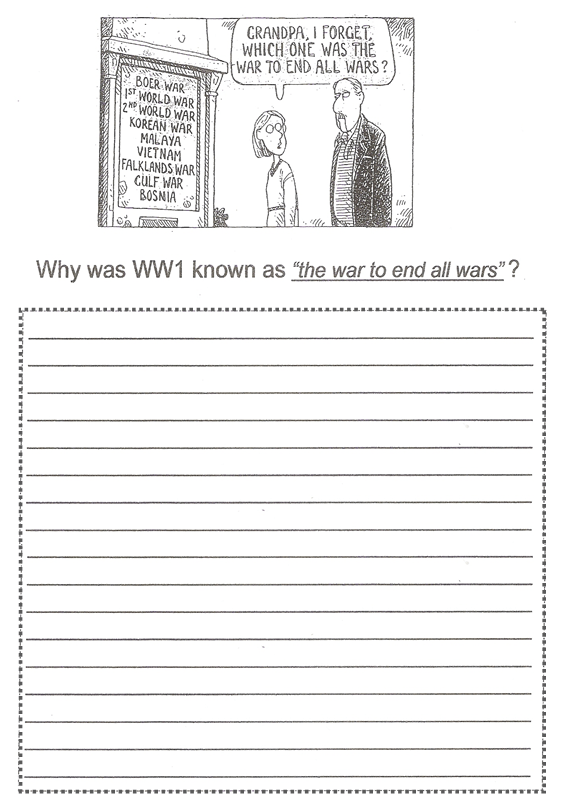
Complete the question (started in the previous lesson) about “the war to end all wars” (p.39) now in your workbook. Answer this question in great detail!
You are required to complete an assessment project for this topic… Below are some details. However…
Also consult Schoology Assignments for the due date and also for more details about this project…
Project
You will do an assessment project on WW1.
You have a number of options:
1. Make a VIDEO.
Make a video using the song “The Green Field of France” as background music…
(You can find the music as a mp-3 file on Schoology.)
The video must either be on “The Horrors of WW1”, with relevant images.
Or, the video must comprise of images that tell the story of Willie McBride.
The video must be the length of the song – i.e. about 5 minutes long.
(Please take note: this must NOT be a mysimpleshow video!)
—&&&—
2. Write an ESSAY.
Answer the following question: “Why did WW1 last so long?”
Your answer must have a short introduction, a few paragraphs that explain the reasons why WW1 lasted so long, and a conclusion paragraph.
(Homework Task 9 on WW1 [p.23-25], that you have completed a while ago, will greatly help you…!)
The essay must be about 1½ pages long.
—&&&—
3. Write a POEM.
Write a poem about one of the following:
WW1 lasting so long
The Horrors of WW1
Pointless suffering of WW1
The poem must be about 300 words long.
—&&&—
How does one do these things…?
Here is some useful advice!
How to make a video…
Making a video with PowerPoint. (1:56 minutes long)
How to write an essay…
Essay Writing Advice. (3:11 minutes long)
How to write a poem…
What makes a poem … a poem? (5:55 minutes long)
This song can also be seen as a poem…
The Green Fields of France (No Man’s Land)
Oh how do you do, young Willie McBride Do you mind if I sit here down by your graveside? And rest for a while in the warm summer sun I’ve been walking all day, and I’m nearly done
And I see by your gravestone you were only nineteen When you joined the great fallen in 1916 Well, I hope you died quick, and I hope you died clean Oh Willie McBride, was is it slow and obscene?
Did they beat the drums slowly? Did they play the fife lowly? Did they sound the death march as they lowered you down? Did the band play the last post and chorus? Did the pipes play the flowers of the forest?
And did you leave a wife or a sweetheart behind? In some loyal heart is your memory enshrined? And though you died back in 1916 To that loyal heart you’re forever nineteen
Or are you a stranger without even a name? Forever enshrined behind some old glass pane In an old photograph torn, tattered, and stained And faded to yellow in a brown leather frame
Did they beat the drums slowly? Did they play the fife lowly? Did they sound the death march as they lowered you down? Did the band play the last post and chorus? Did the pipes play the flowers of the forest?
The sun shining down on these green fields of France The warm wind blows gently and the red poppies dance The trenches have vanished long under the plow No gas, no barbed wire, no guns firing now
But here in this graveyard that’s still no man’s land The countless white crosses in mute witness stand To man’s blind indifference to his fellow man And a whole generation were butchered and damned
Did they beat the drums slowly? Did they play the fife lowly? Did they sound the death march as they lowered you down? Did the band play the last post and chorus? Did the pipes play the flowers of the forest?
And I can’t help but wonder, oh Willie McBride Do all those who lie here know why they died? Did you really believe them when they told you the cause? Did you really believe that this war would end wars?
Well, the suffering, the sorrow, the glory, the shame The killing and dying it was all done in vain Oh Willie McBride, it all happened again And again, and again, and again, and again
Did they beat the drums slowly? Did they play the fife lowly? Did they sound the death march as they lowered you down? Did the band play the last post and chorus? Did the pipes play the flowers of the forest?
Bogle Eric – The Green Fields of France (No Man’s Land)
See Schoology Assignments for the due date and also for more details about this project…
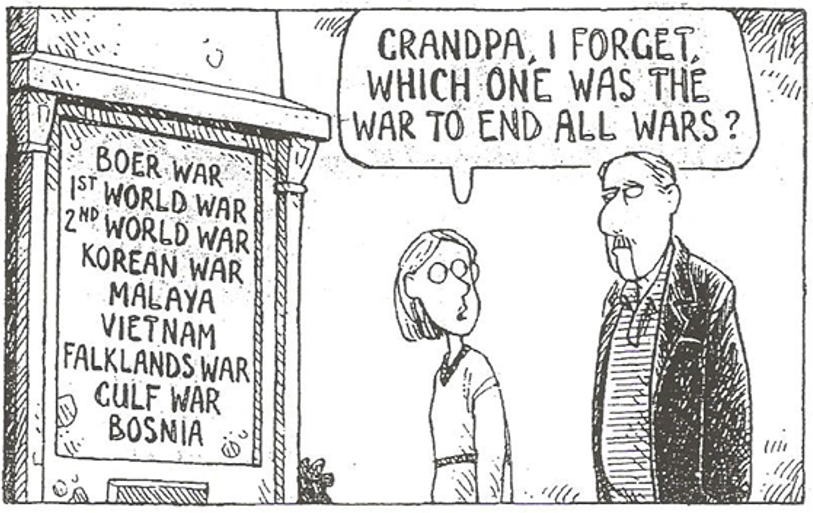
Today we are going to examine why WW1 was considered to be “the war to end all wars”…
Follow the order in which I give you instructions:
1.
Look at the following film clips of WW1. A special technique was used to make the original footage in colour.
WW1 brought to life in colour. (2:17 minutes long)
Life is all about the future, but you should actually pause every now and again and take a little bit of time every now and again to have a think about you family and your past because we all share the DNA of those soldiers.
film maker Peter Jackson
2.
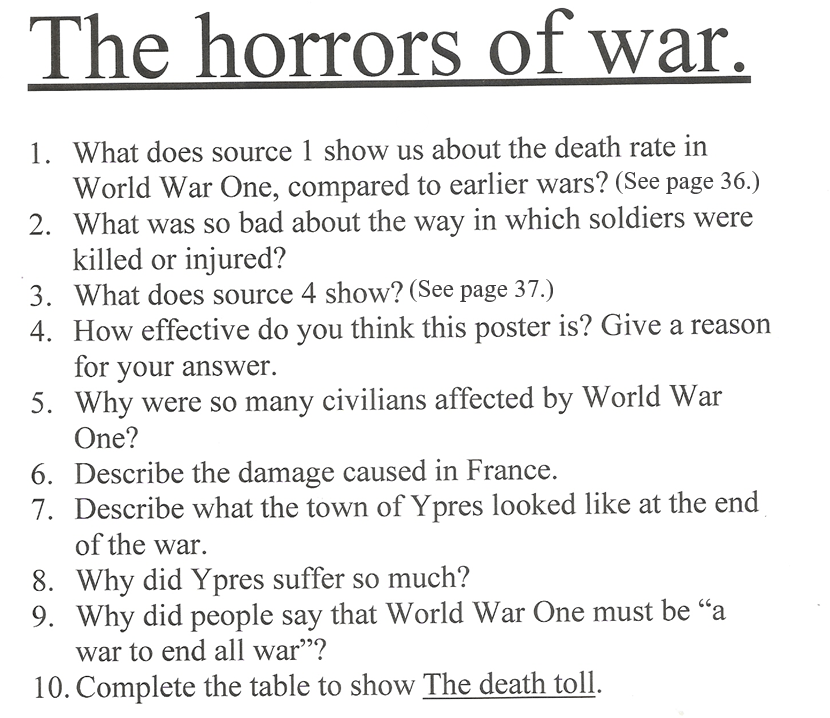
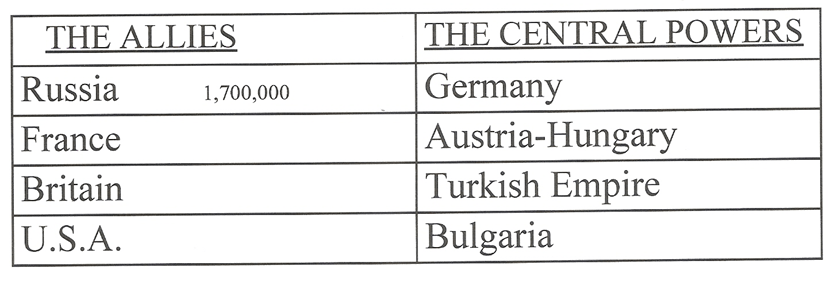
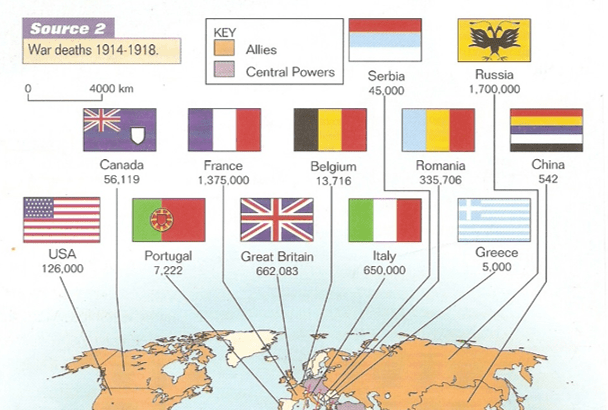
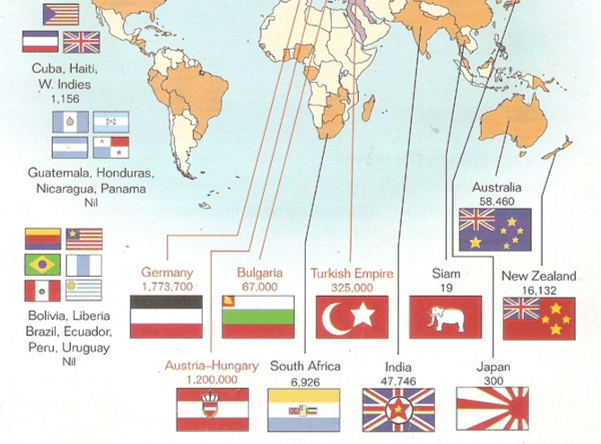
With regard to the WW1 footage in colour: it all looks good and beautiful… But was it? Sadly, no. WW1 was one of the worst wars ever. For example, the death toll of WW1 was enormous! (See diagram below.)
3.
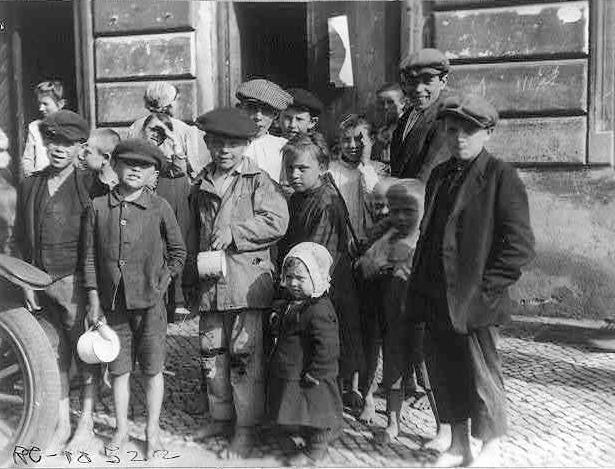
WW1 was the first war that directly affected civilians. Towns and farms were destroyed and blockades caused drastic shortages in consumer goods and food supplies.
4.
Soldiers who survived were often permanently carrying the effects of the trauma they suffered.
Emotional scars… A soldier comforts a fellow soldier who has shell shock.
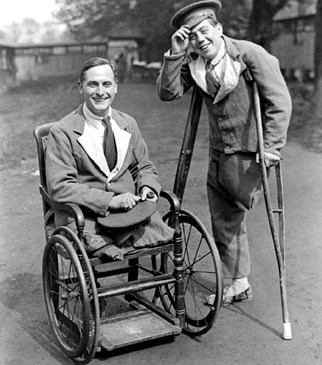
Soldiers suffered injuries that maimed them for life…
5.
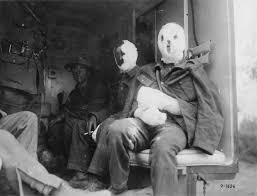
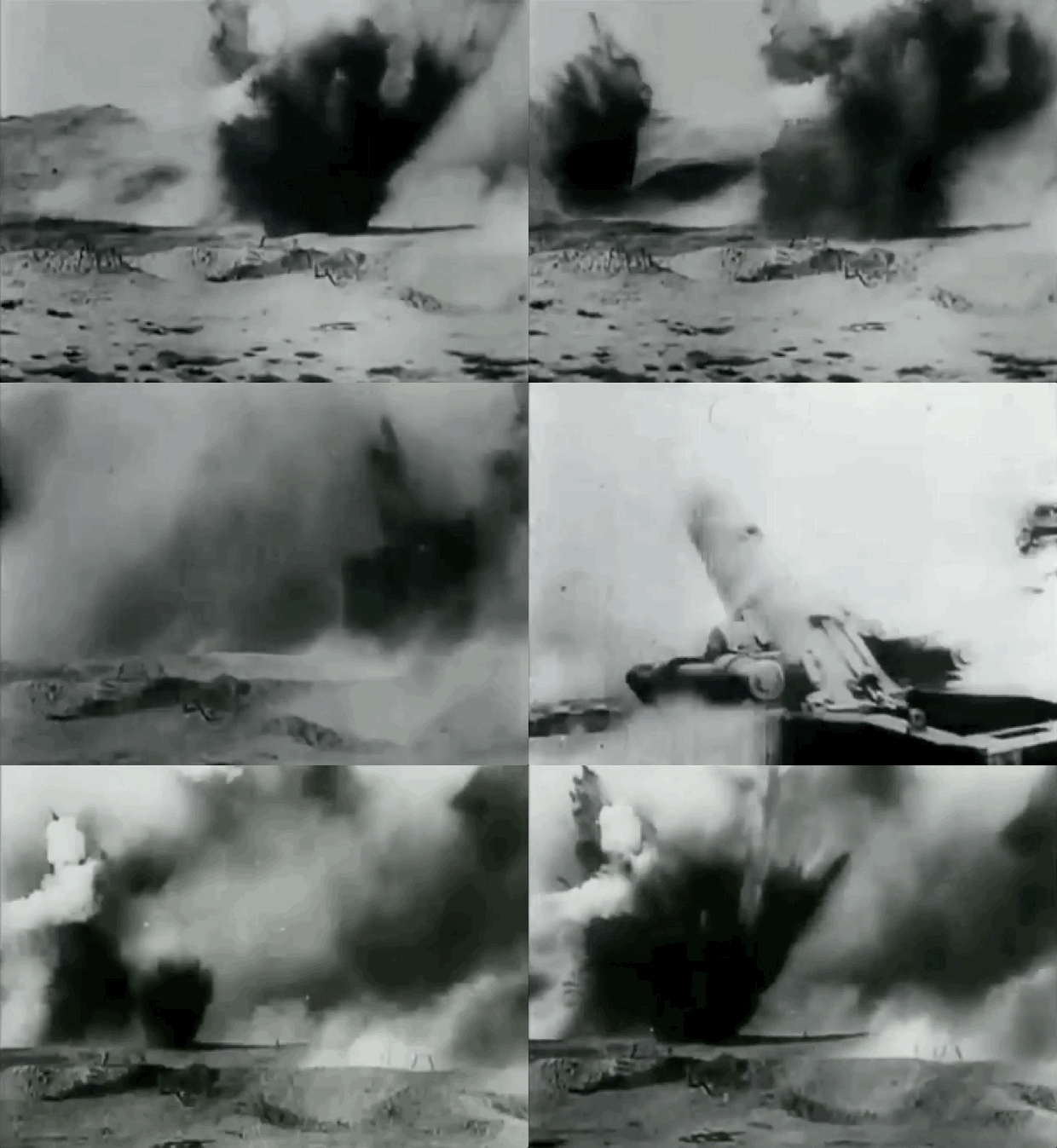
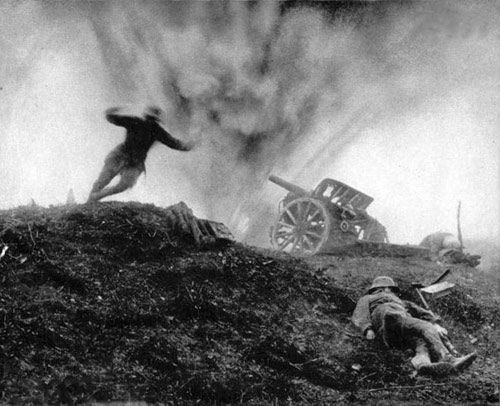
The way in which people died was horrific!
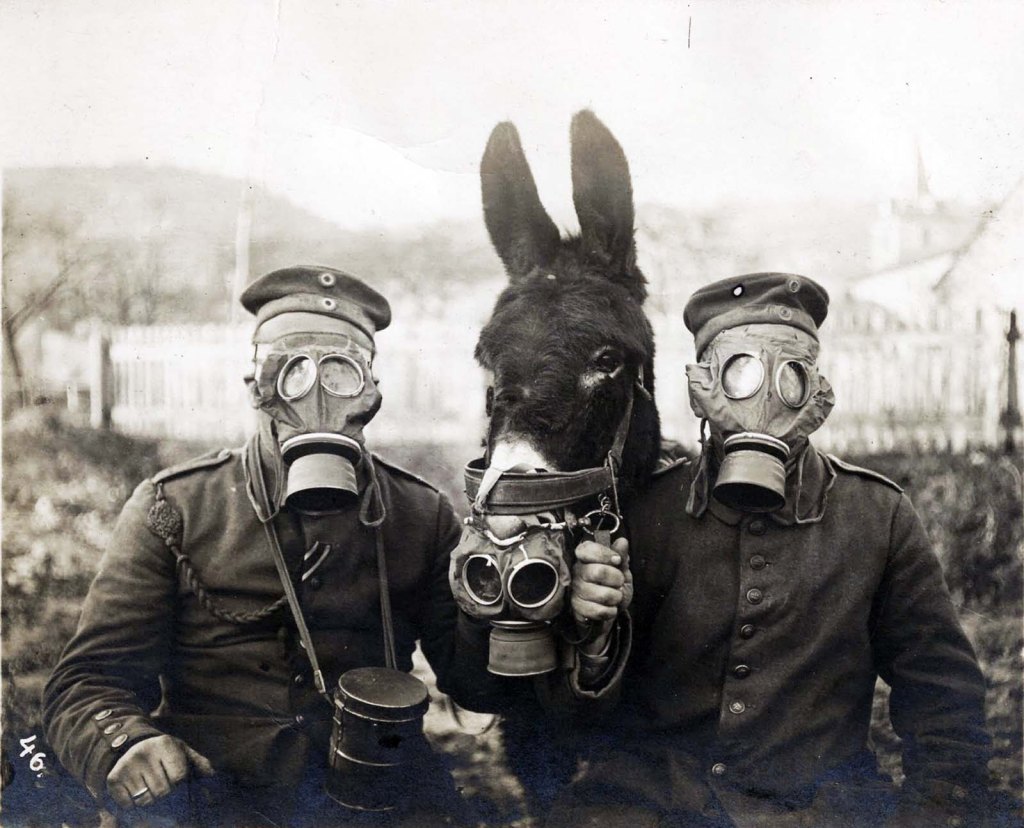
Poison Gas…
Explosions…
6.
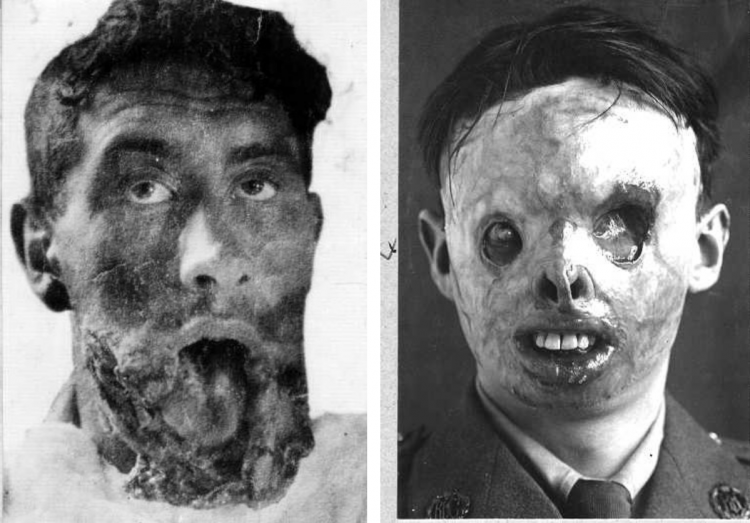
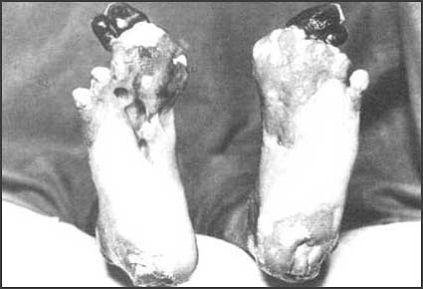
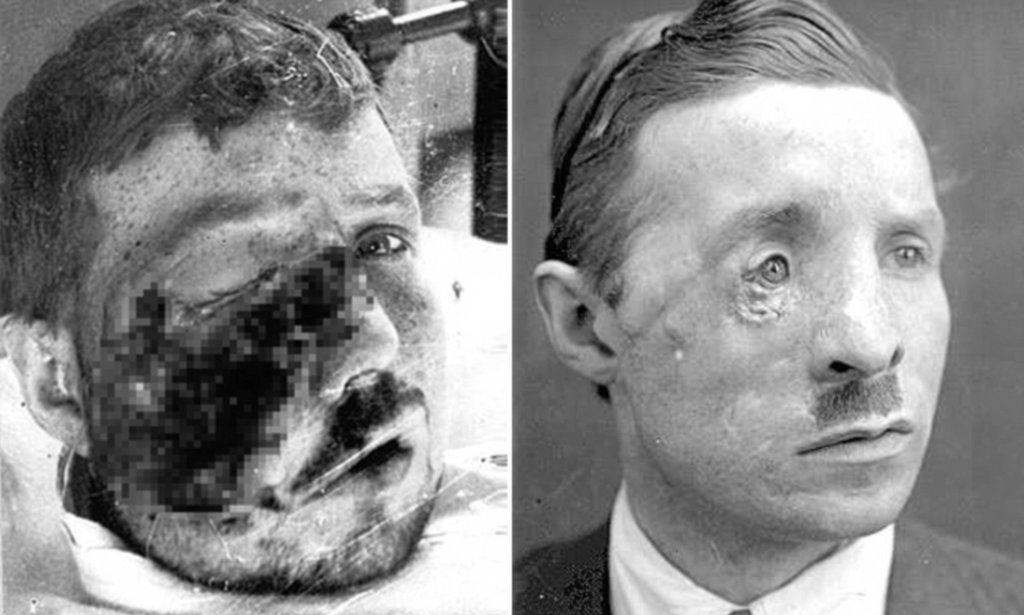
People suffered terrible injuries…
Warning – the images below may be upsetting…
7.
The war was so horrific that people at the time thought it will cause humanity never to get involved in another war again…
But sadly WW1 was not the last war. And so many lives were lost in vain…
And I can’t help but wonder, oh Willie McBride
Bogle Eric
8.
Let’s see what your book can tell us about the horrors of WW1.
p.36-37
9.
Make sure that you know the definitions on p.40-41 of your workbook!
10.
Look at the video below – it shows some of the horrors of WW1…while telling a story of just one young soldier who lost his life in WW1 – ONE young soldier – millions died!
(Video background music is The Green Fields Of France (No Man’s Land) – also known as the “Willie McBride” song… listen carefully to the lyrics as you watch the video. )
The Horror’s of War (WWI). (4:46 minutes long)
Click on the play button below to watch this video in YouTube.
11.
The Horror’s of War (WWI). (4:46 minutes long)
12.
If there is still time, complete the question about “the war to end all wars” (p.39) now in your workbook. Answer this question in great detail!
Give very brief answers to the questions about the film (p.22-23).
4.
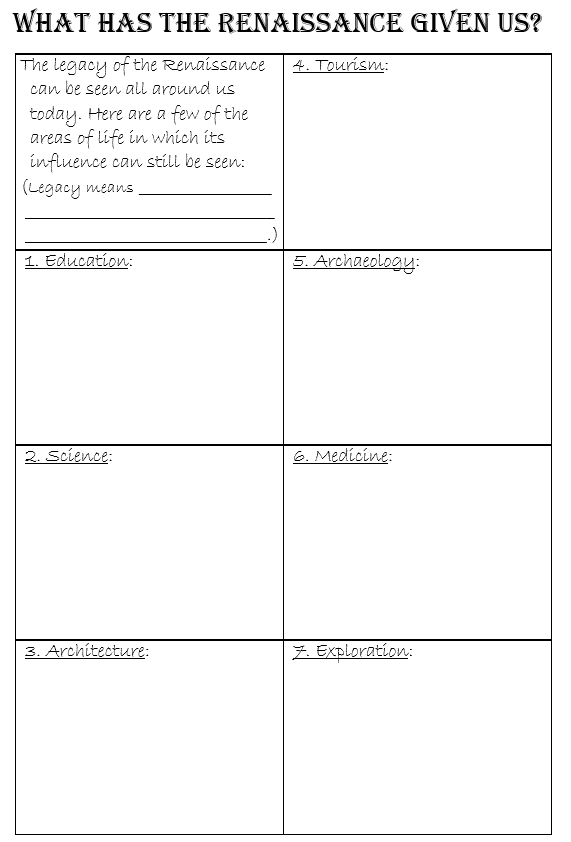
Now, let’s see why the Renaissance is important – how does it affect us today? What is the legacy of the Renaissance?
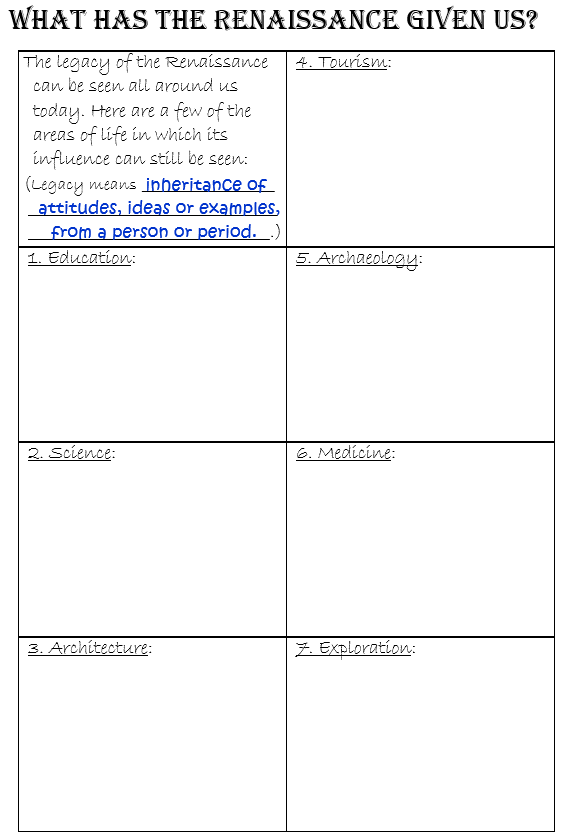
“Legacy refers to what is inherited from a person (or period) in terms of attitudes, ideas or examples”.
The Legacy of the Renaissance. (1:51 minutes long)
5.
Stick the worksheet on “What has the Renaissance given us?” into your purple book.
6.
Then copy the definition of “legacy” onto the table:
7.
Now, for each of the boxes / categories (on the table above) write a sentence of your own to explain the legacy of the Renaissance. Page 26 in your Workbook may help…
In addition, you may need to do a bit of research to complete the last two boxes…
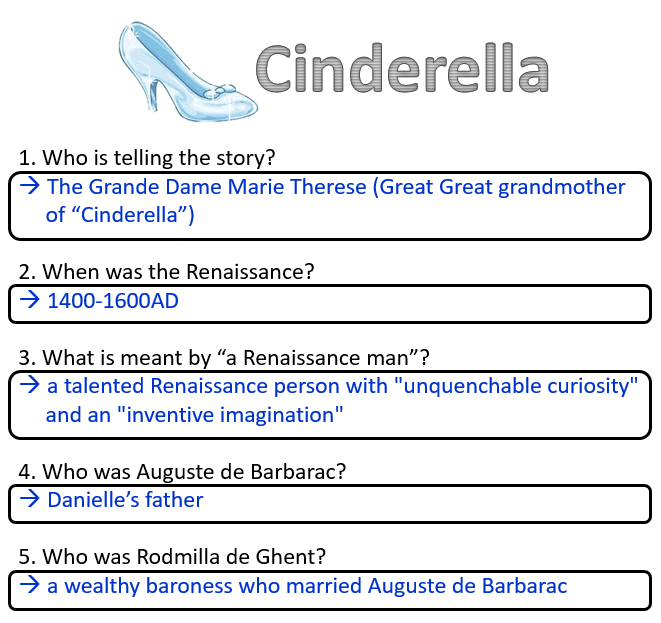
Today you are going to watch the final “episode” of the film about the real Cinderella…
Follow the instructions step by step:
1.
Here is a reminder of the events in the previous episode:
Danielle and the prince were attacked by the gypsies and then joined their camp for a party. The next day, Danielle attacked Marguerite because she stole Danielle’s late mother’s dress and shoes for the ball. Marguerite forced Danielle to surrender her mother’s glass slippers, and also burnt Danielle’s precious book! Moreover, Rodmilla had Danielle whipped. Fortunately, Jacqueline tended to Danielle’s wounds.
Later, everyone excepts Danielle got ready for the ball. This is because Danielle was locked in the pantry as she refused to tell Rodmilla and Marguerite where she had hidden the gown and shoes. Fortunately, Leonardo freed Danielle and made her a pair of wings to wear, with her mother’s dress and slippers, to the ball. There, Danielle tried again to tell Henry the truth, but Rodmilla exposed her fraud and Henry rejected her. Humiliated, Danielle ran away, leaving a slipper behind…
2.
Here are a few interesting bits of information about the film:
Trivia (from Part 3)
-1-
Despite being stepsisters of the same ages as adults in this movie, this is untrue for Danielle and Marguerite in real life. In fact, in real life Megan Dodds who plays Marguerite is 5 years and 7 days older then her co-star, Drew Barrymore, who plays Danielle.
3.
Here are a few interesting factual errors…
Goofs
-1-
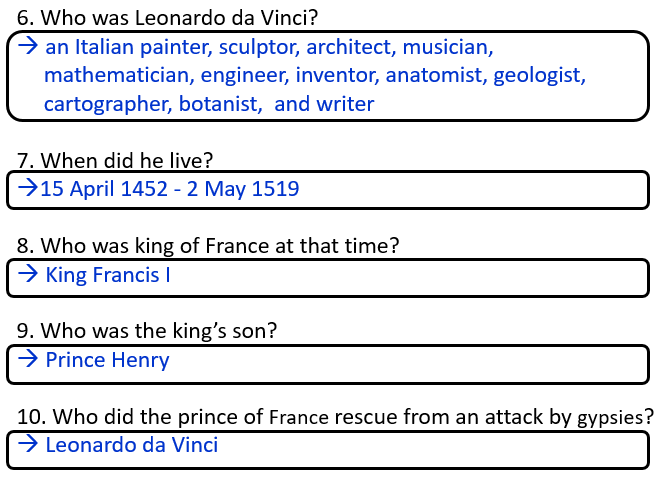
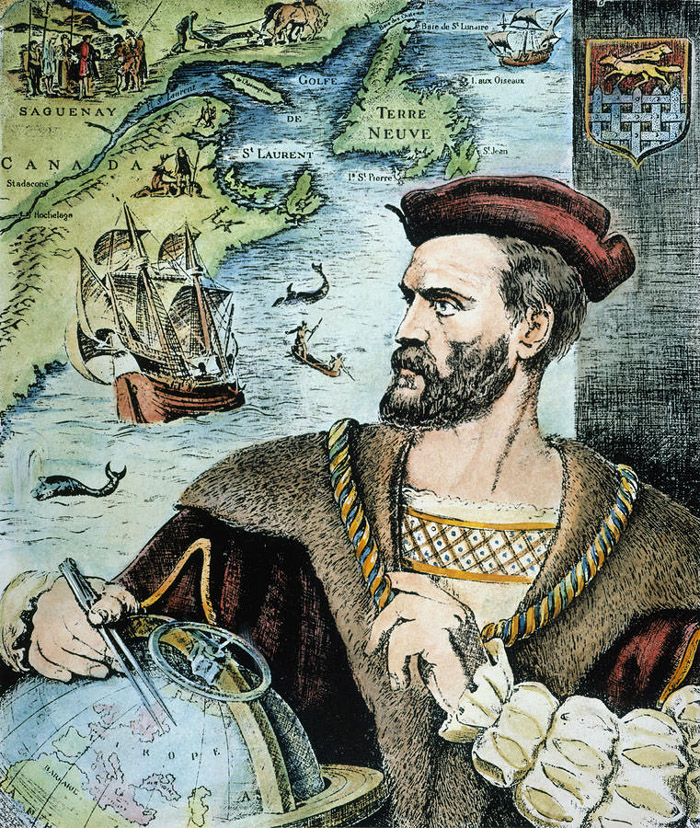
The ages of King Francis I and Prince Henry and references to Jacques Cartier’s voyages to America, set the movie in about 1540, when Prince Henry was 21. However, the movie also depicts Leonardo da Vinci coming to France at the invitation of King Francis. Da Vinci came to France in 1516 and died there in 1519, the same year Prince Henry was born, and 15 years before Cartier first sailed to North America.
-2-
The University of Paris, the first university in France, was fully established by 1200, not the late 1500s. (This building was designed in the 1700’s.)
-3-
King Francis is depicted as being elderly. However, he was only around 25 when Leonardo da Vinci passed away.
4.
Anachronisms
And a few interesting anachronisms…
-1-
All the shoes have a left foot and a right foot. That practice was invented by King George IV of England, who ruled from 1820 until 1830, much later than the movie is set.
-2-
Throughout the film, Rodmilla mentions Jacqueline’s weight as if it is bad. However, in that time period, curvy women were considered more beautiful, as it showed they didn’t need to work.
-3-
Throughout the film, Leonardo da Vinci is referred to as “Signor da Vinci,” and “da Vinci.” While referring to the artist as “da Vinci” has become acceptable in modern vernacular, the term means “From Vinci,” and is not a surname. Da Vinci would not have been used alone to refer to Leonardo during his lifetime; he would have been called simply “Leonardo” or “Leonardo da Vinci.”
5.
In the next part of the film (Episode IV) Henry resigns himself to marrying Gabriella, but realizes she also loves someone else… So, he searches for Danielle, but she is no longer at her father’s manor… Eventually he finds her and they all live happily ever after. Or do they?
Now, watch “Episode 4” by accessing it in Schoology Materials. (This final “episode” is 25:49 minutes long.)
IMPORTANT:First make sure that you are logged into your School Gmail account.
Then open Schoology to access the link to the film.
Remember to look out for anything that relates to what you have learnt about the Renaissance!
If, for some reason, it does not work, click on the square (at the top right) in the schoology page for “Episode 4” – then the video should work. It looks like this:
6.
Here are more interesting bits of information about the film:
Trivia (from Part 4)
-1-
Henry almost marries a Spanish Princess. The real life Prince Henry was related to the Spanish Royals as his step mother Eleanore (his mother Marie in the movie) was the granddaughter of Fernand and Isabella of Spain through her mother Joanna.
-2-
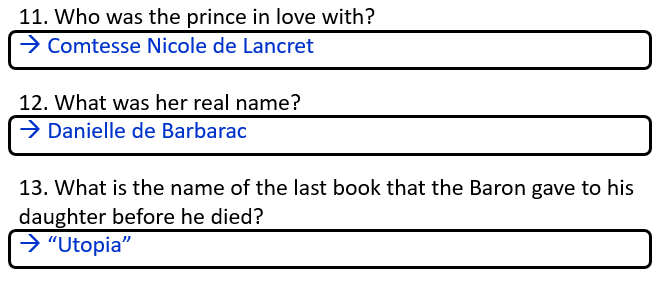
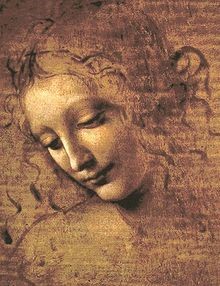
Danielle’s portrait, which Leonardo da Vinci paints in the film, is actually modeled after another da Vinci work, “La Scapigliata” (also known as “Testa di fanciulla detta la scapigliata”). In English the portrait is known as Head of a Woman.
It is an unfinished work by Leonardo da Vinci, dating from around 1508. Its Italian name, La Scapigliata, literally means “The lady of the dishevelled hair”. It is therefore fitting that this painting is the “portrait” of the fierce, adventurous Danielle.
-3-
In the original Grimm version, the stepmother/daughter had their eyes pecked out by birds. In this version stepmother/daughter are forced to work in a laundry type of place. Usually these places use lye as soap and after prolonged use, would cause blindness in the laundresses.
7.
And a few interesting factual errors…
Goofs (from Part 4)
-1-
In the film, Prince Henry marries Danielle. In real life, he married Catherine de Medici of Italy, a noblewoman from Florence, in 1533. They were both 14, and had 10 children. Henry II also had 3 illegitimate children.
-2-
In real life, Henry II of France was the 2nd son of King Francis I. He became heir to the throne in 1536, when his older brother, Francis, died.
-3-
At the end the Grande Dame refers to her “great-great-grandmother’s portrait”. Given the approximately 250-year gap between Danielle and the Grande Dame, that comes out to about 62 years between generations. It’s barely possible, and highly unlikely, that there would be that few generations between them.
8.
Some great quotes from this film:
I kneel before you not as a prince, but as a man in love… But I would feel like a king if you… would be my wife.
henry
And we, princess, are supposed to live happily ever after.
henry
My great-great-grandmother’s portrait hung in the university up until the Revolution. By then, the truth of their romance had been reduced to a simple fairy tale. And, while Cinderella and her prince did live happily ever after, the point, gentlemen, is that they lived.
grand dame
9.
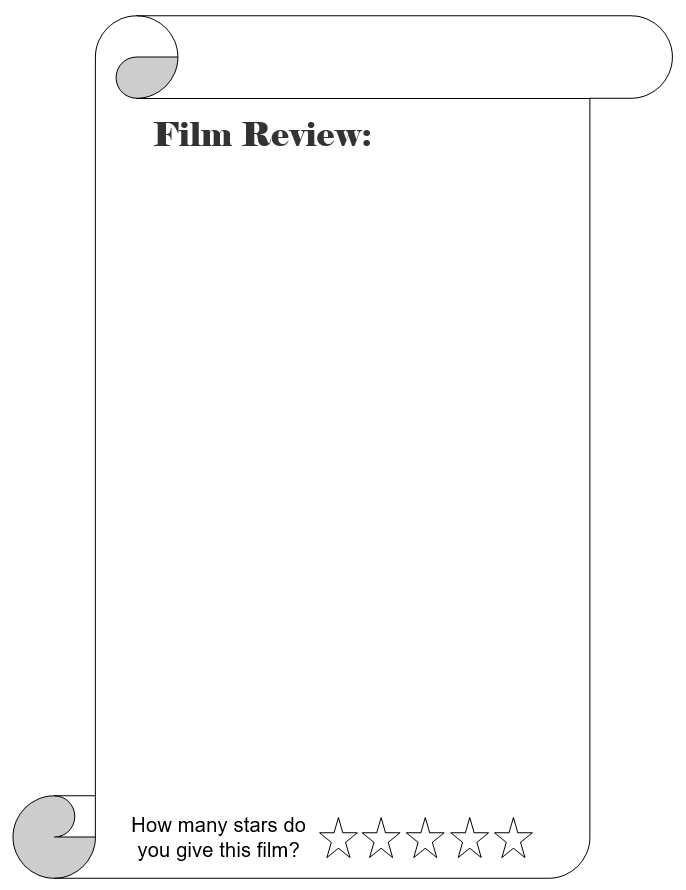
Now, complete the film review on Cinderella.
Also show how many stars you give this film, by coloring in the number of stars that you think the film deserves.
Here are some ideas for your film review:
Say what you liked (and why).
Say what you did not like (and why).
Say if you learnt anything (and what).
Would you recommend it to future students learning about the Renaissance?
10.
Renaissance references:
In the scene where Danielle is getting ready to dress up as a courtier for the first time, she is with Gustave and appears to be in his studio. On his easel you can see a painting of an older lady wearing the dress Danielle is about to put on as part of her guise. This would suggest that Danielle is “borrowing” this dress from Gustave’s rich patron.
What other Renaissance references can you point out…?
IDEAS:
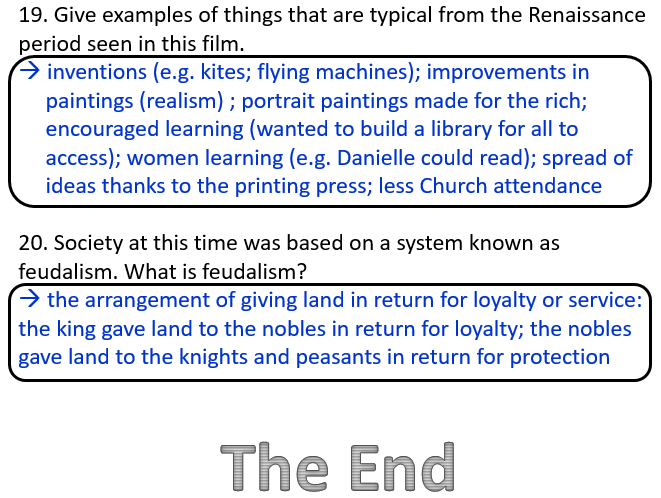
inventions (like kites and flying machines);
improvements in paintings: realism;
portrait paintings made for the rich;
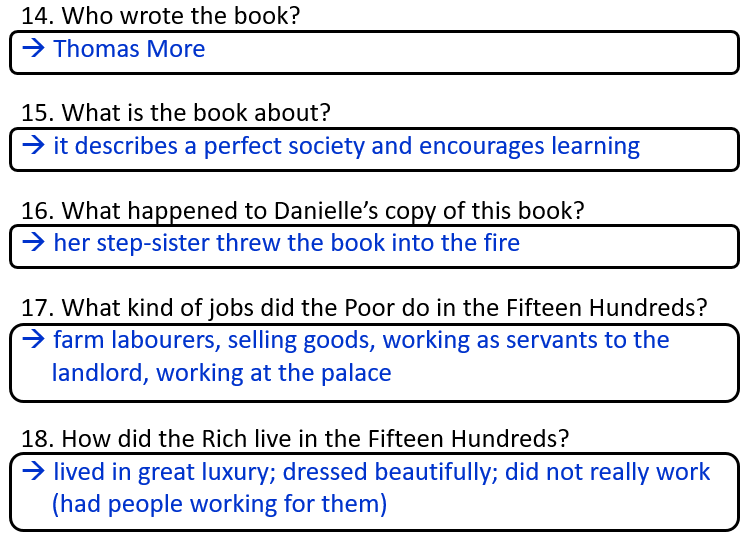
encouraged learning for all (the prince wanted to build a library for all to access);
women learning: Danielle could read;
spread of ideas by means of the printing press producing mass numbers of books
11.
“Ever After – a Cinderella story” – Historical context.
While the story is fictional, it involves several historical figures, places and events. The film is set in the 16th and 19th centuries and features the presences of Francis I, King Henry (later Henry II of France), Leonardo da Vinci, The Brothers Grimm, as well as allusions to the explorer Jacques Cartier, fairy tale collector Charles Perrault, the French colonies in the New World, and the French Revolution.
Though the main portion of the film takes place in early 1500s France, the royals shown are most likely not meant to be the historical figures for which they are named. King Francis I summoned Leonardo da Vinci to his court around 1516, 3 years before King Henry II was born; neither of King Francis I’s wives were named Marie (the first was named Claude and the second Eleanor).
King Henry II was married to Catherine de’ Medici at the age of 14, and had no known children with Diane de Poitiers, a French noblewoman of great influence and the historical figure most likely represented by Danielle. The characters are not meant to be historically accurate figures themselves, but perhaps instead to inspire curiosity about their historical counterparts.
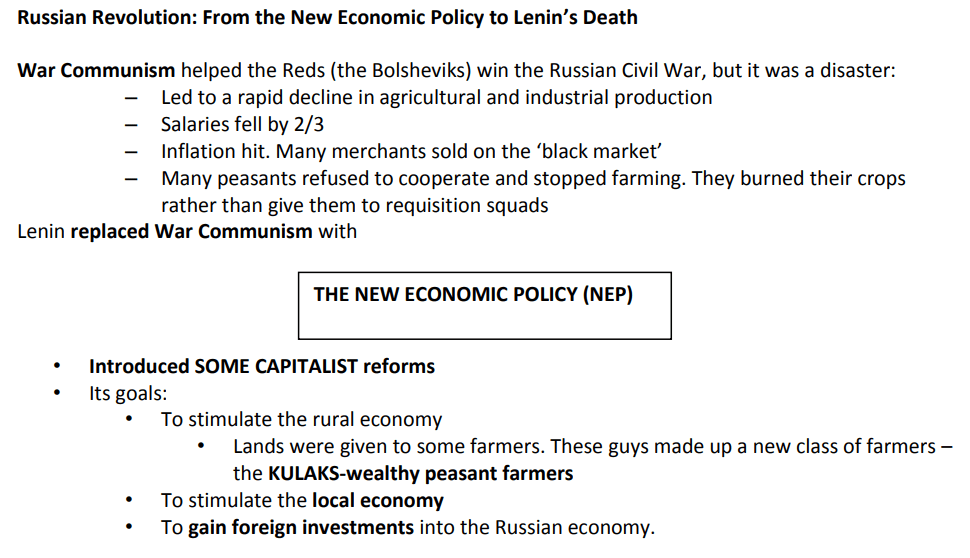
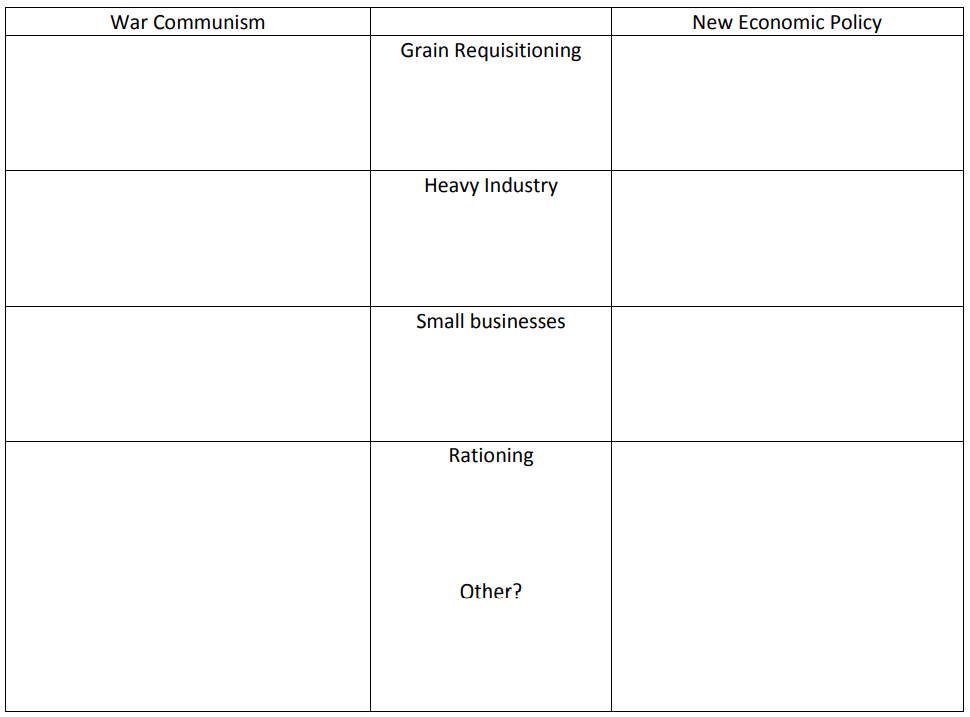
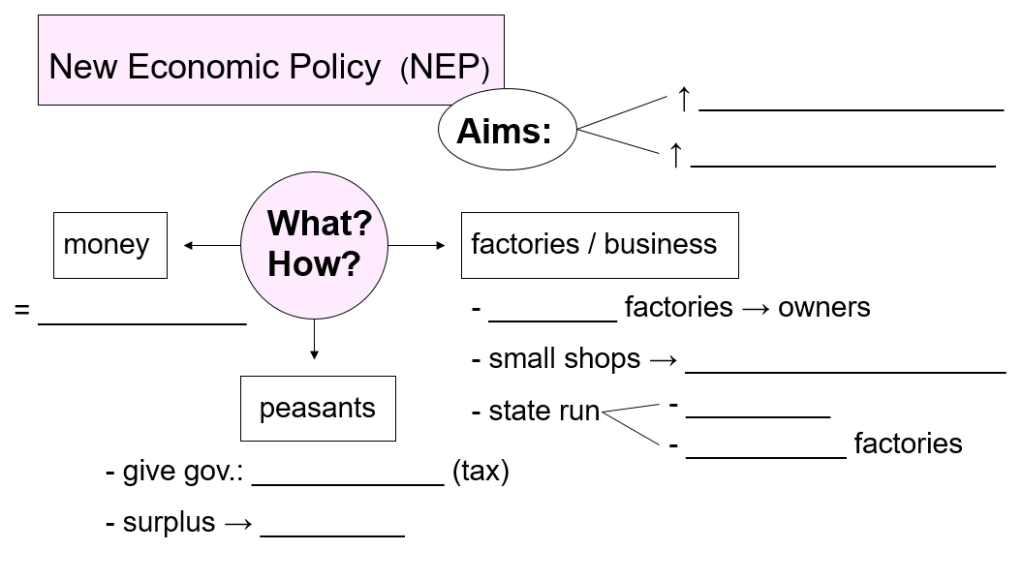
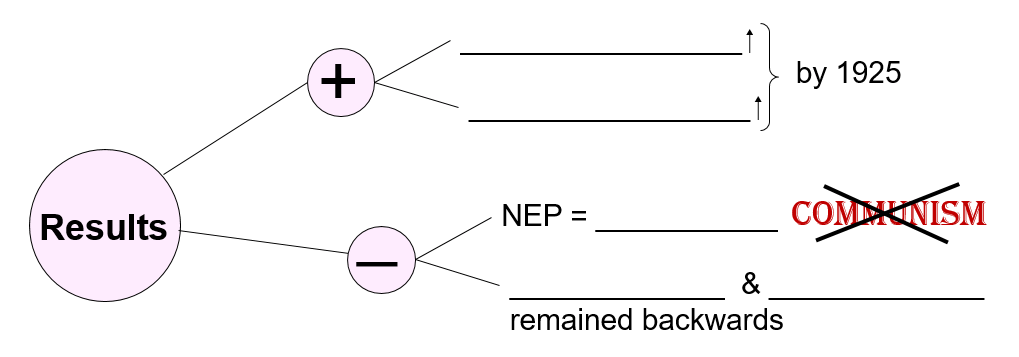
Today you are going to complete the tasks (given in the previous lesson) in order to determine the impact that War Communism and the N.E.P. had on Russia!
1.
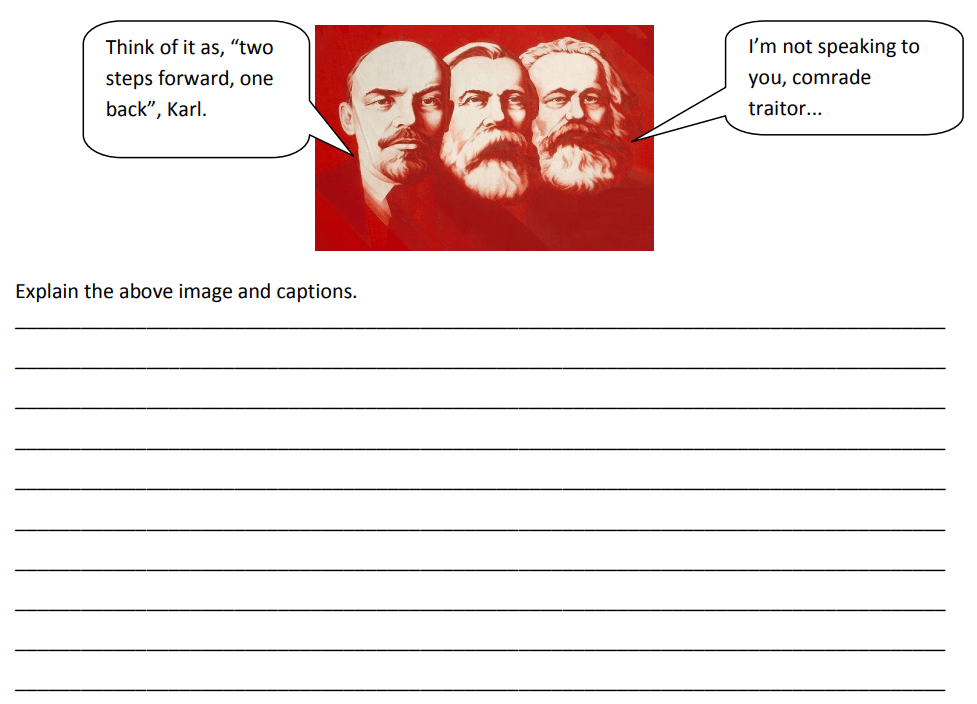
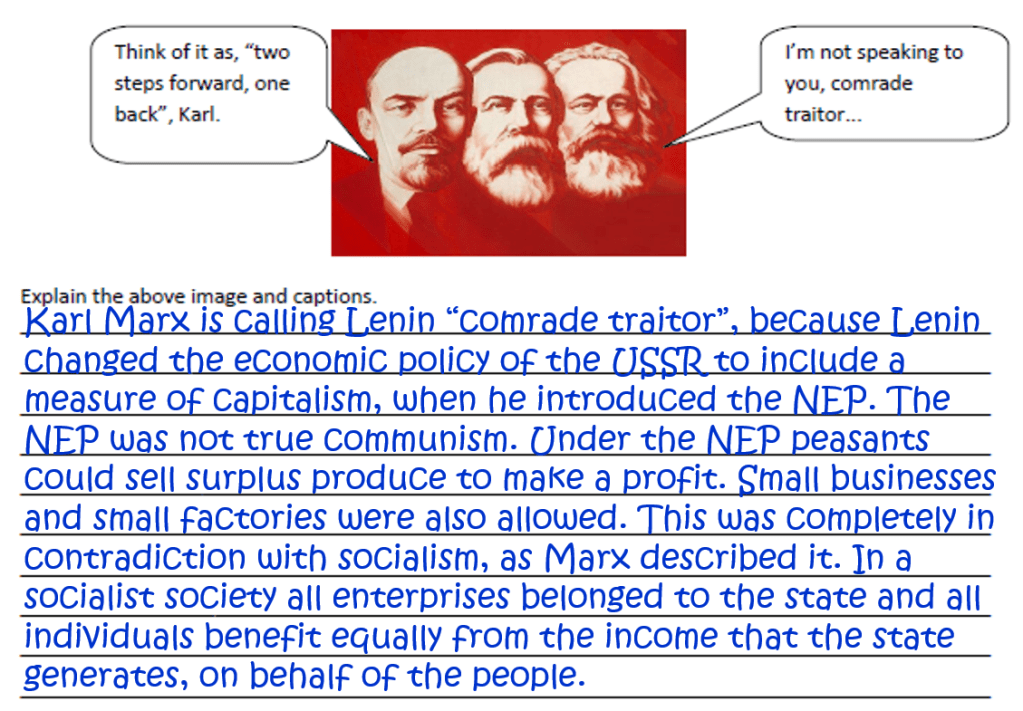
In the previous lesson your started doing a worksheet on War Communism and the New Economic Policy. In this lesson you will continue with the tasks on this worksheet. However, first watch the following videos as they may help you with ideas when explaining the image of Lenin, Marx and Engels…
Karl Marx – Philosopher & Revolutionary Socialist – Mini Bio. (3:44 minutes long)
Marx and Engels. (1:02 minutes long)
Noam Chomsky – Marxism vs Leninism. (3:33 minutes long)
2.
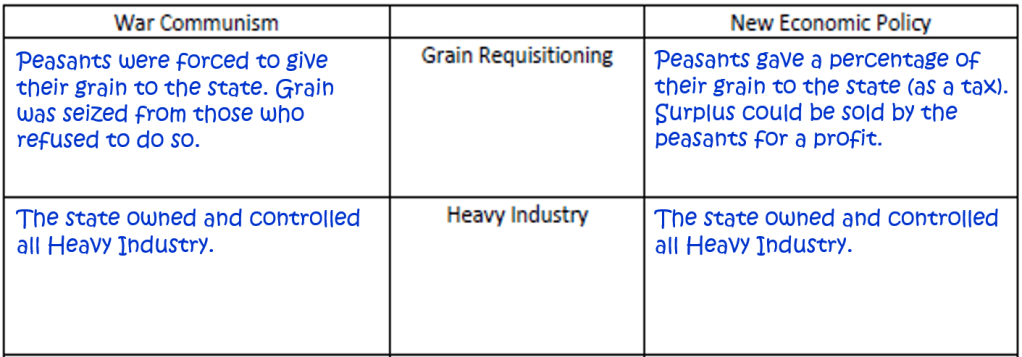
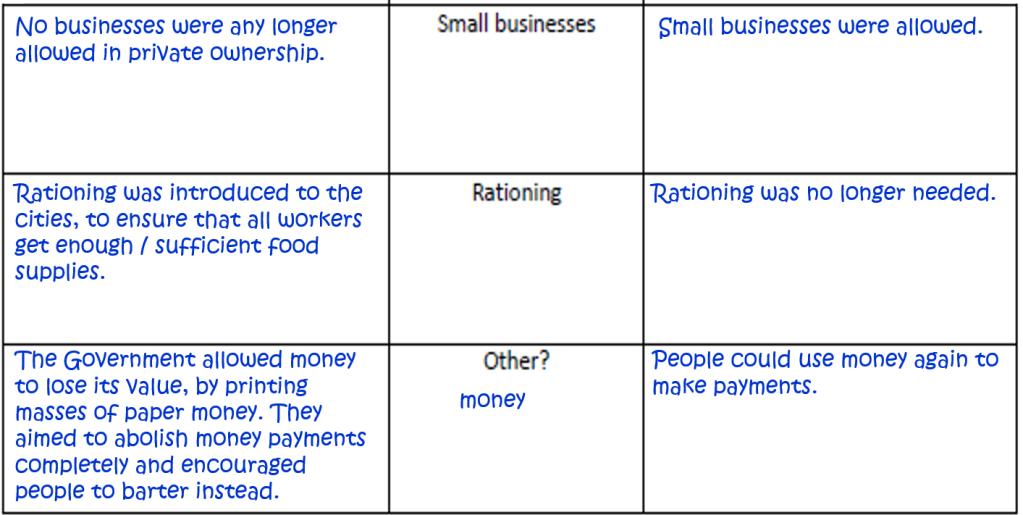
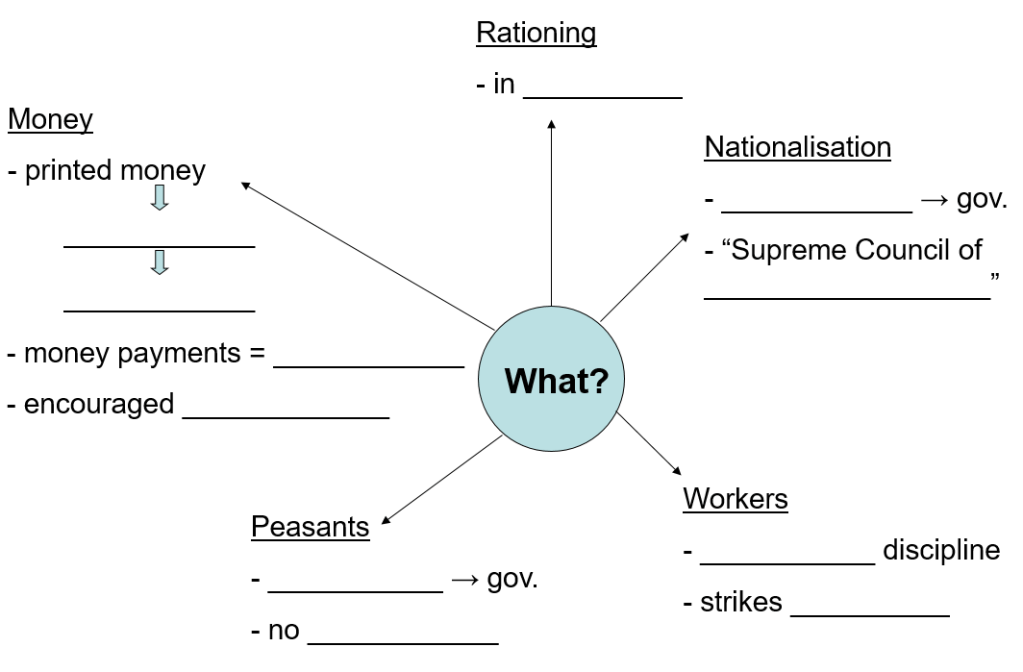
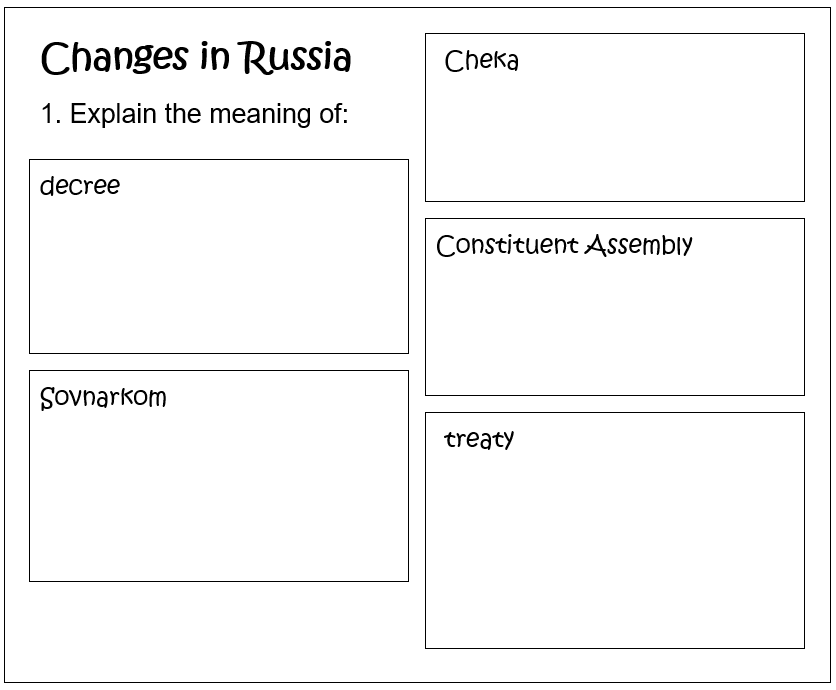
Now, complete the worksheet on War Communism and the New Economic Policy:
3.
Mark the table, once you have completed this part of the worksheet:
4.
Mark the explanation, once you have completed this part of the worksheet:
Today we are going to look at War Communism in more detail. We are also going to see how Lenin abandoned true socialist principles by introducing a New Economic Policy when he realized how unpopular War Communism was.
1.
Let’s first see exactly what War Communism involved…
War Communism. (2:49 minutes long)
2.
The information about “War Communism”, p.22.
3.
Now, let’s see what the New Economic Policy, or N.E.P., involved…
The N.E.P. (1:11 minutes long)
4.
The information about “The New Economic Policy” , p.22.
5.
Stick the fill-in worksheet on War Communism into your book and then follow the instructions below:
… about “War Communism”.
6.
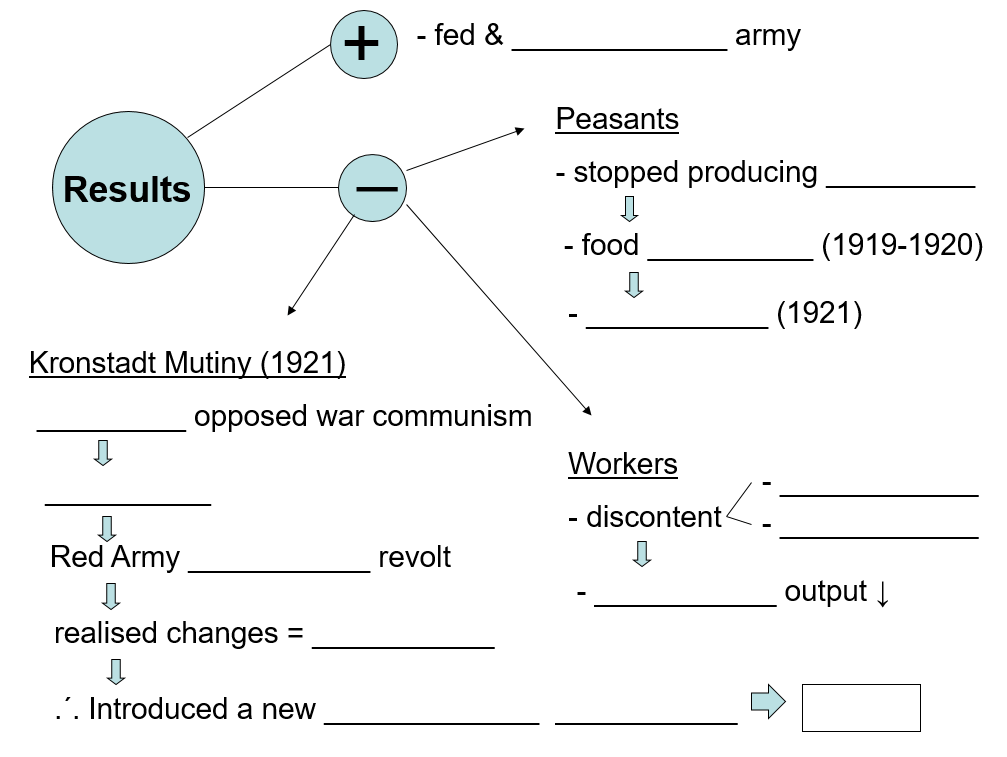
Stick the fill-in worksheet on the N.E.P. into your book and then follow the instructions below:
… about the “New Economic Policy”.
7.
The answers are in the video below.
War Communism and the NEP notes. (2:42 minutes long)
8.
The Kronshtadt Rebellion of March 1921 convinced Lenin of the need to retreat from full socialist principles – to abandon the policy of War Communism – in order to maintain the Communist party’s hold on power. Accordingly, at the 10th Party Congress in March 1921 the measures of a New Economic Policy was introduced.
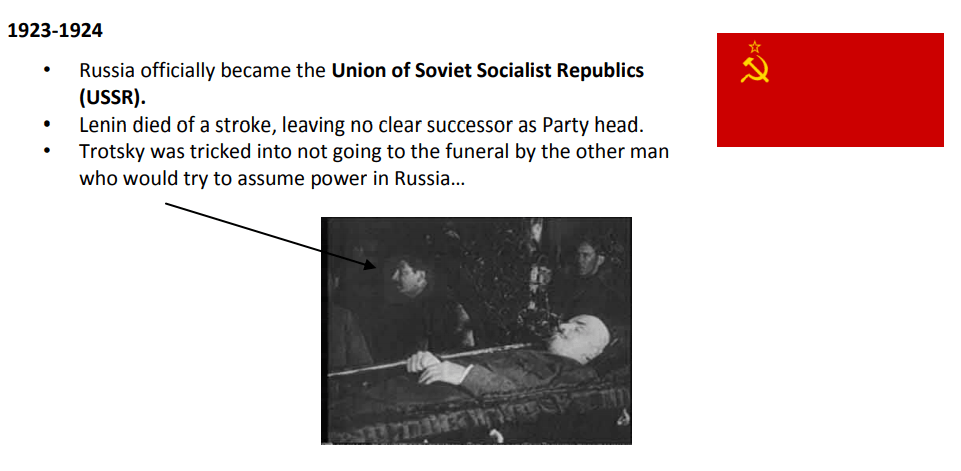
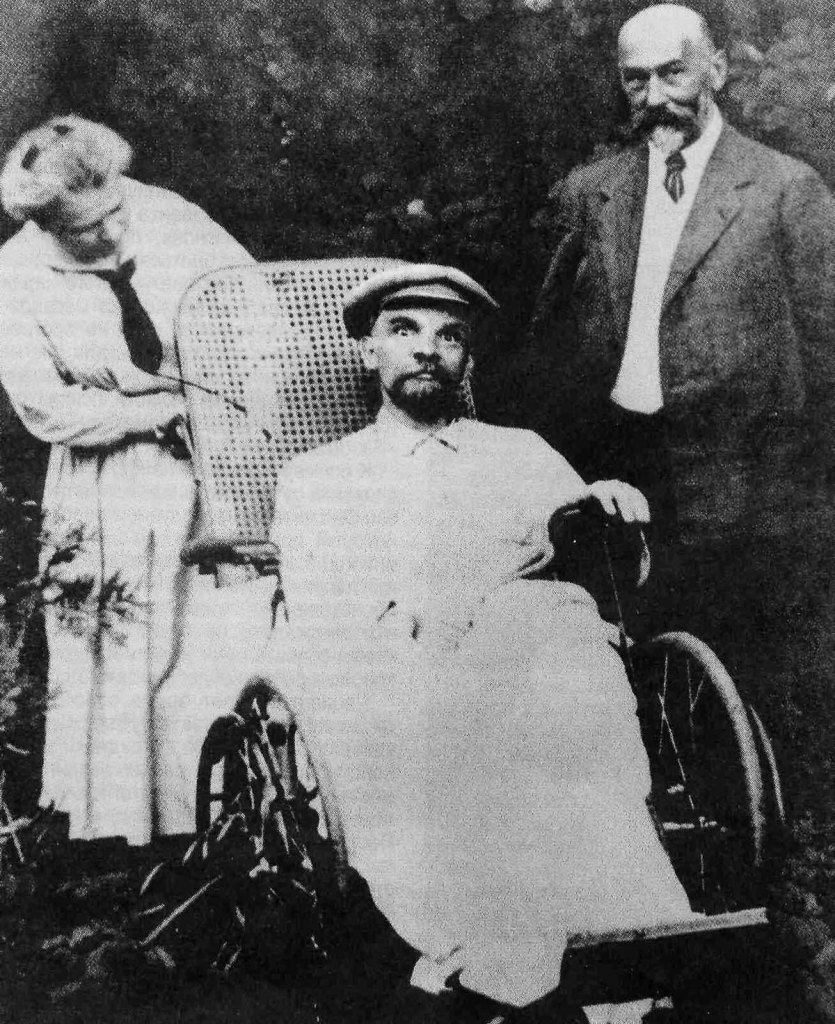
Just more than a year later, “in May 1922, Lenin suffered the first of three strokes, which left him unable to speak for weeks, and severely hampered motion in his right side. By June, he had substantially recovered; by August he resumed limited duties, delivering three long speeches in November. In December 1922, he suffered the second stroke that partly paralyzed his right side, he then withdrew from active politics. On March 10, 1923, Lenin’s health was dealt another severe blow when he suffered the third stroke, this one taking away his ability to speak and concluding his political work. Lenin was mute and bed-ridden until his death but officially remained the leader of the Communist Party.”
“This last photo shows Vladimir Lenin in a wheelchair after suffering three stokes in the previous two years. By the end he was paralyzed and completely mute. Beside him is his sister Anna Ilyinichna Yelizarova-Ulyanova and one of his doctors A. M. Kozhevnikov.”
“Vladimir Lenin died at 18:50, Moscow time, on 21 January 1924, aged 53, at his estate at Gorki settlement (later renamed Gorki Leninskiye). In the four days that the Bolshevik Leader Vladimir Ilyich Lenin lay in state, more than 900,000 mourners viewed his body in the Hall of Columns.”
Lenin’s “corpse was embalmed and placed in a mausoleum on Moscow’s Red Square. Lenin’s mummified body has been on display there ever since, except for a four-year period during World War II when it was moved to Siberia.”
Finally, read the information on the worksheet about War Communism and the New Economic Policy: Then, compare War Communism and the New Economic Policy by completing the table on the worksheet.
Today you are going to learn more about the Civil War that took place in Russia after the Bolsheviks overthrew the Provisional Government…
1.
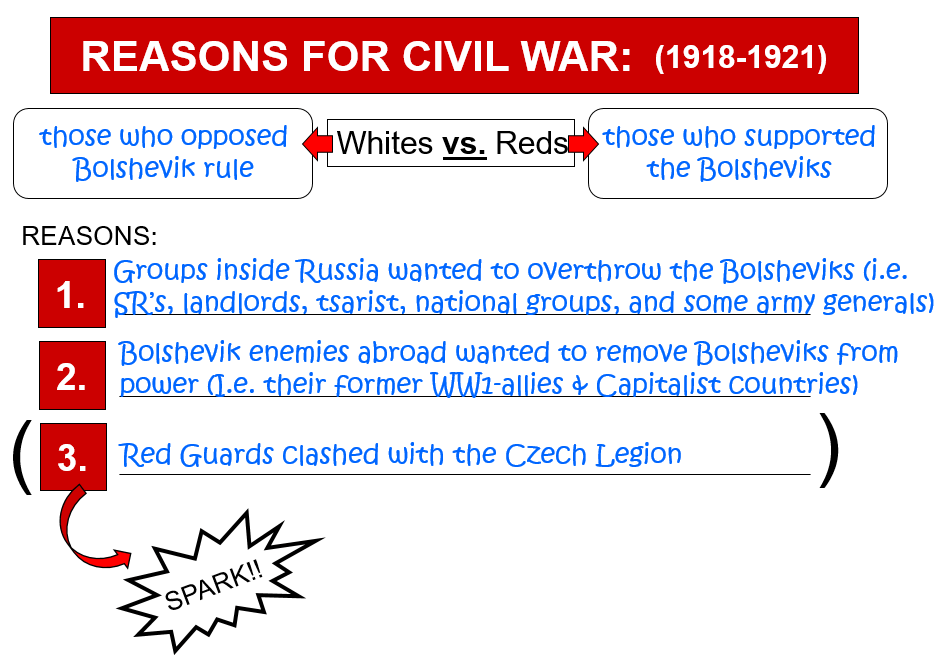
Let’s first see why there was a civil war….
Russian Civil War – Reasons. (2:50 minutes long)
2.
So, what was life like during the Civil War?
The truth about Lenin and the Bolsheviks. (10:55 minutes long)
It shows the harshness during the Civil War!
Click on the play button below to watch this video in YouTube.
3.
This video sheds further light on the main developments and impact of the Civil War…
The Russian Civil War. (1:54 minutes long)
4.
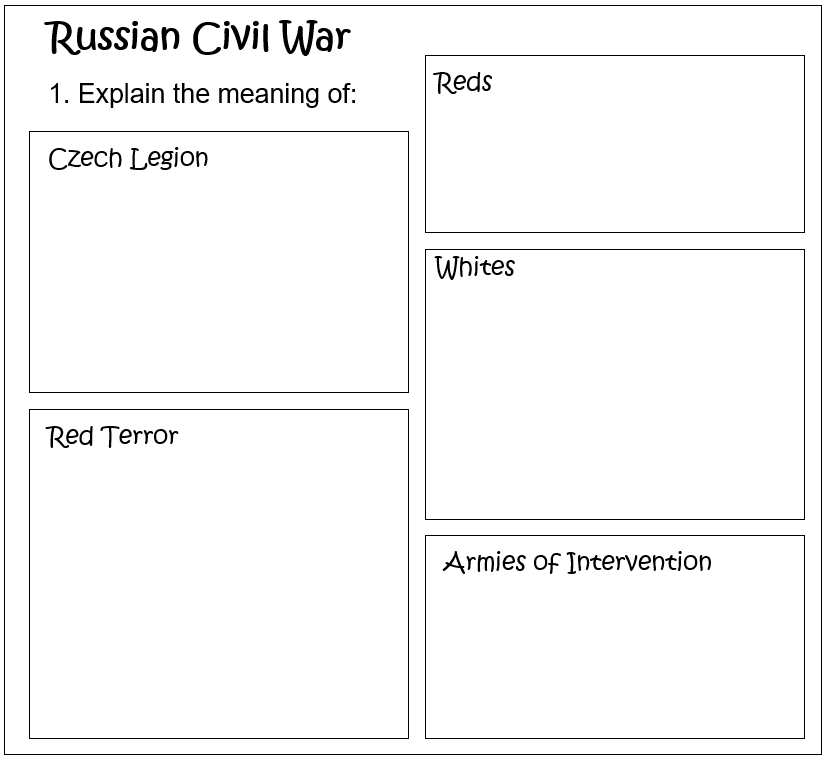
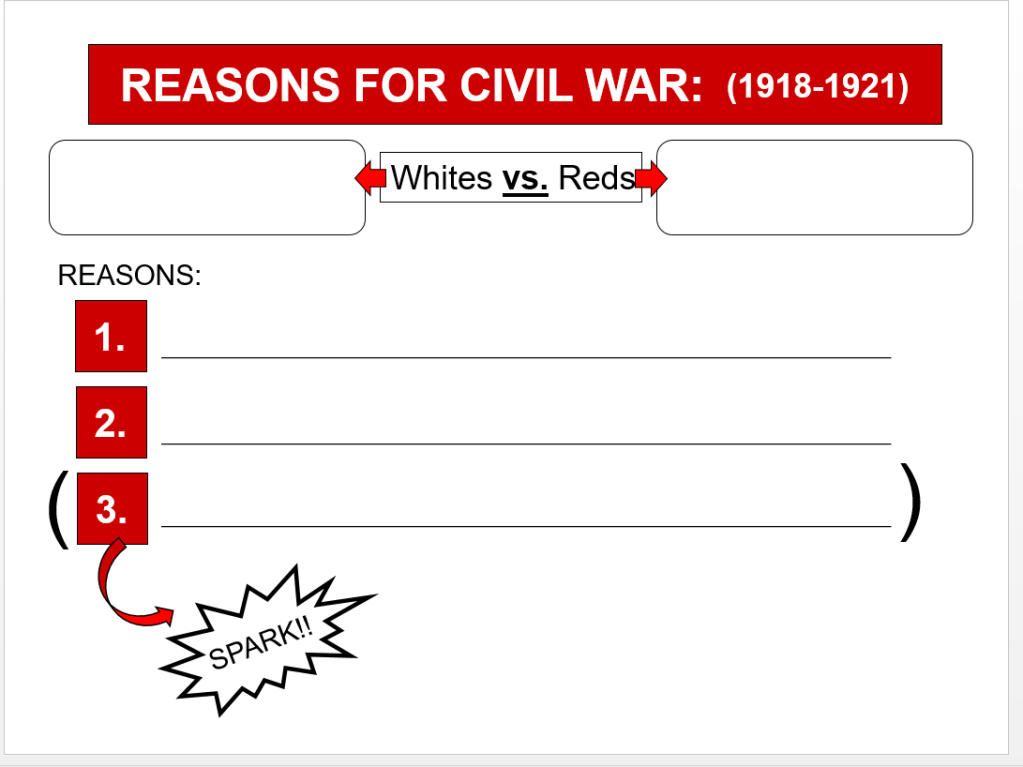
The information about “Reasons for the Civil War, 1918-1921” , p.21.
5.
TASK 1
SOLUTION
6.
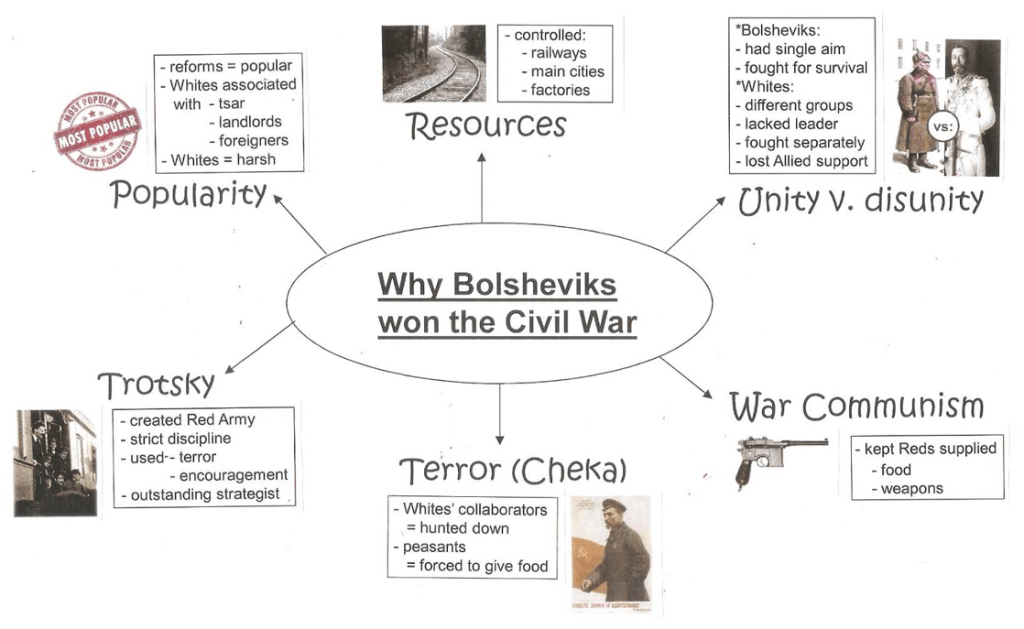
It took them three years but the Bolsheviks eventually emerged victoriously. How did the Bolsheviks secure their victory?
Why did the Bolsheviks win the Civil War? (2:21 minutes long)
7.
The information about “Why did the Bolsheviks win the Civil War?”, p.21.
8.
TASK 2
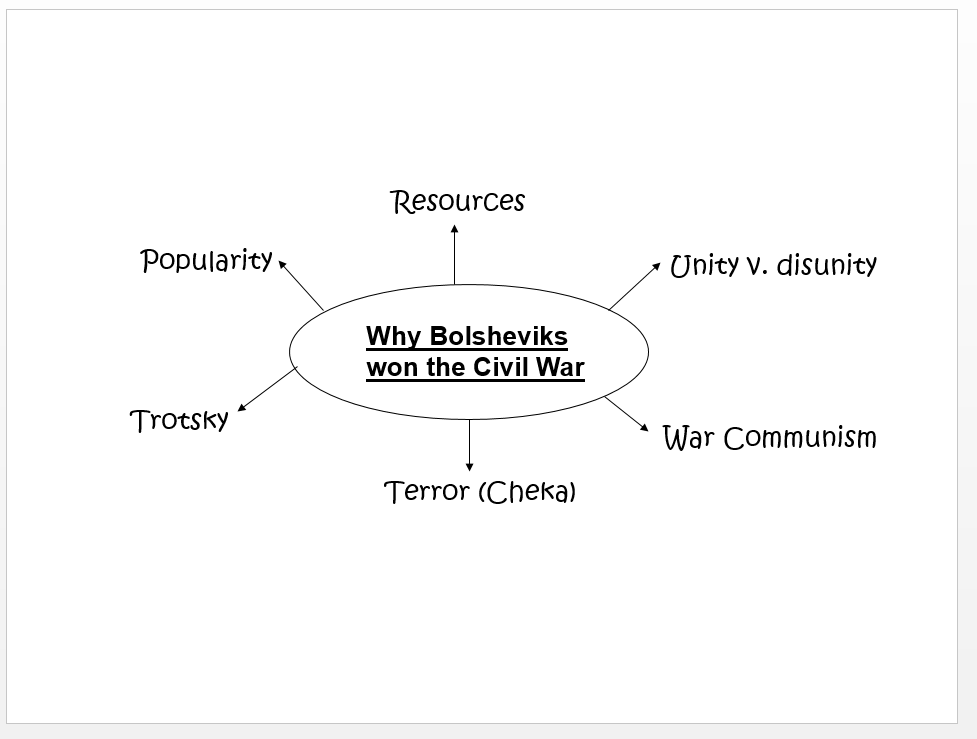
Now do the “cut-and-paste” task, using the material provided, to show how the Bolsheviks emerged victoriously. (You need to cut out the information and arrange it in the form of a spider diagram that shows Why the Bolsheviks won the Russian Civil War.)
Spider Diagram:
Cut-and-Paste sheet:
SOLUTION
9.
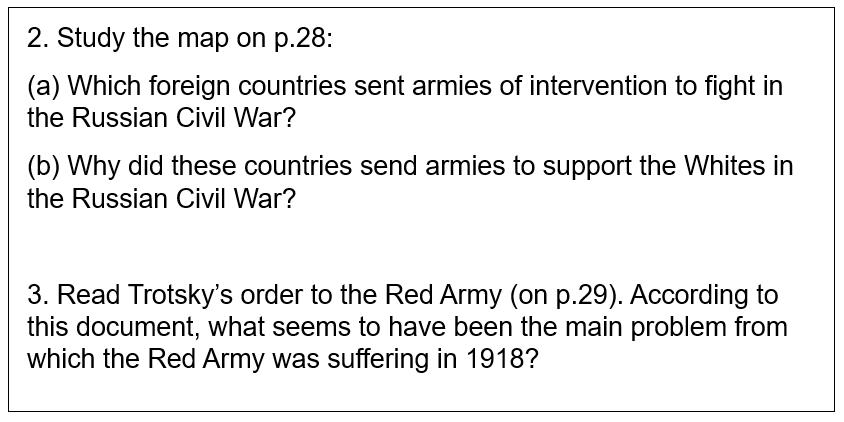
If there is time in this lesson, start with the third (and last task) on the Russian Civil War. You have to use your textbook for this task.
So, how did WW1 come to an end? The video below explains what happened that caused Germany to surrender…
The end of WW1. (3:08 minutes long)
3.
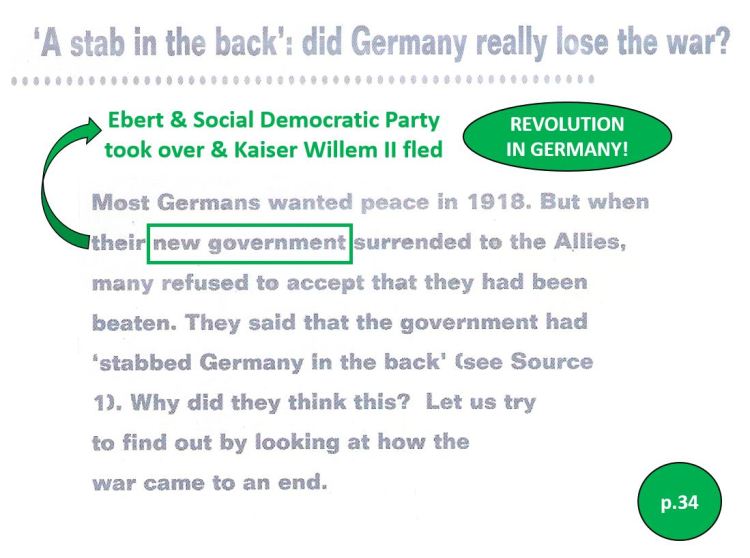
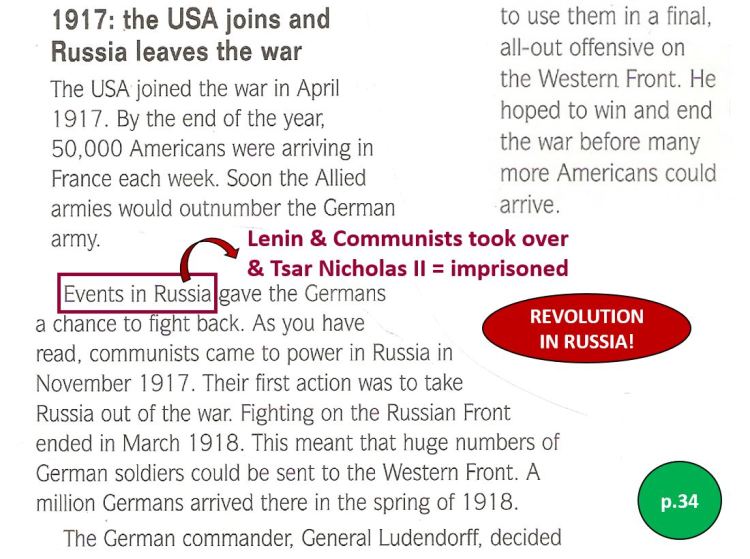
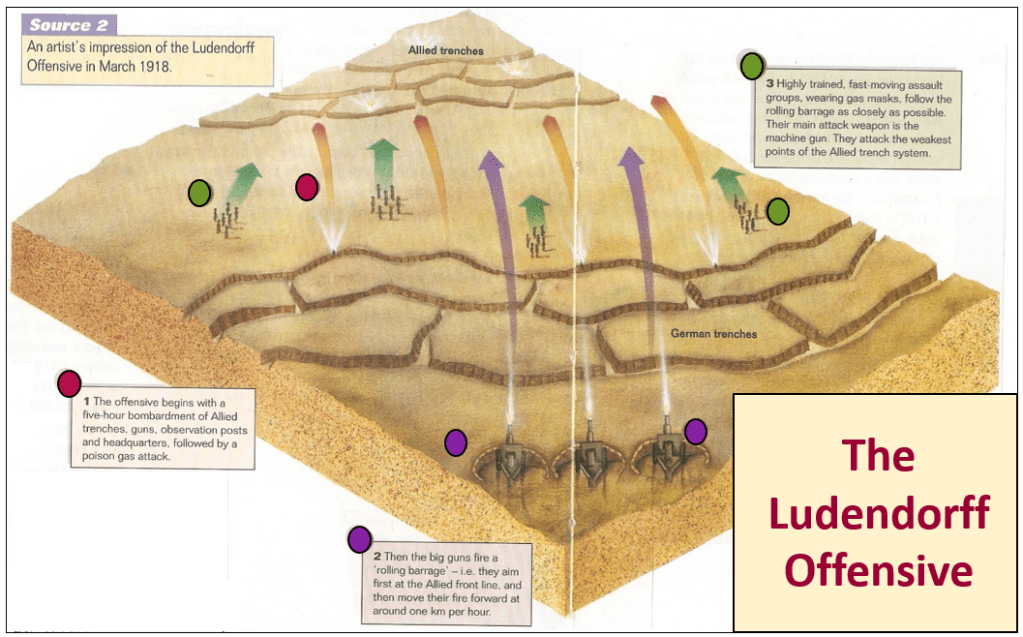
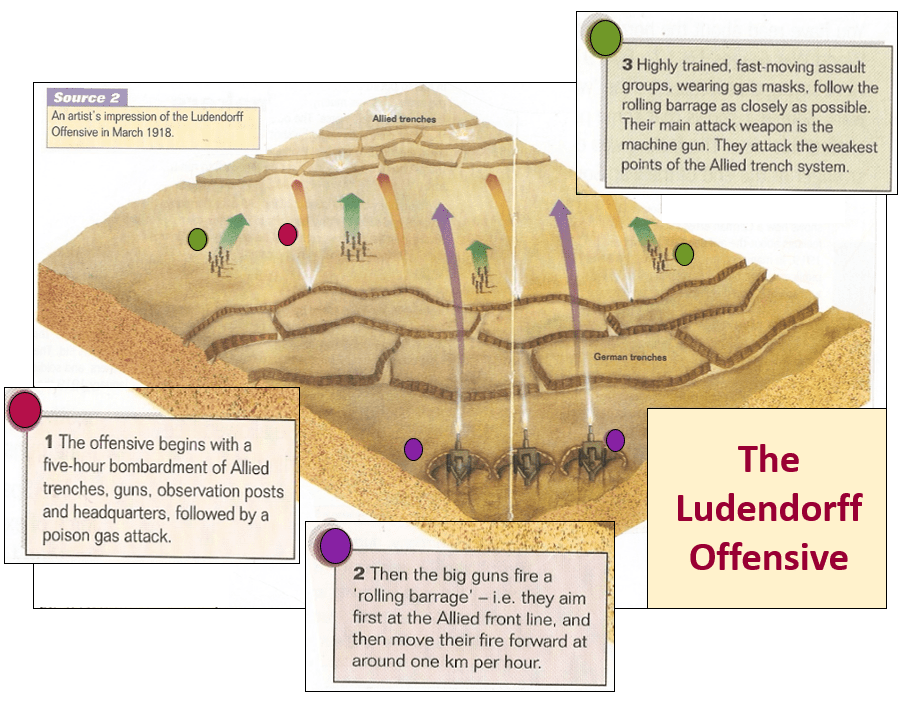
So, let’s see what your Workbook says about the Ludendorff Offensive and about how WW1 came to an end. Did Germany really lose the war?
p.34-35
4.
Let’s clarify a few things…
5.
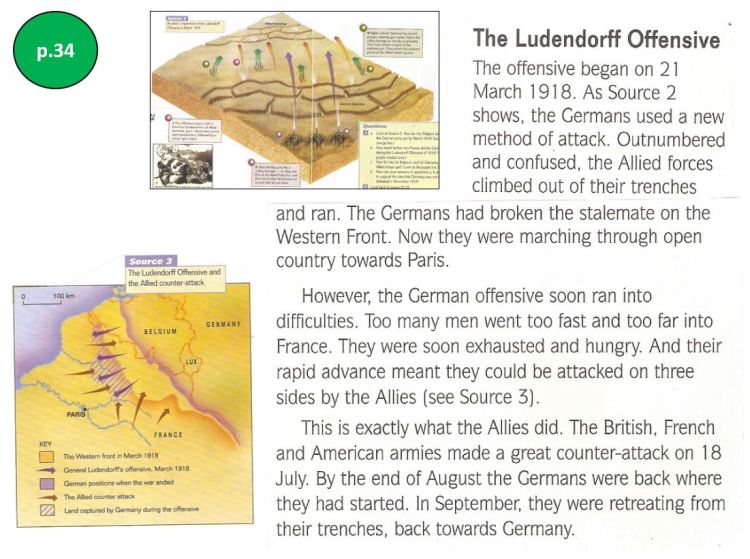
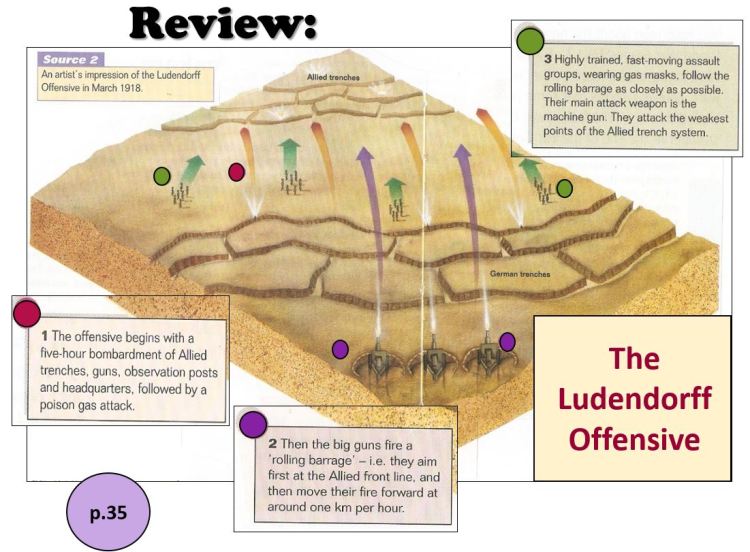
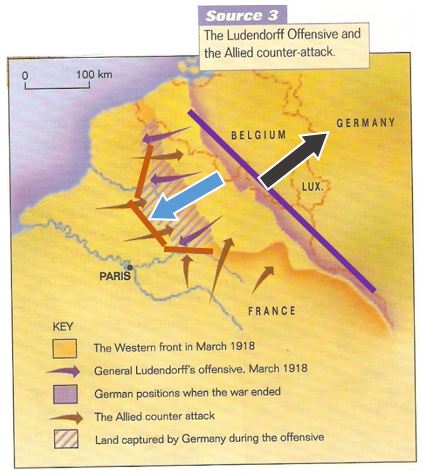
The diagram below shows how the Ludendorff Offensive initially resulted in success. (Add colour to the diagram in your Workbook, p.35.)
6.
1918 Ludendorff Offensives. (1:34 minutes long)
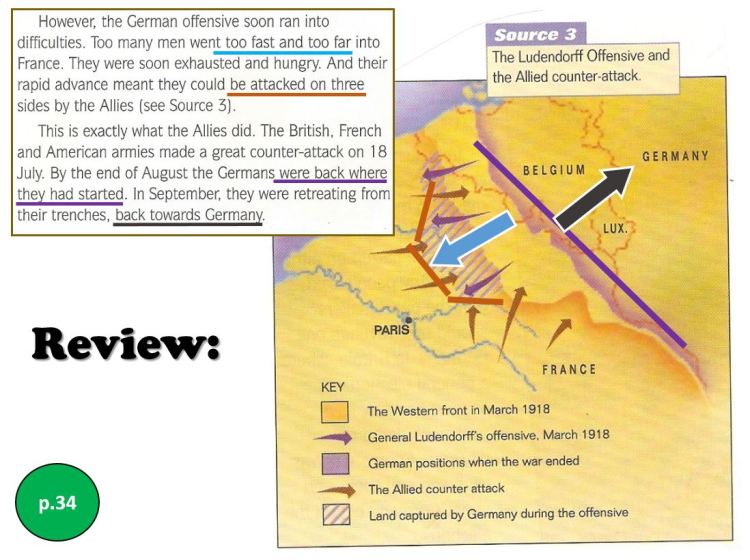
7.
The diagram below shows how the Ludendorff Offensive then ran into difficulties! (Add colour to the diagram in your Workbook, p.34.)
8.
The Ludendorff Offensive is also known as the Spring Offensive. The Offensive comprised of a number of “Operations”.
Operation Michael. (2:39 minutes long)
9.
It seems that the Allies had two factors working in their favour:
The Allied forces were enforced when the USA joined the war.
The Allies decided to use a united command in order to ensure better cooperation between the Allied armies.
On the other hand, it seems that the Germans had two factors working against them:
The German forces lost a lot of men during the Ludendorff Offensive.
The German soldiers moved too fast and too far into France, making them exhausted and vulnerable.
10.
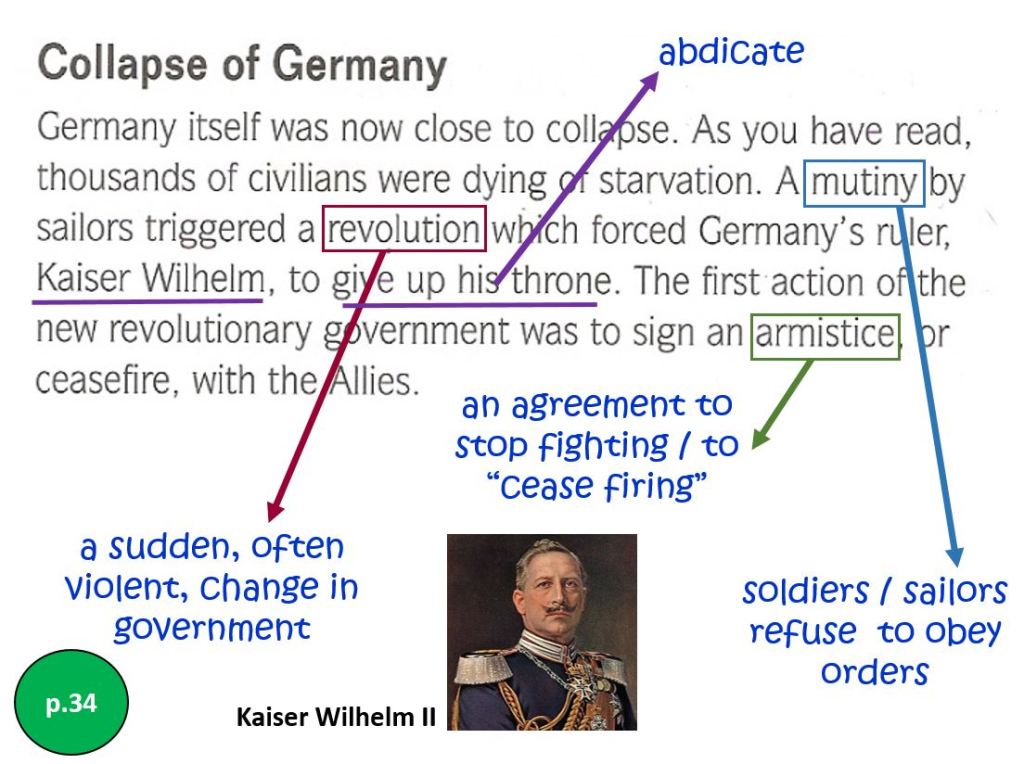
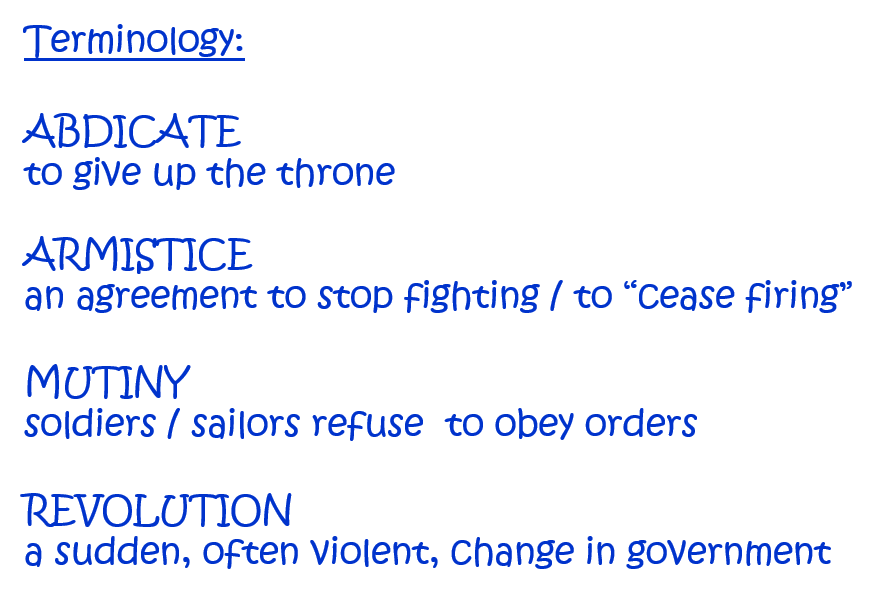
Finally, copy the following definitions.
11.
(These are GCSE revision videos that explain the Ludendorff Offensive in great detail. You do not have to know all the details – however, these detailed explanations will help you to understand the Ludendorff Offensive even better!)
Today you are going to continue with the film about the real Cinderella…
Follow the instructions step by step:
1.
Here is a reminder of the events in the previous episode:
We learnt that King Francis was organising a masquerade ball, where Henry must choose a bride by midnight or marry Gabriella, a Spanish princess, in an arranged marriage. Rodmilla desperately tried to get Henry to choose Marguerite as his bride. In the meantime, Danielle’s friend, Gustave, told Prince Henry where the “Comtesse de Lancret” lived. This is, of course, the name used by Danielle. So, she was forced to run home and change clothes in time for Henry’s arrival. She accompanied him and they visited a Franciscan monastery’s library where they discussed books and society in general… As Henry and Danielle spent time together they realized that they had a lot in common.
2.
Here are a few interesting bits of information about the film:
Trivia (from Part 2)
(If not discussed in the previous lesson…)
-1-
At one point Queen Marie tells Henry to choose a wife wisely, because “divorce is only something they do in England.” This is a reference to Henry VIII of England, who caused a huge scandal when he divorced Catherine of Aragon to marry Anne Boleyn in the early 16th century.
-2-
When Danielle is swimming in the lake, she is using the inverted breaststroke. It was popular in medieval and Renaissance Europe, and is still commonly taught as a survival stroke.
3.
And here are a few interesting factual errors…
Goofs (from Part 2)
(If not discussed in the previous lesson…)
-1-
When Danielle returns Maurice to his wife, we can see a watch tan line on one female peasant’s arm.
-2-
When Danielle walks into the room where her step mother and sisters were playing games, after Maurice was bought back, Marguerite says “somebody’s in trouble” with the tune of “ring-around-the-rosie”. That song/tune was not even around until the 1700’s – so she would not have known about the tune yet.
-3-
Prince Henry gave Marguerite chocolate after the tennis game. However, solid, edible chocolate pieces did not exist then. The Spanish brought cocoa from Mexico, but the French only started using it, as a drink, in the 1800s.
-4-
At one point, Paulette tells Danielle that “the only throne she wants Marguerite sitting on is the one she has to clean every day”. While modern toilets are jokingly referred to as “thrones”, they did not exist in the 16th century, and many people used small chamber pots.
-5-
In the market scene, Marguerite introduced their servants to the prince and he replied that he’d love to meet them, and then greeted them by saying “good day ladies”. A noblewoman would never think to introduce her servants to a prince and a prince would never refer to them as “ladies,” since the term was used only for nobility and not for any women, as nowadays.
-6-
Francis and Marie are seen in a coach leaving the town church. Medieval castles and palaces had their own chapels for the royal family. Francis and Marie would not usually have worshiped in a public church.
4.
In the next part of the film (Episode III) Danielle and the Prince are on their way home after their visit to the Franciscan monastery. Unfortunately their carraige broke and they are attacked by gypsies…
The next day, Danielle defies Rodmilla and Marguerite as they upset her greatly with their actions… Danielle gets so upset that she attacks Marguerite… and suffers the consequences thereof!
In this episode Rodmilla also discovers that Danielle is the mysterious courtier Henry is pursuing. Rodmilla therefore lies to Queen Marie that the “Comtesse” is engaged.
Then, Danielle again meets with Henry. She tries to confess her identity, but he interrupts and tells her that she has given his life new purpose. So, she is unable to tell him the truth…
Later in this episode, everyone gets ready for the ball; that is everyone, excepts Danielle… Fortunately, everyone eventually makes it to the ball where, Danielle tries again to tell Henry the truth…
Remember to look out for anything that relates to what you have learnt about the Renaissance!
5.
Now, watch “Episode 3” by accessing it in Schoology Materials. (This “episode” is 30:57 minutes long.)
IMPORTANT:First make sure that you are logged into your School Gmail account.
Then open Schoology to access the link to the film.
Remember to look out for anything that relates to what you have learnt about the Renaissance!
If, for some reason, it does not work, click on the square (at the top right) in the schoology page for “Episode 3” – then the video should work. It looks like this:
6.
Here are a few interesting bits of information about the film:
Trivia (from Part 2)
-1-
In the movie, Danielle rescues the prince from gypsies by carrying him on her back. According to legend, when King Conrad III defeated the Duke of Welf (in the year 1140, Germany) and placed Weinsberg under siege, the wives of the besieged castle negotiated a surrender which granted them the right to leave with whatever they could carry on their shoulders. The king allowed them that much. Leaving everything else aside, each woman took her own husband on her shoulders and carried him out. When the king’s people saw what was happening, many of them said that that was not what had been meant and wanted to put a stop to it. But the king laughed and accepted the women’s clever trick. “A king” he said, “should always stand by his word.”
7.
And here are a few interesting anachronisms…
Goofs (from Part 3)
-1-
At the gypsy camp Henry tells Danielle that “it is your mouth that has me hypnotized”. The term “hypnotized” was not coined until around 1841 by Scottish surgeon James Braid.
-2-
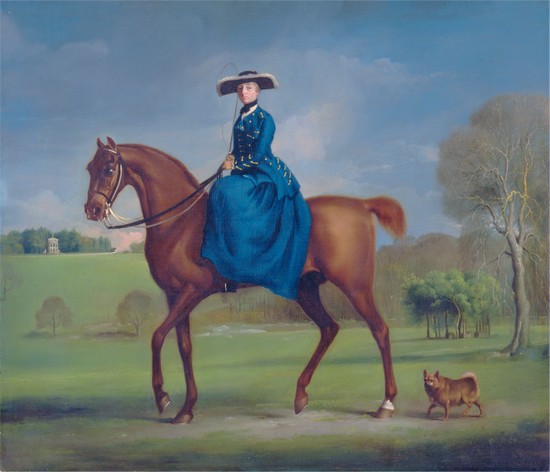
When Henry and Danielle are riding the horse – returning from the gypsy camp to the manor house, Danielle is seen riding “astride” (with one leg on each side of the horse).
The socially correct manor for Danielle to ride a horse – especially as a “Comtesse” would have had been for Danielle to sit “aside” (with both of her legs off to one side of the horse) in front of Henry.
In Europe, cultural norms held that it was unbecoming for a lady to straddle a horse while riding. From the 1300’s until the early 20th century women rode “aside”.
-3-
Henry invites Danielle to the ruins at Amboise that, according to him, used to be a royal residence. However, while Leonardo da Vinci was in France King Francis I was living in the Chateau d’Amboise. The Château d’Amboise was abandoned as royal residence. It was a royal residence until 1560.
During the French Wars of Religion between French Catholics and French Protestants, in the middle of the 16th century, 1200 Protestants were (possibly) hung from the walls of the Château d’Amboise.
The smell became so bad that the Court soon abandoned the Château and it was left to fall into ruin.
-4-
Prince Henry mother told him that Rodmilla said that Danielle is marrying a Belgian. However, Belgium was only established in 1830 – before 1830, the area was only a collection of villages that were repeatedly occupied by various European kingdoms.
6.
Favourite quotes from this “episode”:
Mother, Father, I want to build a university, with the largest library on the continent, where anyone can study, no matter their station!
henry
I shall go down in history as the man who opened a door!
This is a revision task, but for some it may also be a preparatory task…in preparation for our new topic on the Consequences of WW1. A bit of extra research is needed if there are details that you struggle with.
For revision purposes we will watch the following film:
“Rasputin: Dark Servant of Destiny“.
1.
In the previous “episode”:
Rumors circulated throughout Russia regarding Rasputin’s stay at the palace and closeness to the Imperial Family, particularly Alexandra. Stolypin is assassinated. World War I broke out, and as millions of Russian soldiers die in the war, citizens place the blame on Alexandra and Rasputin. The episode ended with members of the Duma talking about somehow “stopping” Rasputin, and Rasputin trying to “make contact with” the Virgin Mary as he has not “seen” her for a few weeks…
2.
Now read this…
It appears that Rasputin has stopped “seeing” the Virgin Mary, causing his fellow monks and Alexandra to desert him…
A group of men led by Prince Felix Yusupov decide to murder Rasputin and invite him to the Yusupov palace. It is December 1916. Felix feeds Rasputin cakes and wine laced with lethal amounts of cyanide, but is horrified when he observes the effect it has on Rasputin…
Spoiler: Felix then shoots Rasputin, who still does not die. Rasputin stumbles through the courtyard to the palace gates before being shot four more times, finally collapsing and dying. His body is thrown from a bridge into the icy Malaya Nevka River.
Alexandra reads a note left behind by Rasputin, revealing his prior knowledge that he would be murdered, and that should the murderers be nobles, the Imperial Family would die within two years.
In 1917, with Russia on the verge of collapse due to the war, Nicholas is forced to abdicate as Tsar and is sent into exile with his family. The Imperial Family is executed in Yekaterinburg on 17 July 1918.
3.
Now watch Part 3 (of 3) of “Rasputin: Dark Servant of Destiny”.
Rasputin. (31:38 minutes long)
4.
— Trivia —
-1-
This movie was filmed in only eight weeks!
-2-
John Wood (Pyotr Stolypin) previously played Colonel Kobylinsky in Nicholas and Alexandra (1971), which depicted many of the same events.
-3-
Actor Tamás Tóth plays the part of Young Rasputin, clearly appearing to be a child of about 13 years of age. But the actor was born on December 2, 1958, so he was about 37 years old, at the time of filming (1995).
-4-
The ending suggests Alexei may have survived the massacre at Ipatev House, as his body (along with one of his sisters’) had never been recovered. However, approximately eleven years after this movie’s release, remains found near the Ipatev House site were unearthed and confirmed to be Alexei’s, thus rendering this movie’s ambiguous finale anachronistic.
5.
— Goofs —
-1-
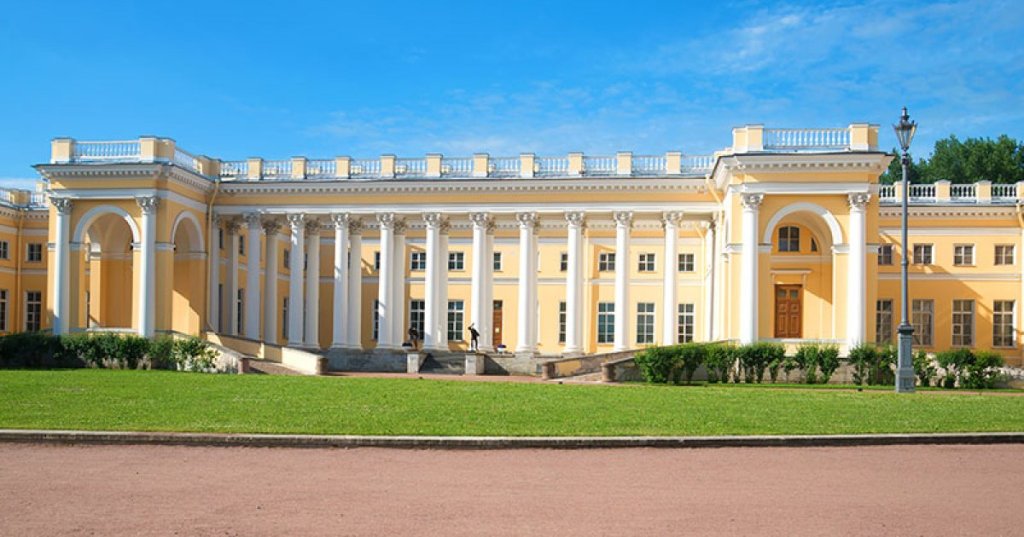
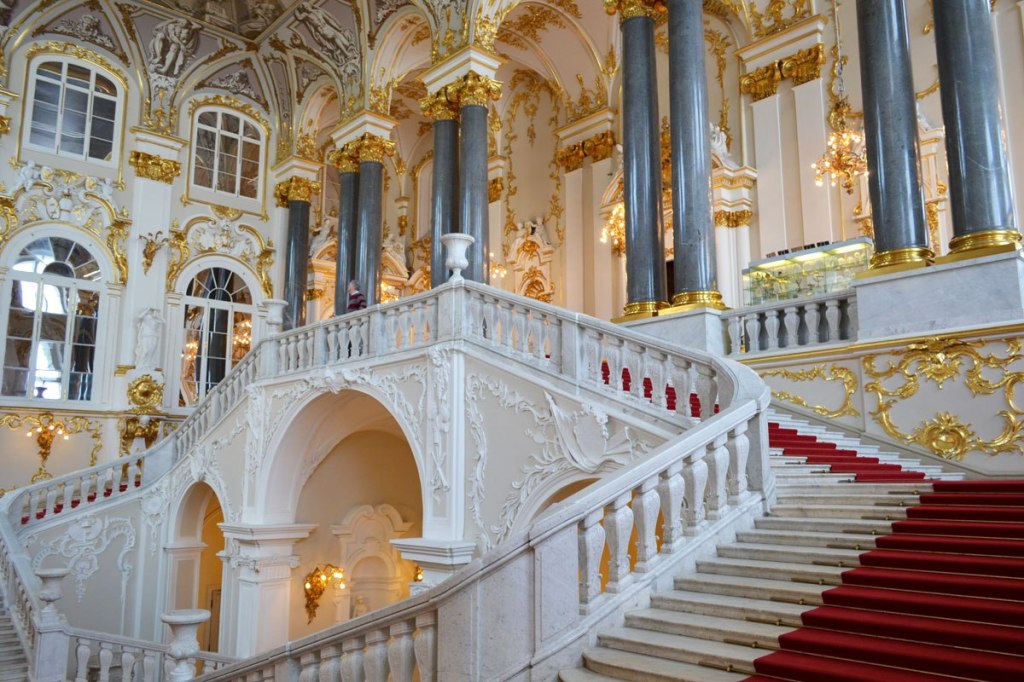
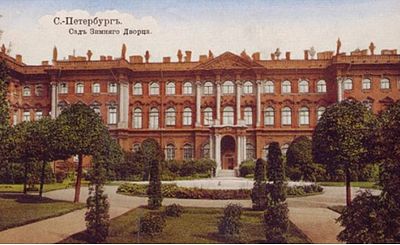
Winter Palace – St. Petersburg
Alexander Palace – Tsarskeo Selo
Winter Palace – Interior
When Rasputin first arrives at Tsarskeo Selo to see the Tsarina, the exterior of the palace shows the Alexander Palace at Tsarskeo Selo, yet in interior is the Winter Palace in St Petersburg.
-2-
After Rasputin first heals Alexis, when Nicholas and Alexandra are conversing privately, Nicholas is seen wearing a shirt with a capital letter “N” monogram, presumably for his first name. In the Russian Cyrillic alphabet, however, the capital letter corresponding to an English N is written as “H”.
-3-
At the end of the film, nearly before the execution of the Romanov Family, there’s an outdoor sequence that portrays Ipatov House. The title says: ‘July 16, 1918, Ipatiev House, Yekaterinburg, Siberia’. Despite it being summer time, there is much snow on the roof and near the house. The temperature in Siberia in July is often above 32°C.
6.
— Factual Errors —
-1-
The Empress says at the 1913 Romanov Tercentenary celebration that she has been suffering for twelve years on account of the Tsarevich’s illness, whereas in fact the Tsarevich was born in 1904.
-2-
The movie depicts Stolypin as being assassinated after the outbreak of the First World War, whereas he was assassinated in 1911 and the First World War started in 1914.
7.
— Anachronisms —
-1-
When Rasputin arrives in St. Petersburg he is shown standing before the Winter Palace in Palace Square. The palace appears as it does today, painted green with white and gold accents. At the time of Rasputin’s arrival in 1911 however, the palace was painted entirely in dull red. The palace’s current color scheme was not applied until the 1930’s.
Winter Palace (1900)
-2-
The Russian Orthodox Choir which sings the litany at the Tercentenary liturgy also seems to be a choir of the 1990s, since the Patriarch Alexei is mentioned by name. The Patriarchate in fact did not exist under the later Romanovs, having been abolished by Peter the Great.
-3-
The Romanov daughters all contracted the measles while under house arrest shortly before they were executed. As a result their heads were shaved. At the time of their death the girls did not have hair. In the film all the daughters have long hair when they are executed.
8.
Now, complete the film review on “Rasputin: dark servant of destiny”.
Also show how many stars you give this film, by coloring in the number of stars that you think the film deserves.
Here are some ideas for your film review:
Say what you liked (and why).
Say what you did not like (and why).
Say if you learnt anything (and what).
Would you recommend it to future students learning about WW1?





























































































































 Best study methods