For revision purposes we will continue watching the following film:
“Rasputin: Dark Servant of Destiny“.
1.
In the previous “episode”:
Rasputin become acquainted with Nicholas’s daughters, Olga, Tatiana, Maria, and Anastasia. This became a concern to Nicholas, especially after he hears rumors of Rasputin’s womanizing and flings with prostitutes. Nicholas then asked Rasputin to leave the palace.
2.
Later, when Alexei again suffered severe bleeding, Alexandra begs for Rasputin to be brought back to heal her son again. Rasputin returns and heals Alexei, converting Nicholas in the process, although Dr. Botkin remains convinced that Rasputin is merely hypnotizing Alexei.
Dr. Botkin vents his suspicions to Russian Prime Minister Pyotr Stolypin, who sends men to spy on Rasputin. A woman named Princess Marisa visits Rasputin, asking to be blessed. Rasputin tells her that before one can ask for absolution one must sin – he then seduces her. Stolypin’s spies watch this happen…
Stolypin approaches Nicholas with his findings, and with news that rumors are circulating throughout Russia regarding Rasputin’s stay at the palace and his closeness to the Imperial Family, particularly Alexandra. That night, a drunken Rasputin makes some obscene comments about the Imperial Family and is brought before the Tsar. Nicholas banishes Rasputin from St. Petersburg, and Rasputin prophesies a terrible future for Russia, as well as Stolypin’s assassination. A month later Nicholas is informed of the onset of World War I, and Stolypin is shot and killed.
Alexei suffers another severe bleeding, prompting Alexandra and Nicholas to call Rasputin again! Rasputin heals Alexei over the phone, re-confirming Nicholas’s faith in the healer. Rasputin is forgiven and returns to the palace.
As millions of Russian soldiers die in World War I, citizens place the blame on Alexandra and Rasputin. Rasputin himself now begins to doubt if he is still “seeing” the Virgin Mary, or not…
3.
Now watch Part 2 (of 3) of “Rasputin: Dark Servant of Destiny”.
Rasputin. (37:13 minutes long)
4.
Finally, here are a few interesting quotes from the film…
The sea brings comfort, and the waves they talk. The sun shines on the water as it gently rises. You can see the face of God when you look at the sun. Your soul forgets everything as you wake from the dreams of life’s worries. For the joy lifts your heart, and your soul sees the wisdom of life, and beauty. Indescribable beauty. Is the pain gone?
-Rasputin-
I can’t be hypnotized, so don’t bother.
-Dr. Botkin-
You’ll always fail because your soul is dead.
-Rasputin-
Dr. Botkin: I have performed many autopsies in my time, but I’ve never located a soul.
Grigori Rasputin: How many memories or emotions have you found?
Today you are going to continue with the film about “the real Cinderella”…
Follow the instructions step by step:
1.
Due to limited time, you will not get test feedback now. You can, however, access your test result in “Grades” on Schoology. We will go over the test in a later lesson….
2.
Here is a reminder of the events in the previous episode:
We met Danielle de Barbarac and her family: her beloved father died shortly after Danielle was introduced to her stepmother and two stepsisters, Baroness Rodmilla de Ghent, and her daughters Marguerite and Jacqueline.
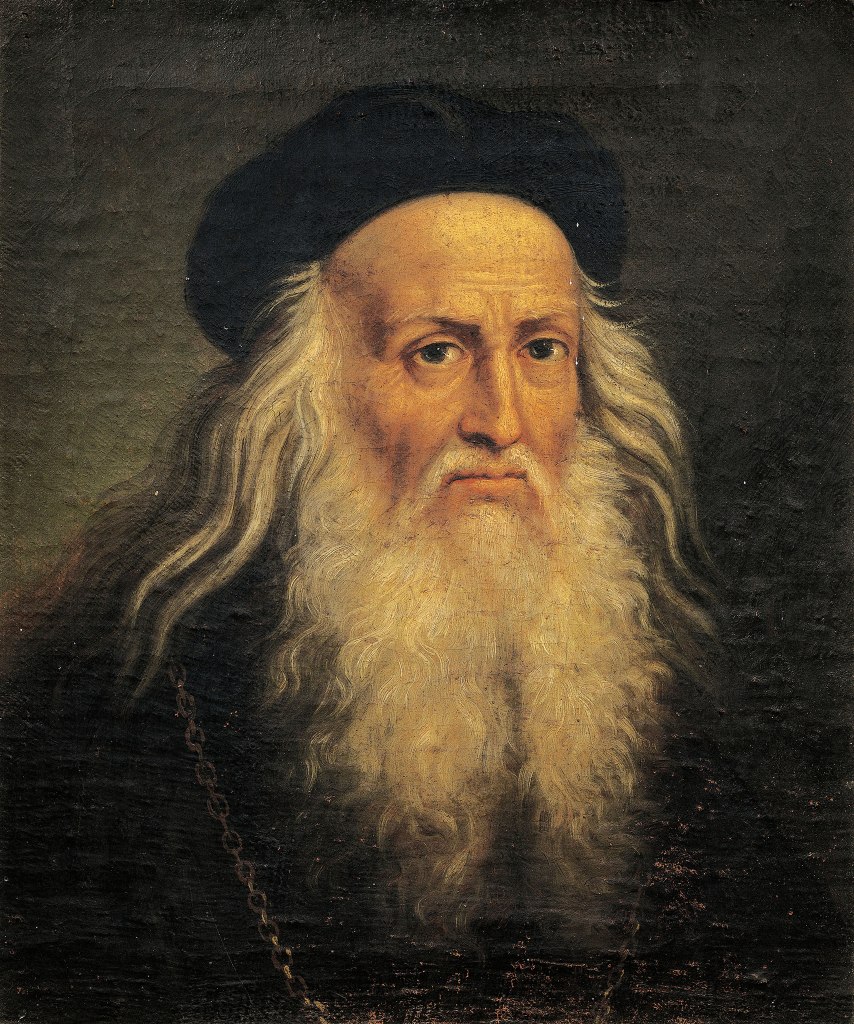
We also met Prince Henry… He fled a marriage arranged by his parents, King Francis and Queen Marie, to Princess Gabriella of Spain. Then, Prince Henry met two important people: the first was Danielle de Barbarac, who threw an apple at him when he tried to take her father’s horse. The second was Leonardo da Vinci, whom he helped to recover the Mona Lisa from gypsy bandits.
Towards the end of Episode 1 of this film Danielle tries to buy back her father’s servant, Maurice. Henry witnesses the argument between Danielle and the slave cart driver and intervenes, although not recognizing Danielle. Intrigued by her, Henry orders Maurice’s release and begs for her name; Danielle lies and gives the name of her late mother, Comtesse Nicole de Lancret.
3.
Here are a few interesting bits of information about the film:
Trivia (from Part 1)
-1-
Drew Barrymore has stated that this is the favorite of all her films.
-2-
As shown in the film, the real Leonardo da Vinci kept the Mona Lisa with him all the time, until his death!
-3-
King Francois I of France (called Francis in the movie) bought the Mona Lisa for 4000 ecus (the French currency coins used at the time).
-4-
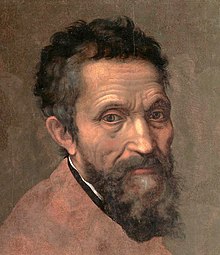
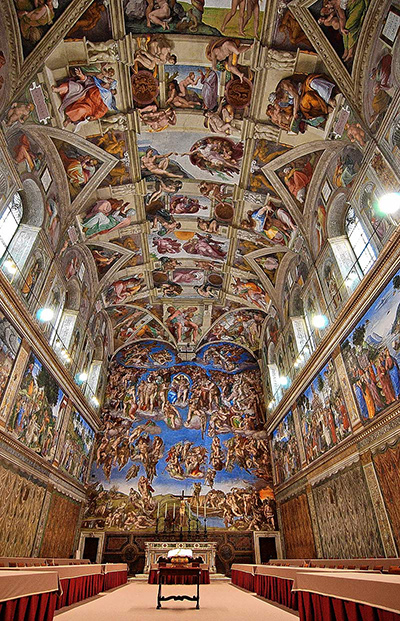
When meeting the Prince, Leonardo Da Vinci says “Michelangelo was trapped under a ceiling in Rome, I’m just a second choice”.
This is in reference to Michelangelo’s painting of the Sistine Chapel’s Ceiling (in Vatican City), which occurred between the years of 1508 and 1512.
4.
And here are a few interesting factual errors…
Goofs (from Part 1)
-1-
Utopia was written in 1516, and da Vinci died in 1519. Therefore, Danielle could not have received the book as a child and then met da Vinci as an adult.
-2-
When Danielle and her father, Auguste, are arguing about his upcoming business trip, they play a game of Rock-Paper-Scissors to decide how long he should stay away. However, this game was invented in China and was not introduced to the Western World, until around 1900AD.
-3-
When the Prince saves the Mona Lisa, it is rolled up in a tube. The Mona Lisa can’t be rolled up: it’s painted on a wooden panel. It is also much smaller than shown in the film.
-4-
When Danielle is putting on her dress to rescue Maurice, we see a zipper on the back of her dress. However zippers were first used in clothing in the 1920’s!
-5-
While trying on the courtier’s dress, Danielle says her stepmother buys presents for her stepsister like she has “money to burn.” At the time, currency consisted of coins, which would melt, not burn. In Europe, paper currency was not used until the 17th Century.
-6-
When Danielle recued Maurice, she referred to him as “this gentleman.” In 16th-century Europe, gentleman is a rank, not a polite way of addressing someone, as it is today. Maurice was not a member of the gentry, he was a peasant, likely a serf since the Baroness was able to sell him to pay her debts.
5.
In the next part of the film (Episode II) King Francis announces a masquerade ball, where Henry must choose a bride by midnight or wed Gabriella, a Spanish princess, in an arranged marriage. This caused Rodmilla to eagerly scheme to marry Marguerite to Henry! In the meantime, Danielle’s friend Gustave tells Henry where the “Comtesse de Lancret” lives, forcing her to run home and change clothes in time to accompany Henry to a Franciscan monastery’s library…
6.
Now, watch “Episode 2” by accessing it in Schoology Materials. (This “episode” is 30:29 minutes long.)
Remember to look out for anything that relates to what you have learnt about the Renaissance!
IMPORTANT:First make sure that you are logged into your School Gmail account.
Then open Schoology to access the link to the film.
If, for some reason, it does not work, click on the square (at the top right) in the schoology page for “Episode 2” – then the video should work. It looks like this:
7.
Here are more interesting bits of information about the film:
Trivia (from Part 2)
-1-
At one point Queen Marie tells Henry to choose a wife wisely, because “divorce is only something they do in England.” This is a reference to Henry VIII of England, who caused a huge scandal when he divorced Catherine of Aragon to marry Anne Boleyn in the early 16th century.
-2-
When Danielle is swimming in the lake, she is using the inverted breaststroke. It was popular in medieval and Renaissance Europe, and is still commonly taught as a survival stroke.
8.
And here are more factual errors…
Goofs (from Part 2)
-1-
When Danielle returns Maurice to his wife, we can see a watch tan line on one female peasant’s arm.
-2-
When Danielle walks into the room where her step mother and sisters were playing games, after Maurice was bought back, Marguerite says “somebody’s in trouble” with the tune of “ring-around-the-rosie”. That song/tune was not even around until the 1700’s – so she would not have known about the tune yet.
-3-
Prince Henry gave Marguerite chocolate after the tennis game. However, solid, edible chocolate pieces did not exist then. The Spanish brought cocoa from Mexico, but the French only started using it, as a drink, in the 1800s.
-4-
At one point, Paulette tells Danielle that “the only throne she wants Marguerite sitting on is the one she has to clean every day”. While modern toilets are jokingly referred to as “thrones”, they did not exist in the 16th century, and many people used small chamber pots.
-5-
In the market scene, Marguerite introduced their servants to the prince and he replied that he’d love to meet them, and then greeted them by saying “good day ladies”. A noblewoman would never think to introduce her servants to a prince and a prince would never refer to them as “ladies,” since the term was used only for nobility and not for any women, as nowadays.
-6-
King Francis and Queen Marie are seen in a coach leaving the town church. Medieval castles and palaces had their own chapels for the royal family. Francis and Marie would not usually have worshiped in a public church.
9.
Some great quotes from this film:
How do you live each day with this kind of passion. Don’t you find it exhausting?
Henry
You have everything, and still the world holds no joy; and yet you insist on making fun of those who would see it for its possibilities.
danielle
Sweetheart… you were born to privilege and with that comes specific obligations.
queen marie
Choose wisely, Henry. Divorce is only something they do in England.
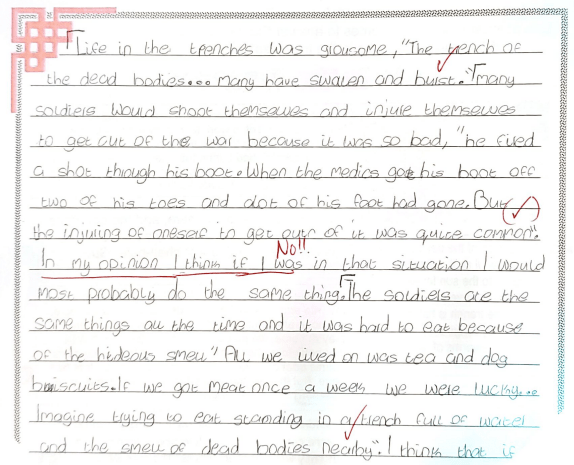
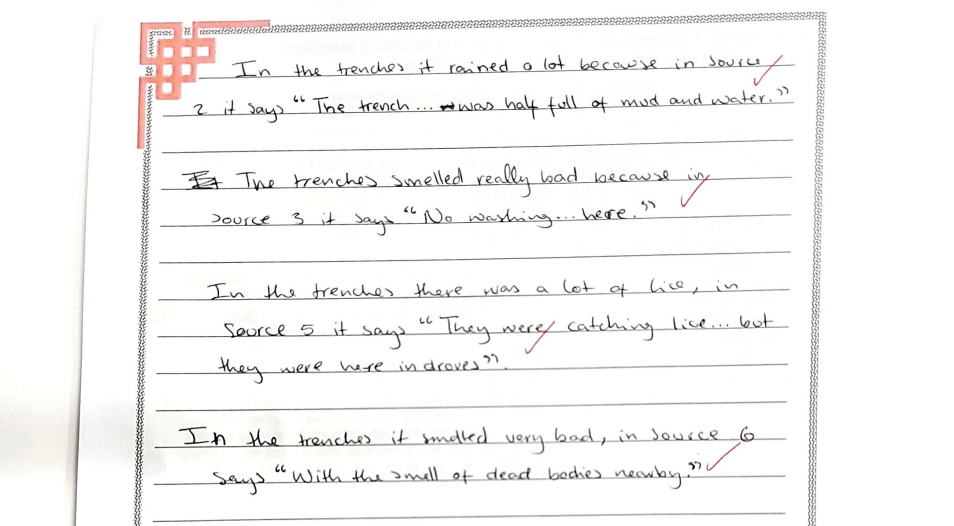
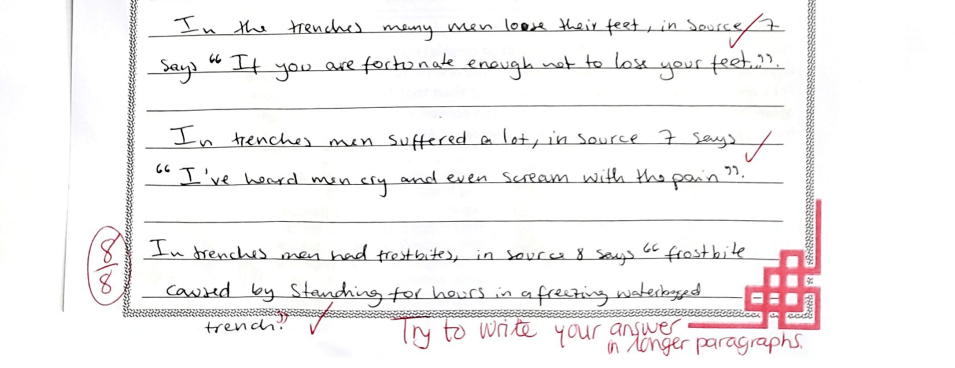
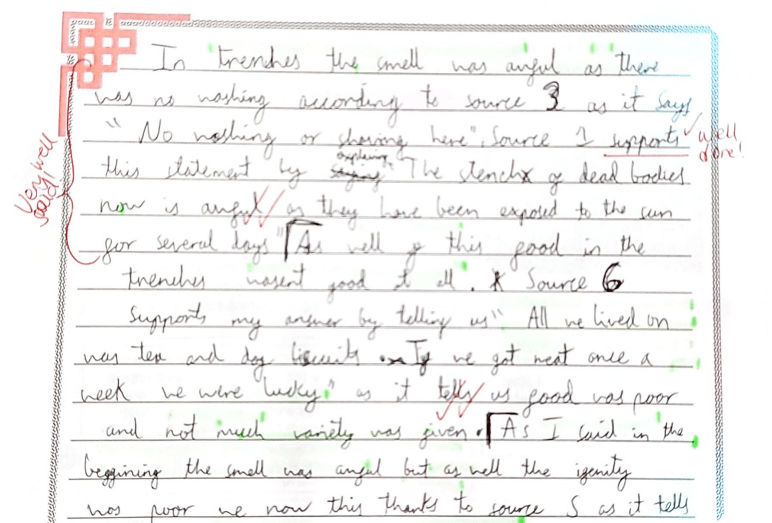
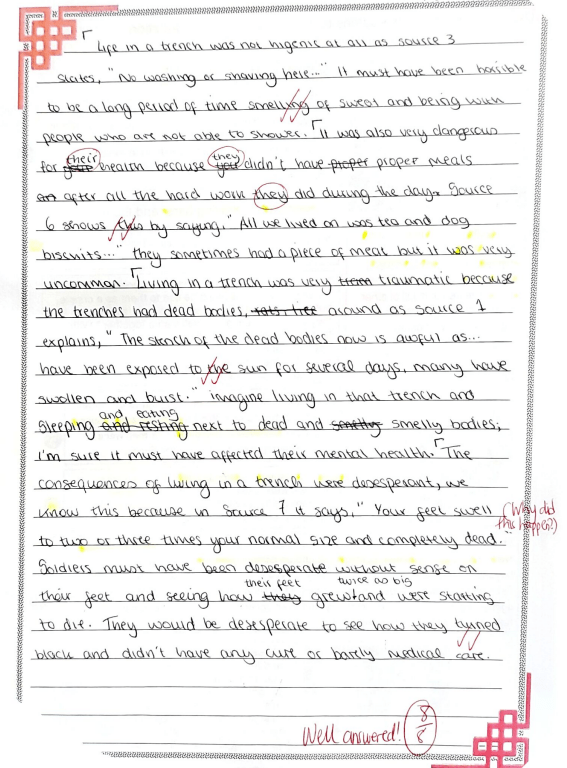
Look at your assessment result and also see where you have perhaps lost marks. (Look carefully, especially when it comes to the source questions – you HAVE to give evidence in the form of quotes!)
Trenches assessment project. (7:59 minutes long)
Here are some examples of good and also of bad practices… Can you identify what is good and what is not…
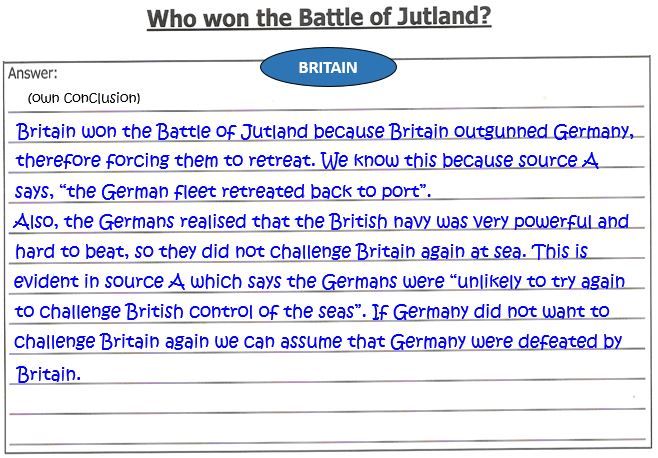
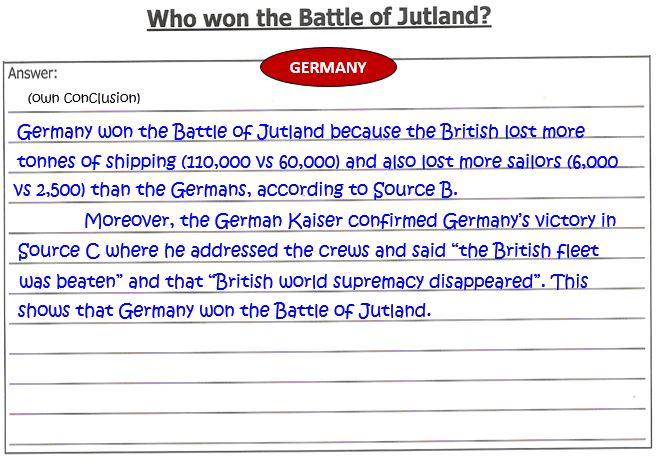
Finally, look at the example answers for the question that you completed about “Who won the Battle of Jutland”, p.33. (You could argue either Britain or Germany won, or even argue that there was not a clear victor. It is, however, crucial that you give evidence for your statements in the form of quotes from the sources!!)
Feudalism declined during the Renaissance. Can you remember what feudalism was…? (Perhaps read the information on p.24 again…)
Feudalism. (2:11 minutes long)
3.
Now you are going to watch a film… It is a 1998 romantic drama inspired by the fairy tale Cinderella. The story is historical fiction. It is set in Renaissance France. It is a modern interpretation of the Cinderella story.
The story begins in 19th century France: a wealthy Grande Dame invites the Brothers Grimm to discuss their interpretation of “Cinderella”. When the Brothers Grimm arrive at her home, the Grande Dame speaks of the many legends surrounding the story of the “cinder girl” before telling the “true” story of her ancestor. She shows them a glass slipper and tells them the story of Danielle de Barbarac…
In 1502 Renaissance France, eight-year-old Danielle is the daughter of Auguste de Barbarac, a wealthy widower. He brings home his new wife, the Baroness Rodmilla de Ghent, and her daughters Marguerite and Jacqueline, and gives Danielle a copy of a very special book… As he departs for business two weeks later (a fortnight) something unexpected happens that left Danielle in the care of her new step-mother, Rodmilla…
Ten years later, the de Barbarac manor is in debt because of Rodmilla’s expensive lifestyle. She even sold a faithful family servant, Maurice, into slavery so that she could pay her tax!
Danielle is forced to work as her stepmother’s servant and is mistreated by Rodmilla and Marguerite. Then, one day , she stops a man stealing her father’s horse, only to realize he is Prince Henry of France… Prince Henry was running away from his parents, King Francis and Queen Marie because they wanted him to marry Princess Gabriella of Spain. On his flight to escape this arranged marriage, Prince Henry also met a famous Renaissance artist…
Disguising herself as a noblewoman, Danielle tries to buy back her family servant Maurice, whom step-mother Rodmilla sold into slavery (and would now be sold on to Cartier, a French explorer) going to the Americas…
4.
Now, watch “Episode 1” by accessing it in Schoology Materials. (This “episode” is 31:08 minutes long.)
Look out for anything that relates to what you have learnt about the Renaissance!
IMPORTANT:First make sure that you are logged into your School Gmail account.
Then open Schoology to access the link to the film.
If, for some reason, it does not work, click on the square (at the top right) in the schoology page for “Episode 1” – then the video should work. It looks like this:
5.
Here are some great quotes from this film!
If you suffer your people to be ill-educated, and their manners corrupted from infancy, and then punish them for those crimes to which their first education disposed them, what else is to be concluded, sire, but that you first make thieves and then punish them?
Danielle
How do you live each day with this kind of passion. Don’t you find it exhausting?
For revision purposes we will watch the following film:
“Rasputin: Dark Servant of Destiny“.
1.
Rasputin: Dark Servant of Destiny won a Golden Globe for Best Motion Picture made for TV. Alan Rickman, starring as Rasputin, won an Emmy (along with Greta Scacchi playing Tsarina Alexandra) and a Golden Globe for his work in this movie. Ian McKellen, playing Tsar Nicholas II, won a Golden Globe for Best Supporting Actor, and was nominated an Emmy for Best Supporting Actor.
Rasputin: Dark Servant of Destiny is a 1996 biographical historical drama television film which chronicles the last four years (1912–16) of Grigori Rasputin’s stint as a healer to Alexei Nikolaevich, Tsarevich of Russia; the heir apparent to the Russian throne as well as the only son of Tsar Nicholas II of Russia and Empress Alexandra Feodorovna; who suffered from hemophilia. The film is narrated in the first person by Alexei.
In 1991, the remains of Russian Tsar Nicholas II and his family (except for Alexei and Maria) are discovered. The voice of Nicholas’s young son, Tsarevich Alexei Nikolaevich, narrates the remainder of the story.
1883 Western Siberia, a young Grigori Rasputin is asked by his father and a group of men to perform magic. Rasputin has a vision and denounces one of the men as a horse thief. Although his father initially slaps him for making such an accusation, Rasputin watches as the man is chased outside and beaten.
Twenty years later, Rasputin sees a vision of the Virgin Mary, prompting him to become a priest. Rasputin quickly becomes famous, with people, even a bishop, begging for his blessing.
Meanwhile, in St. Petersburg, Alexei is confined to his bed suffering from severe bruising to his leg caused by Hemophilia B, a disease that prevents proper blood clotting. Nicholas has so far kept Alexei’s illness a secret from the Russian people. Eugene Botkin, the family’s court physician, has been unable to help the boy. Alexei’s mother, Tsarina Alexandra Feodorovna asks to see a spiritual healer, and is recommended to call upon Rasputin.
Rasputin is summoned to the Tsar’s palace and brought before Alexei. Rasputin startles Nicholas and Alexandra by asking Alexei about his leg, despite neither of them having told him of Alexei’s affliction. Rasputin soothes Alexei with images of sailing whilst he places his hand on the boy’s leg. Rasputin limps away, causing Alexandra to believe he has absorbed Alexei’s pain into his own body. Nicholas asks Rasputin how he knew about Alexei’s leg, and Rasputin responds that the Virgin Mary told him and sent him to heal Alexei; Nicholas remains skeptical.
The next morning, Alexei awakens in perfect health and proclaims that Rasputin has healed him with magic. Dr. Botkin insists that it was a treatment he started using on Alexei the week before. Alexandra visits Rasputin to thank him. Rasputin questions Alexandra’s faith in God, placing the blame for Alexei’s disease on her weak prayers. Alexandra asks that Rasputin move in with the family and gives him his own apartment in the city.
Rasputin begins to become acquainted with Nicholas’s daughters, Olga, Tatiana, Maria, and Anastasia; worrying Nicholas after he hears rumors of Rasputin’s womanizing and flings with prostitutes. Nicholas soon asks Rasputin to leave the palace.
2.
Now watch Part 1 (of 3) of “Rasputin: Dark Servant of Destiny”.
Rasputin I. (33:25 minutes long)
Do you remember the little cottage we stayed in when we visited your family in Germany? And the picnics we used to have, and the songs we sang under the chestnut trees? And how those fisherman splashed us with their oars and didn’t know who we were. We were soaked all over. And how we never ever wanted to leave… we are locked in, the key has been lost and now we must stay there forever.
-Nicolas II-
A morsel of bread is more precious to man than a mountain of diamonds and gold, amen.
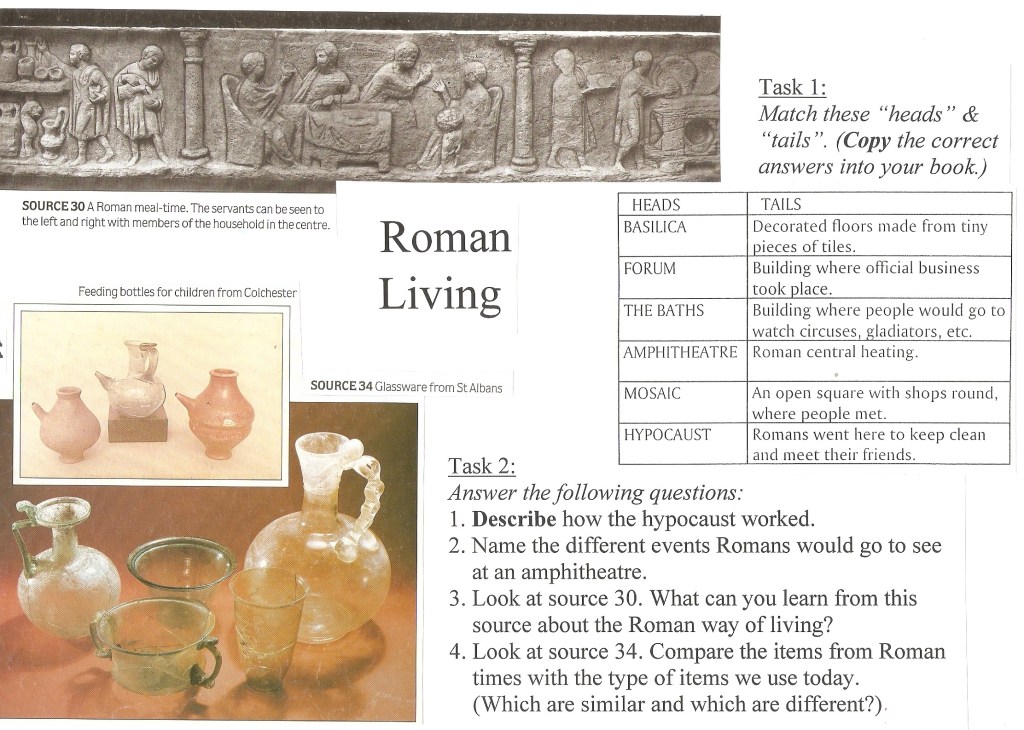
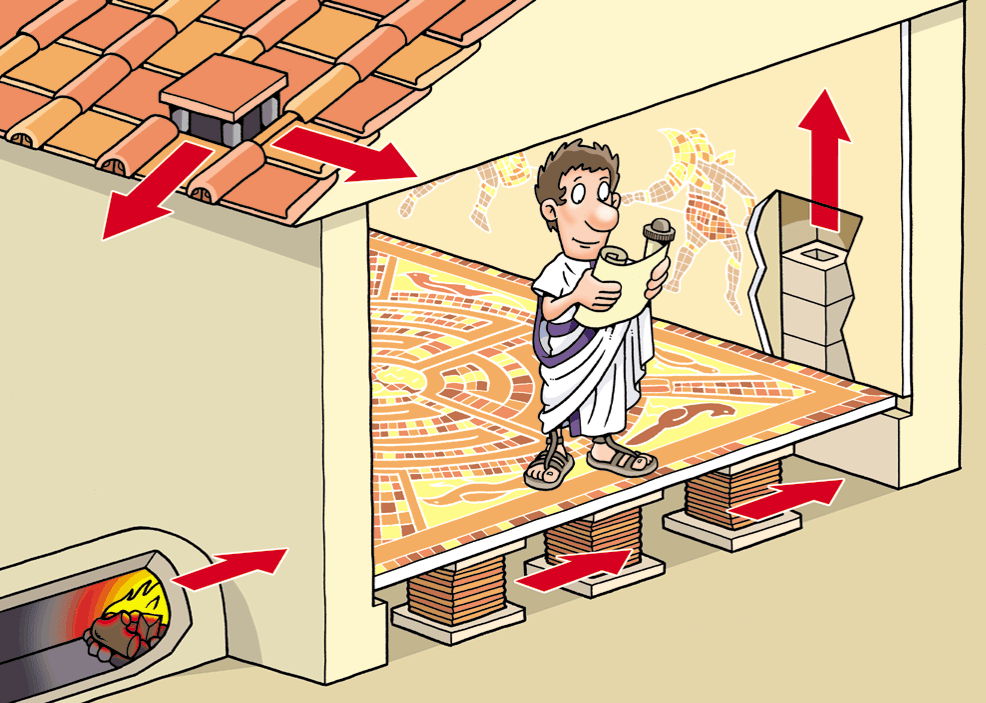
… all the information about Roman Homes, from p.26-27.
2.
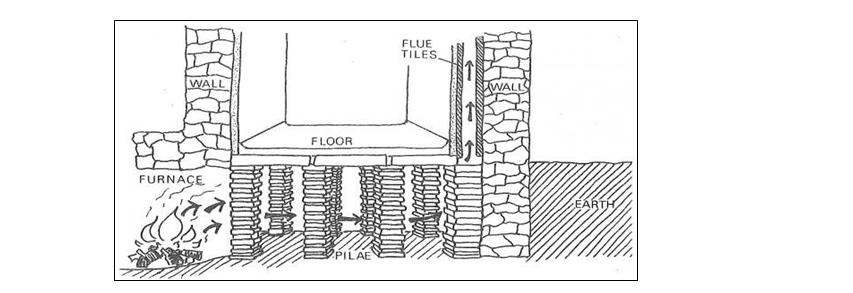
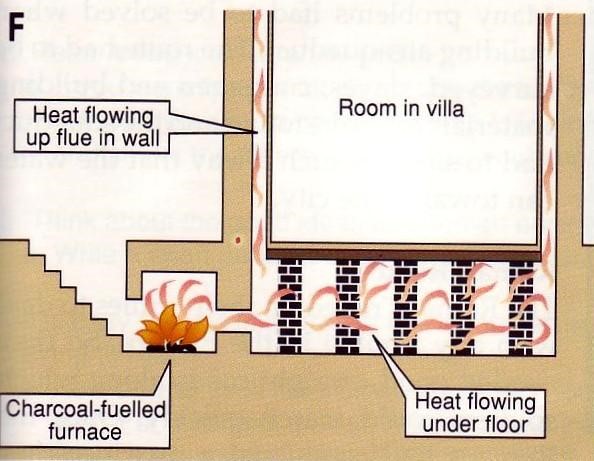
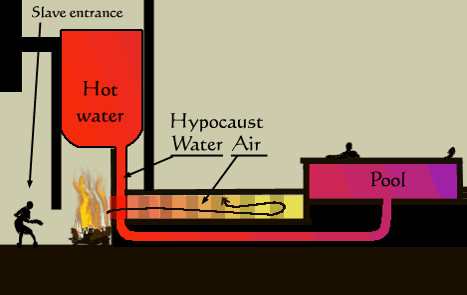
Below are more images that illustrate how the Romans made their houses warm:
Compare Roman ways with our ways of heating the home. (The Roman way of heating homes is not that much different to our modern day ways of making our homes warm! Or is it?)
SOME IDEAS:
Our central heating is very similar to the Roman way of warming water.
We also use wood fires, like the Romans.
In addition, we also make use of electricity to keep our houses warm (with heaters).
3.
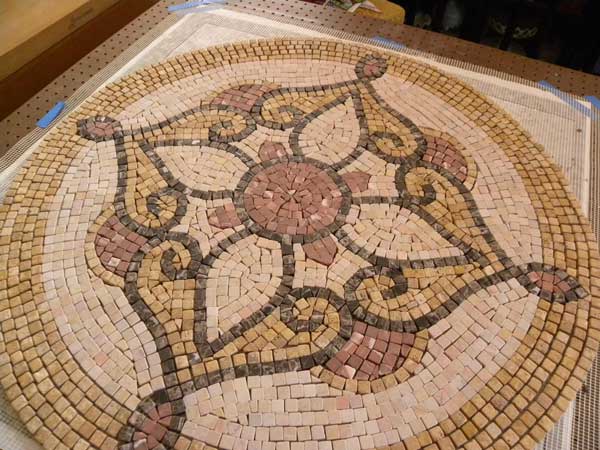
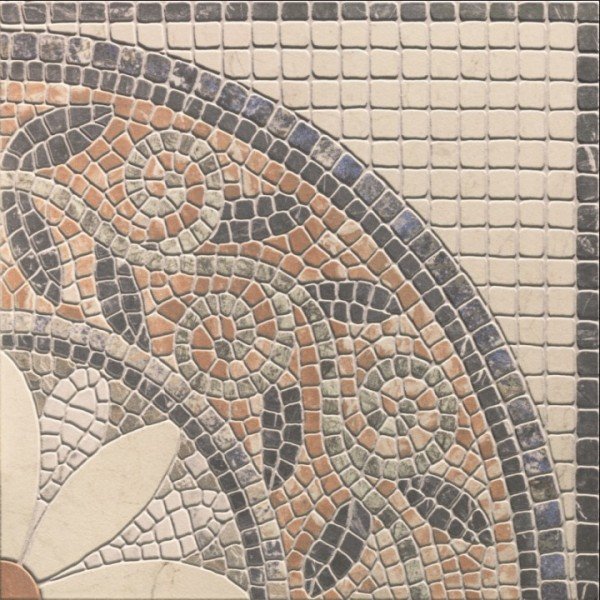
Also look at the mosaics below. Which one is the modern day mosaic? How do modern mosaics compare to Roman mosaics?
SOME IDEAS:
The last mosaic is the modern mosaic.
The tiles seem to be mass produced, unlike the Roman mosaic tile which appears to be hand-made.
We use decorative patters, like the Romans did.
4.
The video below shows us a bit more about the lay-out of Roman houses.
Roman Housing. (3:47 minutes long)
5.
Watch this film about Roman Homes, made by previous Y7 students!
Roman Homes. (9:53 minutes long)
6.
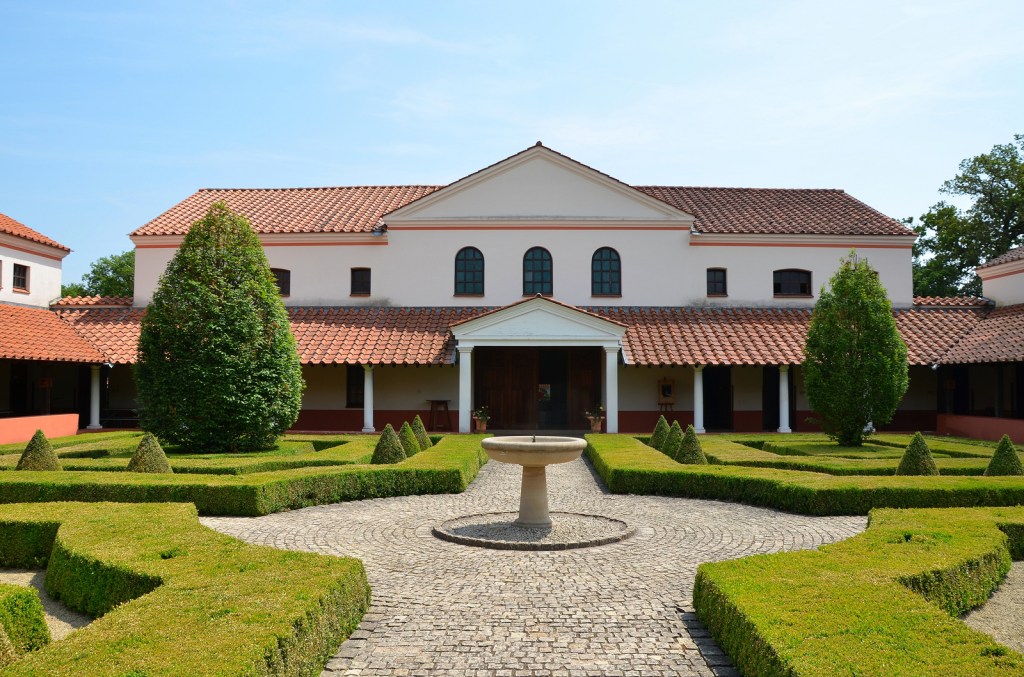
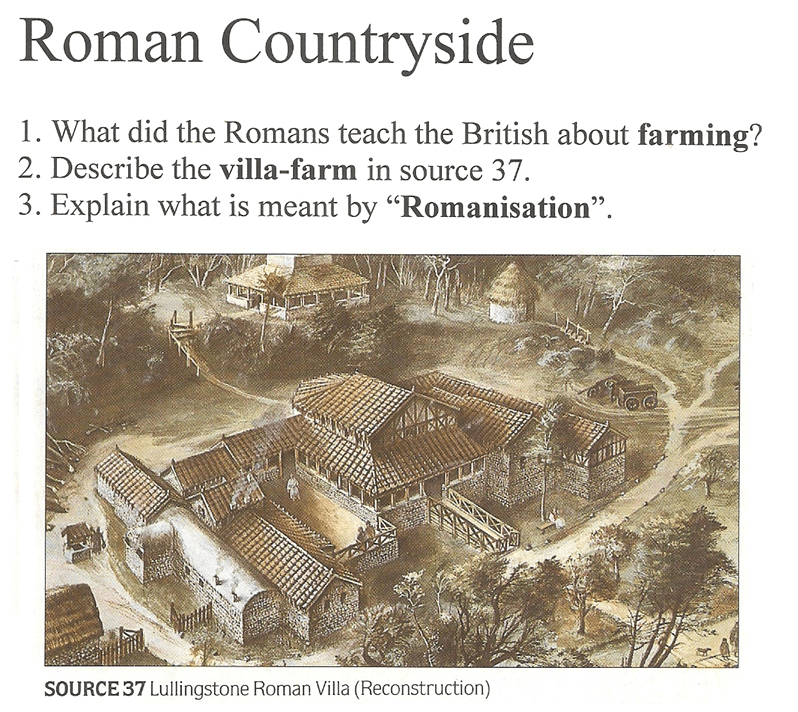
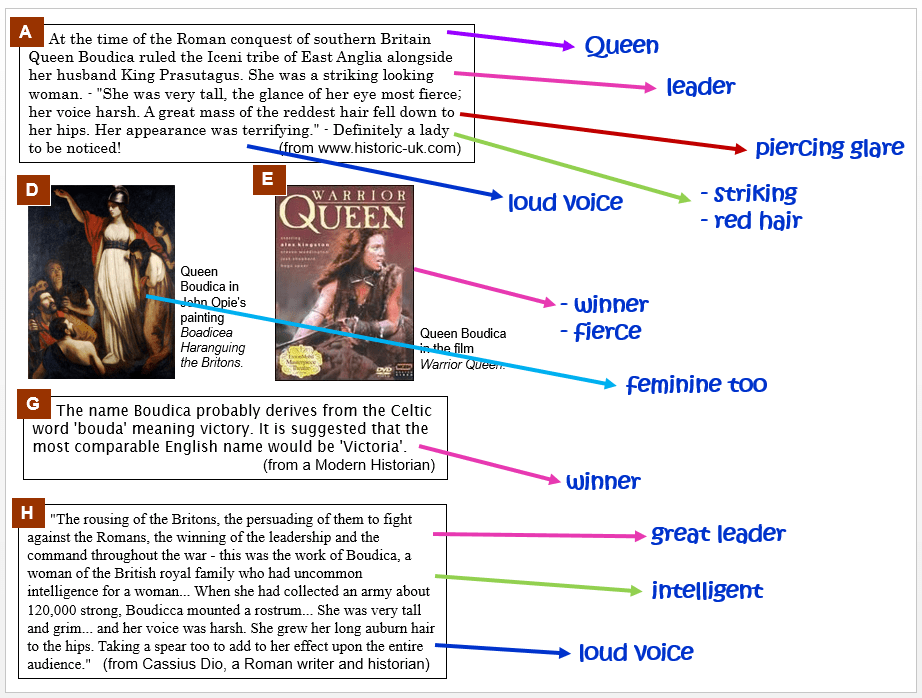
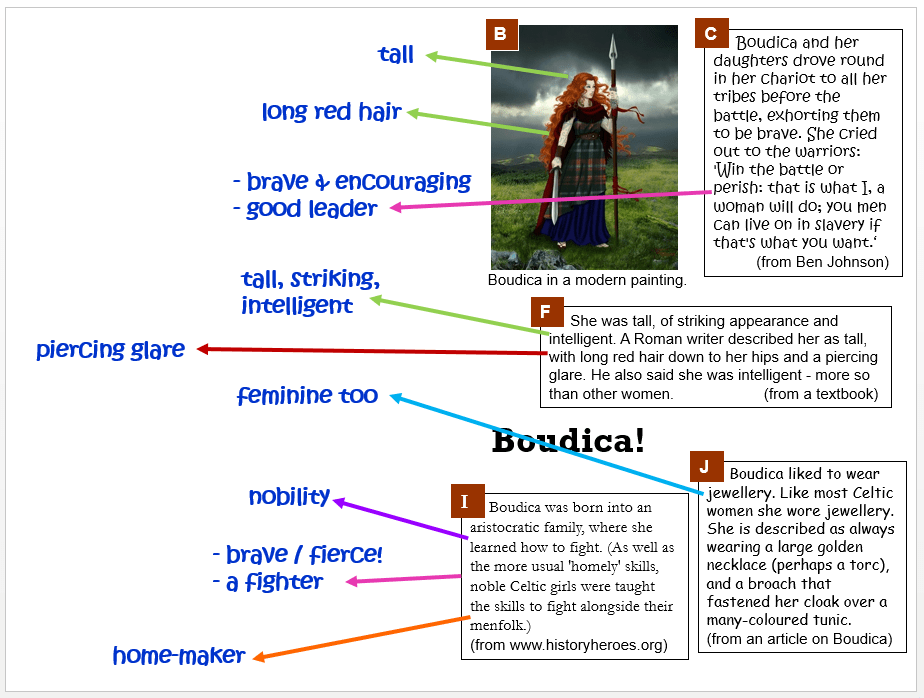
Of course there were also some Romans who lived in the countryside as farmers. They lived in large villas. Answer the three questions about Roman living in the countryside…
This is some of the information that you could have used in your answer:
2.
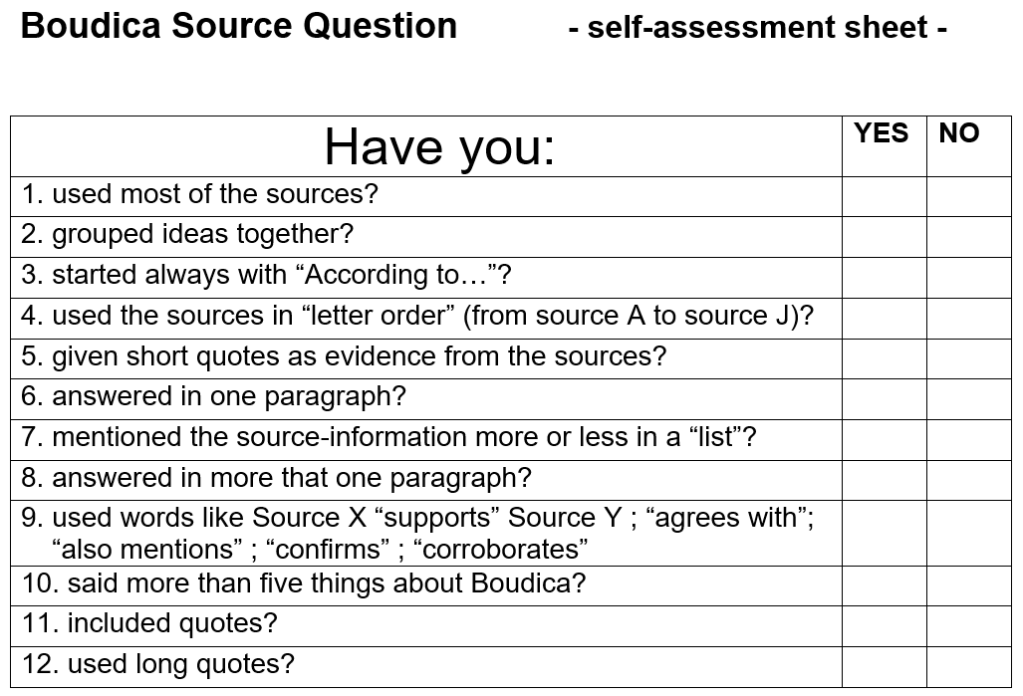
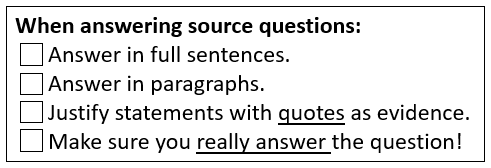
Now, use the tick-list below to assess your answer:
3.
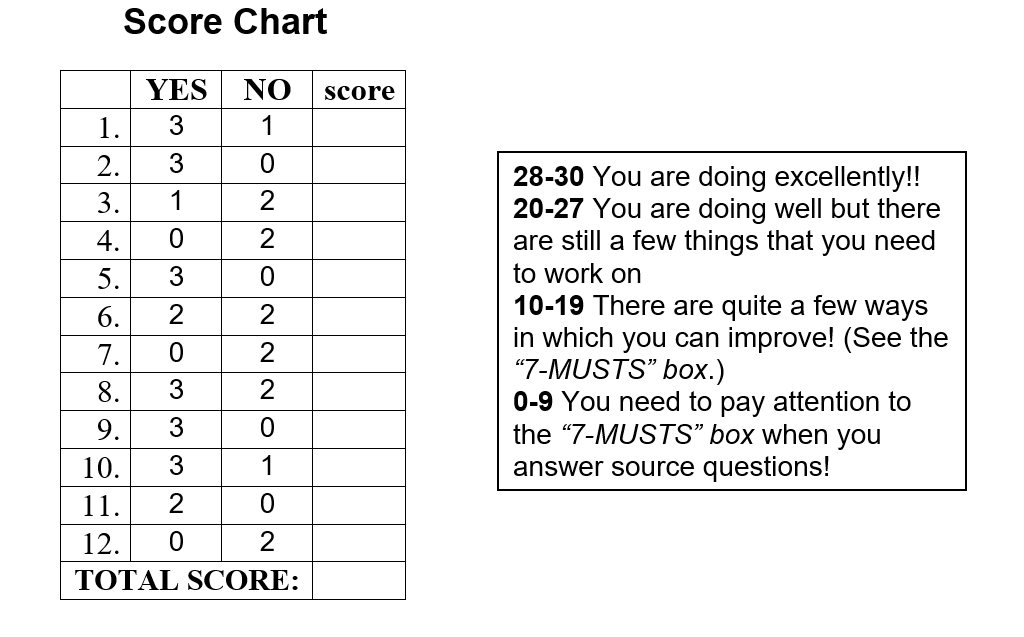
Now, use the score sheet to assess your answer further…
(Look back at your tick-list and give yourself points as shown in the score chart below. Then add up the total score and read what the result shows us about your answer!)
4.
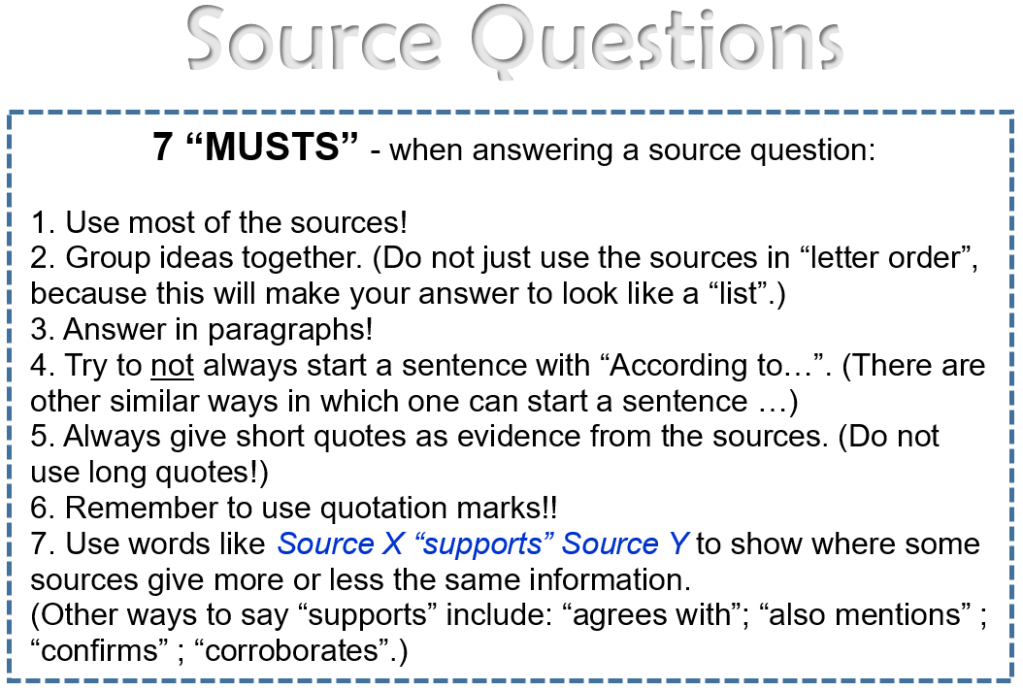
Let’s see what is really essential to remember when answering a source question:
5.
There are different ways in which you can say “According to”. Copy these phrases into your book!
In the future, your source work may be teacher-assessed, using the following criteria:
Today you are going to look at changes made in Russia under Bolshevik rule…
1.
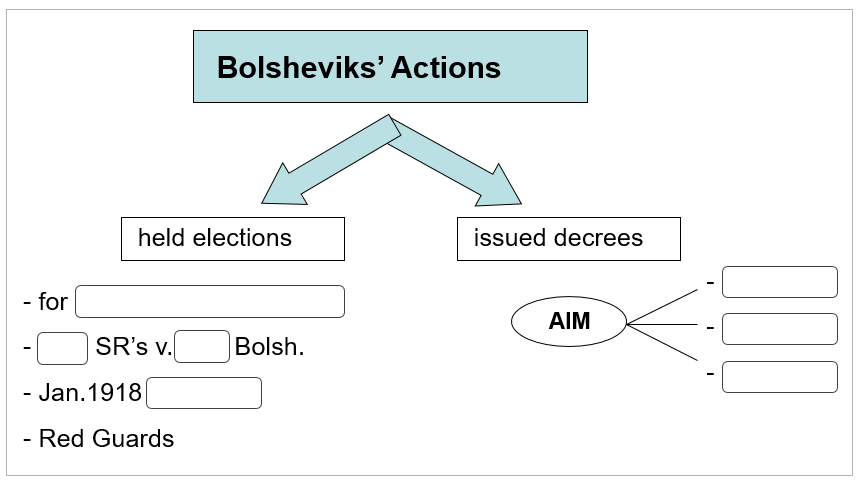
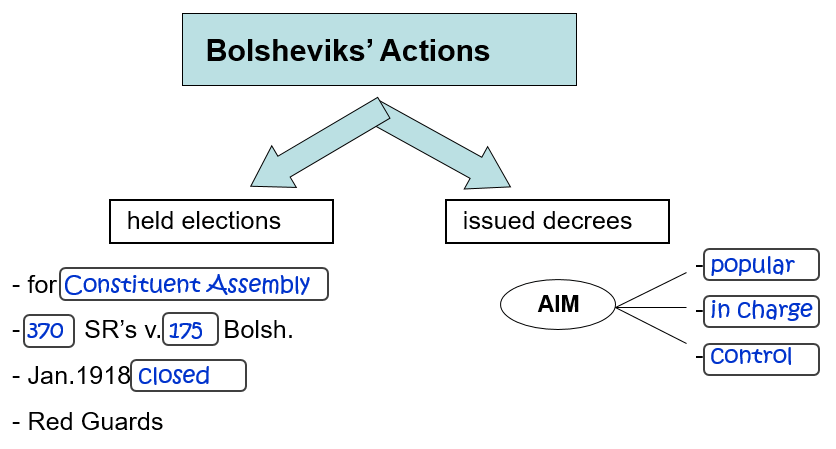
Let’s see what action the Bolsheviks took shortly after taking power in Russia…
Bolshevik Actions. (1:42 minutes long)
2.
Complete the missing information on this worksheet about “Bolshevik Actions”.
SOLUTION:
3.
Read “The establishment of Bolshevik Rule”, p.16.
4.
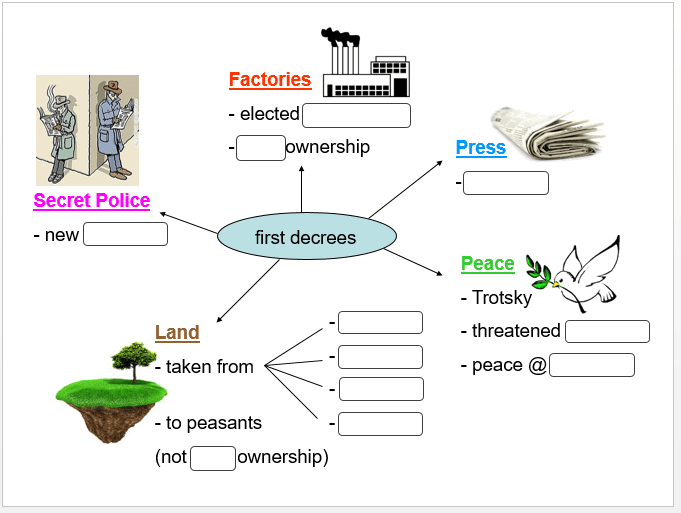
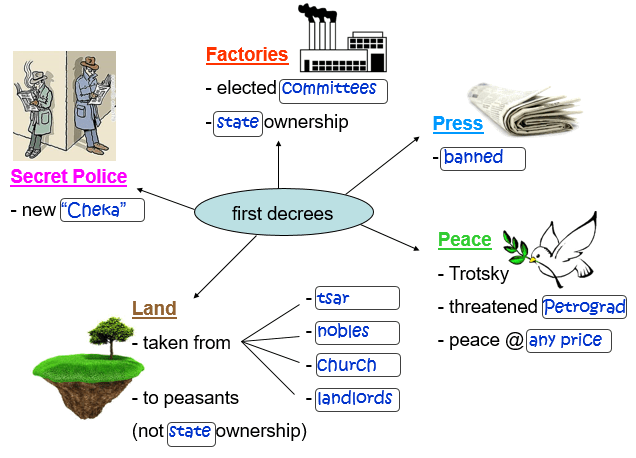
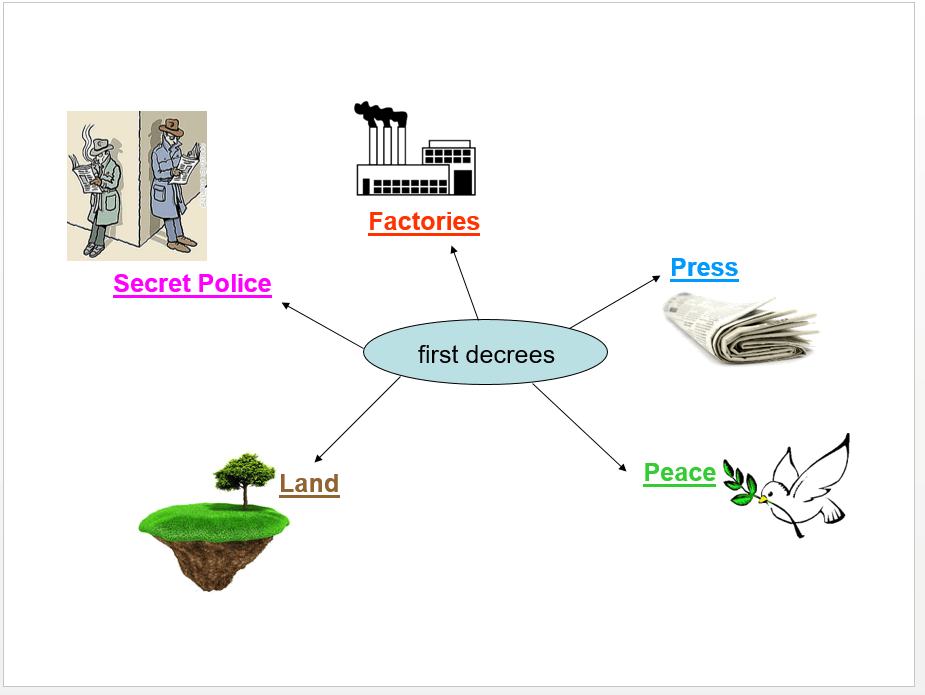
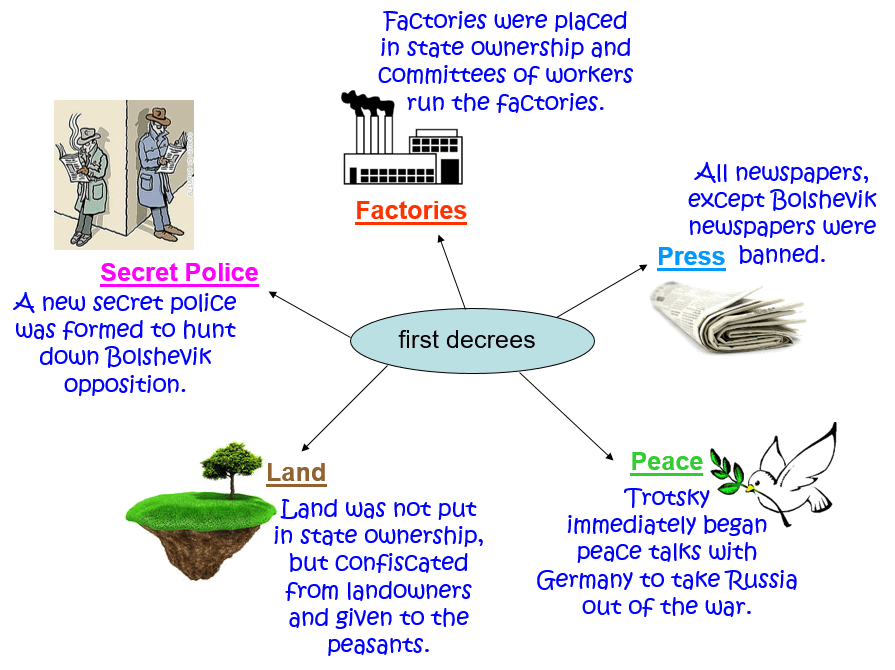
Use the spider diagram below to show the first decrees issued by the Bolsheviks. For each of the points on the diagram, write one sentence to say what decree the Bolsheviks made.
SOLUTION:
5.
So, how did life in Russia change after the Bolsheviks took over?
Changes in Russia. (2:33 minutes long)
6.
“The establishment of Bolshevik Rule (1917-1924)”, p.17.
7.
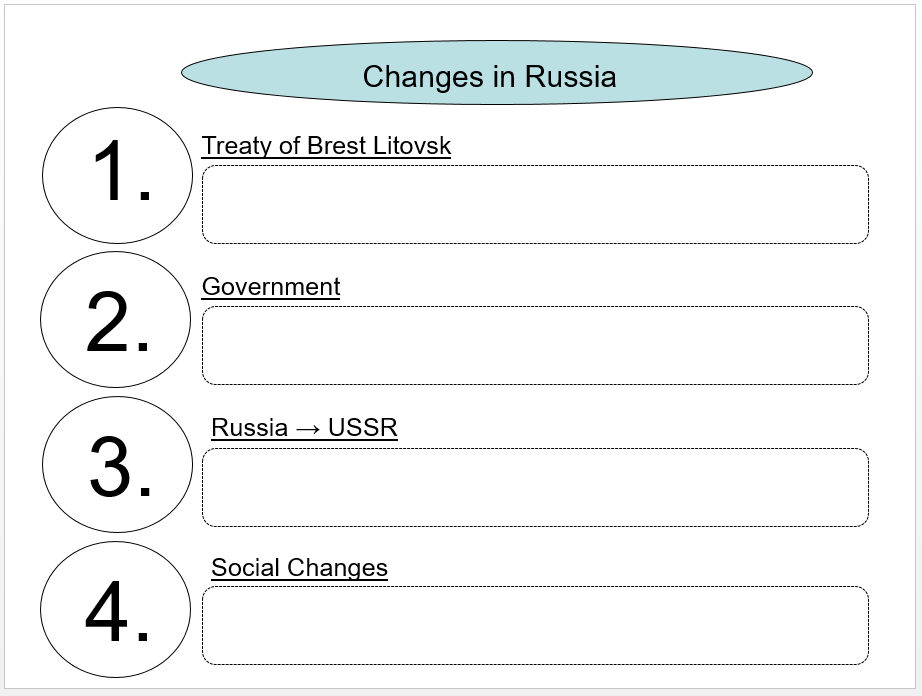
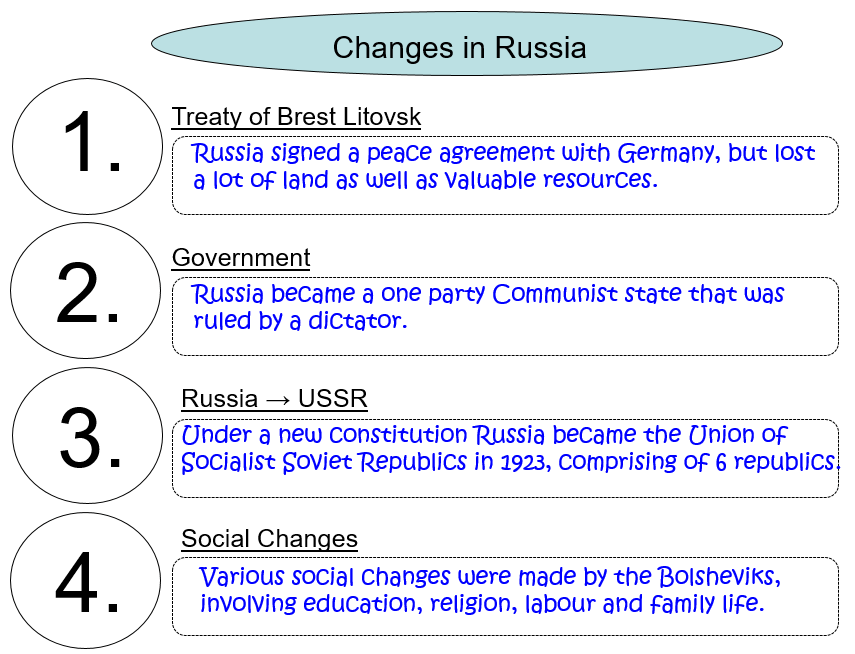
Finally, complete the worksheet (below) to show what changes took place in Russia shortly after the Bolsheviks took power.
1. For the first part of the worksheet (titled “Changes in Russia”) simply write one sentence to show what changed in Russia.
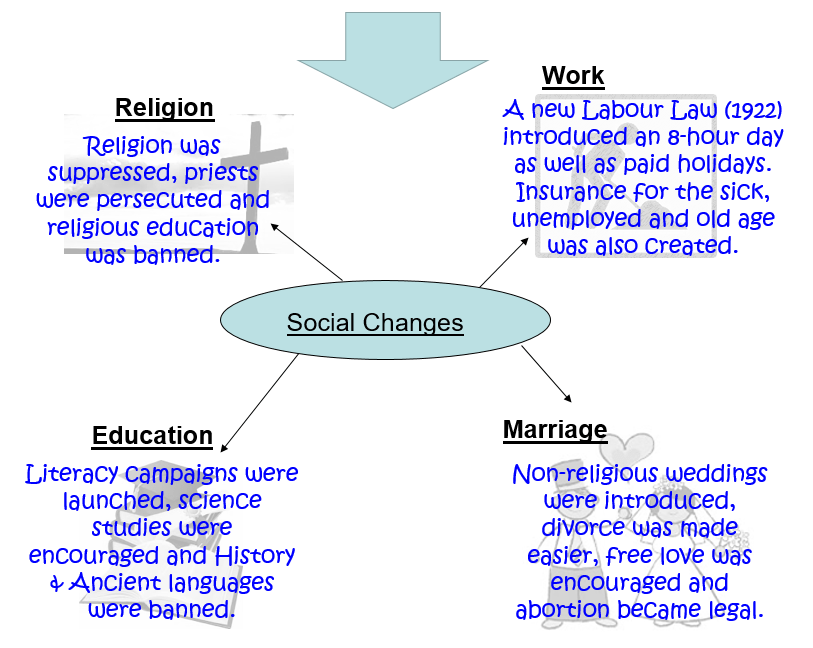
2. For the second part of the worksheet, use the spider diagram on “Social Changes” to show how life in Russia changed under Bolshevik rule. Again, for each of the points on the diagram, write one sentence to explain the social change.
Today you are going to continue with the 4-mark exam questions!
1.
In the previous lesson, we looked at typical 4-mark exam questions. We discussed the following questions from the list:
2. Who were the Mensheviks? [4]
7. What were Soviets? [4]
14. What were the April Theses? [4]
17. What were the July Days. [4]
18. What was the Kornilov Affair of August 1917? [4]
Now it is time to do these questions under “timed conditions”:
REMEMBER: If you know your work perfectly well, it should take you 5-7 minutes to do one of these questions!!
So, starting with question 2, work your way through the selection of questions above and answer each one (in a paragraph or two) while timing yourself to see how long it takes to do each question.
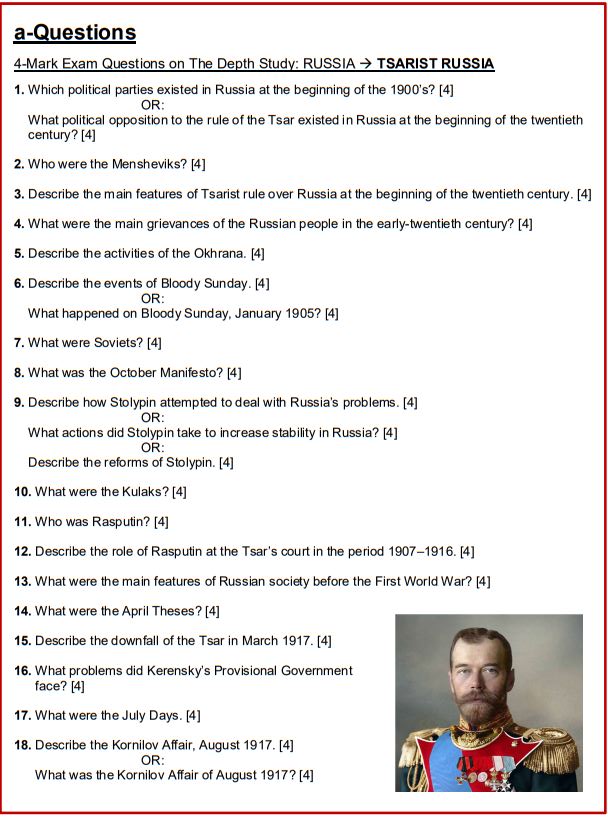
Here is the original list of typical 4-mark exam questions on Tsarist Russia:
Today you are going to look at 4-mark exam questions!
1.
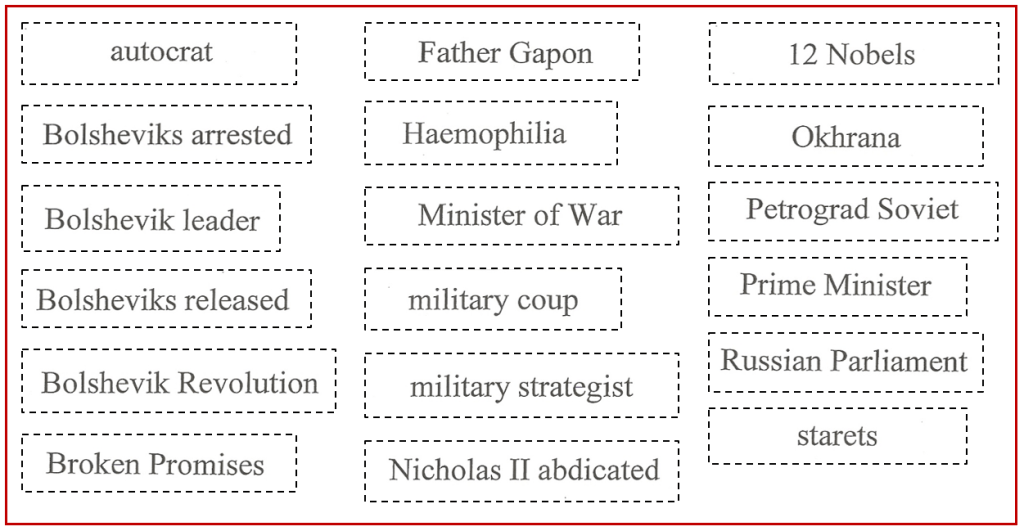
Before we look at 4-mark questions in more detail, let’s first do a bit of revision… See if you can match the terminology on pages 19 and 20 with the words on the Cut-And-Past sheet (provided).
Cut & Paste sheet:
SOLUTION:
(1:43 minutes long)
2.
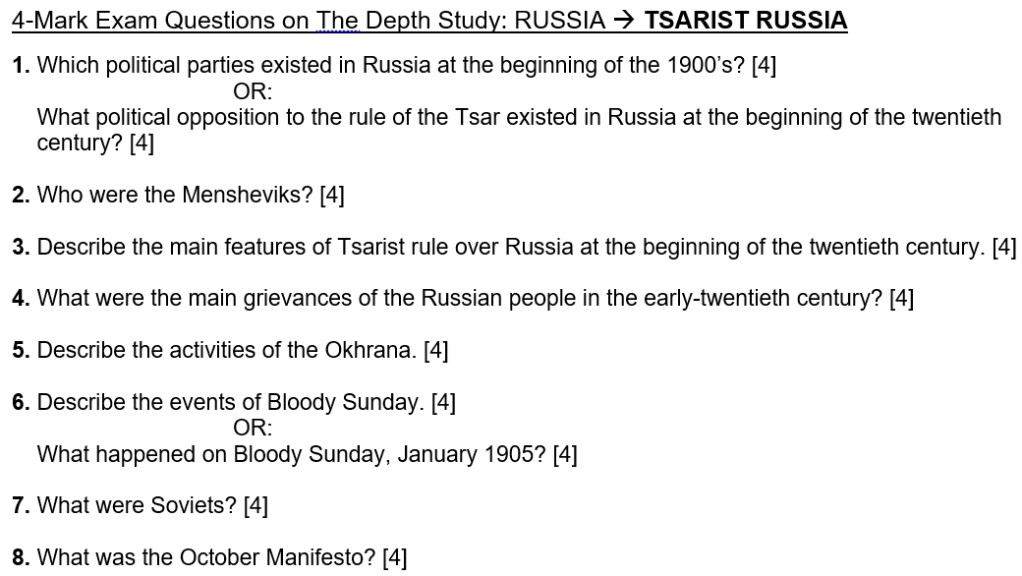
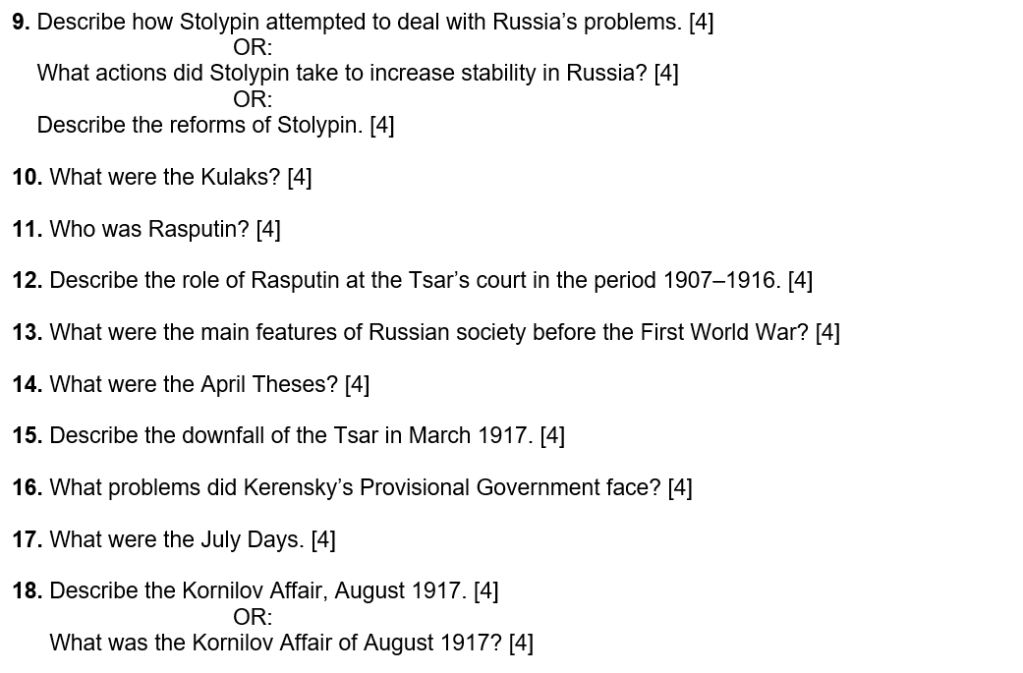
Here is a list of typical 4-mark exam questions. These questions were taken from previous exam papers. It is very important that you are able to answer all of them.
If you know your work perfectly well, it should take you 5-7 minutes to do one of these questions. So, doing all of them, without taking any breaks, should take you about 2 hours…
Don’t worry! You are not going to do all of them now! We will only do a select few for now. It is, however, important to go through the entire list and make sure that you are indeed able to answer any of these questions should you get them in an exam.
3.
So, let’s start by discussing the following questions:
(Share you ideas regarding the answers to these questions with the rest of the class.)
2. Who were the Mensheviks? [4]
7. What were Soviets? [4]
14. What were the April Theses? [4]
17. What were the July Days. [4]
18. What was the Kornilov Affair of August 1917? [4]
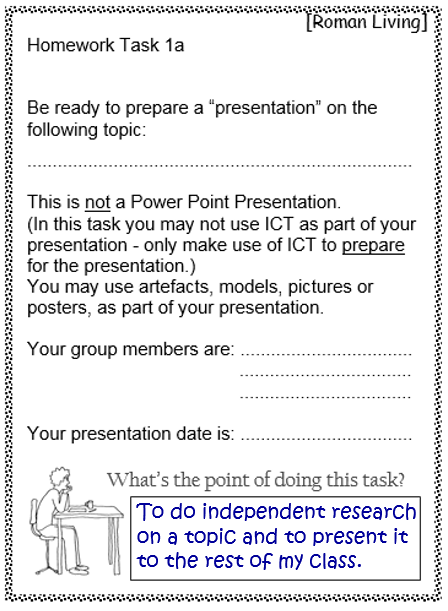
Search on Google for relevant information and print out the necessary pages, so that you can use them in the next lesson to work from, in preparation for your presentation!
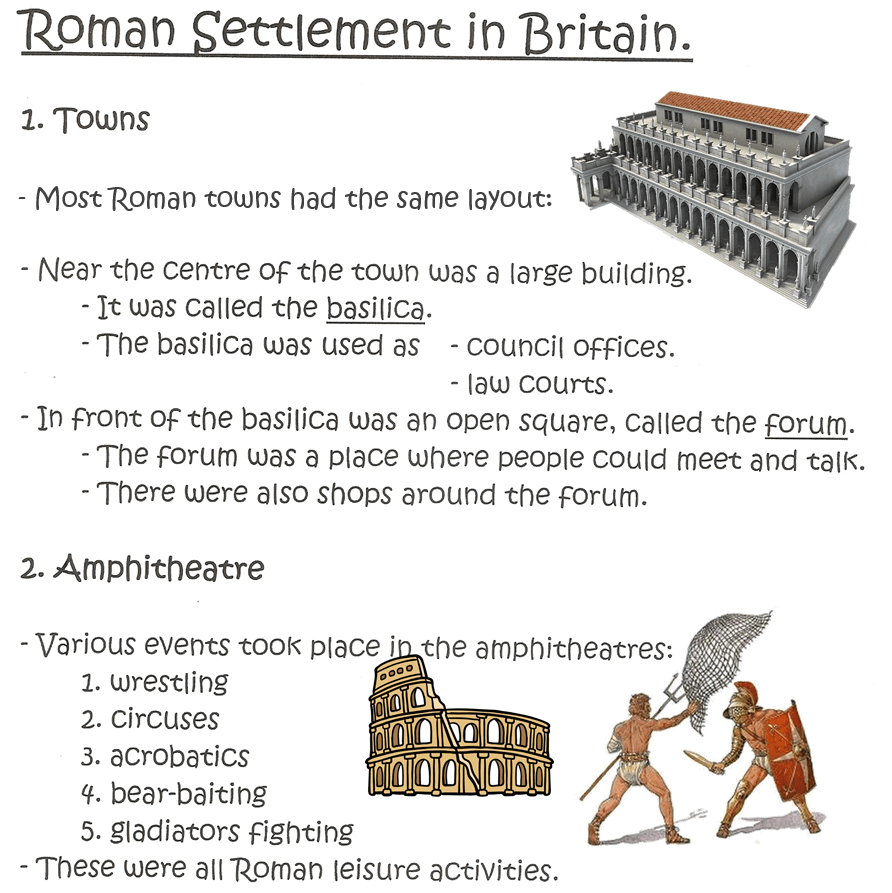
The Romans changed Britain – let’s see in which ways the Romans changed Celtic life.
The Romans changed Britain. (1:42 minutes long)
3.
Pages 21-22
4.
For now, we will not further discuss the information in your workbook, as we will look at all these aspects of Roman Life in Britain in greater detail over the next few lessons. However, let’s watch a short video that gives more information about how the Romans changed life in Britain.
How Did The Romans Change Britain? | History in a Nutshell. (3:32 minutes long)
5.
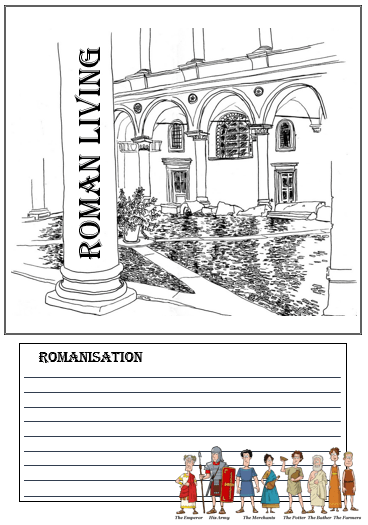
Stick the title page for “Roman Living” into your book.
6.
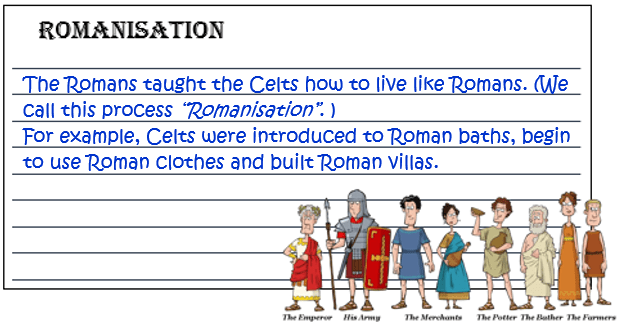
Copy the definition for Romanisation onto the title page.
7.
Finally, colour in the title page!
8.
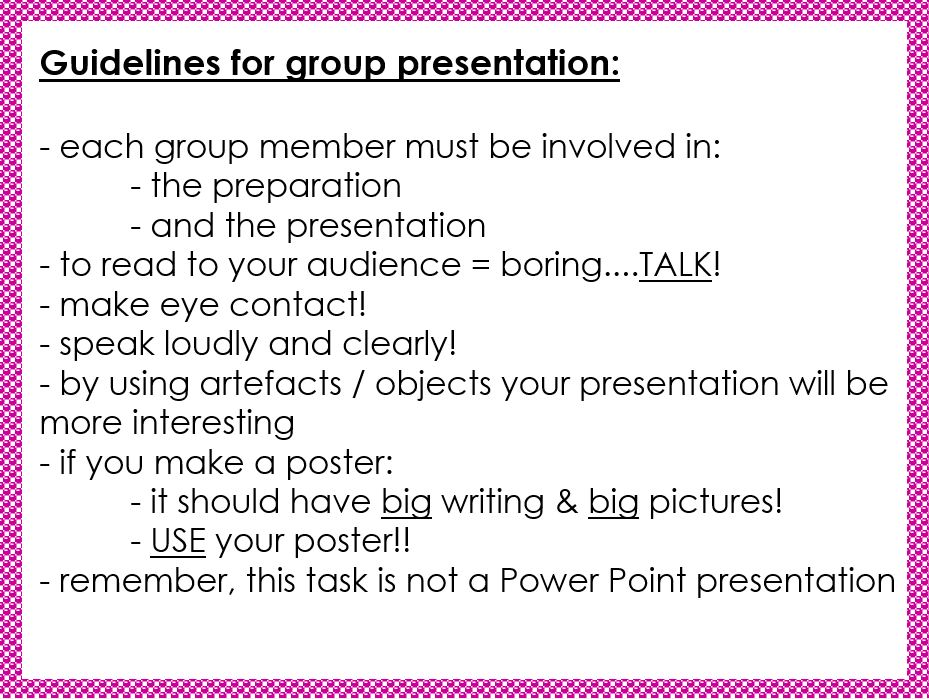
(Read the presentation guidelines on p.23 – if you were asked to do a presentation.)
Today you are going to look at the Kornilov Revolt and how it impacted on support for the Bolsheviks!
1.
Look at the following video clip. It is a brief explanation of the growth of Bolshevik membership, including the so-called “July Days” and the “Kornilov Revolt”…
The June Offensive and the Kornilov Revolt. (3:02 minutes long)
2.
The information about “The July Days” & the information about “The Kornilov Revolt”, p.14.
3.
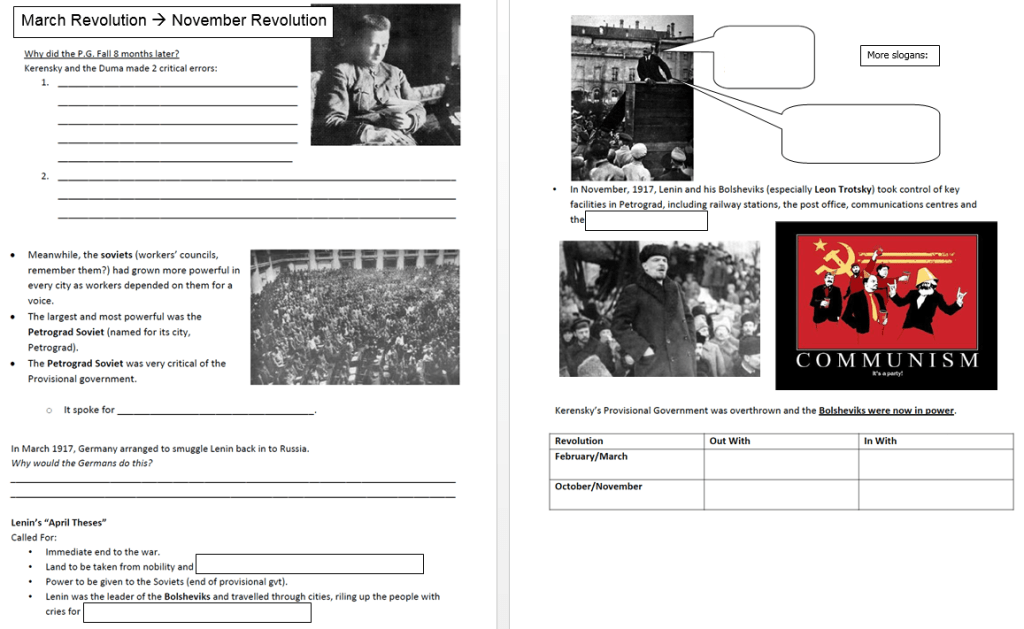
Now, complete the worksheet called “March Revolution to November Revolution”:
(Pages 13-14 in your Russian History booklet may be useful in this task…!)

























































































 Best study methods