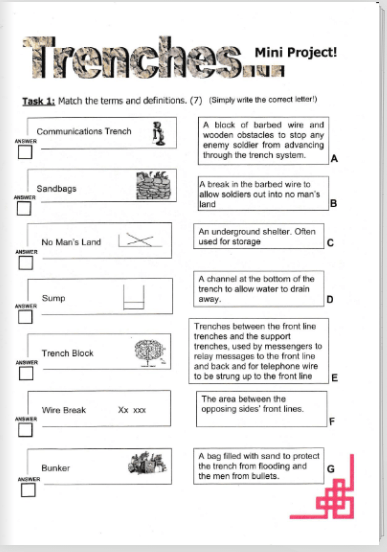
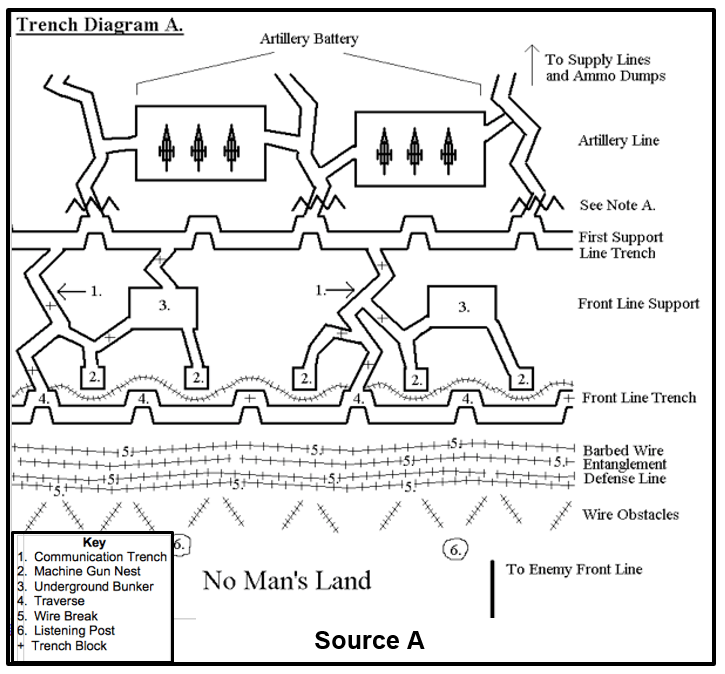
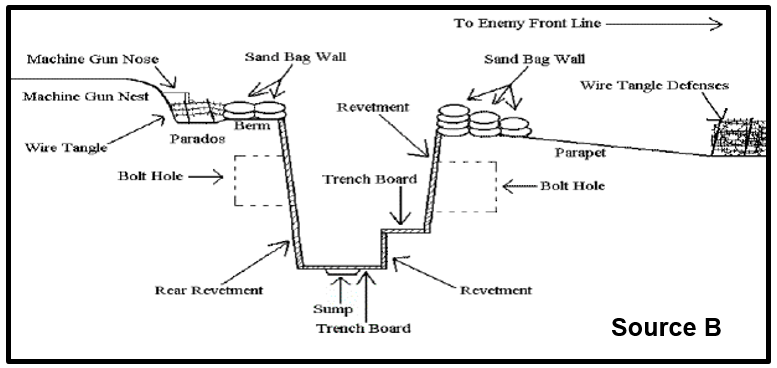
Put all your books away and complete the assessment project on Trench Warfare. You need to complete the task by the end of this lesson, to be handed in.
(You would have noticed that question 2 (above) is “teacher assessed”…)
3.
Now, put all your books away and complete the assessment project that will be handed out to you. You may use this lesson as well as the next lesson to complete this task.
Click on the booklet to access the assessment task:
Today we are going to look at features of Renaissance Architecture ….
Follow the instructions step by step:
1.
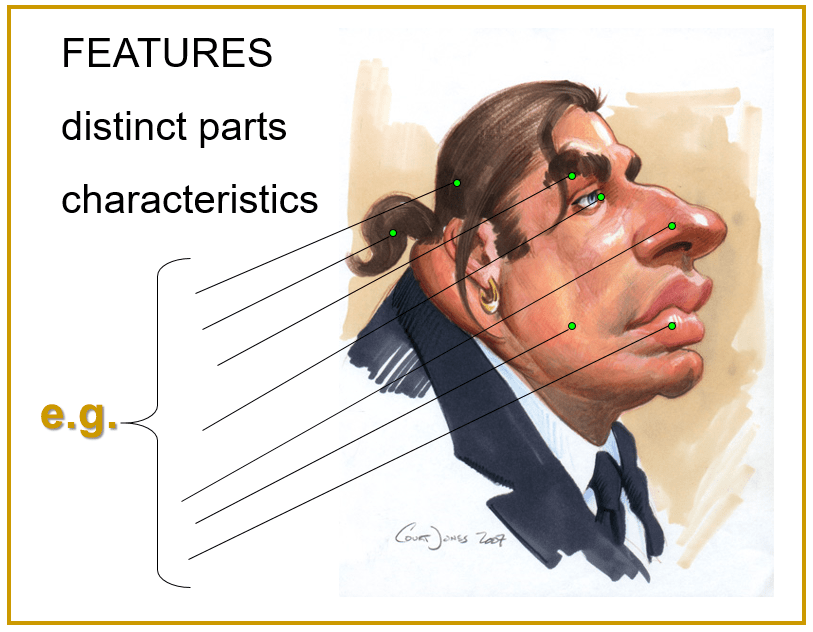
Do you know what is meant by “features”? If you had to describe the features of the man in the picture above, you will probably say that he:
has long brown hair
he wears a ponytail
he has thick bushy eyebrows
he has blue eyes
he has a very big nose
he has a fair Caucasian skin
he has very thick lips
So, “features” describe what the man looks like. When it come to architecture, we can use the words “features” or “characteristics” when we describe what a building from a certain period typically looked like.
2.
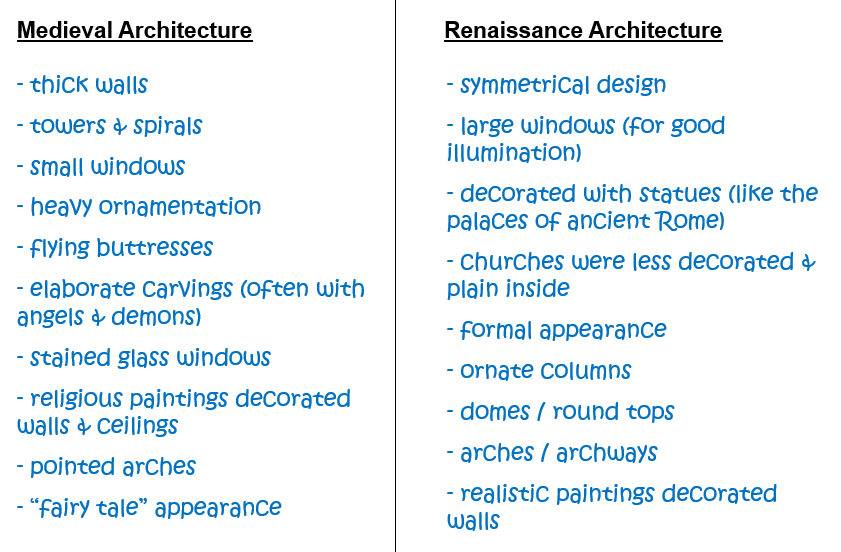
Now go to page 15 in your workbook and use the table to write down features of Medieval & Renaissance Architecture. The videos below will help you with this task.
The first video is a short lecture on Renaissance Architecture.
Renaissance Architecture. (2:27 minutes long)
The second video is another short lecture. This one is on the building styles of the Romanesque and Gothic periods. This simply means the Early Middle Ages (Romanesque) and the Late Middle Ages (Gothic).
Medieval Architecture. (2:33 minutes long)
The third video gives written information on characteristics of Renaissance Architecture. There is no presenter in this video. So, you need to read the information.
Renaissance Architecture. (3:23 minutes long)
3.
Let’s see if you were able to correctly write down some of the features of Medieval and Renaissance buildings:
Renaissance Architecture. (2:43 minutes long)
4.
Copy into your book (onto the table on p.15) the features that you have not written down or that you have missed out.
5.
Now, just to make sure you have a good understanding of the features of Renaissance architecture, look at this video clip:
And now for a bit of reading about the “Major Changes in Architecture.” …
Page 8
7.
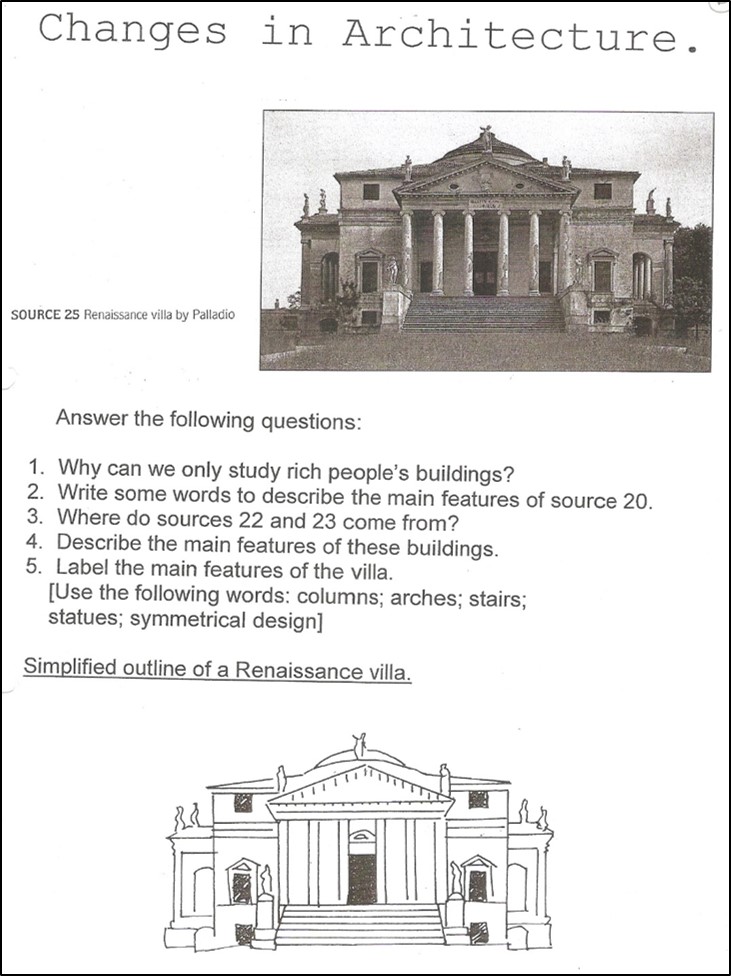
Finally, start doing the worksheet on “Changes in Architecture.” (p.18). You need to do questions 1-4 in your exercise book and do task number 5 in your Workbook – i.e. label the picture in your Workbook.
(If you are running out of time, do not worry! We will finish this in another lesson if you are unable to complete it in this lesson.)
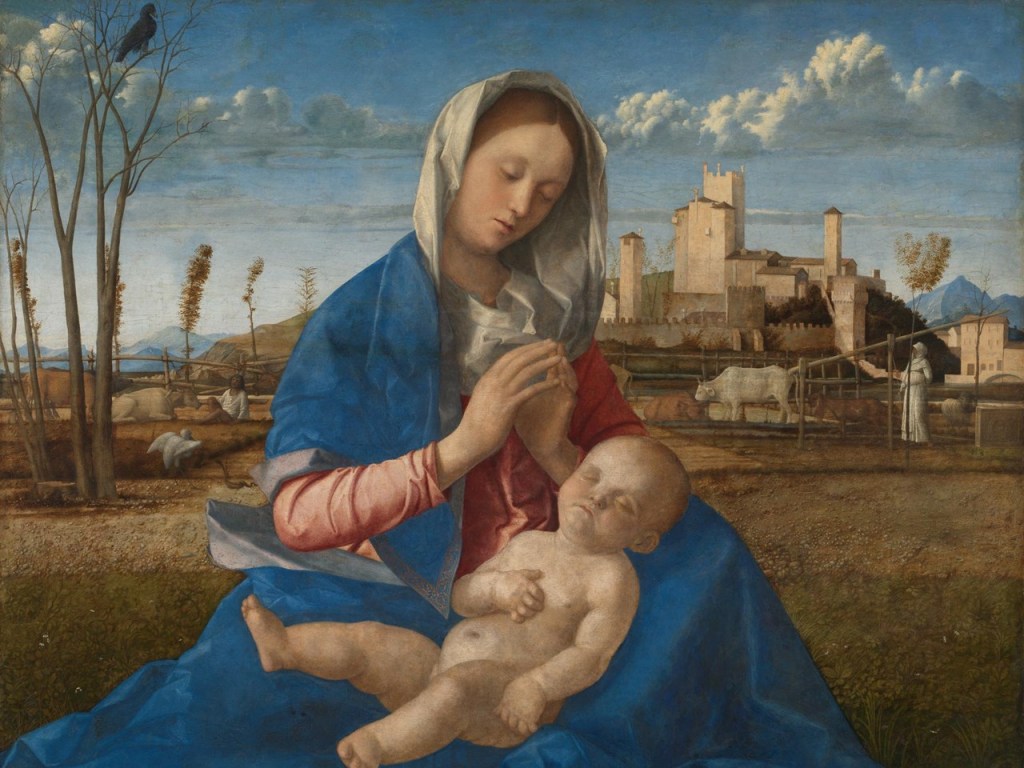
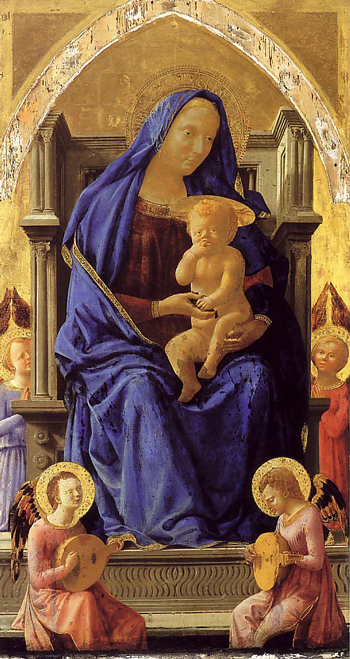
Now we are going to compare Medieval Art with Renaissance Art in a bit more detail. Look at the features of the Medieval Art and the Renaissance Art below:
Medieval Art
1.
This is a drawing of a foetus made in the Middle Ages.
2.
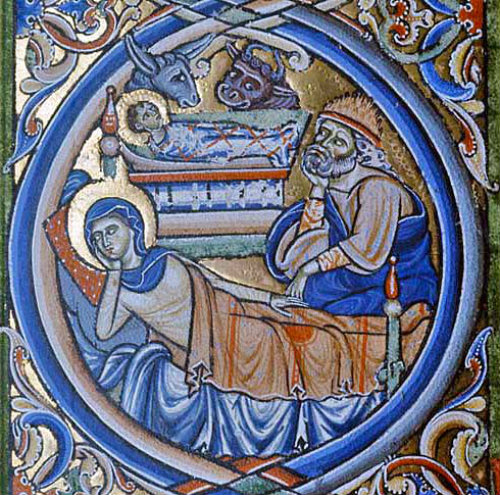
The Nativity of Christ from the Winchester Bible. This bible was made between 1150 and 1175 for the Winchester Cathedral. It is the largest surviving 12th-century English Bible.
3.
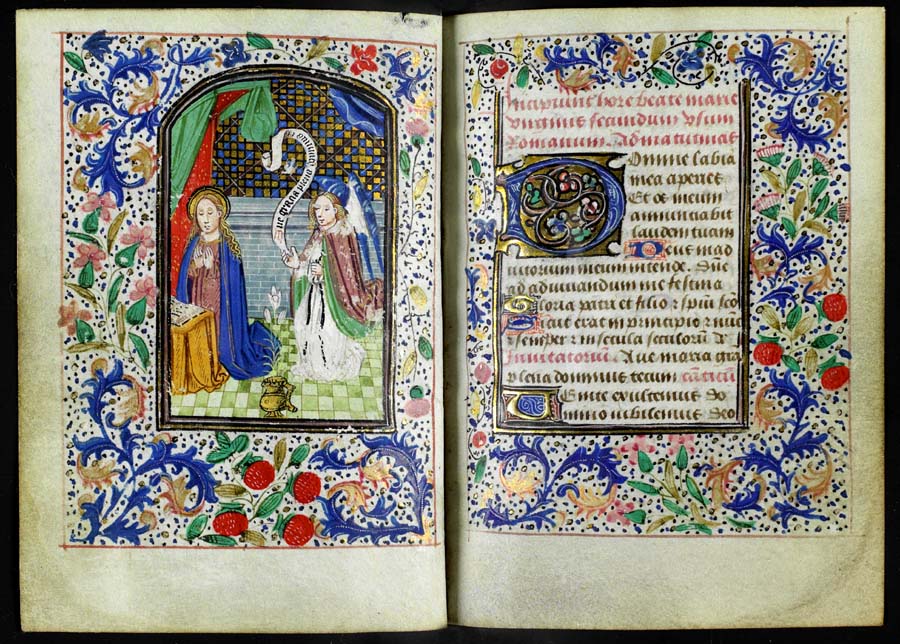
A handwritten Medieval Book of Hours. The book of hours is a Christian devotional book popular in the Middle Ages.
4.
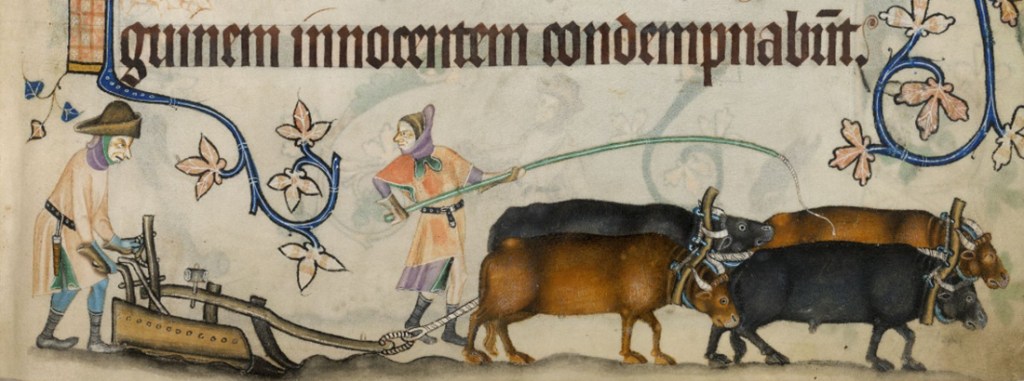
Even paintings that showed Secular (non-religious) subjects often had a religious purpose. This everyday farming scene was painted to decorate a Medieval prayer book.
5.
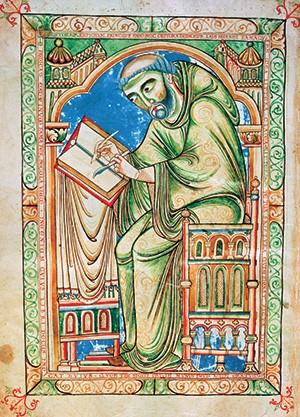
A monk producing a handwritten book. All books were copied by hand in the Middle Ages.
6.
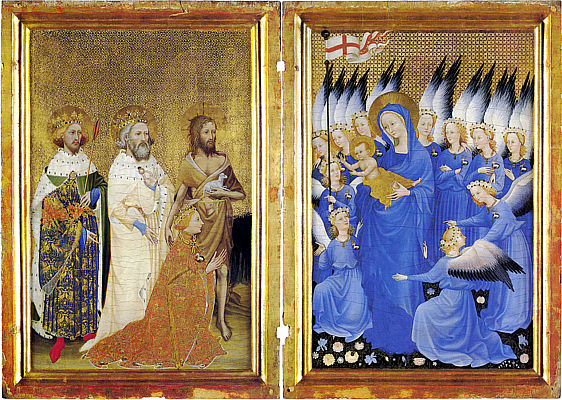
The Wilton Diptych. This is one of the most highly valued Medieval paintings today. It is a small portable diptych (a painting, especially an altarpiece, on two hinged wooden panels which may be closed like a book). The diptych was painted for King Richard II of England, who is depicted kneeling before the Virgin and Child.
Renaissance Art
1.
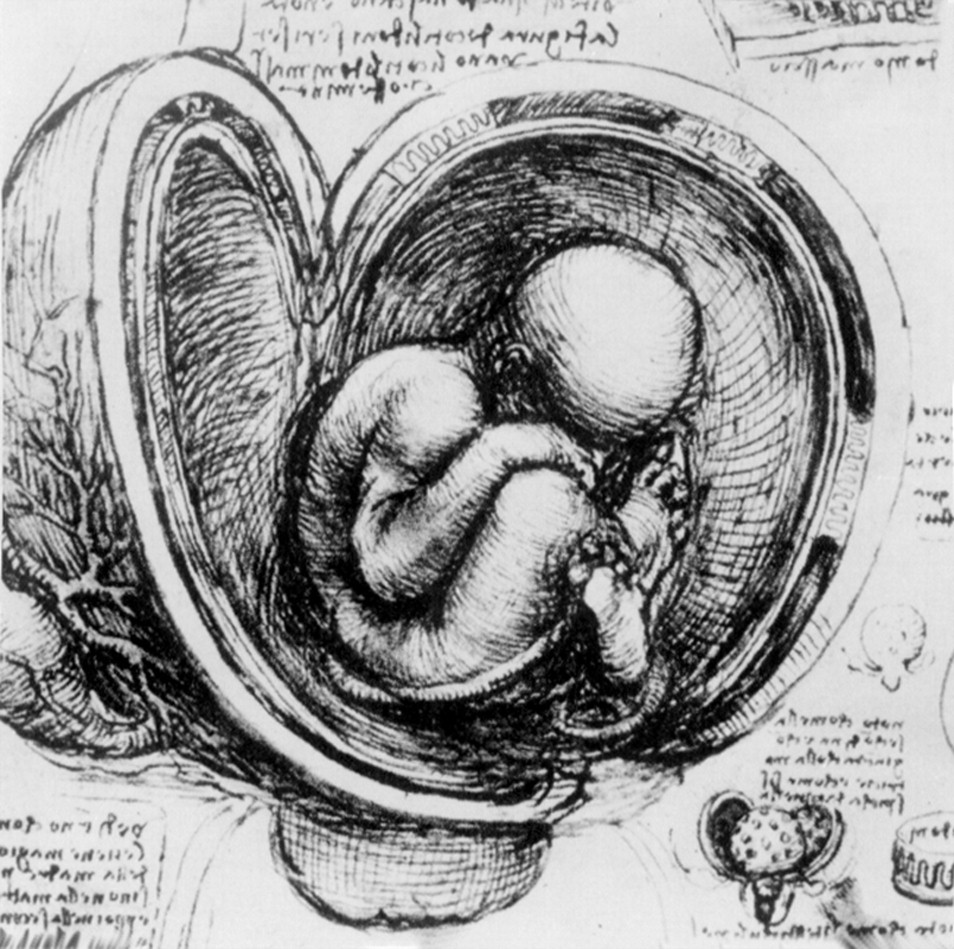
A drawing of a foetus, made by Leonardo da Vinci in 1510. It is remarkable and was not improved for more than two centuries.
2.
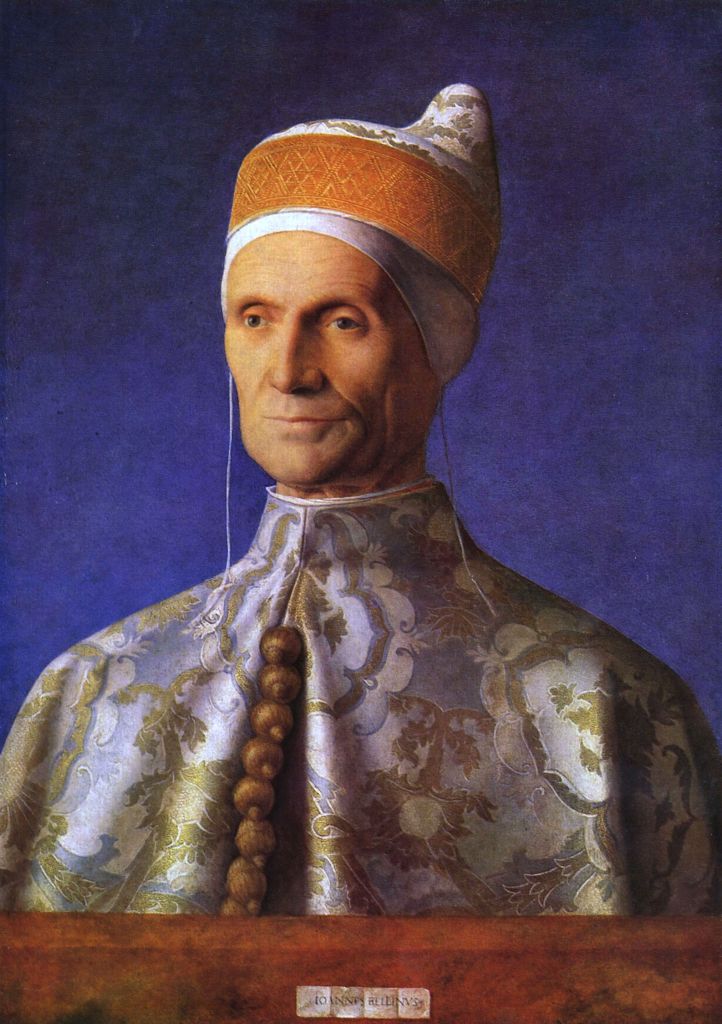
The Doge Leonardo Loredan by Giovanni Bellini. (A doge was an elected lord or chief of state in several Italian city-states.)
3.
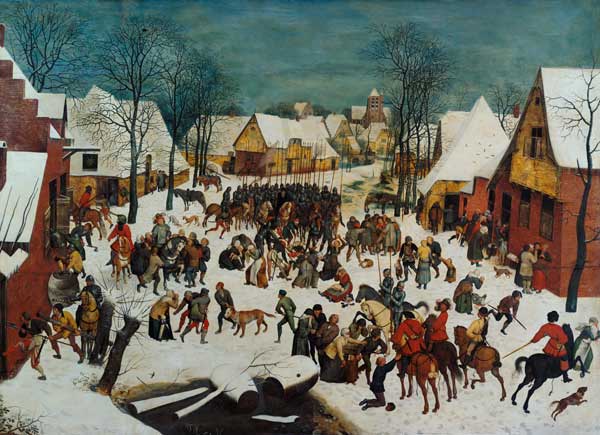
The Massacre of the Innocents by Pieter Breugel the Elder. It shows an event described in the Bible. When Jesus Christ was born, King Herod the Great, king of Judea felt so threatened by the birth of a new king that he ordered the execution of all male children two years old and under in the vicinity of Bethlehem.
4.
The Madonna of the Meadow, painted in Italy by Giovanni Bellini.
5.
The Virgin and Child, painted in Italy by Masaccio.
6.
Georg Gisze by Hans Holbien the Younger. Gisze was a prominent merchant in London.)
3.
Make a comparison by using the table to show how Medieval Art differs from Renaissance Art.
p.14
(Use the table to compare Medieval Art with Renaissance Art. You have to fill in the missing information on the table, using the various sources, above, of Medieval and Renaissance paintings and drawings.)
Here is useful vocabulary to use in your analysis:
Today you are going to look at Julius Caesar’s attempts to invade Britain.
Follow the instructions step by step:
1.
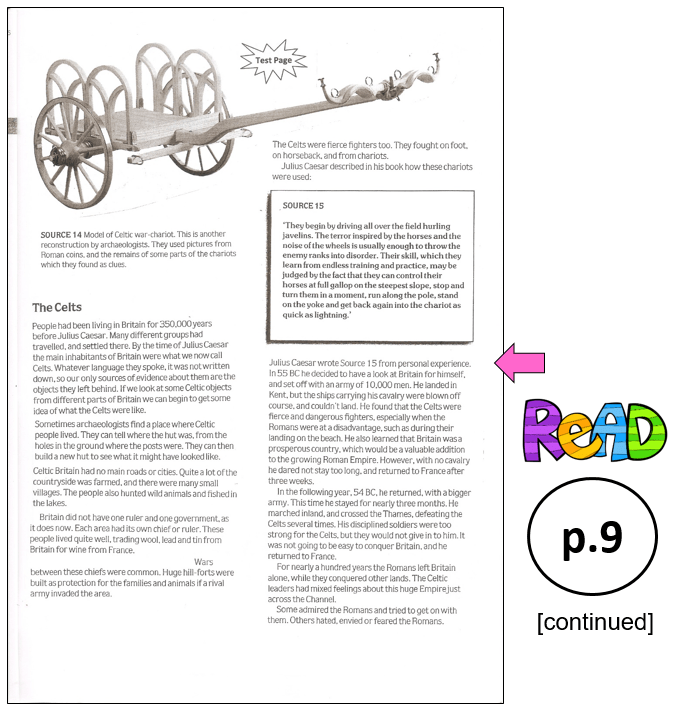
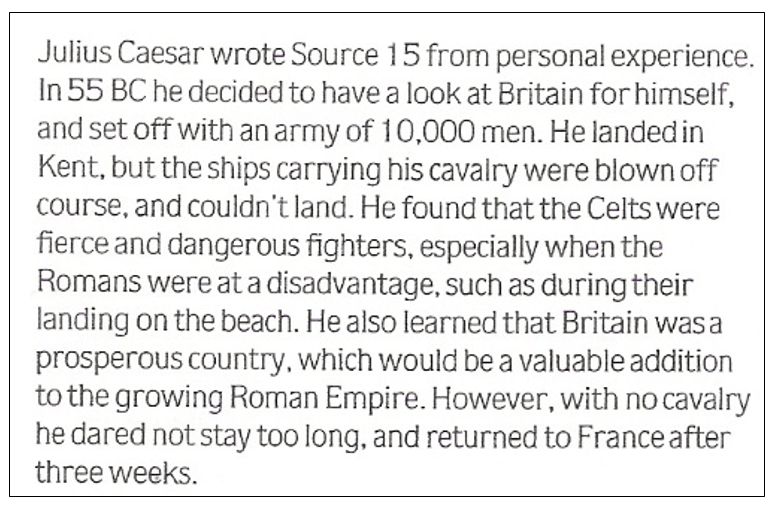
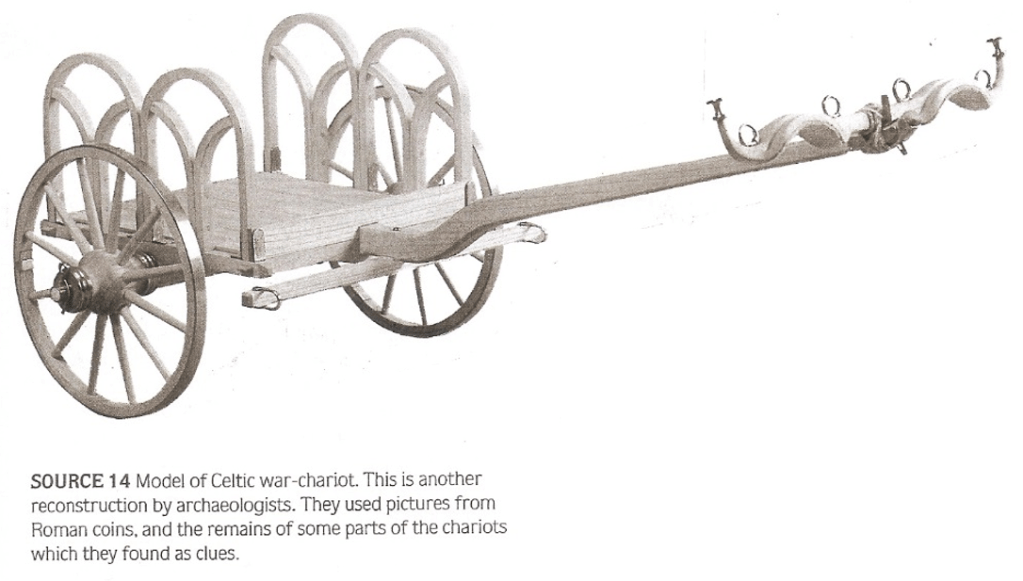
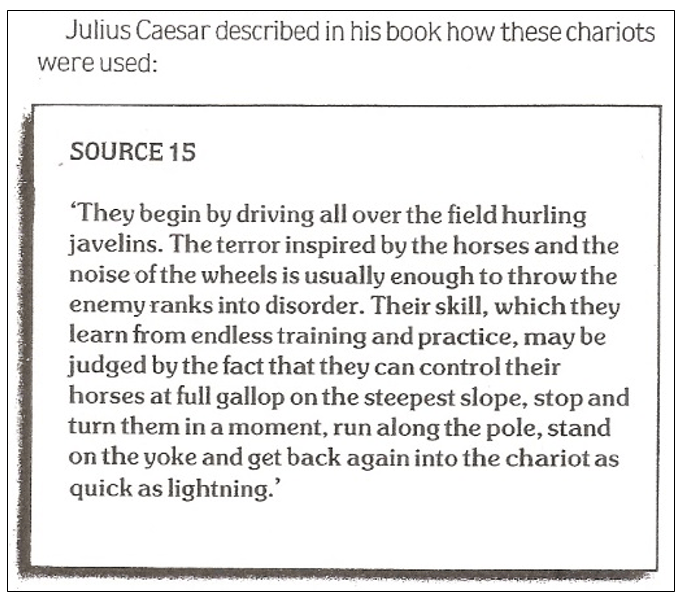
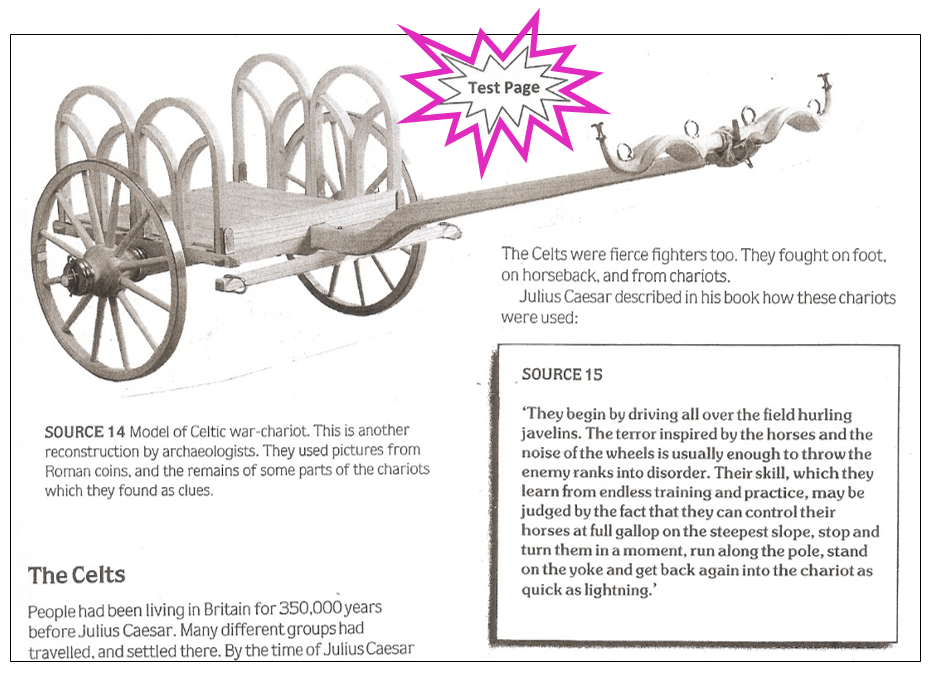
So, in the previous lesson we learnt that Julius Caesar heard about the Celts from merchants and he wrote in his diary how skillful the Celts were at using chariots during battles. Here is a reminder of what we read in the previous lesson about the Celts and their chariots:
2.
Now, let’s see what Julius Caesar did next…
Roman Invasion – Julius Caesar. (2:51 minutes long)
3.
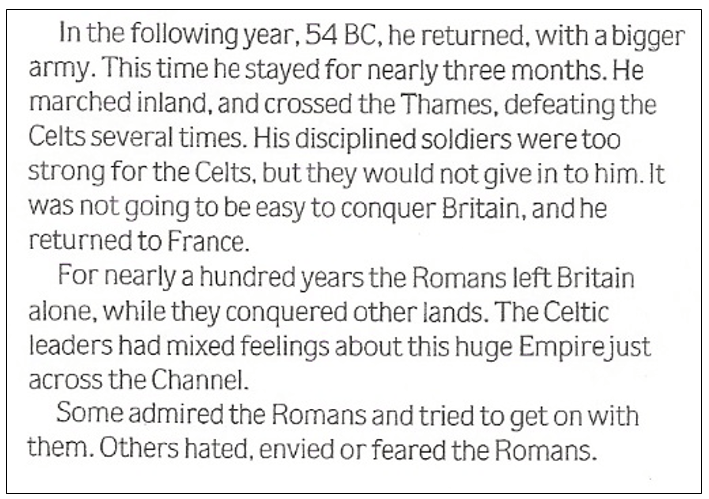
Let’s read the same information from your textbook as well:
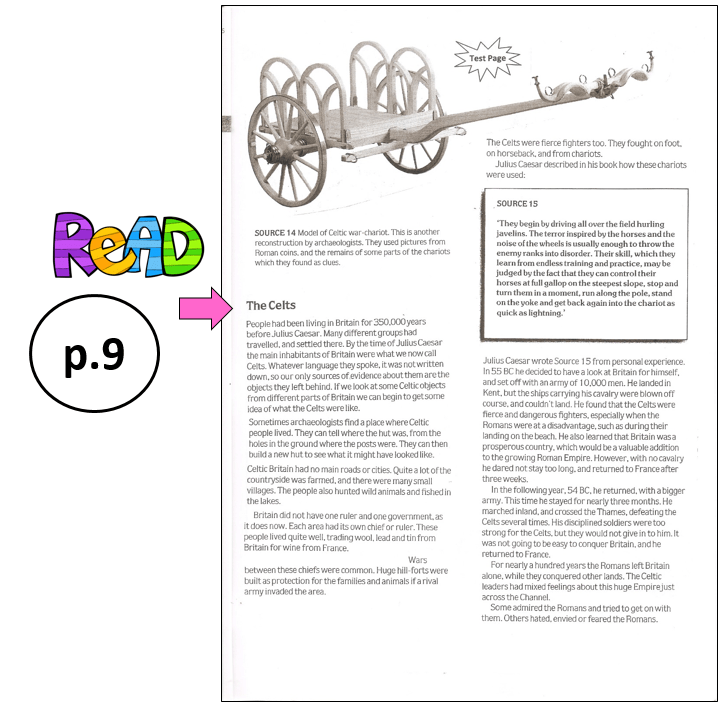
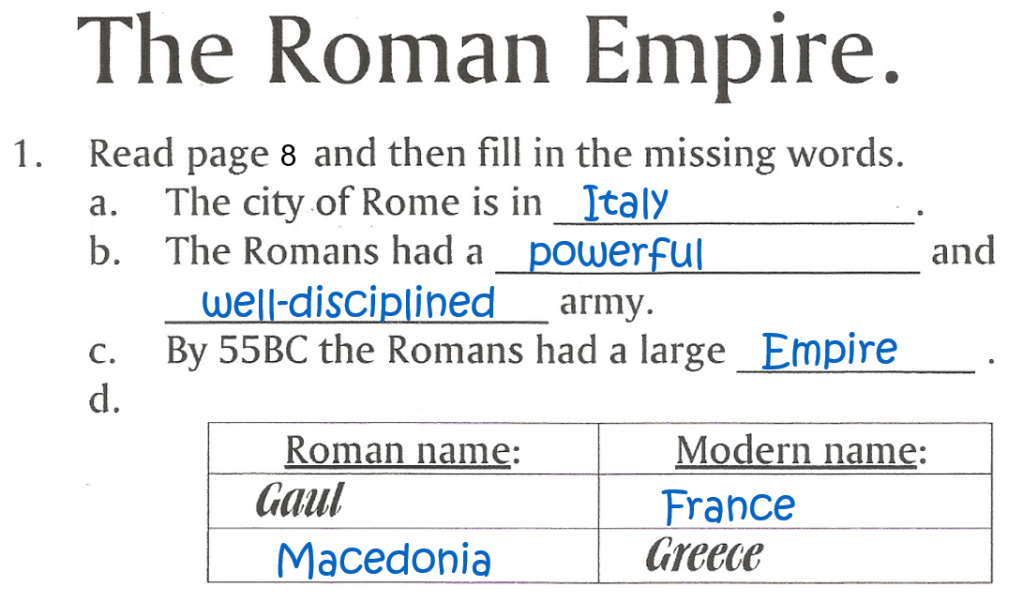
Read p.9, 2nd Column
4.
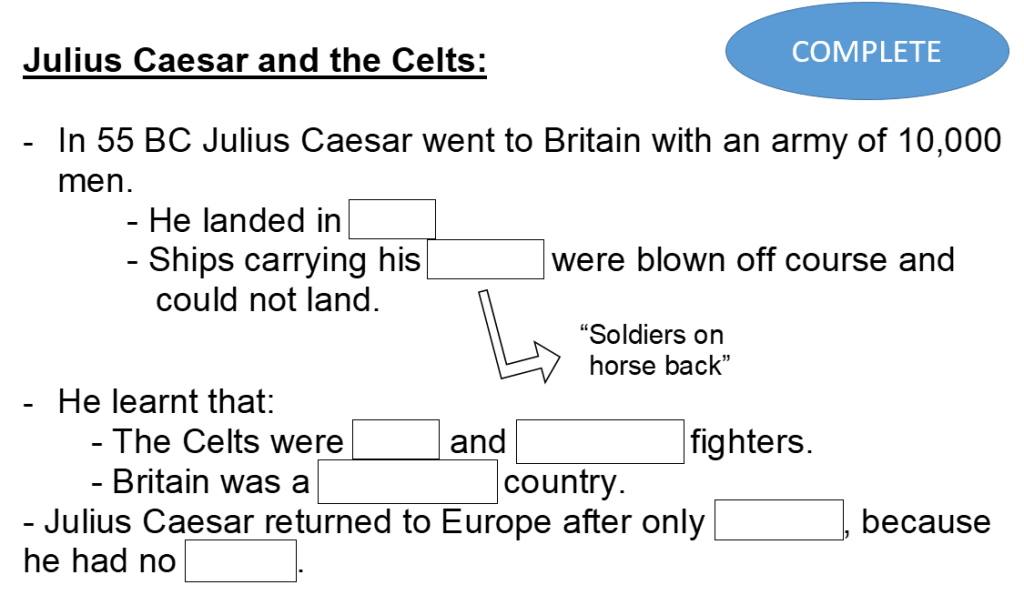
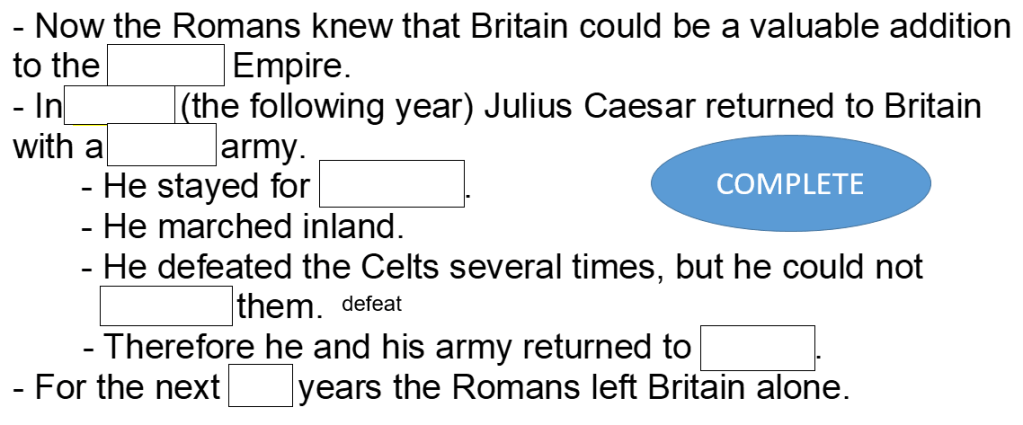
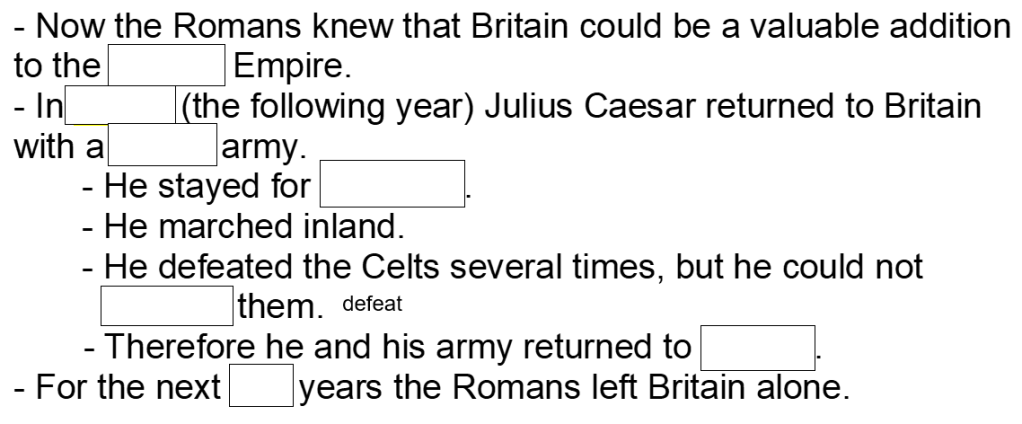
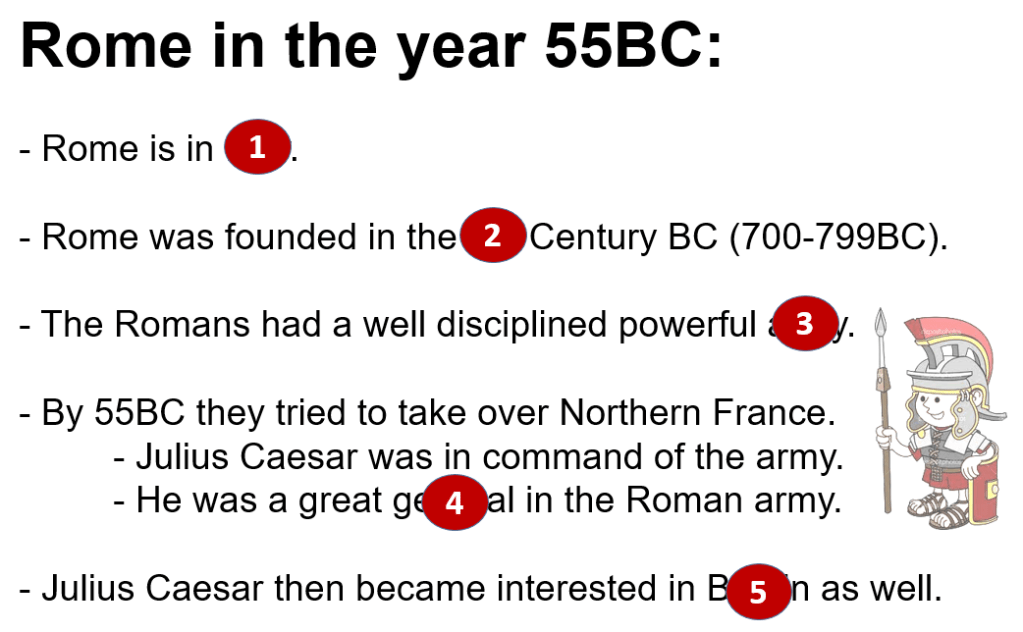
Fill in the missing words on the notes on p.15.
5.
Mark the notes on p.15 – the video below gives the correct answers.
Julius Caesar and the Celts. (1:31 minutes long)
6.
Use the rest of today’s lesson to make sure that your History books are up to date! You may then start working on your History homework.
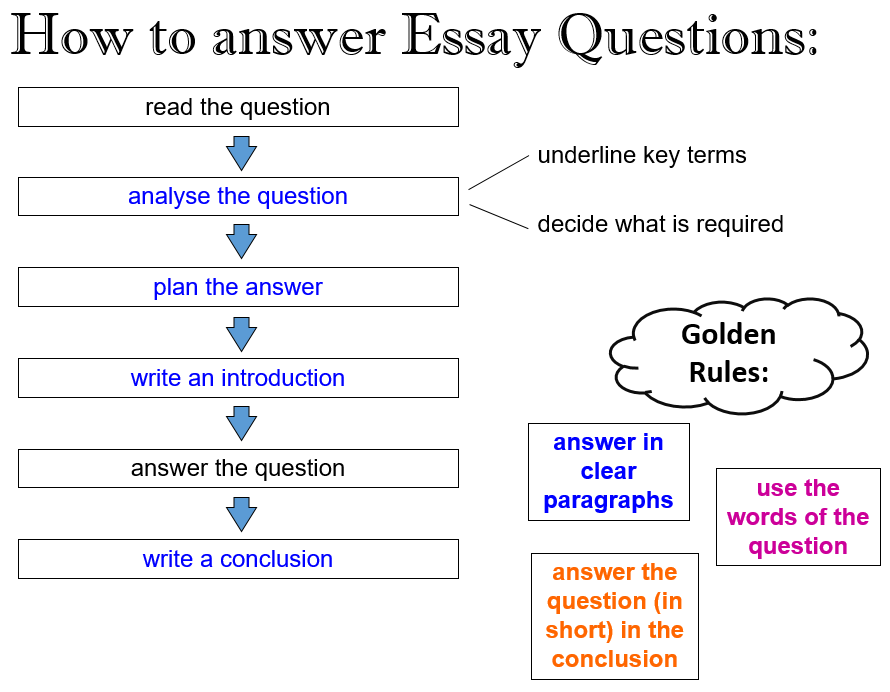
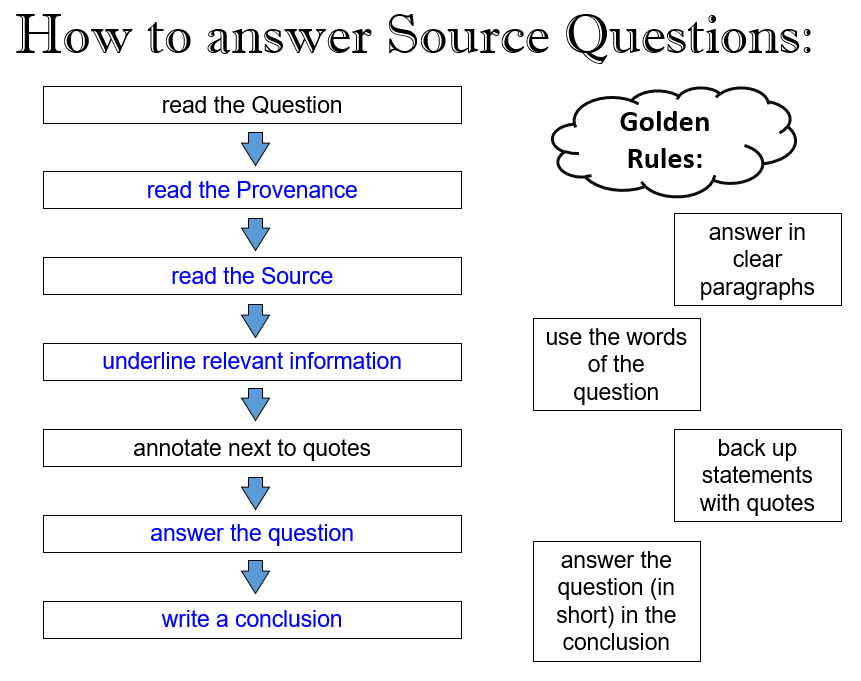
Essay Writing is the main way by which your knowledge and skills will be tested in History. It is therefore very important that you know how to tackle a history essay question. Watch the following video to see how one should approach an essay question:
How to answer an Essay Question. (0:57 minutes long)
2.
Complete the flowchart (provided) in the front of your Essay Writing book by filling in the missing information.
3.
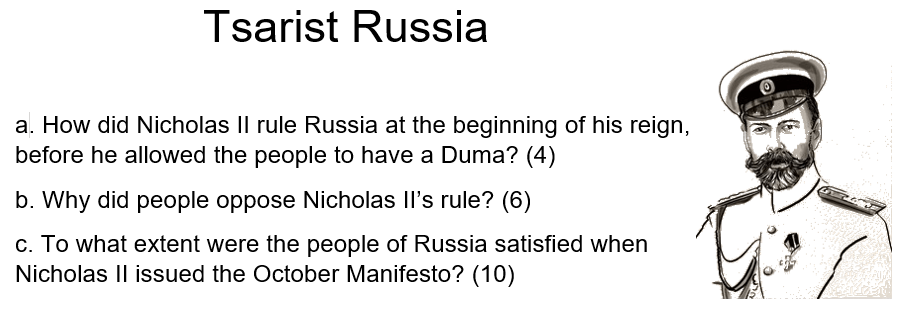
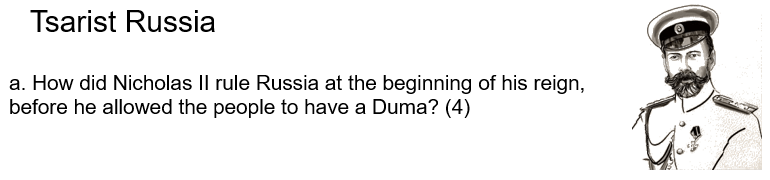
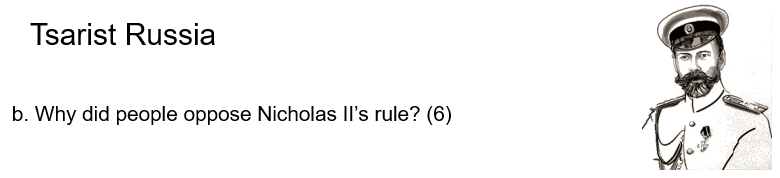
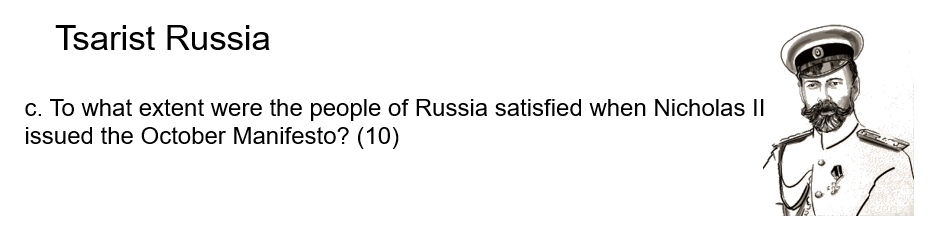
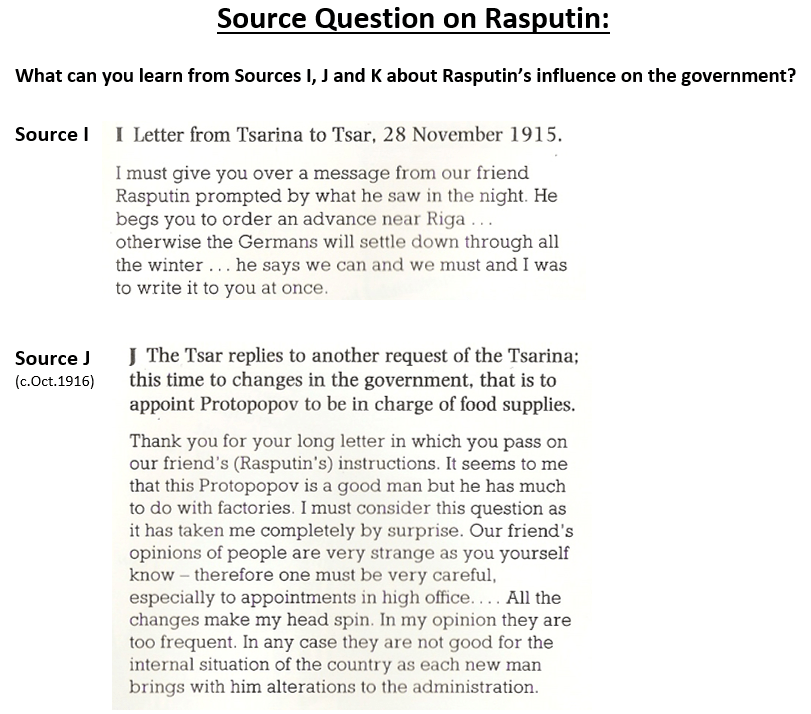
A Paper 1 exam question typically looks like this:
The question has 3 parts.
It is of vital importance that you analyse and plan essay questions before you start writing the answer…
4.
Let’s look at each question individually:
(a)
Part (a)’s answer needs to be a short paragraph long.
It will take you about 5 minutes to complete the answer.
This is a straight forward “easy” question. You must get full marks it!
(b)
Part (b)’s answer needs to be about 1 page long.
It will take you about 15 minutes to complete the answer.
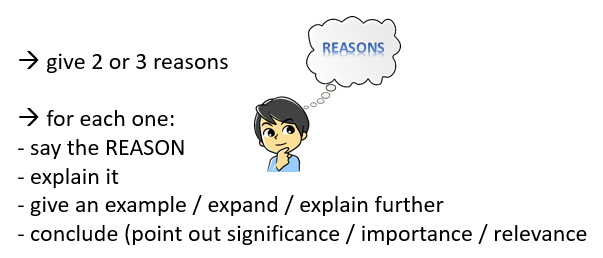
This is a “why” question. You must give 2 to 3 clear reasons, and explain each well. (Answer in clear paragraphs.)
(c)
Part (c)’s answer needs to be about one and a half pages long.
It will take you about 25 minutes to complete the answer.
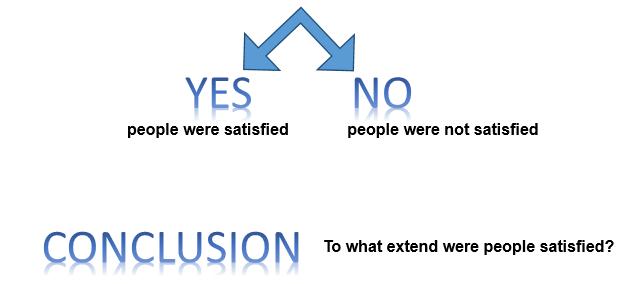
This question is a “debate”. You must give a “yes-argument” as well as a “no-argument”, and reach a conclusion at the end of your answer.
5.
Now, let’s look at each question in more detail:
Question (a)
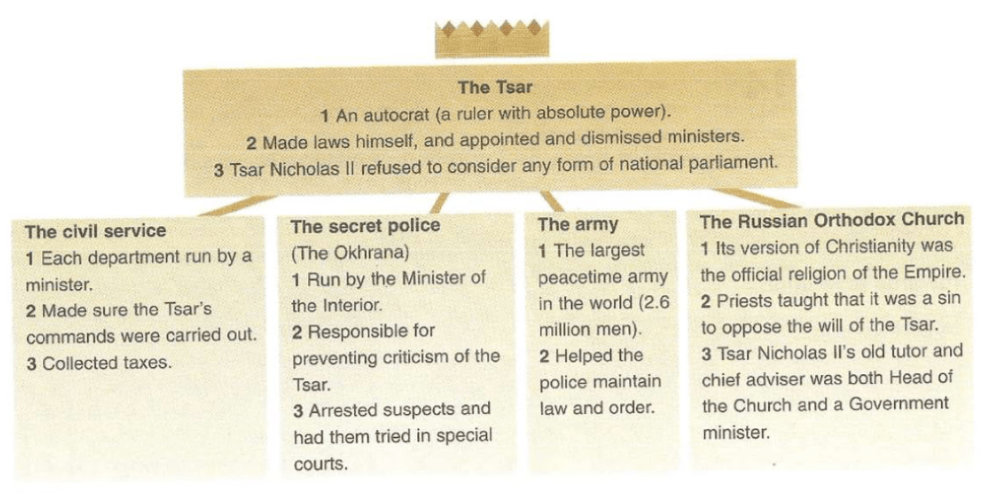
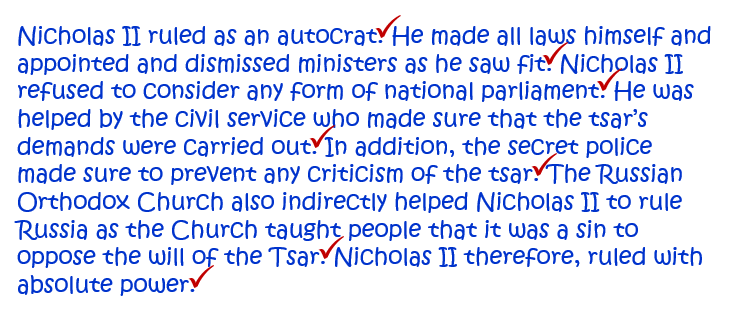
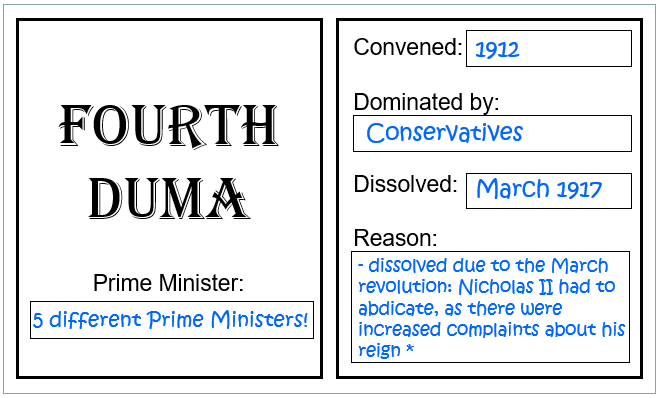
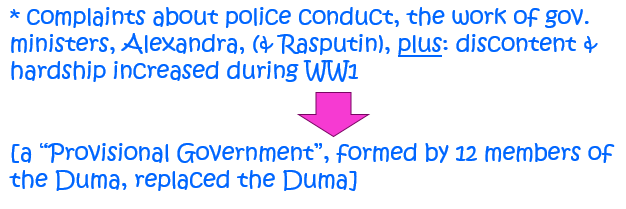
Do you realise that this is the answer, taken from your booklet on Russia?
Write the answer, in the form of a paragraph.
6.
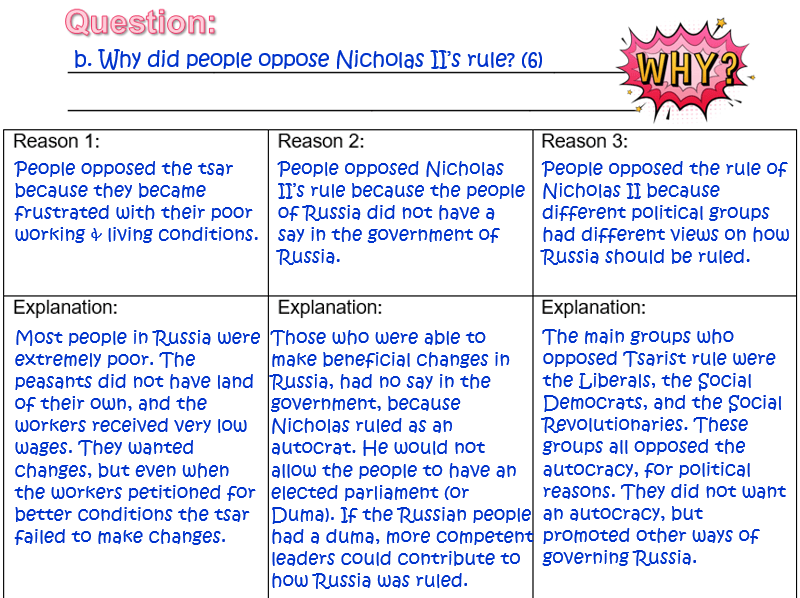
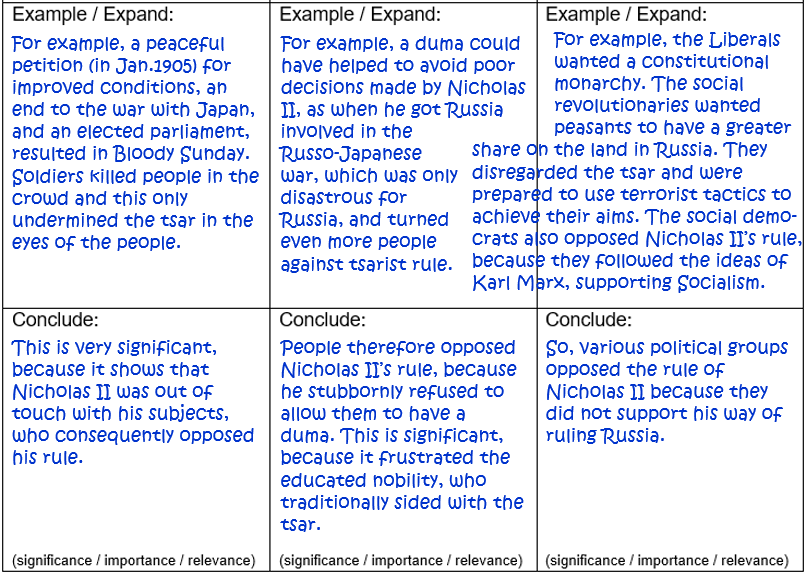
Question (b)
You need to:
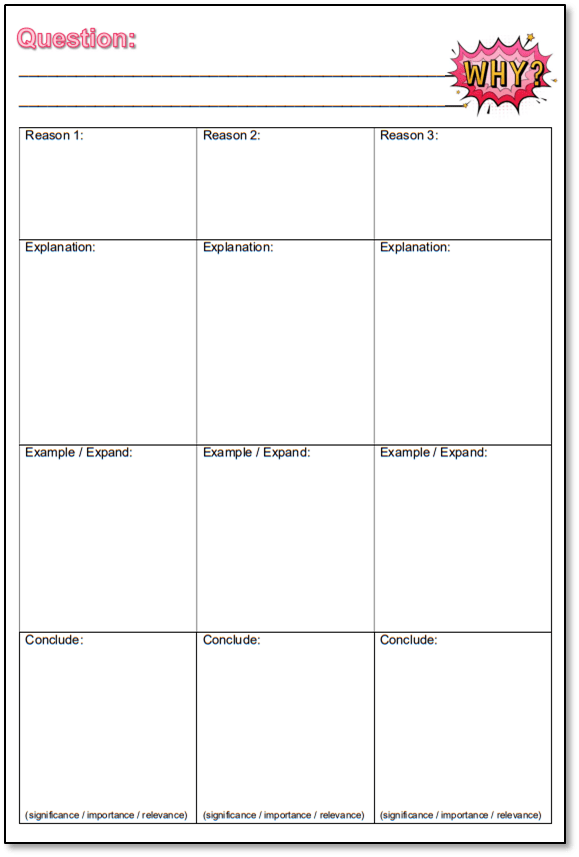
The form below is useful for planning the essay answer:
Here is a possible plan for answering the above question:
7.
Once you have completed your plan, write the essay answer, starting on a new page in your essay writing book. Remember to answer in clear paragraphs!
HERE IS A POSSIBLE STRUCTURE FOR THE ANSWER:
Nicholas II was the last Romanov ruler of Russia. Unfortunately, the Russian people opposed his rule because… (GIVE REASON, EXPLAIN, EXPAND…)
Another reason why the people opposed Nicholas II’s rule was because… (GIVE REASON, EXPLAIN, EXPAND…)
Finally, the people opposed Nicholas II’s rule because… (GIVE REASON, EXPLAIN, EXPAND…)
Various factors contributed to the people opposing the rule of Nicholas II. The fact that the Russian people did not have a say in how the country was run was probably the most damaging, because the people were powerless against poor decisions made by Nicholas II.
8.
Question (c)
The form below is useful for planning the essay answer:
TO BE REPLACED / EDITED:
Here is a possible plan for answering the above question:
TO BE REPLACED / EDITED:
9.
Once you have completed your plan, write the essay answer, starting on a new page in your essay writing book. Remember to answer in clear paragraphs!
HERE IS A POSSIBLE STRUCTURE FOR THE ANSWER:
TO BE REPLACED / EDITED:
To what extent were the people of Russia satisfied when Nicholas II issued the October Manifesto?
In October 1905, after major disturbances and a general strike in Russia, Nicholas II issued the so called October Manifesto. It promised the people of Russia freedom of speech, and the right to for political parties. More importantly, he promised the people a duma (or national parliament), elected by all adults. Nicholas II also said that he would make no new laws without the Duma’s approval.
Nicholas II was the last Romanov ruler of Russia. Unfortunately, the Russian people opposed his rule because… (GIVE REASON, EXPLAIN, EXPAND…)
Another reason why the people opposed Nicholas II’s rule was because… (GIVE REASON, EXPLAIN, EXPAND…)
Finally, the people opposed Nicholas II’s rule because… (GIVE REASON, EXPLAIN, EXPAND…)
Various factors contributed to the people opposing the rule of Nicholas II. The fact that the Russian people did not have a say in how the country was run was probably the most damaging, because the people were powerless against poor decisions made by Nicholas II.
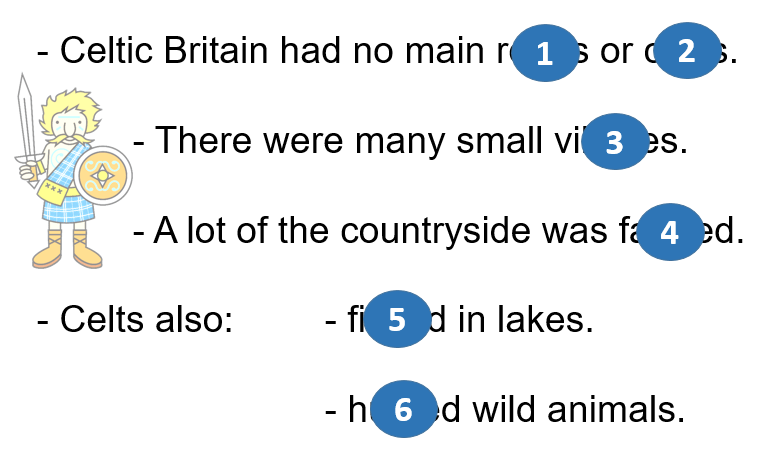
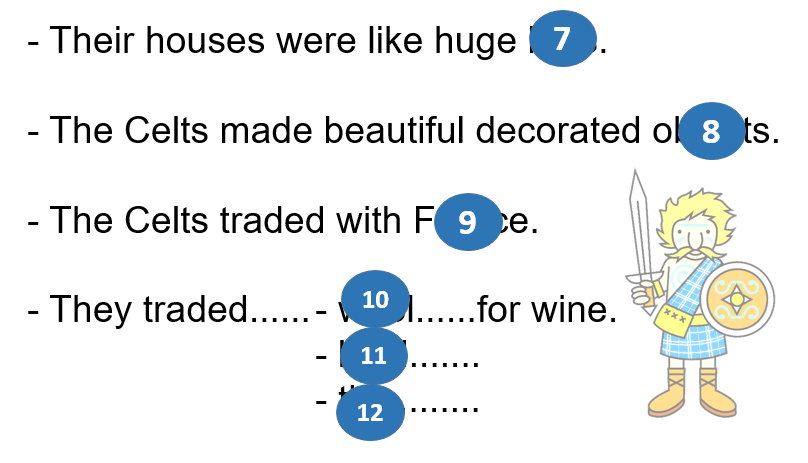
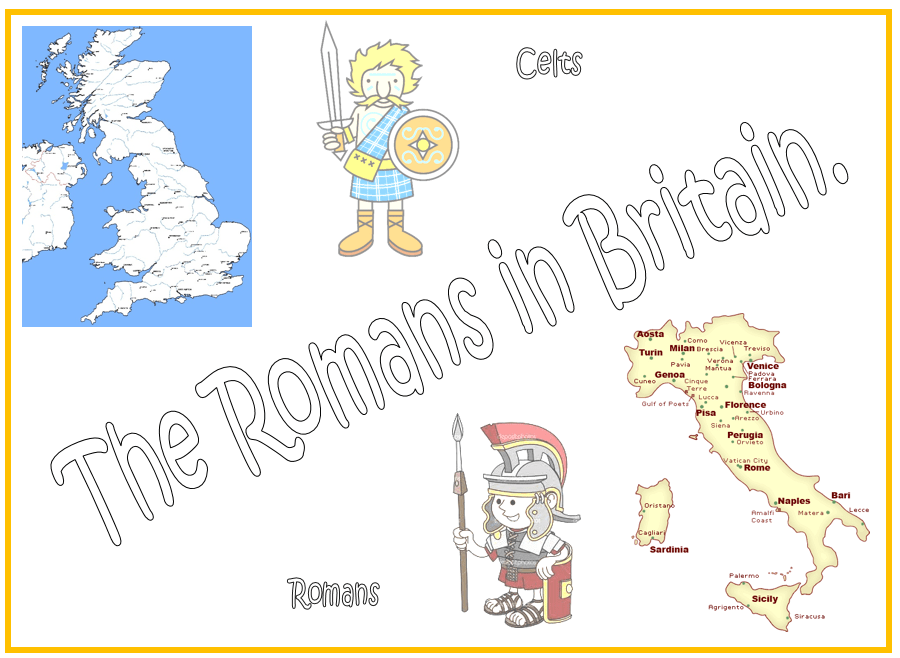
Now, let’s look at the Celts in a bit more detail.
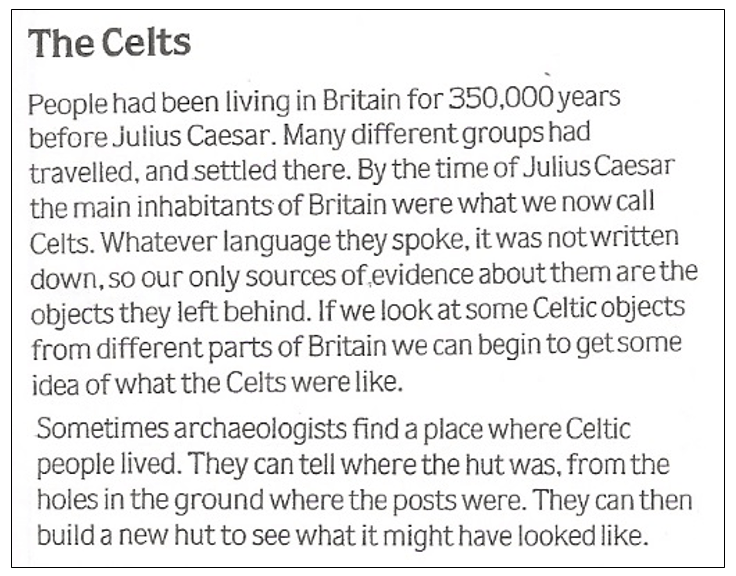
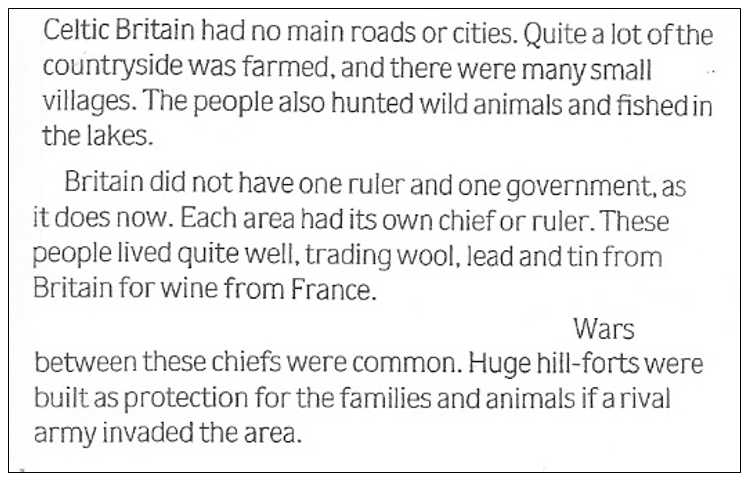
Read p.9, 1st Column
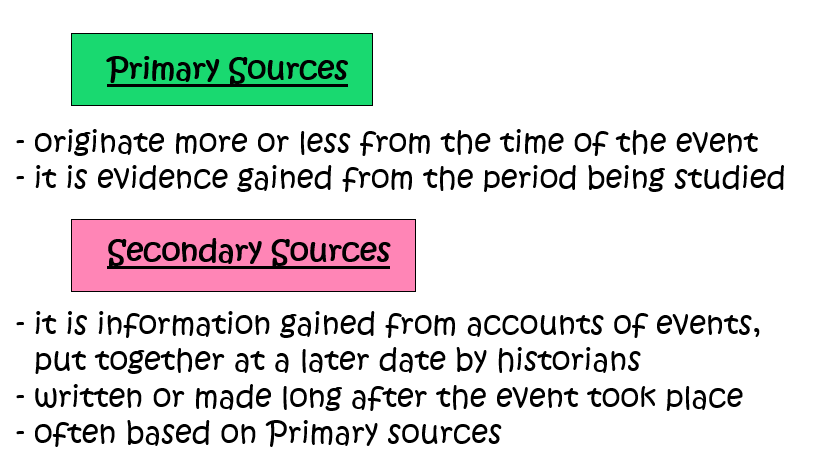
“A hill fort is a fortified building or structure, built on a hill.”
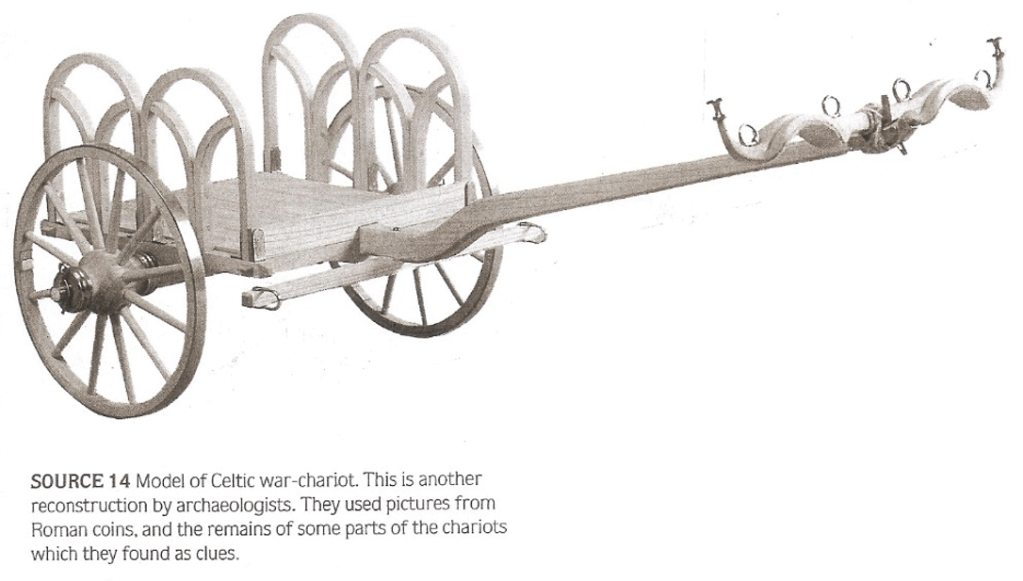
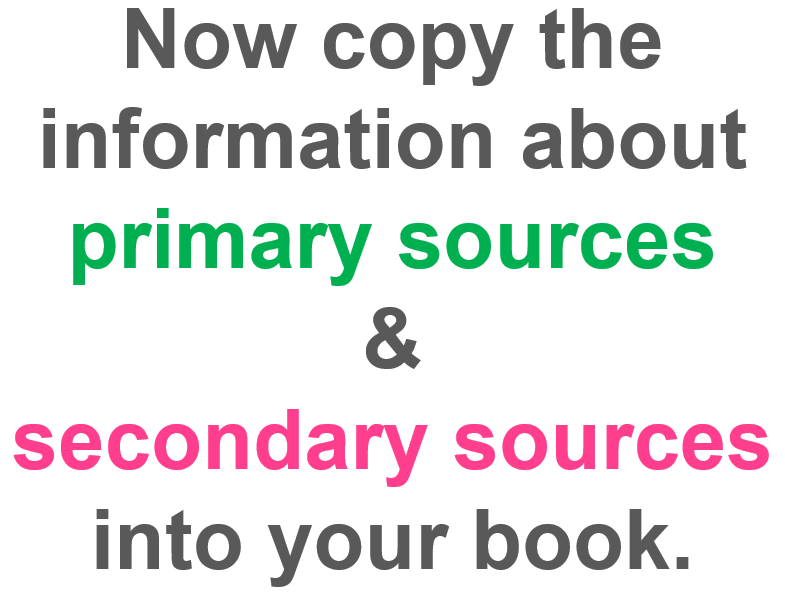
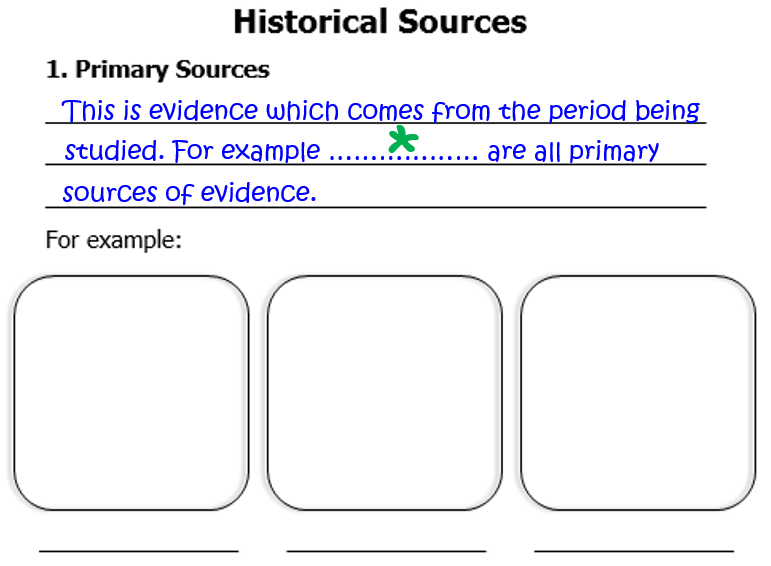
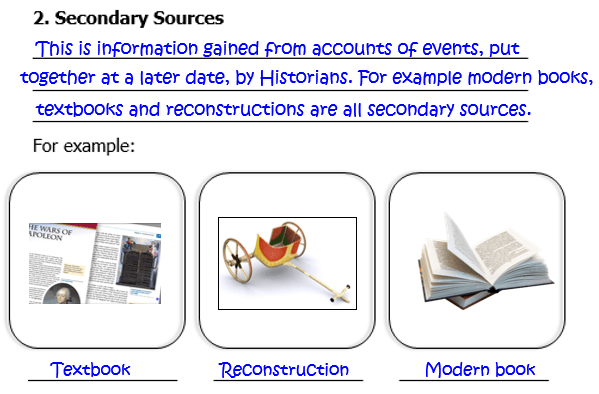
Is Source 14 a Primary or a Secondary Source?
Is Source 15 a Primary or a Secondary Source?
See Answers:
Source 14 is a Secondary Source, because it does not come directly from the time being studied but is simply a reconstruction of a Celtic chariot. However, Source 15 is a Primary Source, because it comes from the time being studied (i.e. from Roman times) – it comes from Julius Caesar himself!
4.
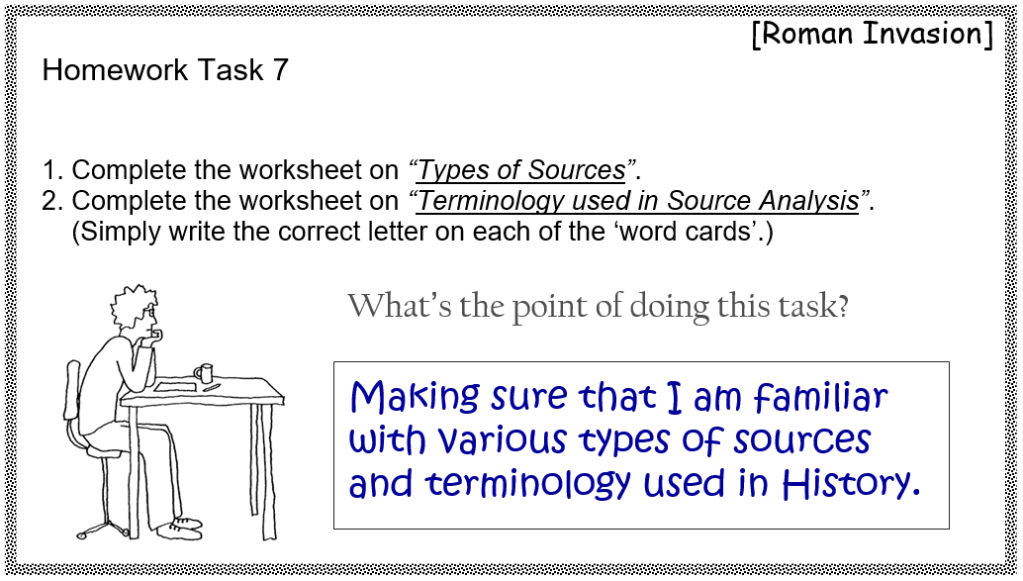
Take note: this is also a “test page”… (Highlight the words “test page”.)
5.
These video clips will give you a bit of an idea what the Celts were like…
Watch this first video from 12:05 minutes to the end. This part is a “historical wife swap” where Celtic living is compared with Roman living.
(4:34 minutes long)
Watch the video below from the beginning, up to 2:25 minutes. This part is a “historical fashion fix” where a Celtic farmer has a make-over to be a Celtic warrior.
(2:25 minutes long)
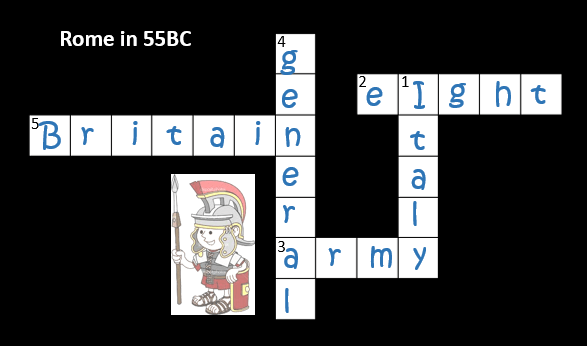
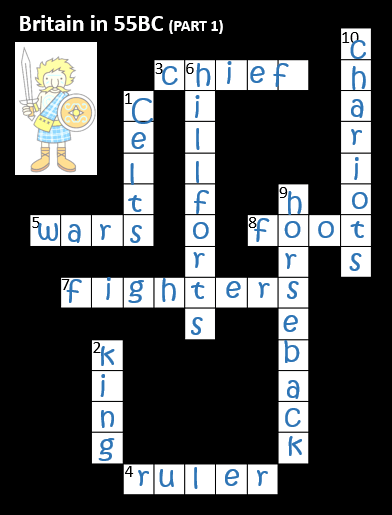
6.
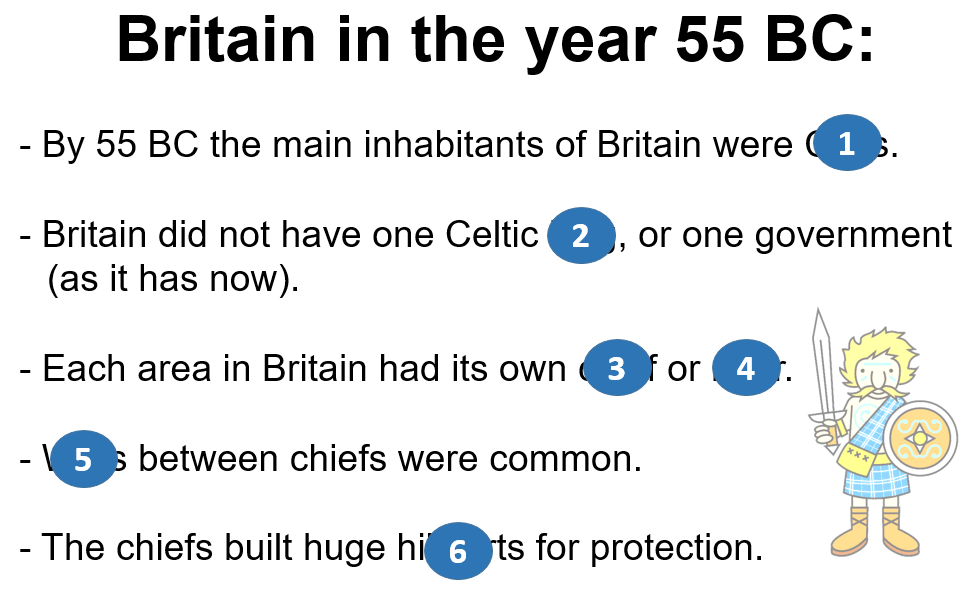
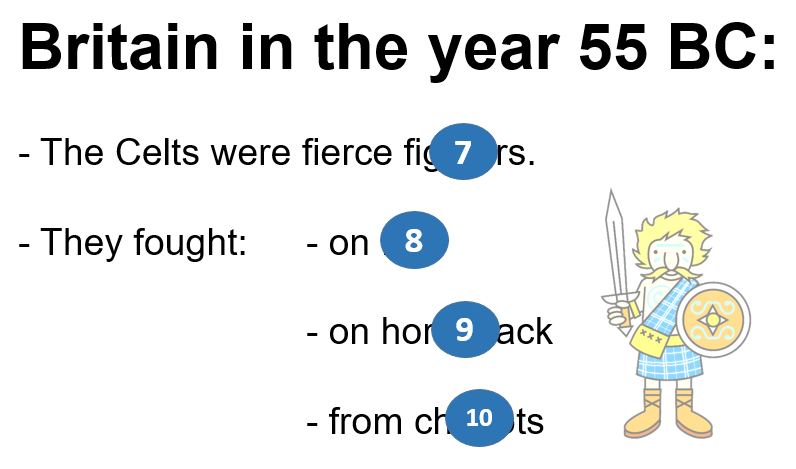
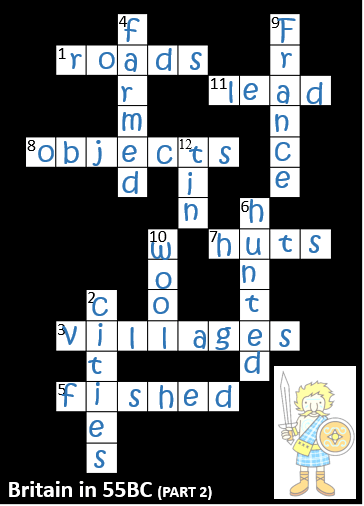
Complete the crossword puzzles on Britain in 55BC (p.12-14). Below are the clues for the crossword puzzles. (The same clues are also in your workbook.)
7.
Finally, mark the crossword puzzles on Britain in 55BC (p.12-14).
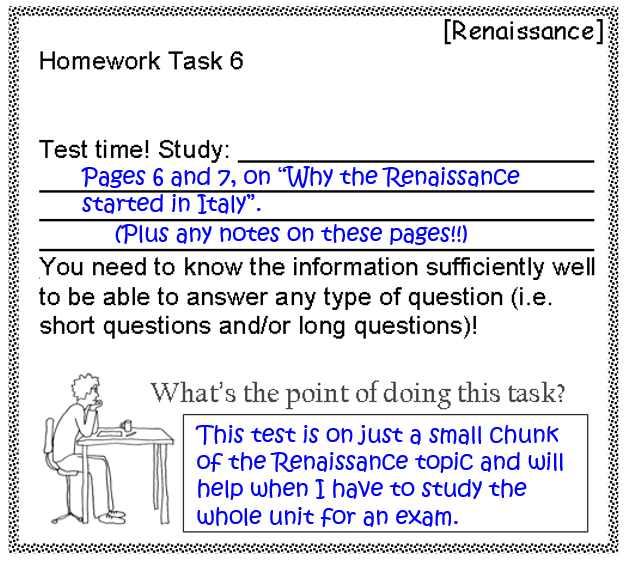
Make notes on these two pages before you start memorizing the information. Also make sure that you study the flowcharts that you have copied into your book – they will be quite useful too!
Now also watch this video that shows very clearly the differences between Medieval Art and Renaissance Art.
Renaissance Art. (1:53 minutes long)
3.
Leonardo da Vinci was a very talented Renaissance artist. He is a typical Renaissance Man – that is “a person that lived during the Renaissance period who had ‘unquenchable curiosity’ and an ‘inventive imagination’ “. This song sums up Da Vinci’s life very effectively:
Leonardo da Vinci (“Dear Prudence” as performed by Siouxsie and the Banshees). (3:25 minutes long)
4.
Now you should be ready to answer a few more questions on the Renaissance! Here’s what you have to do:
If you are unsure, again look at the images that we looked at in previous lessons and also watch the videos again (from the lesson on “Renaissance Art”)!
Today you are going to look at electronic submission of work, through schoology.
Follow the instructions step by step:
1.
First, we will do a bit of marking…
Mark the task on p.16.
2.
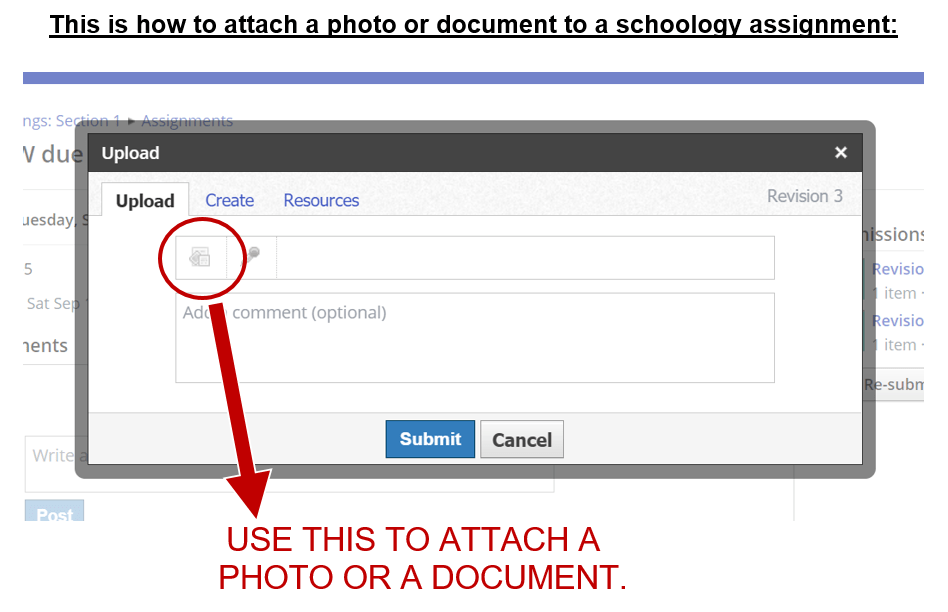
Sometimes you will be asked to upload tasks to Schoology Assignments. Do you know how to do this?
Submitting Assignments in Schoology (as Student). (1:18 minutes long)
3.
If you are still unsure, also watch this video clip:
How to Submit an Assignment in Schoology. (5:29 minutes long)
4.
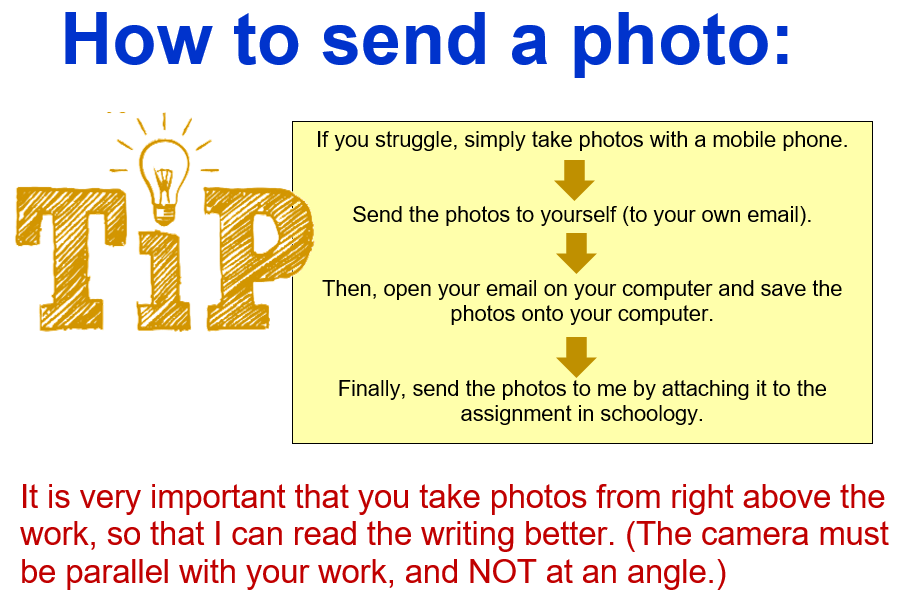
It is very important that the photo that you take are of excellent quality!
5.
So, to make sure that you do this correctly (and also for assessment purposes!!) you need to send me a photo of “My Timeline”. (This is the timeline of your life so far.) (Please take note: It is important that you ONLY send to me what I ask for.)
6.
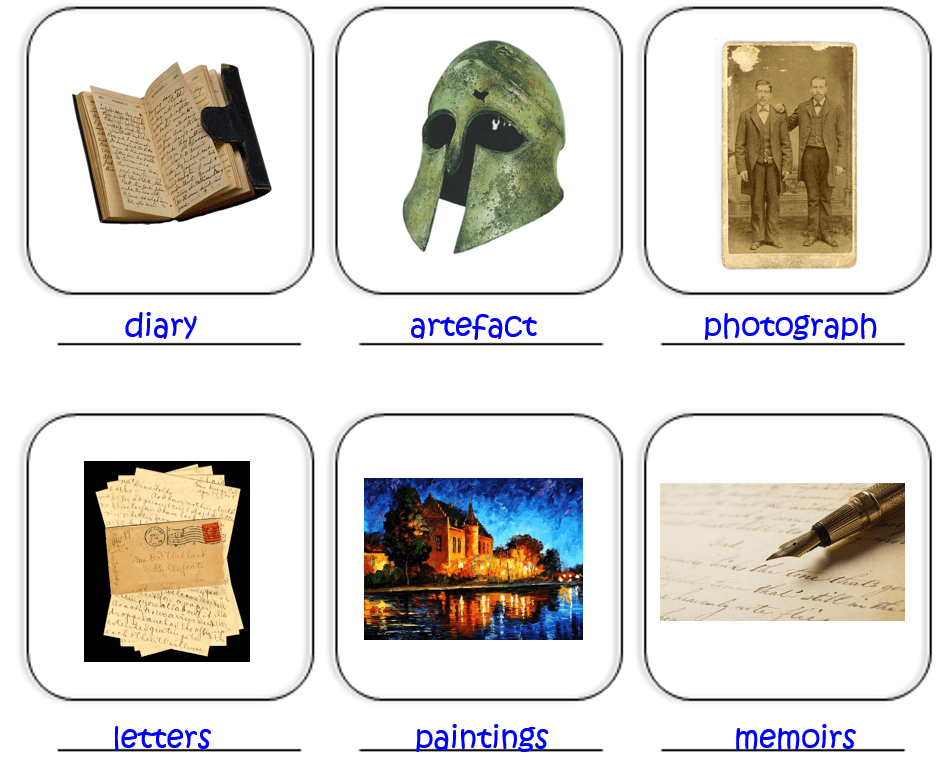
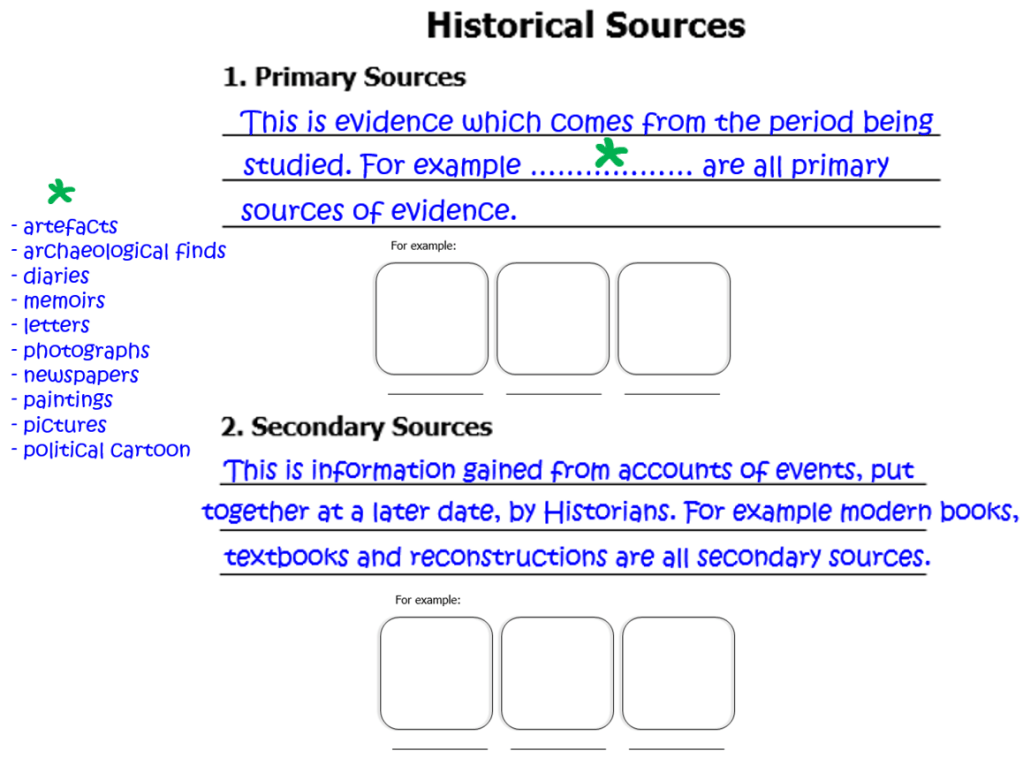
Use the rest of the lesson to complete the worksheet on Sources, from the previous lesson.
Remember to send your “assignment” to me in Schoology!! ONLY SEND ME A PHOTO OF WHAT I ASKED FOR!! Also, your work must not be submitted late.. as this may result in half marks or even in zero…!!
Today you are going to continue looking at why the Renaissance started in Italy.
Follow the instructions step by step:
1.
Before we continue with today’s lesson, mark the following task with a pencil (even though I have marked some of the answers for grading): “Renaissance Thinking, p.4”
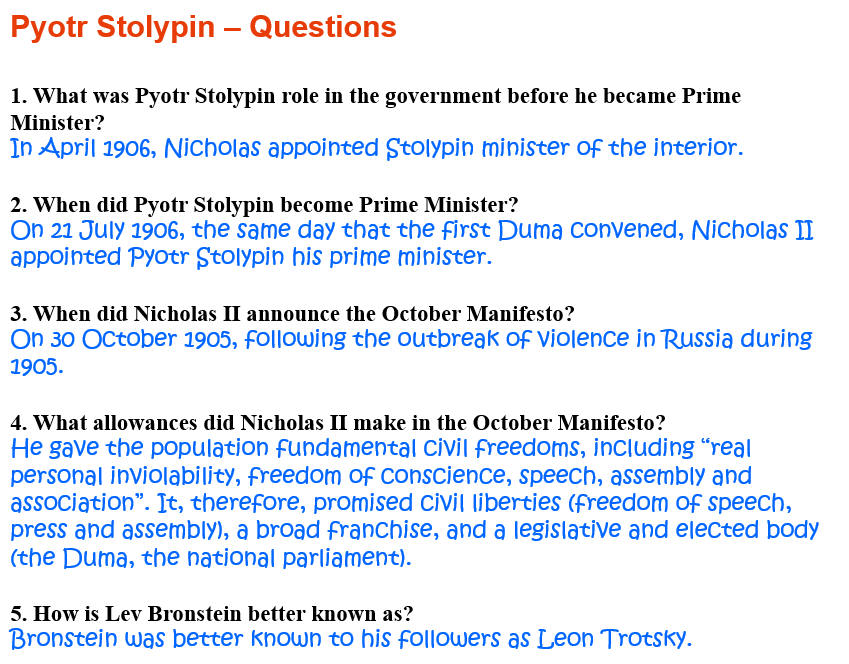
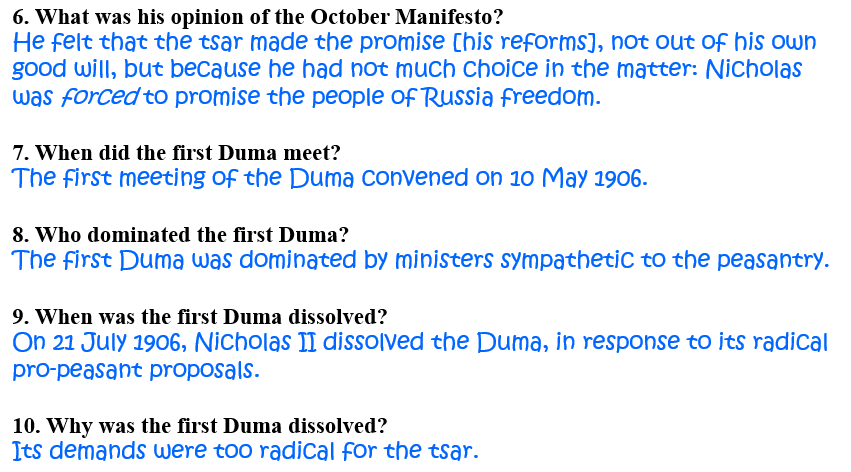
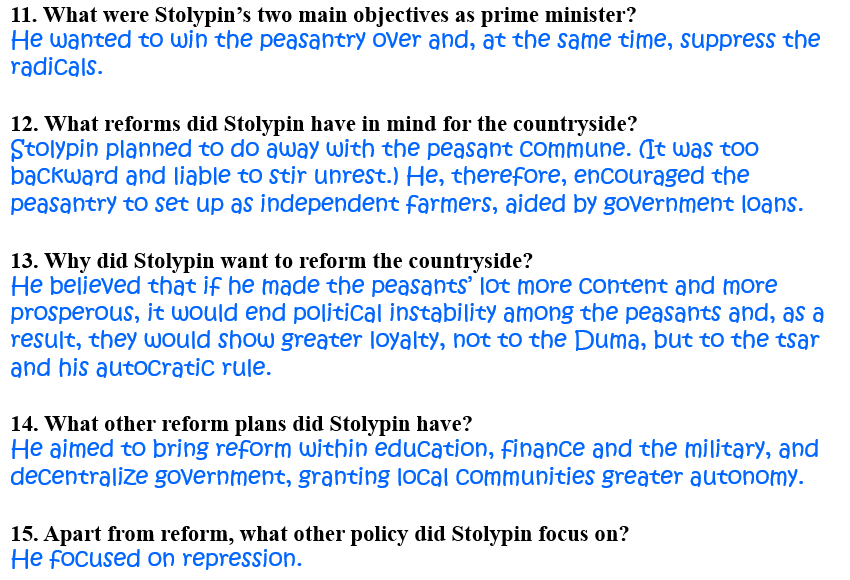
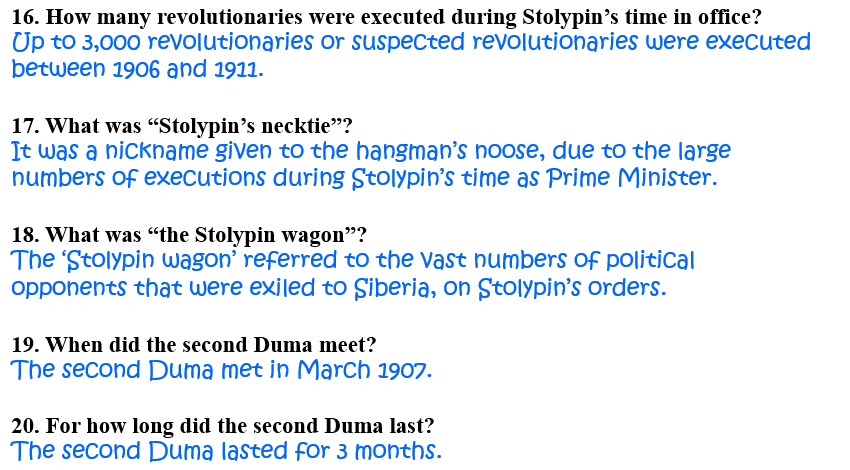
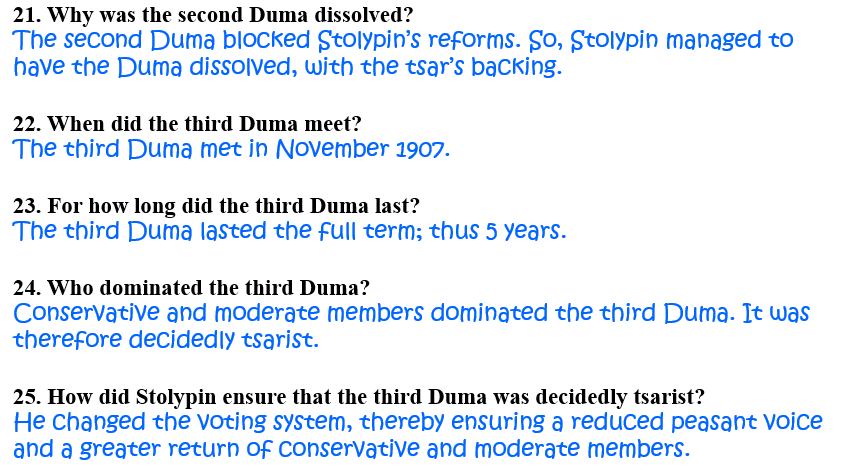
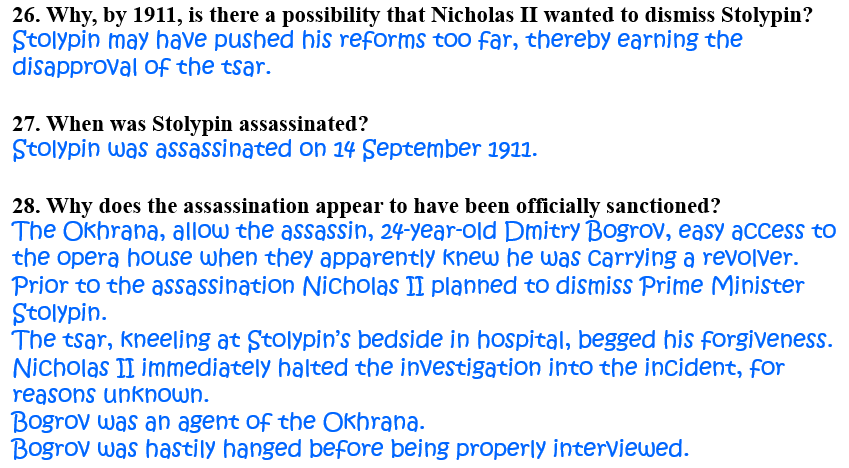
Today you are going to continue with the questions on Stolypin.
1.
Use the rest of this lesson to finish the questions on Stolypin (page 10 of your Russian booklet). You need to finish them about 10 minutes before the end of the lesson as we will also mark the questions in class today.
ALTERNATIVELY:
Ask your teacher for access to the “Stolypin Quiz”, so that you can complete the questions online.
Today you are going to look at a few more details regarding Prime Minister Stolypin and his role in the tsarist government…
1.
For revision purposes, let’s go over this video on “Stolypin’s Rule” again.
Stolypin. (1:35 minutes long)
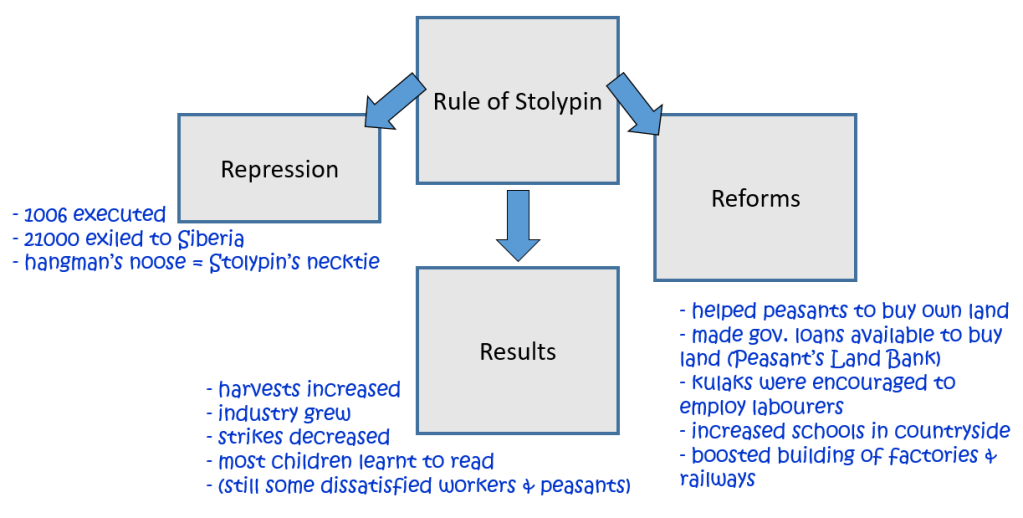
2.
You also need to know the following about Stolypin – copy the additional notes from this diagram onto p.6 of your booklet on Russia:
3.
The additional material on “Stolypin and Reform”, p.8.
4.
The article on “Pyotr Stolypin – a summary”, p.9-10.
5.
If there is still time in the lesson, do the questions on page 10 of your Russian booklet. (You must answer the questions in full sentences, in your exercise book.)
We will continue with these questions in the next lesson.
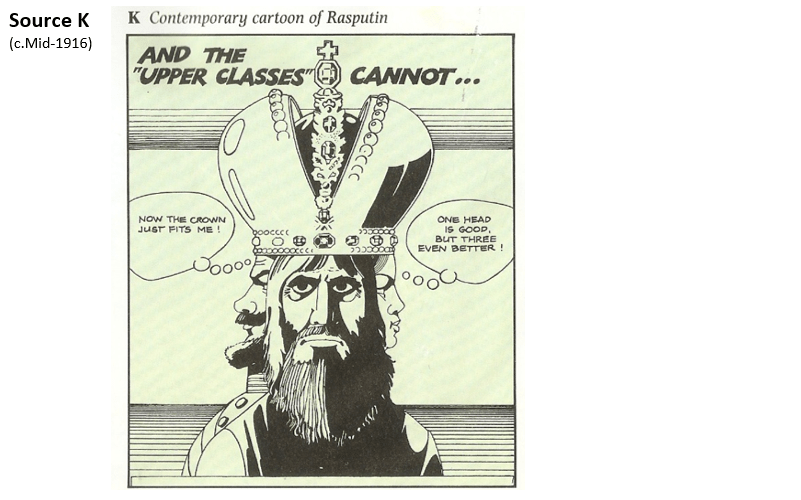
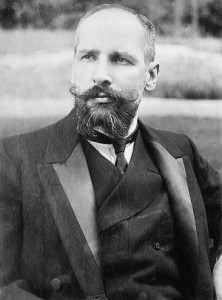
Stick the picture of Stolypin into your exercise book. Then use all the information that you have on Stolypin to make “face-notes” on Stolypin. (Use the “face-notes” on Rasputin as an example.)















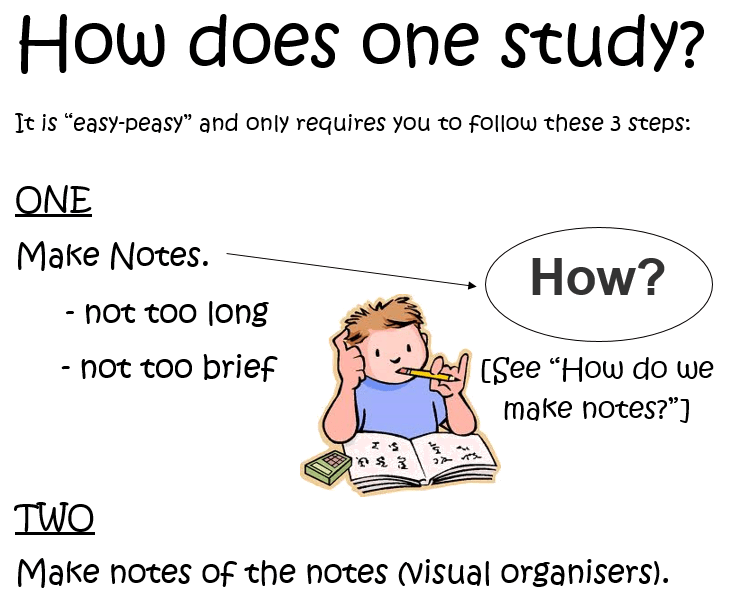
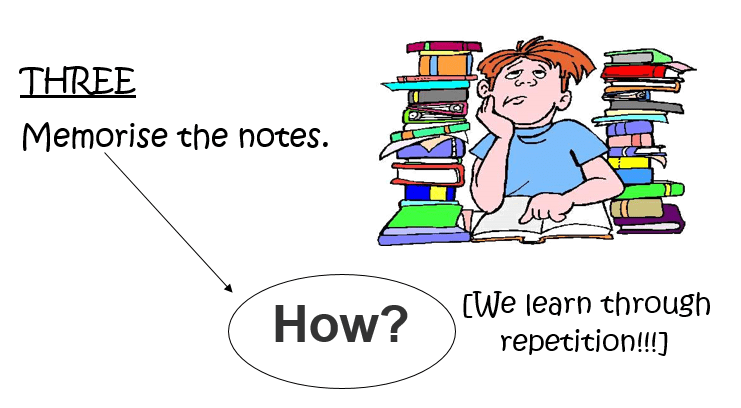

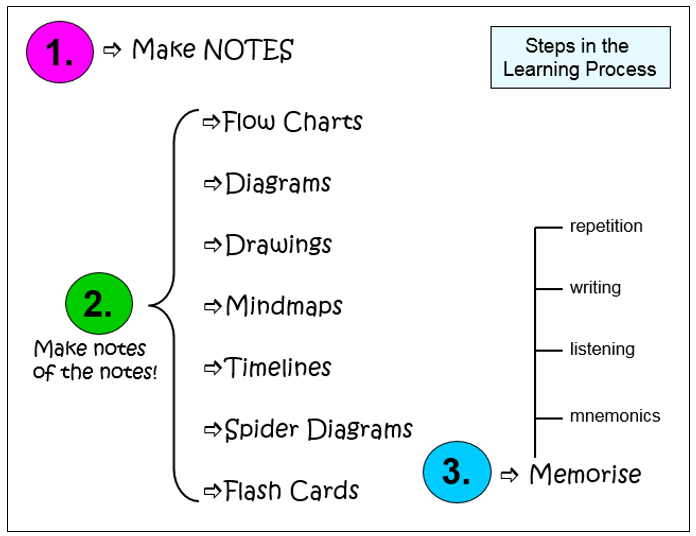



























 Best study methods